Hansel Marc C, Davila Julio C, Vosough Massoud, Gramignoli Roberto, Skvorak Kristen J, Dorko Kenneth, Marongiu Fabio, Blake William, Strom Stephen C
Department of Pathology, University of Pittsburgh School of Medicine, Pittsburgh, Pennsylvania.
McGowan Institute for Regenerative Medicine, Pittsburgh, Pennsylvania.
Curr Protoc Toxicol. 2016 Feb 1;67:14.13.1-14.13.27. doi: 10.1002/0471140856.tx1413s67.
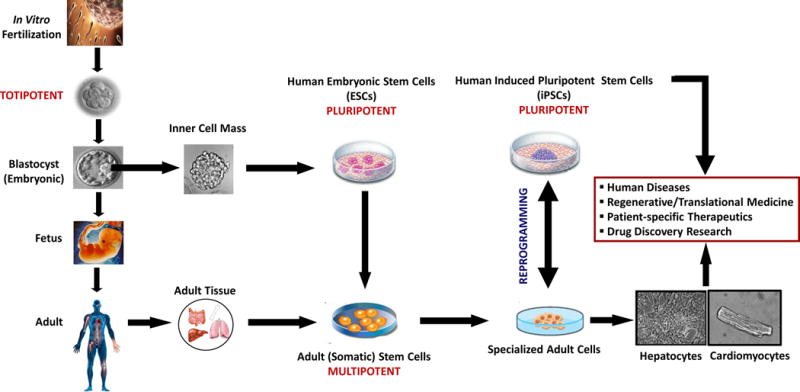
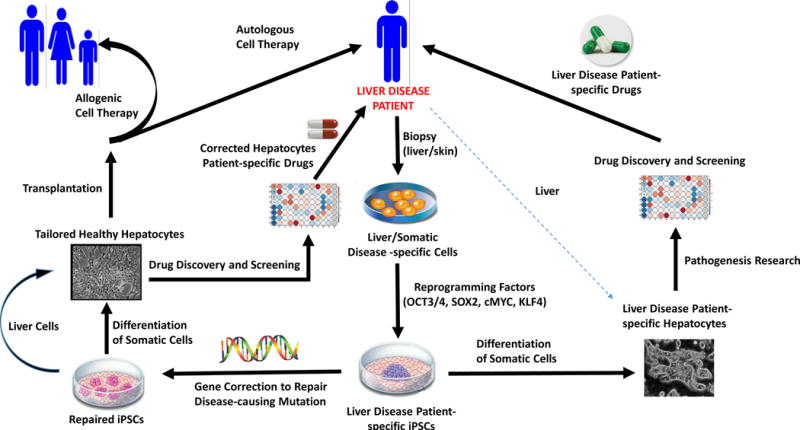
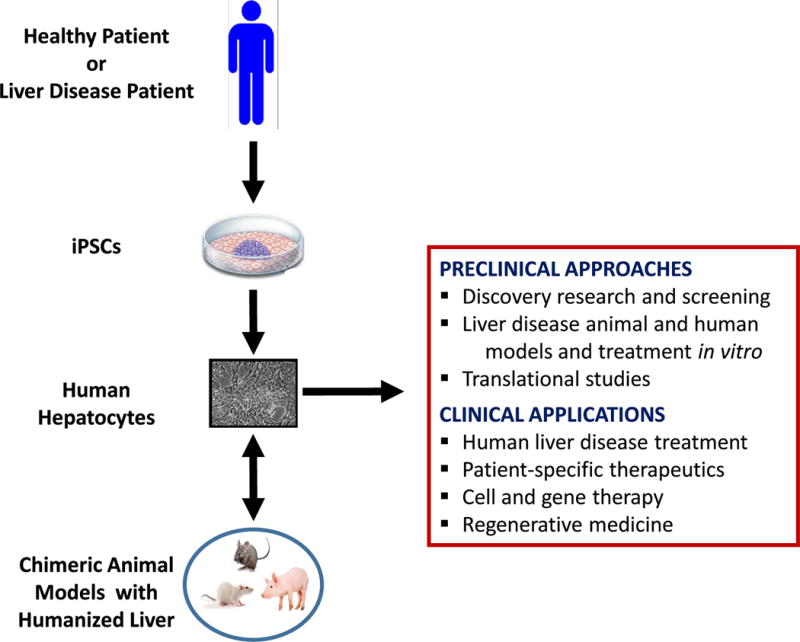
Liver disease is a major global health concern. Liver cirrhosis is one of the leading causes of death in the world and currently the only therapeutic option for end-stage liver disease (e.g., acute liver failure, cirrhosis, chronic hepatitis, cholestatic diseases, metabolic diseases, and malignant neoplasms) is orthotropic liver transplantation. Transplantation of hepatocytes has been proposed and used as an alternative to whole organ transplant to stabilize and prolong the lives of patients in some clinical cases. Although these experimental therapies have demonstrated promising and beneficial results, their routine use remains a challenge due to the shortage of donor livers available for cell isolation, variable quality of those tissues, the potential need for lifelong immunosuppression in the transplant recipient, and high costs. Therefore, new therapeutic strategies and more reliable clinical treatments are urgently needed. Recent and continuous technological advances in the development of stem cells suggest they may be beneficial in this respect. In this review, we summarize the history of stem cell and induced pluripotent stem cell (iPSC) technology in the context of hepatic differentiation and discuss the potential applications the technology may offer for human liver disease modeling and treatment. This includes developing safer drugs and cell-based therapies to improve the outcomes of patients with currently incurable health illnesses. We also review promising advances in other disease areas to highlight how the stem cell technology could be applied to liver diseases in the future. © 2016 by John Wiley & Sons, Inc.
肝脏疾病是全球主要的健康问题。肝硬化是全球主要死因之一,目前终末期肝病(如急性肝衰竭、肝硬化、慢性肝炎、胆汁淤积性疾病、代谢性疾病和恶性肿瘤)的唯一治疗选择是原位肝移植。在一些临床病例中,肝细胞移植已被提出并用作全器官移植的替代方法,以稳定和延长患者的生命。尽管这些实验性疗法已显示出有前景且有益的结果,但由于可用于细胞分离的供体肝脏短缺、这些组织质量参差不齐、移植受者可能需要终身免疫抑制以及成本高昂,其常规应用仍然是一个挑战。因此,迫切需要新的治疗策略和更可靠的临床治疗方法。干细胞开发方面近期不断的技术进步表明,它们在这方面可能有益。在本综述中,我们总结了干细胞和诱导多能干细胞(iPSC)技术在肝脏分化方面的历史,并讨论了该技术在人类肝脏疾病建模和治疗中可能的潜在应用。这包括开发更安全的药物和基于细胞的疗法,以改善目前无法治愈的健康疾病患者的治疗效果。我们还回顾了其他疾病领域的有前景的进展,以突出干细胞技术未来如何应用于肝脏疾病。© 2016 约翰威立国际出版公司