Laubreton Daphné, Bay Sylvie, Sedlik Christine, Artaud Cécile, Ganneau Christelle, Dériaud Edith, Viel Sophie, Puaux Anne-Laure, Amigorena Sebastian, Gérard Catherine, Lo-Man Richard, Leclerc Claude
Unité de Régulation Immunitaire et Vaccinologie, Equipe Labellisée Ligue Contre le Cancer, Institut Pasteur, 25 rue du Docteur Roux, 75015, Paris, France.
Institut National de la Santé et de la Recherche Médicale U1041, Paris, France.
Cancer Immunol Immunother. 2016 Mar;65(3):315-25. doi: 10.1007/s00262-016-1802-0. Epub 2016 Feb 4.
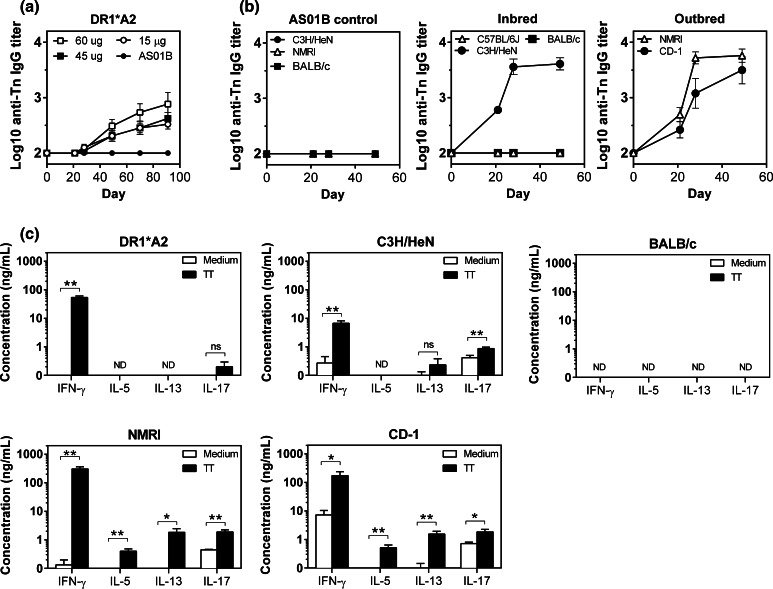
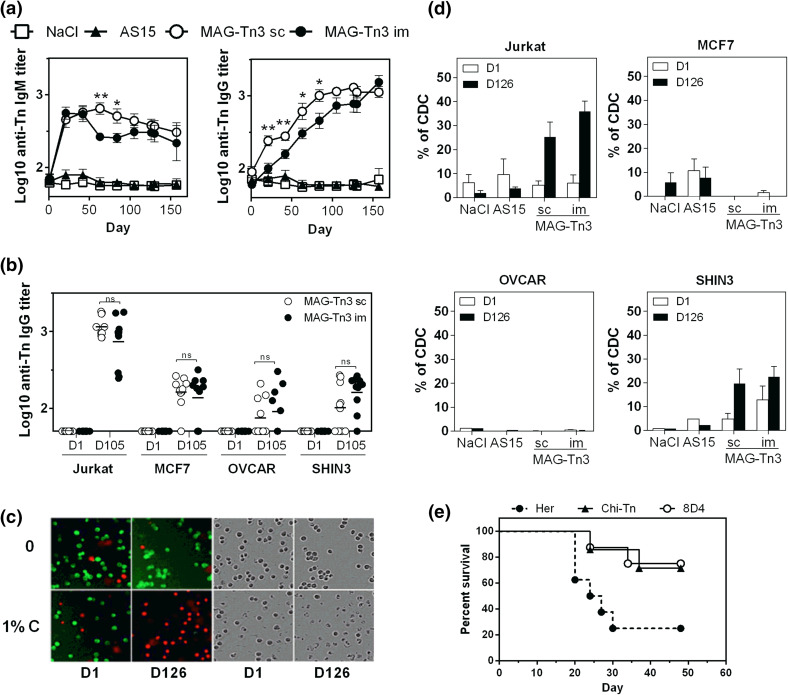
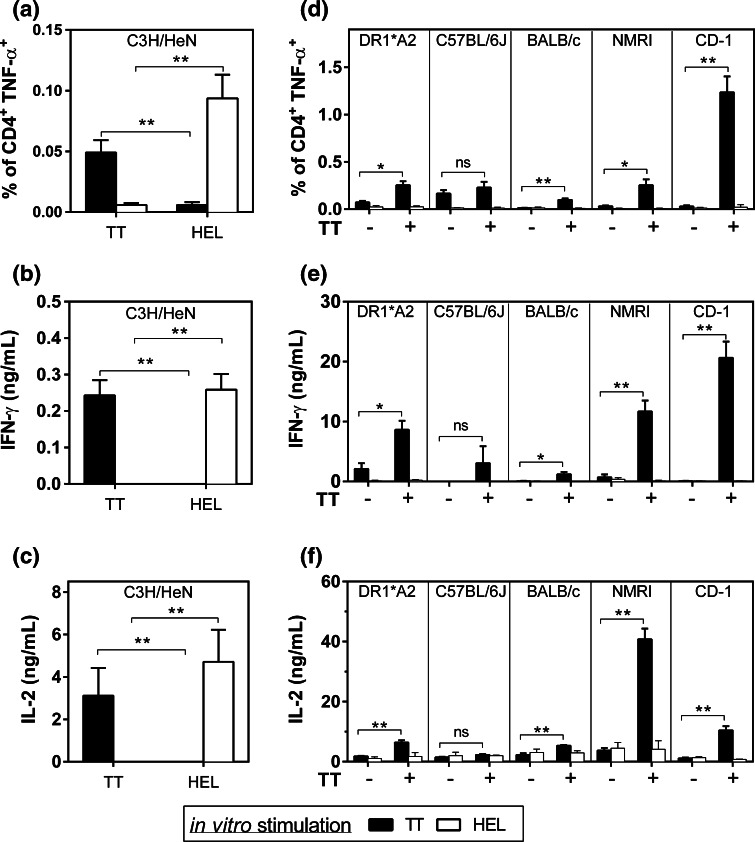
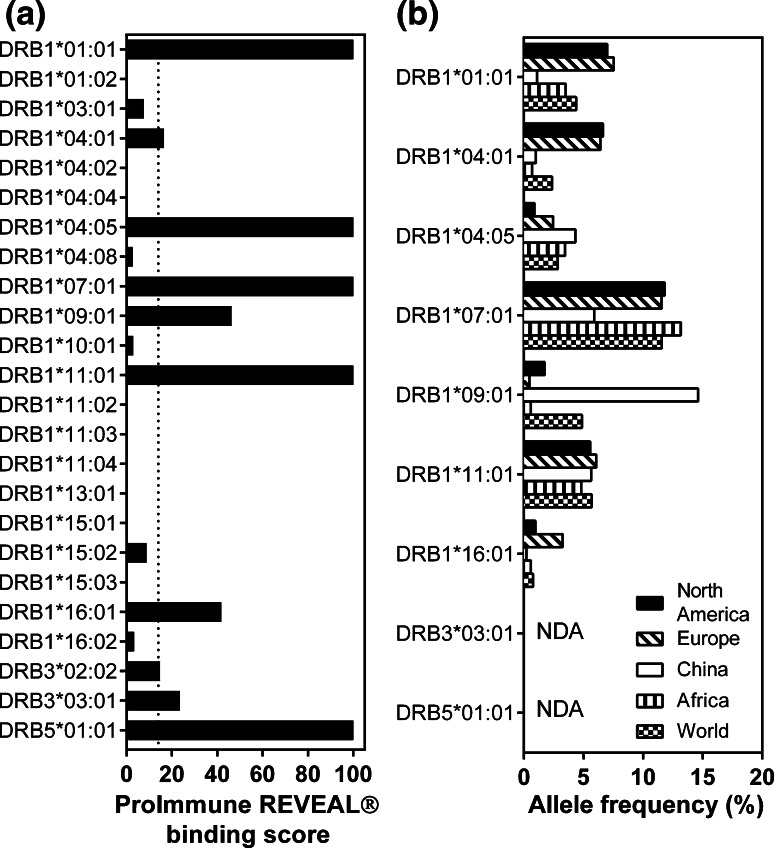
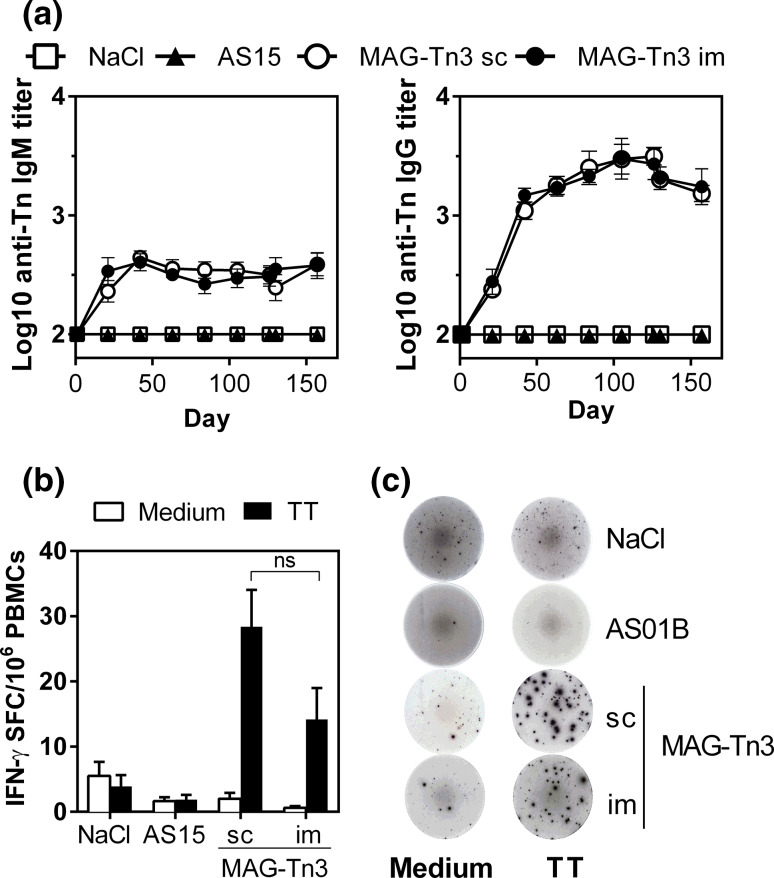
Malignant transformations are often associated with aberrant glycosylation processes that lead to the expression of new carbohydrate antigens at the surface of tumor cells. Of these carbohydrate antigens, the Tn antigen is particularly highly expressed in many carcinomas, especially in breast carcinoma. We designed MAG-Tn3, a fully synthetic vaccine based on three consecutive Tn moieties that are O-linked to a CD4+ T cell epitope, to induce anti-Tn antibody responses that could be helpful for therapeutic vaccination against cancer. To ensure broad coverage within the human population, the tetanus toxoid-derived peptide TT830-844 was selected as a T-helper epitope because it can bind to various HLA-DRB molecules. We showed that the MAG-Tn3 vaccine, which was formulated with the GSK proprietary immunostimulant AS15 and designed for human cancer therapy, is able to induce an anti-Tn antibody response in mice of various H-2 haplotypes, and this response correlates with the ability to induce a specific T cell response against the TT830-844 peptide. The universality of the TT830-844 peptide was extended to new H-2 and HLA-DRB molecules that were capable of binding this T cell epitope. Finally, the MAG-Tn3 vaccine was able to induce anti-Tn antibody responses in cynomolgus monkeys, which targeted Tn-expressing tumor cells and mediated tumor cell death both in vitro and in vivo. Thus, MAG-Tn3 is a highly promising anticancer vaccine that is currently under evaluation in a phase I clinical trial.
恶性转化通常与异常糖基化过程相关,这些过程导致肿瘤细胞表面新的碳水化合物抗原表达。在这些碳水化合物抗原中,Tn抗原在许多癌症中,尤其是乳腺癌中,表达特别高。我们设计了MAG-Tn3,一种基于三个连续Tn部分的完全合成疫苗,这些部分与一个CD4+T细胞表位O连接,以诱导抗Tn抗体反应,这可能有助于癌症的治疗性疫苗接种。为确保在人群中的广泛覆盖,选择破伤风类毒素衍生肽TT830-844作为T辅助表位,因为它可以与各种HLA-DRB分子结合。我们表明,用葛兰素史克公司专有的免疫刺激剂AS15配制并设计用于人类癌症治疗的MAG-Tn3疫苗,能够在各种H-2单倍型的小鼠中诱导抗Tn抗体反应,并且这种反应与诱导针对TT830-844肽的特异性T细胞反应的能力相关。TT830-844肽的通用性扩展到能够结合这个T细胞表位的新的H-2和HLA-DRB分子。最后,MAG-Tn3疫苗能够在食蟹猴中诱导抗Tn抗体反应,该反应靶向表达Tn的肿瘤细胞,并在体外和体内介导肿瘤细胞死亡。因此,MAG-Tn3是一种非常有前景的抗癌疫苗,目前正在进行I期临床试验评估。