
一项关于健康婴幼儿以及患有肺动脉高压的婴幼儿肺血管系统中含肽神经的研究。
A study of nerves containing peptides in the pulmonary vasculature of healthy infants and children and of those with pulmonary hypertension.
作者信息
Allen K M, Wharton J, Polak J M, Haworth S G
机构信息
Institute of Child Health, London.
出版信息
Br Heart J. 1989 Nov;62(5):353-60. doi: 10.1136/hrt.62.5.353.
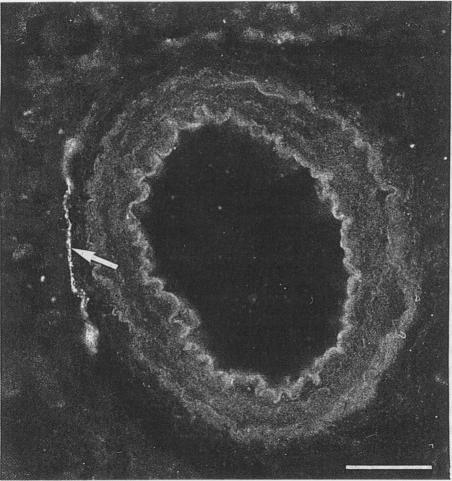
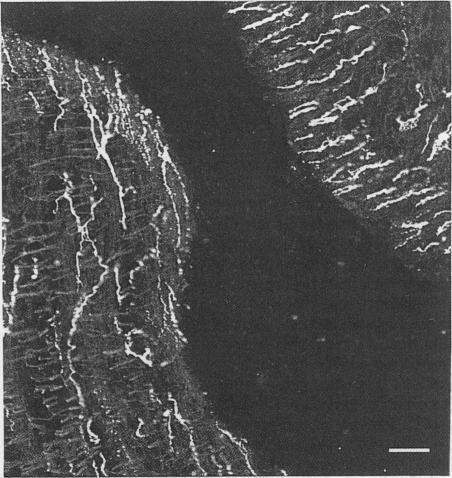
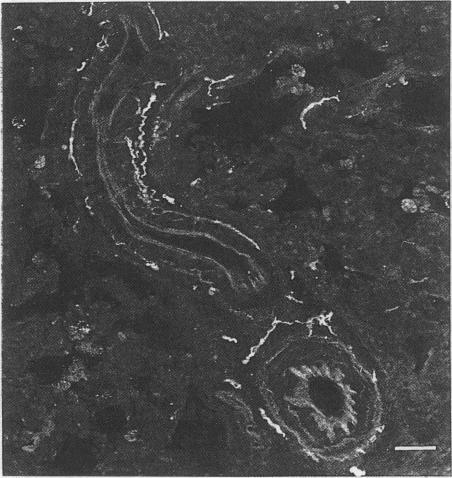
Nerves containing peptides that supply the human intrapulmonary vasculature were studied in 21 controls aged one month to 24 years and in 13 patients with pulmonary hypertension aged 11 days to eight years. An indirect immunofluorescence technique was used to study the distribution and relative density of nerve fibres containing the general neuronal marker, protein gene product 9.5; tyrosine hydroxylase; synaptophysin; neuropeptide tyrosine; vasoactive intestinal polypeptide; substance P, somatostatin; and calcitonin gene related peptide. At all ages in normal and hypertensive lungs neuropeptide tyrosine was the predominant neuropeptide associated with the pulmonary vascular nerves. In normal lungs the relative density of nerve fibres increased during childhood only in the arteries of the respiratory unit. Pulmonary hypertension was associated with the premature innervation of these arteries during the first year of life. Innervation of small, abnormally thick-walled pre-capillary vessels by predominantly vasoconstrictor nerves may help to explain the susceptibility of infants to pulmonary hypertensive crises.
对21名年龄在1个月至24岁的对照者以及13名年龄在11天至8岁的肺动脉高压患者体内支配人肺内血管的含肽神经进行了研究。采用间接免疫荧光技术研究了含有一般神经元标志物蛋白基因产物9.5、酪氨酸羟化酶、突触素、神经肽Y、血管活性肠肽、P物质、生长抑素和降钙素基因相关肽的神经纤维的分布和相对密度。在正常和高血压肺的所有年龄段,神经肽Y都是与肺血管神经相关的主要神经肽。在正常肺中,仅在呼吸单位的动脉中,神经纤维的相对密度在儿童期增加。肺动脉高压与这些动脉在生命第一年的过早神经支配有关。主要由血管收缩神经对小的、壁异常增厚的毛细血管前血管进行神经支配,可能有助于解释婴儿易患肺动脉高压危象的原因。


 Zotero 插件