Wang Yansheng, Zhang Jun, Li Li, Xu Xin, Zhang Yong, Teng Zhaowei, Wu Feihu
Department of General Surgery, The People's Hospital of Yuxi City, The 6th Affiliated Hospital of Kunming Medical University, Yuxi, Yunan, China (mainland).
Department of Orthopedic Surgery, The People's Hospital of Yuxi City, The 6th Affiliated Hospital of Kunming Medical University, Yuxi, Yunan, China (mainland).
Med Sci Monit. 2016 Feb 12;22:460-8. doi: 10.12659/msm.895881.
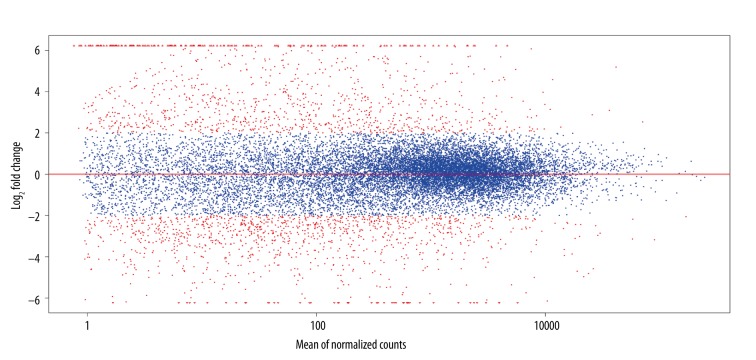
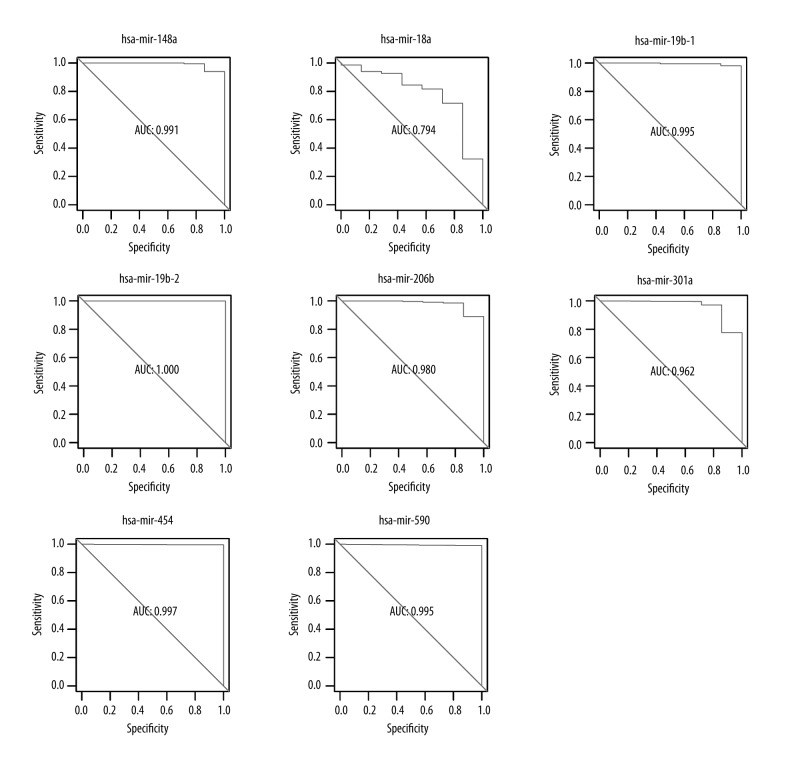
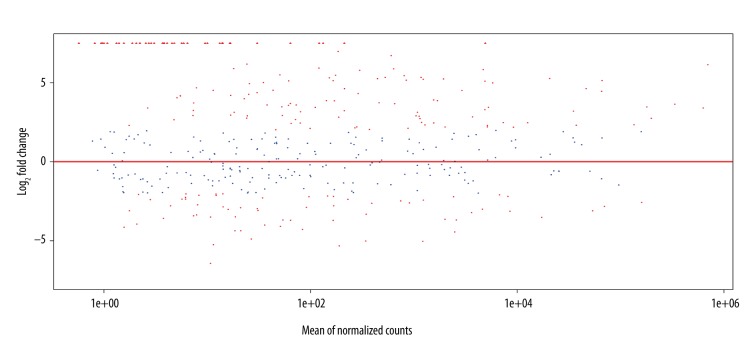
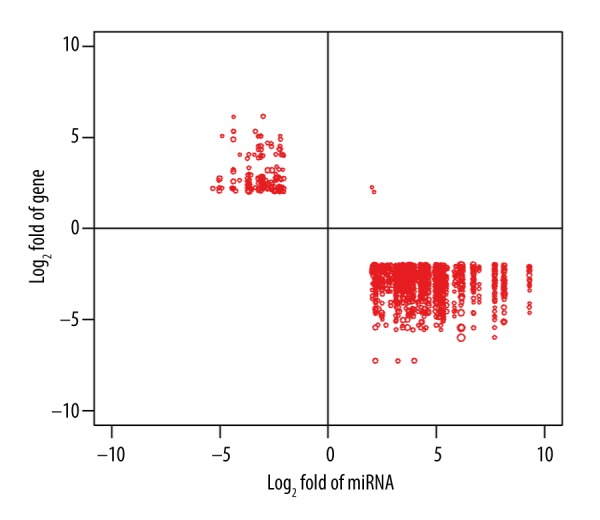
BACKGROUND Colon adenocarcinoma mostly happens at the junction of the rectum and is a common gastrointestinal malignancy. Accumulated evidence has indicated that colon adenocarcinoma develops by genetic alterations and is a complicated disease. The aim of this study was to screen differentially expressed miRNAs (DEMs) and genes with diagnostic and prognostic potentials in colon adenocarcinoma. MATERIAL AND METHODS In this study we screened DEMs and their target genes (DEGs) between 100 colon adenocarcinoma and normal samples in The Cancer Genome Atlas (TCGA) database by using the DEseq toolkit in Bioconductor. Then Go enrichment and KEGG pathway analysis were performed on the selected differential genes by use of the DAVID online tool. A regulation network of miRNA-gene was constructed and analyzed by Cytoscape. Finally, we performed ROC analysis of 8 miRNAs and ROC curves were drawn. RESULTS A total of 159 DEMs and 1921 DEGs were screened, and 1881 pairs of miRNA-target genes with significant negative correlations were also obtained. A regulatory network of miRNA-gene, including 60 cancer-related genes and 47 miRNAs, was successfully constructed. In addition, 5 clusters with several miRNAs regulating a set of target genes simultaneously were identified through cluster analysis. There were 8 miRNAs involved in these 5 clusters, and these miRNAs could serve as molecular biomarkers to distinguish colon adenocarcinoma and normal samples indicated by ROC analysis. CONCLUSIONS The identified 8 miRNAs were closely associated with colon adenocarcinoma, which may have great clinical value as diagnostic and prognostic biomarkers and provide new ideas for targeted therapy.
结肠腺癌多发生于直肠交界处,是一种常见的胃肠道恶性肿瘤。越来越多的证据表明,结肠腺癌是由基因改变发展而来的复杂疾病。本研究旨在筛选在结肠腺癌中具有诊断和预后潜力的差异表达微小RNA(DEM)和基因。
在本研究中,我们使用生物导体中的DEseq工具包,在癌症基因组图谱(TCGA)数据库中的100个结肠腺癌样本和正常样本之间筛选DEM及其靶基因(DEG)。然后利用DAVID在线工具对选定的差异基因进行基因本体(Go)富集分析和京都基因与基因组百科全书(KEGG)通路分析。通过Cytoscape构建并分析miRNA-基因调控网络。最后,我们对8个miRNA进行了ROC分析并绘制了ROC曲线。
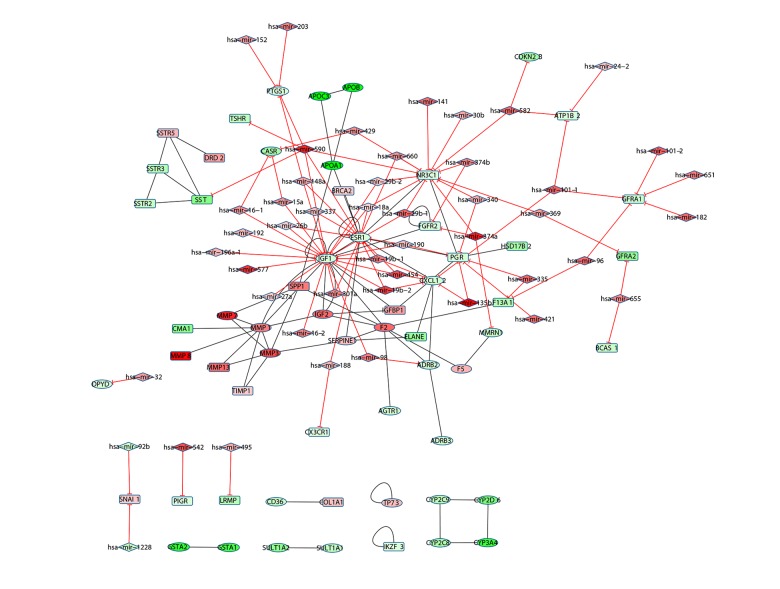
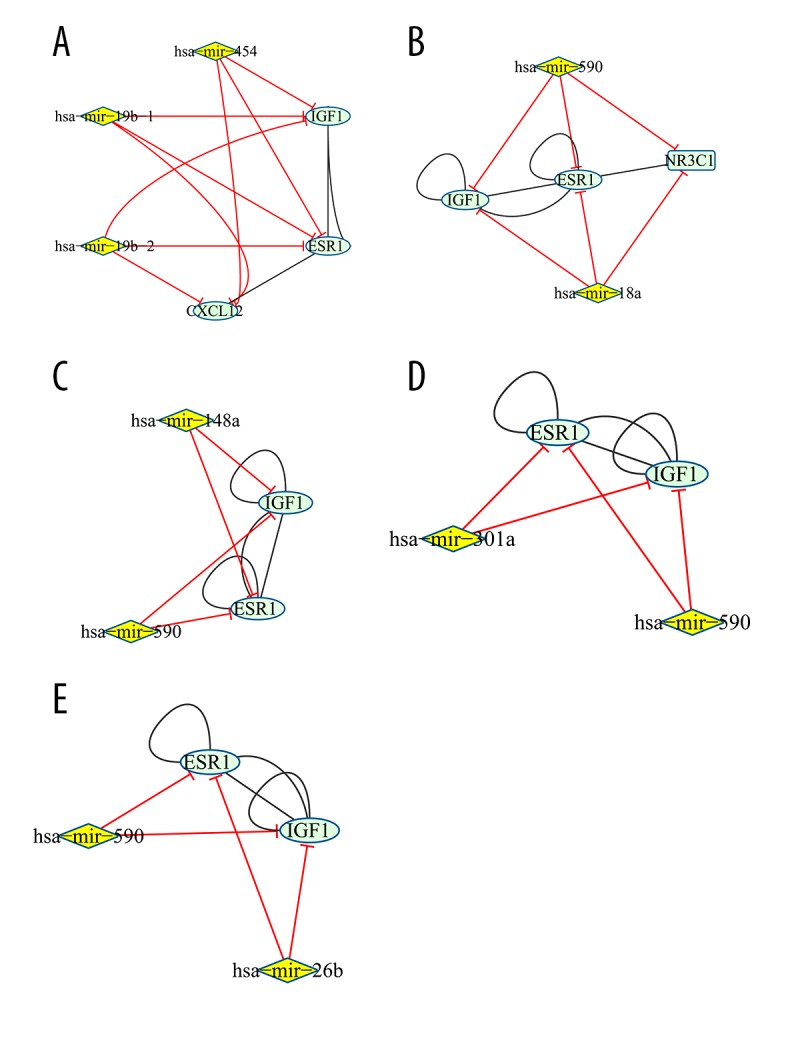
共筛选出159个DEM和1921个DEG,还获得了1881对具有显著负相关的miRNA-靶基因。成功构建了一个包含60个癌症相关基因和47个miRNA的miRNA-基因调控网络。此外,通过聚类分析鉴定出5个簇,其中几个miRNA同时调控一组靶基因。这5个簇中有8个miRNA,ROC分析表明这些miRNA可作为区分结肠腺癌和正常样本的分子生物标志物。
所鉴定的8个miRNA与结肠腺癌密切相关,可能作为诊断和预后生物标志物具有重要临床价值,并为靶向治疗提供新思路。