Zhou Jiahui, Zhang Xiangning, Liu Shuming, Wang Ziyou, Chen Qicong, Wu Yongfu, He Zhiwei, Huang Zunnan
China-America Cancer Research Institute, Dongguan Scientific Research Center, Guangdong Medical University, Dongguan, Guangdong, China.
Key Laboratory for Medical Molecular Diagnostics of Guangdong Province, Dongguan, Guangdong, China.
Influenza Other Respir Viruses. 2016 May;10(3):224-33. doi: 10.1111/irv.12378. Epub 2016 Mar 7.
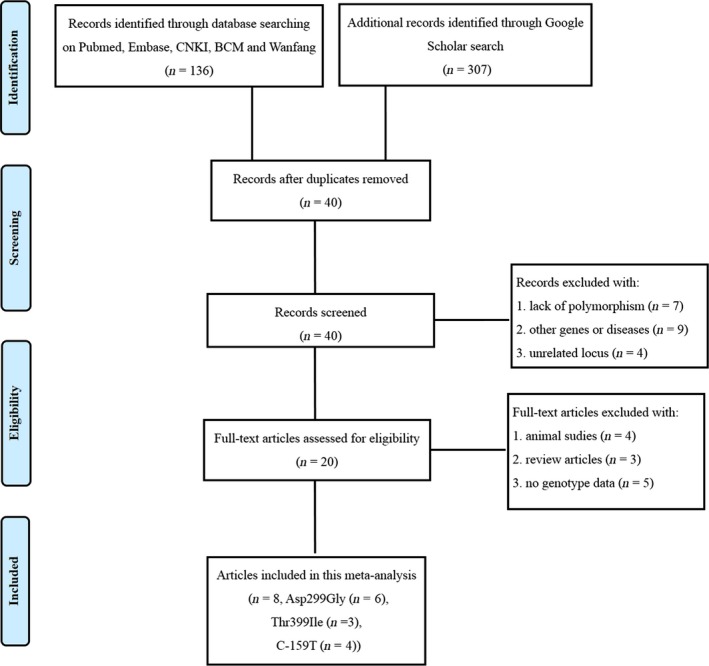
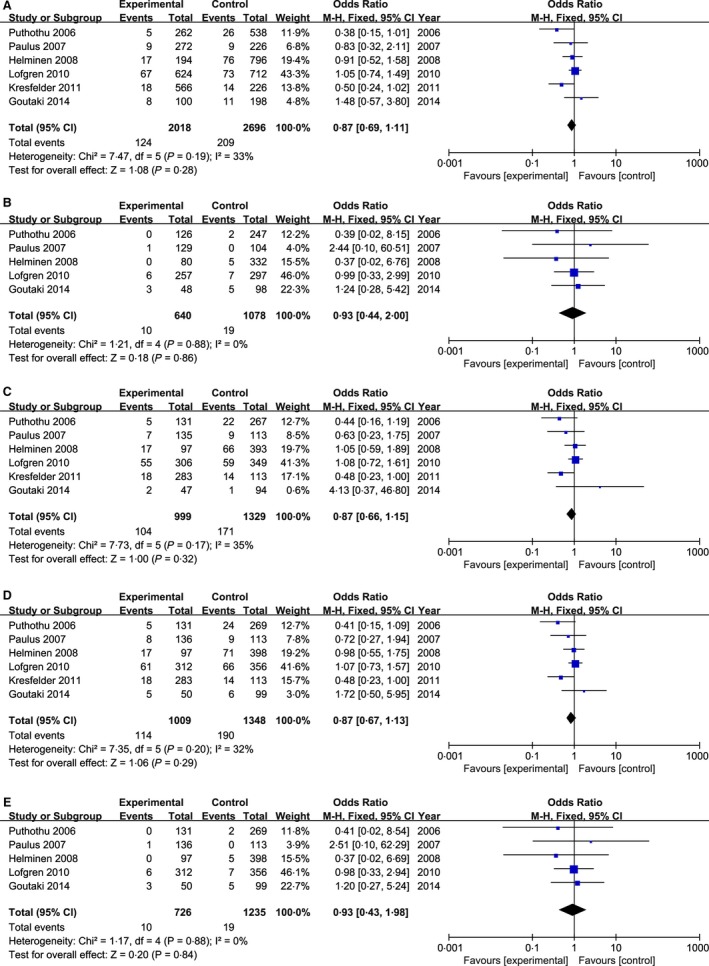
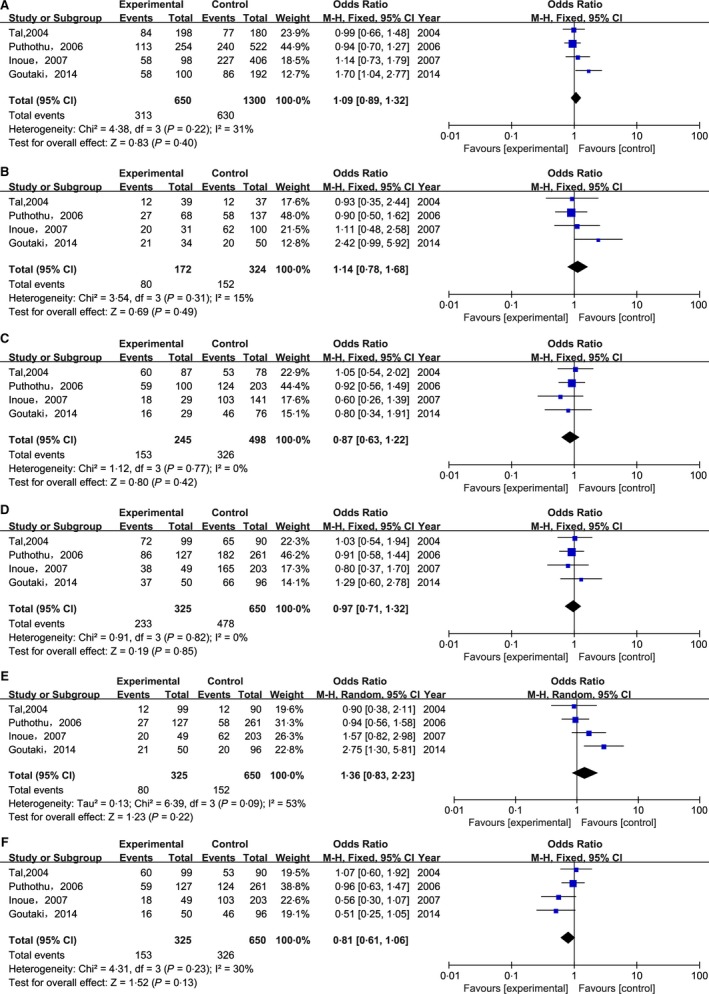
Respiratory syncytial virus (RSV) is the most frequent cause of hospitalization in infants worldwide. It is recognized by Toll-like receptor 4 (TLR 4) and cluster of differentiation 14 (CD14) in the innate immune response. Previous case-control studies reported the influence of TLR4 Asp299Gly, TLR4 Thr399Ile, and CD14 C-159T polymorphisms on the risk of severe RSV infection. However, a decisive conclusion has not been achieved. Therefore, we performed this meta-analysis to examine the association between these three polymorphisms and the development of RSV bronchiolitis. A systematic literature search was performed using the PubMed, EMbase, Google Scholar Search, China National Knowledge Infrastructure, China Biological Medicine, and Wanfang Databases. The data were extracted and pooled odds ratios with 95% confidence intervals were calculated under six genetic models. A total of six studies with 1009 cases and 1348 controls, three studies with 473 cases and 481 controls, or four studies with 325 cases and 650 controls relating to each of the three polymorphisms were included in this meta-analysis. The analyzed data indicated that all of these polymorphisms were not associated with the risk of severe RSV infection. This is the first meta-analysis to investigate the relationship of TLR4 Asp299Gly, TLR4 Thr399Ile, and CD14 C-159T polymorphisms with the risk of severe RSV infection. Although the results of this retrospective analysis indicated a lack of the association, more extensive multicentric studies with large sample sizes are necessary to provide a more reliable estimation of the association between these three polymorphisms and RSV bronchiolitis susceptibility.
呼吸道合胞病毒(RSV)是全球范围内婴儿住院最常见的原因。在先天免疫反应中,它可被Toll样受体4(TLR 4)和分化簇14(CD14)识别。先前的病例对照研究报道了TLR4 Asp299Gly、TLR4 Thr399Ile和CD14 C-159T基因多态性对严重RSV感染风险的影响。然而,尚未得出决定性结论。因此,我们进行了这项荟萃分析,以研究这三种基因多态性与RSV细支气管炎发生之间的关联。使用PubMed、EMbase、谷歌学术搜索、中国知网、中国生物医学数据库和万方数据库进行了系统的文献检索。提取数据并在六种遗传模型下计算合并优势比及95%置信区间。本荟萃分析纳入了分别与这三种基因多态性相关的共六项研究(1009例病例和1348例对照)、三项研究(473例病例和481例对照)或四项研究(325例病例和650例对照)。分析数据表明,所有这些基因多态性均与严重RSV感染风险无关。这是第一项研究TLR4 Asp299Gly、TLR4 Thr399Ile和CD14 C-159T基因多态性与严重RSV感染风险关系的荟萃分析。尽管这项回顾性分析的结果表明缺乏相关性,但仍需要更广泛的大样本多中心研究,以更可靠地估计这三种基因多态性与RSV细支气管炎易感性之间的关联。