Kushwah Neetu, Jain Vishal, Deep Satayanarayan, Prasad Dipti, Singh Shashi Bala, Khan Nilofar
Neurobiology Division, Defence Institute of Physiology & Allied Sciences, DRDO, Lucknow Road, Timarpur, Delhi-110054, India.
PLoS One. 2016 Feb 22;11(2):e0149309. doi: 10.1371/journal.pone.0149309. eCollection 2016.
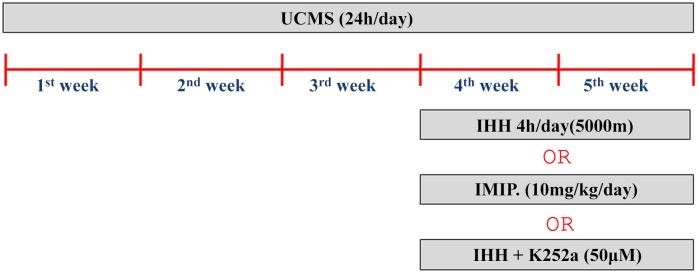
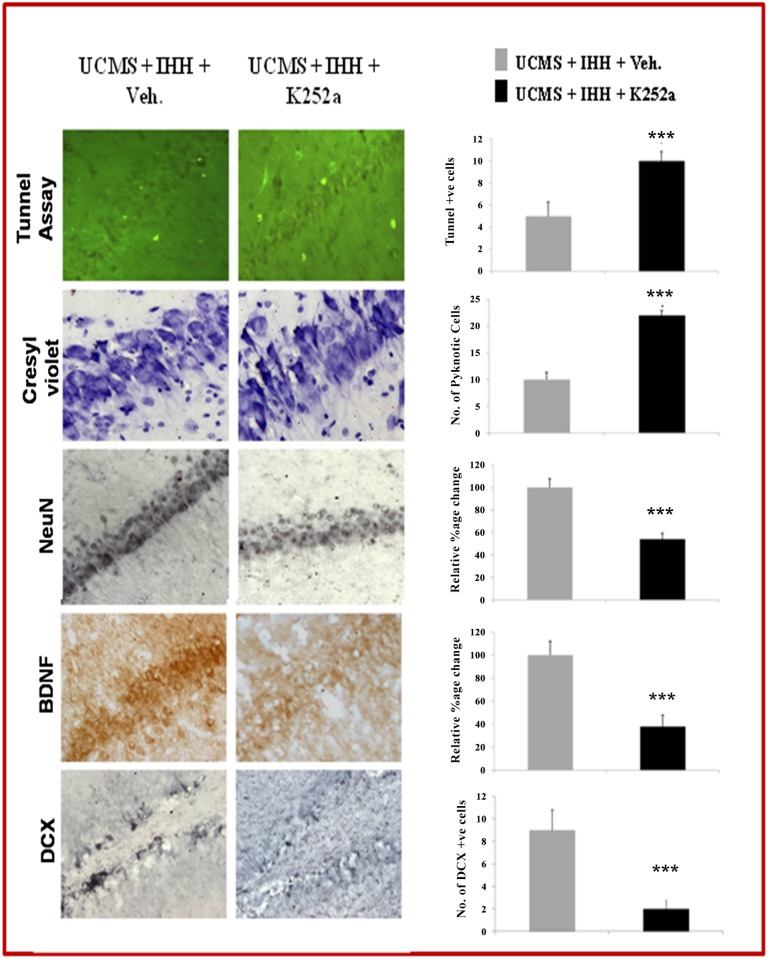
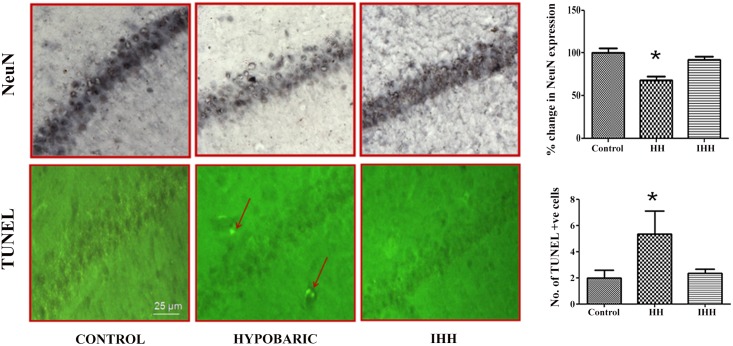
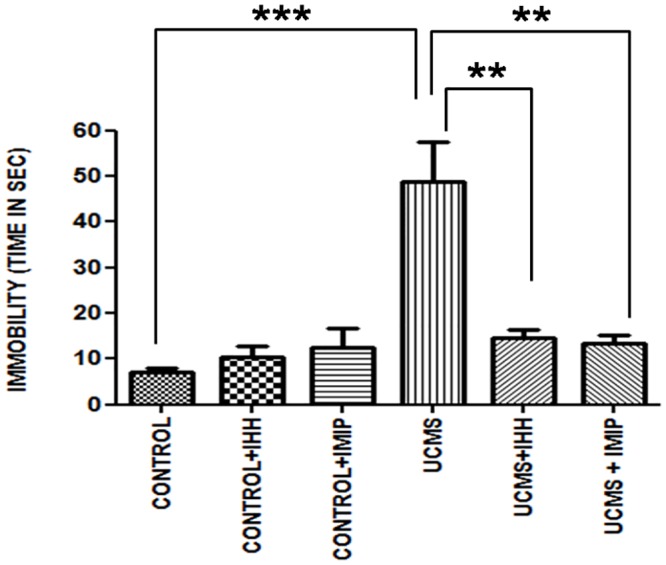
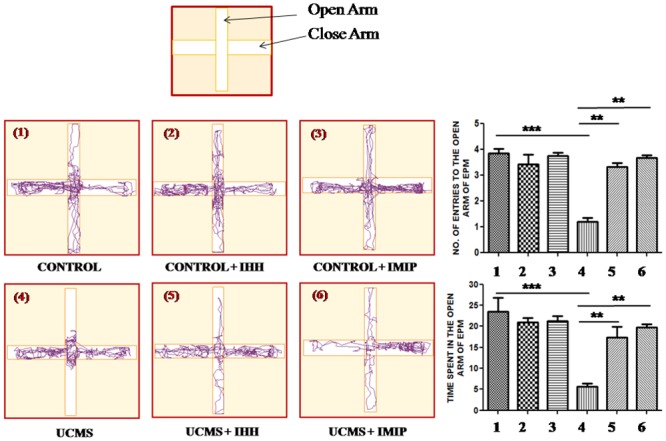
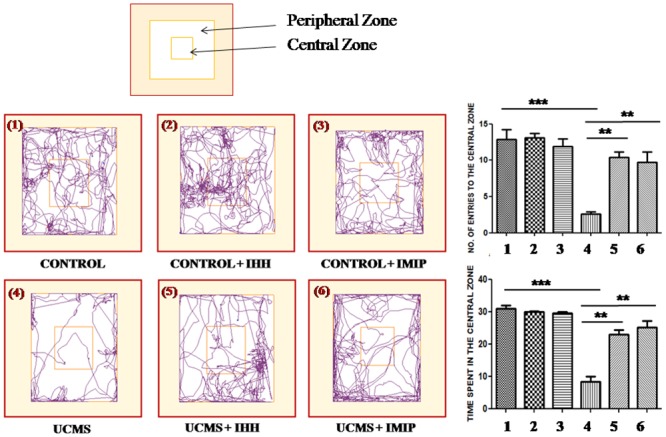
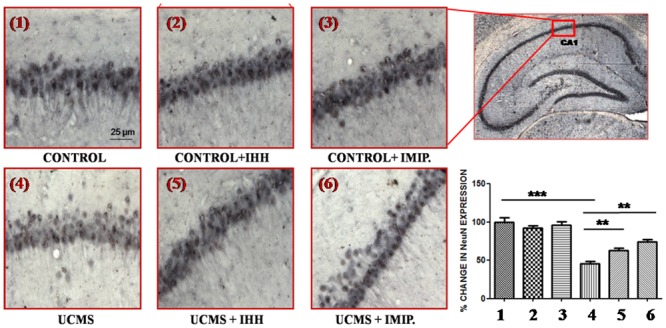
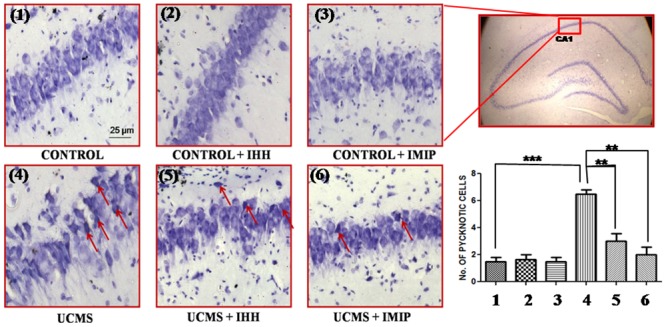
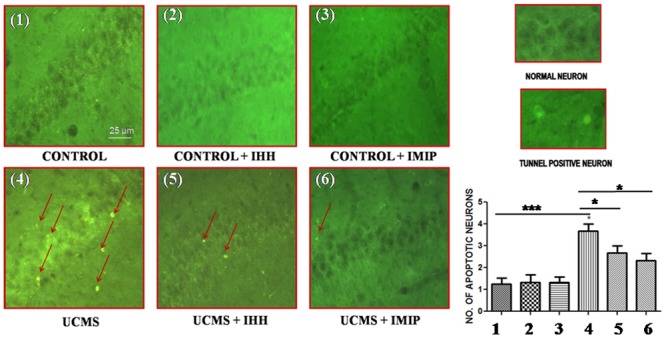
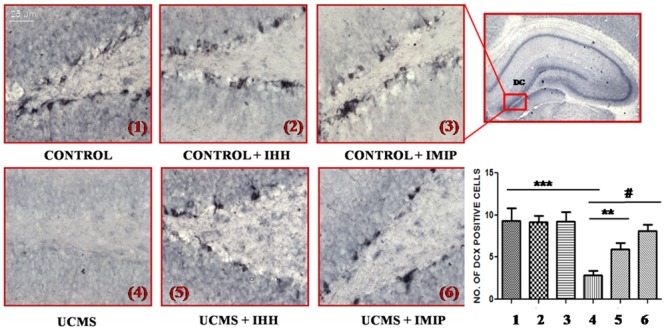
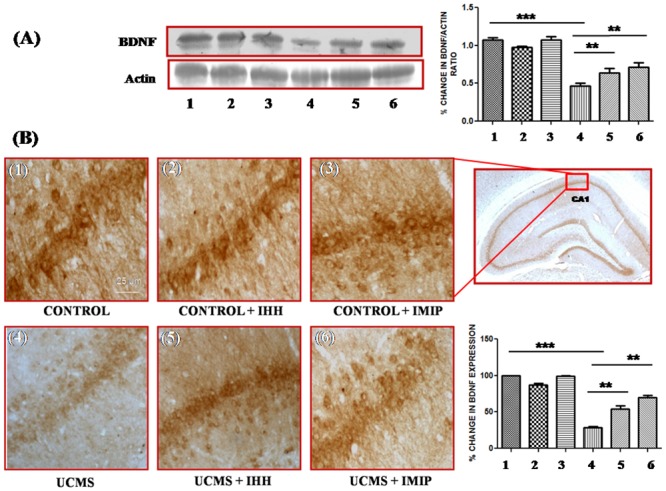
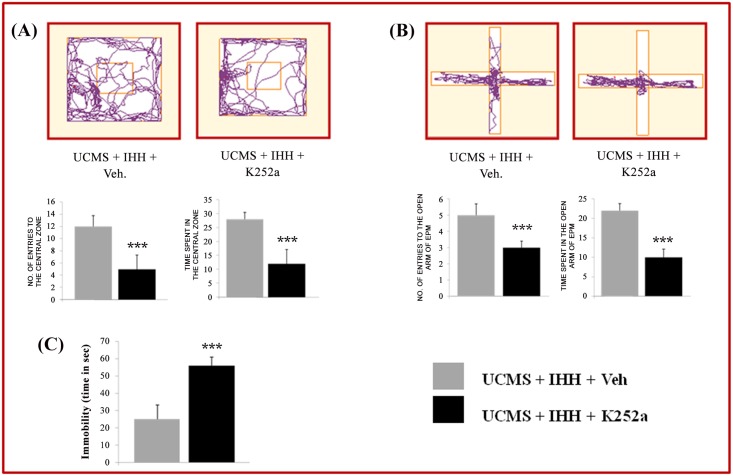
Hypoxic exposure results in several pathophysiological conditions associated with nervous system, these include acute and chronic mountain sickness, loss of memory, and high altitude cerebral edema. Previous reports have also suggested the role of hypoxia in pathogenesis of depression and related psychological conditions. On the other hand, sub lethal intermittent hypoxic exposure induces protection against future lethal hypoxia and may have beneficial effect. Therefore, the present study was designed to explore the neuroprotective role of intermittent hypobaric hypoxia (IHH) in Unpredictable Chronic Mild Stress (UCMS) induced depression like behaviour in rats. The IHH refers to the periodic exposures to hypoxic conditions interrupted by the normoxic or lesser hypoxic conditions. The current study examines the effect of IHH against UCMS induced depression, using elevated plus maze (EPM), open field test (OFT), force swim test (FST), as behavioural paradigm and related histological and molecular approaches. The data indicated the UCMS induced depression like behaviour as evident from decreased exploration activity in OFT with increased anxiety levels in EPM, and increased immobility time in the FST; whereas on providing the IHH (5000m altitude, 4hrs/day for two weeks) these behavioural changes were ameliorated. The morphological and molecular studies also validated the neuroprotective effect of IHH against UCMS induced neuronal loss and decreased neurogenesis. Here, we also explored the role of Brain-Derived Neurotrophic Factor (BDNF) in anticipatory action of IHH against detrimental effect of UCMS as upon blocking of BDNF-TrkB signalling the beneficial effect of IHH was nullified. Taken together, the findings of our study demonstrate that the intermittent hypoxia has a therapeutic potential similar to an antidepressant in animal model of depression and could be developed as a preventive therapeutic option against this pathophysiological state.
缺氧暴露会导致与神经系统相关的几种病理生理状况,这些状况包括急性和慢性高原病、记忆力丧失以及高原脑水肿。先前的报告也表明缺氧在抑郁症及相关心理疾病的发病机制中所起的作用。另一方面,亚致死性间歇性缺氧暴露可诱导对未来致死性缺氧的保护作用,且可能具有有益效果。因此,本研究旨在探讨间歇性低压缺氧(IHH)对不可预测的慢性轻度应激(UCMS)诱导的大鼠抑郁样行为的神经保护作用。IHH是指周期性暴露于缺氧条件,并被常氧或低氧条件中断。本研究使用高架十字迷宫(EPM)、旷场试验(OFT)、强迫游泳试验(FST)作为行为范式以及相关的组织学和分子方法,来研究IHH对UCMS诱导的抑郁的影响。数据表明,UCMS诱导了抑郁样行为,这从OFT中探索活动减少、EPM中焦虑水平增加以及FST中不动时间增加可以明显看出;而给予IHH(海拔5000米,每天4小时,持续两周)后,这些行为变化得到了改善。形态学和分子研究也证实了IHH对UCMS诱导的神经元丢失和神经发生减少具有神经保护作用。在此,我们还探讨了脑源性神经营养因子(BDNF)在IHH对UCMS有害作用的预期作用中的作用,因为阻断BDNF-TrkB信号传导后,IHH的有益作用就消失了。综上所述,我们的研究结果表明,间歇性缺氧在抑郁症动物模型中具有与抗抑郁药相似的治疗潜力,并且可以开发成为针对这种病理生理状态的预防性治疗选择。