Khalil Maha A, El-Sheekh Mostafa M, El-Adawi Hala I, El-Deeb Nehal M, Hussein Mohamed Z
Department of Botany, Faculty of Science, Tanta University, Tanta, Egypt; Department of Biology, Faculty of Science, Taif University, Taif, KSA.
Department of Botany, Faculty of Science, Tanta University, Tanta, Egypt.
J Res Med Sci. 2015 Oct;20(10):950-7. doi: 10.4103/1735-1995.172782.
Probiotic delivery systems are widely used nutraceutical products for the supplementation of natural intestinal flora. These delivery systems vary greatly in the effectiveness to exert health benefits for a patient. This study focuses on providing probiotic living cells with a physical barrier against adverse environmental conditions.
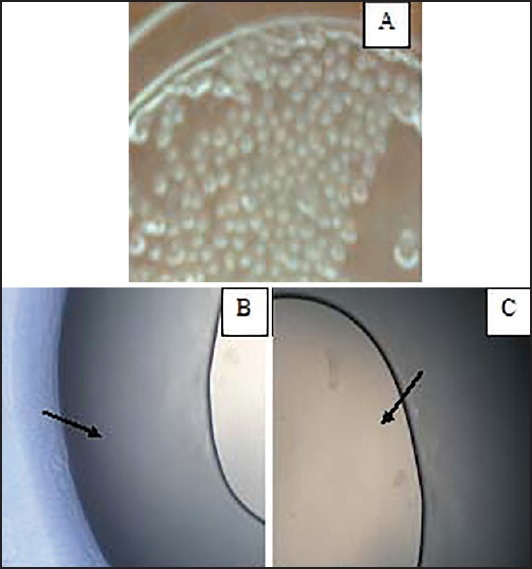
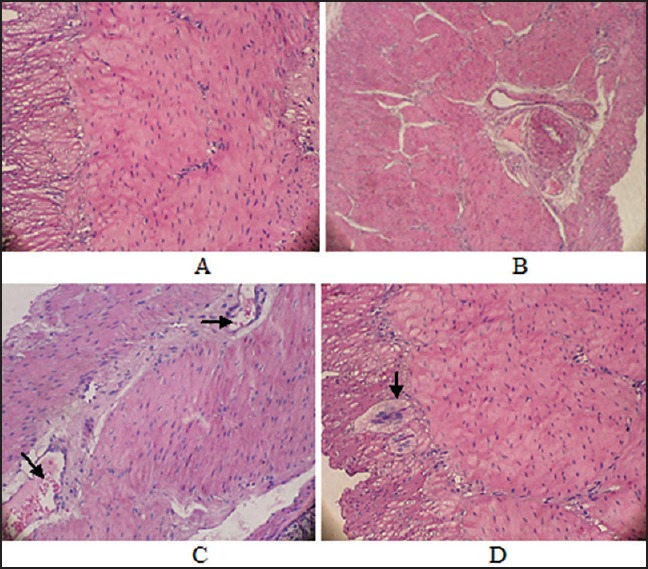
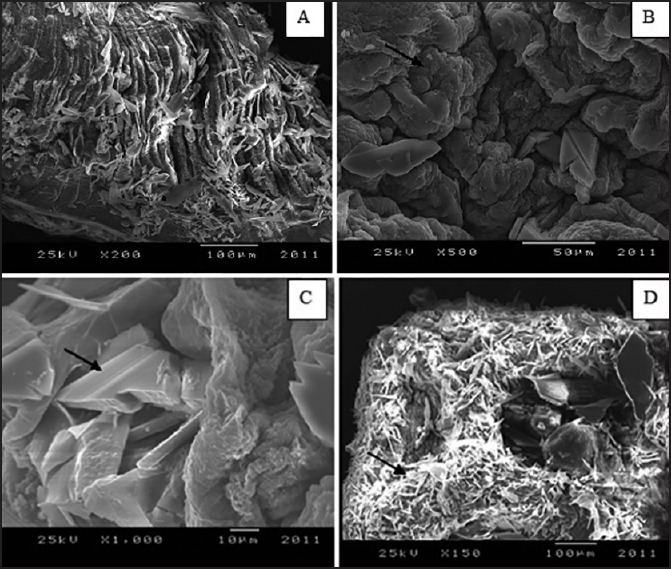
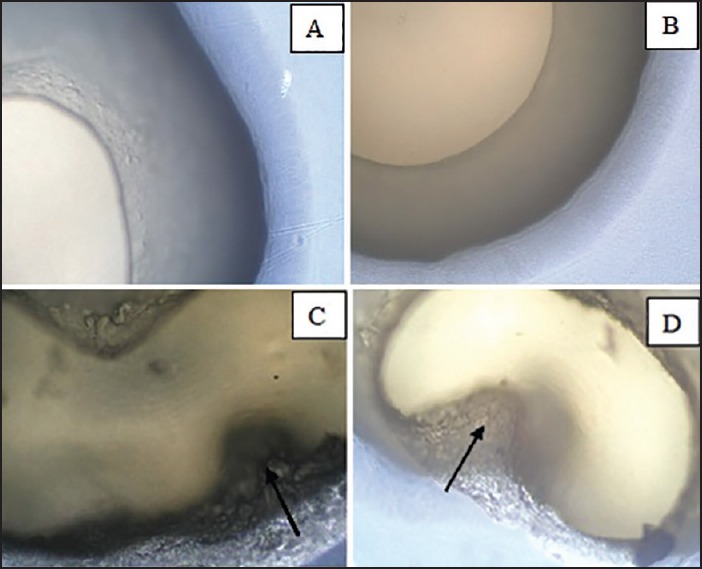
Microencapsulation of the selected lactic acid bacteria (LAB) using chitosan and alginate was performed. Physical examination of the formulated LAB microcapsules was observed using phase contrast inverted microscope and scanning electron microscope (SEM). Finally, the survival of microencapsulated and noncapsulated bacteria was cheeked in the simulated human gastric tract (GT). The potential antimicrobial activity of the most potent microencapsulated LAB strain was in vivo evaluated in rabbit models.
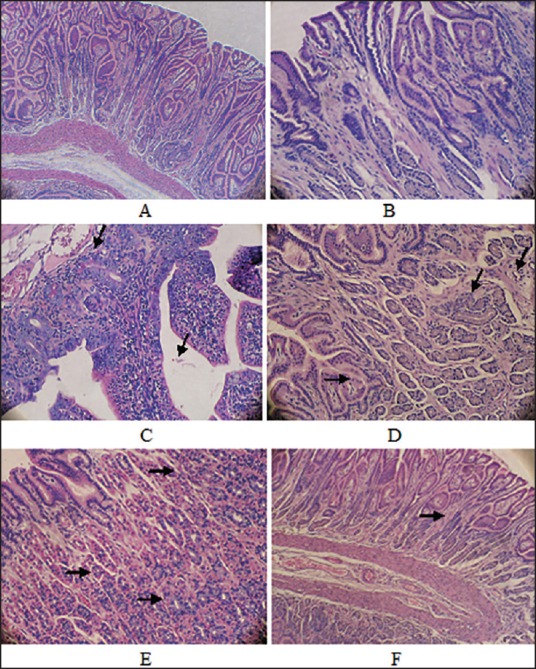
Microencapsulated L. plantarum, L. acidophilus, and L. bulgaricus DSMZ 20080 were loaded with 1.03 × 10(10) CFU viable bacteria/g, 1.9 × 10(10) CFU viable bacteria/g, and 5.5 × 10(9) CFU viable bacteria/g, respectively. The survival of microencapsulated cells was significantly higher than that of the free cells after exposure to simulated gastric juice (SGJ) at pH 2. Additionally, in simulated small intestine juice (SSJ), larger amounts of the selected LAB cells were found, whereas in simulated colon juice (SCJ), the released LAB reached the maximum counts. In vivo results pointed out that an 8-week supplementation with a triple therapy of a microencapsulated L. plantarum, L. acidophilus, and L. bulgaricus DSMZ 20080 might be able to reduce H. pylori.
Microencapsulated probiotics could possibly compete with and downregulate H. pylori infection in humans.
益生菌递送系统是广泛用于补充天然肠道菌群的营养保健品。这些递送系统在为患者发挥健康益处的有效性方面差异很大。本研究的重点是为益生菌活细胞提供抵御不利环境条件的物理屏障。
使用壳聚糖和海藻酸盐对选定的乳酸菌(LAB)进行微囊化。使用相差倒置显微镜和扫描电子显微镜(SEM)对配制的LAB微胶囊进行物理检查。最后,在模拟人体胃肠道(GT)中检查微囊化和未微囊化细菌的存活率。在兔模型中对最有效的微囊化LAB菌株的潜在抗菌活性进行体内评估。
微囊化的植物乳杆菌、嗜酸乳杆菌和德氏保加利亚乳杆菌DSMZ 20080分别负载有1.03×10¹⁰CFU活细菌/克、1.9×10¹⁰CFU活细菌/克和5.5×10⁹CFU活细菌/克。在pH 2的模拟胃液(SGJ)中暴露后,微囊化细胞的存活率显著高于游离细胞。此外,在模拟小肠液(SSJ)中发现了更多选定的LAB细胞,而在模拟结肠液(SCJ)中,释放的LAB达到最大数量。体内结果表明,用微囊化的植物乳杆菌、嗜酸乳杆菌和德氏保加利亚乳杆菌DSMZ 20080进行三联疗法补充8周可能能够减少幽门螺杆菌。
微囊化益生菌可能能够在人体内与幽门螺杆菌竞争并下调其感染。