Martínez-Márquez Ascensión, Morante-Carriel Jaime A, Ramírez-Estrada Karla, Cusidó Rosa M, Palazon Javier, Bru-Martínez Roque
Plant Proteomics and Functional Genomics Group, Department of Agrochemistry and Biochemistry, Faculty of Science, University of Alicante, Alicante, Spain.
Biotechnology and Molecular Biology Group, Quevedo State Technical University, Quevedo, Ecuador.
Plant Biotechnol J. 2016 Sep;14(9):1813-25. doi: 10.1111/pbi.12539. Epub 2016 Mar 7.
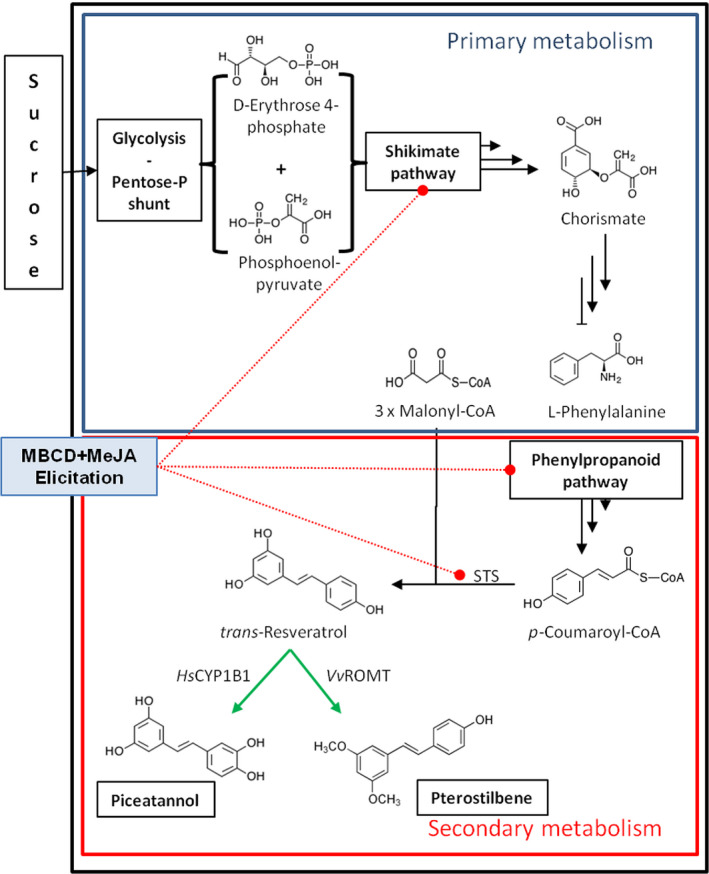
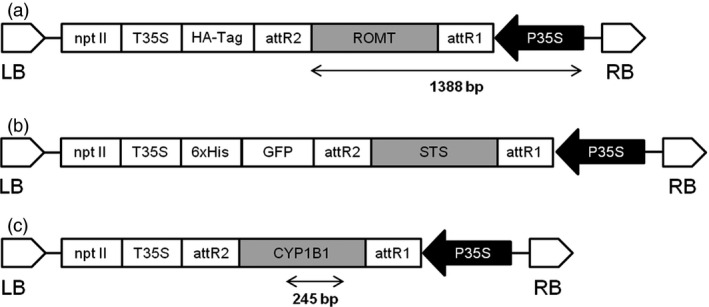
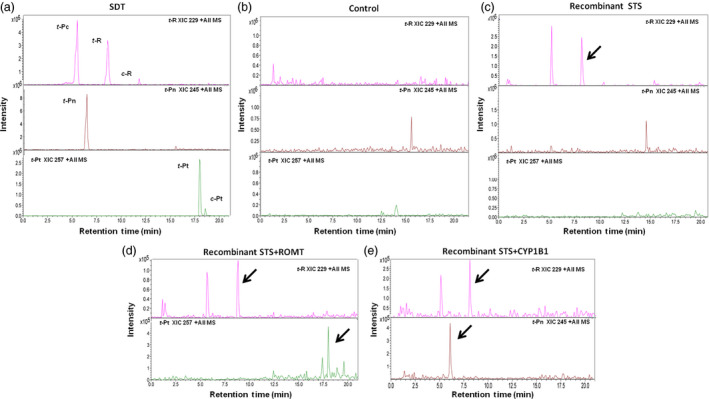
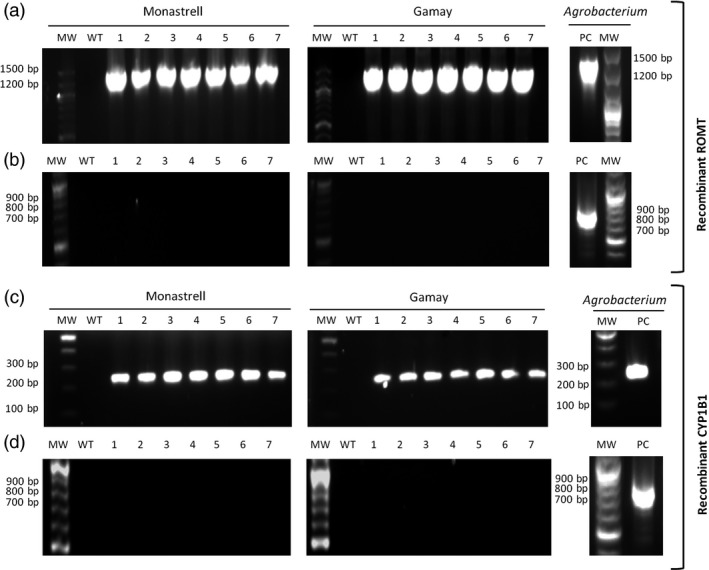
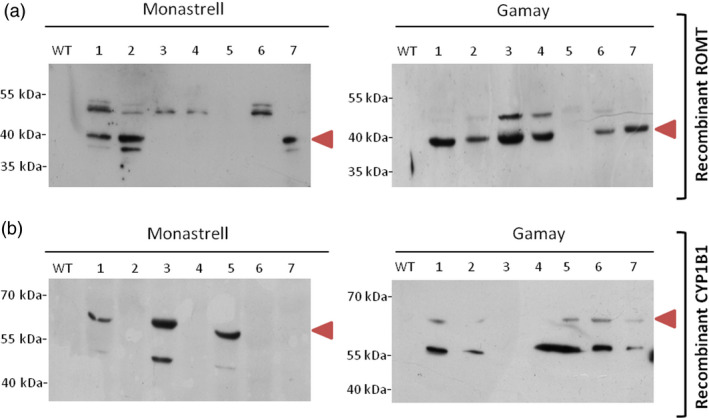
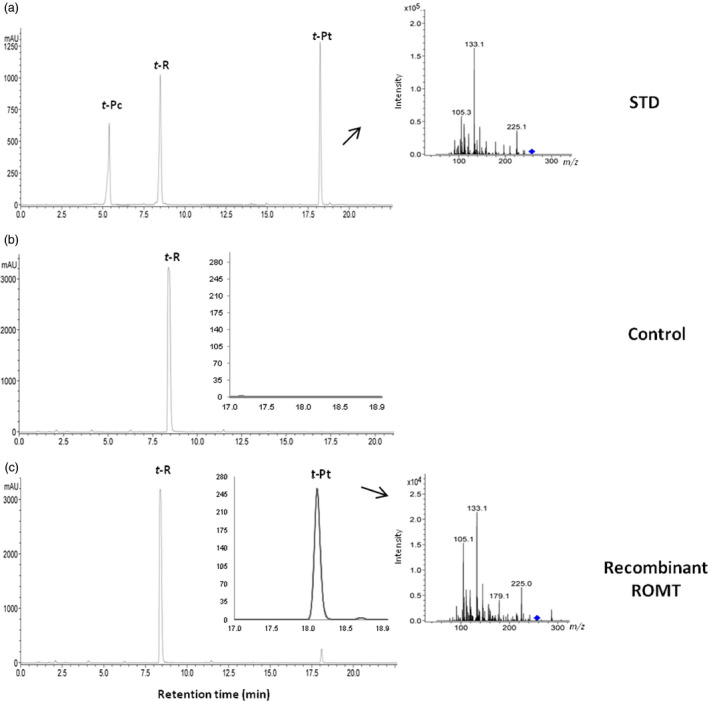
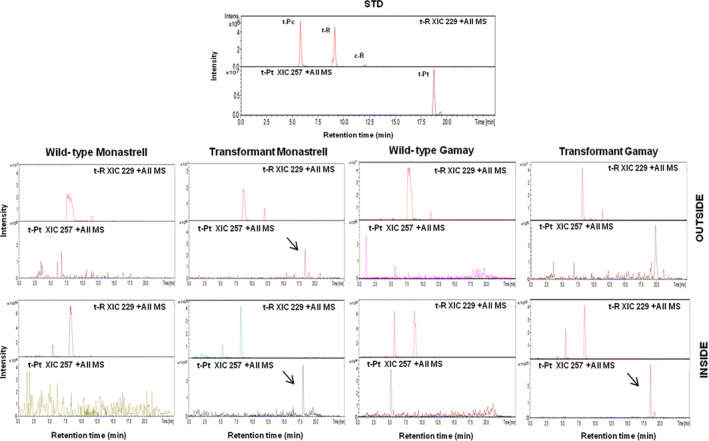
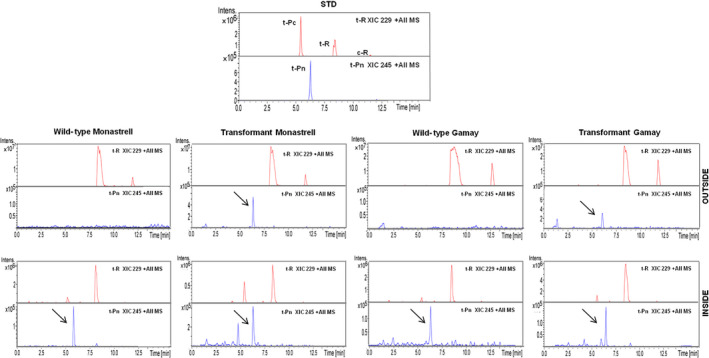
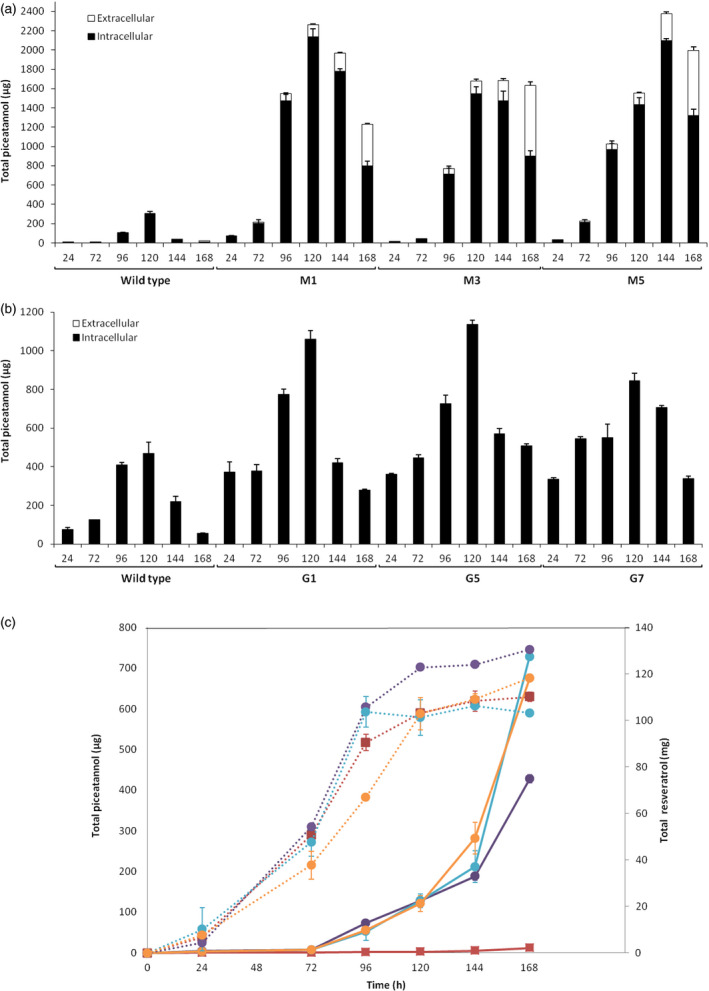
Grapevine stilbenes, particularly trans-resveratrol, have a demonstrated pharmacological activity. Other natural stilbenes derived from resveratrol such as pterostilbene or piceatannol, display higher oral bioavailability and bioactivity than the parent compound, but are far less abundant in natural sources. Thus, to efficiently obtain these bioactive resveratrol derivatives, there is a need to develop new bioproduction systems. Grapevine cell cultures are able to produce large amounts of easily recoverable extracellular resveratrol when elicited with methylated cyclodextrins and methyl jasmonate. We devised this system as an interesting starting point of a metabolic engineering-based strategy to produce resveratrol derivatives using resveratrol-converting enzymes. Constitutive expression of either Vitis vinifera resveratrol O-methyltransferase (VvROMT) or human cytochrome P450 hydroxylase 1B1 (HsCYP1B1) led to pterostilbene or piceatannol, respectively, after the engineered cell cultures were treated with the aforementioned elicitors. Functionality of both gene products was first assessed in planta by Nicotiana benthamiana agroinfiltration assays, in which tobacco cells transiently expressed stilbene synthase and VvROMT or HsCYP1B1. Grapevine cell cultures transformed with VvROMT produced pterostilbene, which was detected in both intra- and extracellular compartments, at a level of micrograms per litre. Grapevine cell cultures transformed with HsCYP1B1 produced about 20 mg/L culture of piceatannol, displaying a sevenfold increase in relation to wild-type cultures, and reaching an extracellular distribution of up to 45% of total production. The results obtained demonstrate the feasibility of this novel system for the bioproduction of natural and more bioactive resveratrol derivatives and suggest new ways for the improvement of production yields.
葡萄中的芪类化合物,尤其是反式白藜芦醇,具有已被证实的药理活性。其他源自白藜芦醇的天然芪类化合物,如紫檀芪或白皮杉醇,比母体化合物表现出更高的口服生物利用度和生物活性,但在天然来源中含量要少得多。因此,为了有效地获得这些具有生物活性的白藜芦醇衍生物,需要开发新的生物生产系统。当用甲基化环糊精和茉莉酸甲酯诱导时,葡萄细胞培养物能够产生大量易于回收的细胞外白藜芦醇。我们设计了这个系统,作为基于代谢工程策略使用白藜芦醇转化酶生产白藜芦醇衍生物的一个有趣起点。在用上述诱导剂处理工程细胞培养物后,组成型表达葡萄(Vitis vinifera)白藜芦醇O-甲基转移酶(VvROMT)或人细胞色素P450羟化酶1B1(HsCYP1B1)分别产生了紫檀芪或白皮杉醇。首先通过本氏烟草农杆菌浸润试验在植物中评估这两种基因产物的功能,在该试验中烟草细胞瞬时表达芪合酶和VvROMT或HsCYP1B1。用VvROMT转化的葡萄细胞培养物产生了紫檀芪,在细胞内和细胞外部分均有检测到,含量为每升微克级。用HsCYP1B1转化葡萄细胞培养物产生了约20mg/L培养物的白皮杉醇,与野生型培养物相比增加了7倍,细胞外分布达到总产量的45%。所获得的结果证明了这个新系统用于生物生产天然且生物活性更高的白藜芦醇衍生物的可行性,并为提高产量提出了新方法。