Howatt Deborah A, Balakrishnan Anju, Moorleghen Jessica J, Muniappan Latha, Rateri Debra L, Uchida Haruhito A, Takano Jiro, Saido Takaomi C, Chishti Athar H, Baud Laurent, Subramanian Venkateswaran
From the Saha Cardiovascular Research Center (D.A.H., A.B., J.J.M., L.M., D.L.R.), and Department of Physiology (V.S.), University of Kentucky, Lexington; Department of Chronic Kidney Disease and Cardiovascular Disease, Okayama University School of Medicine, Dentistry and Pharmaceutical Sciences, Okayama, Japan (H.A.U.); Laboratory for Proteolytic Neuroscience, RIKEN Brain Science Institute, Saitama, Japan (J.T., T.C.S.); Department of Developmental, Molecular, and Chemical Biology, Tufts University School of Medicine, Boston, MA (A.H.C.); and INSERM, Université Pierre et Marie Curie-Paris, Paris, France (L.B.).
Arterioscler Thromb Vasc Biol. 2016 May;36(5):835-45. doi: 10.1161/ATVBAHA.116.307285. Epub 2016 Mar 10.
Angiotensin II (AngII) infusion profoundly increases activity of calpains, calcium-dependent neutral cysteine proteases, in mice. Pharmacological inhibition of calpains attenuates AngII-induced aortic medial macrophage accumulation, atherosclerosis, and abdominal aortic aneurysm in mice. However, the precise functional contribution of leukocyte-derived calpains in AngII-induced vascular pathologies has not been determined. The purpose of this study was to determine whether calpains expressed in bone marrow (BM)-derived cells contribute to AngII-induced atherosclerosis and aortic aneurysms in hypercholesterolemic mice.
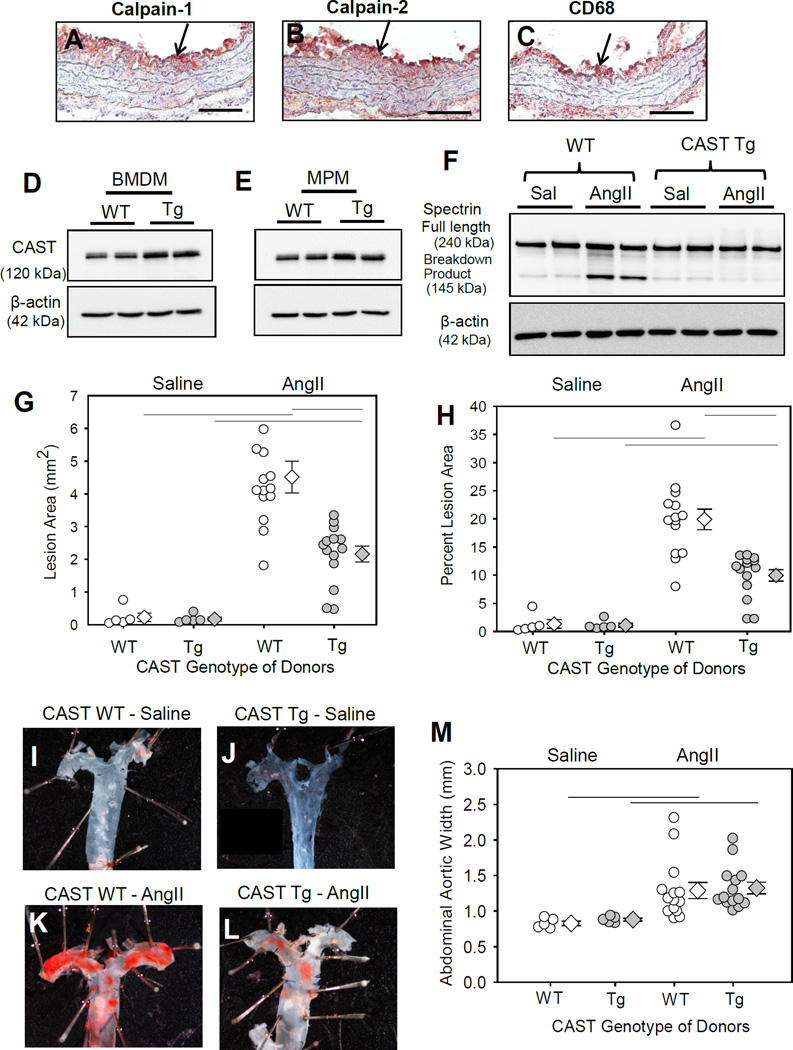
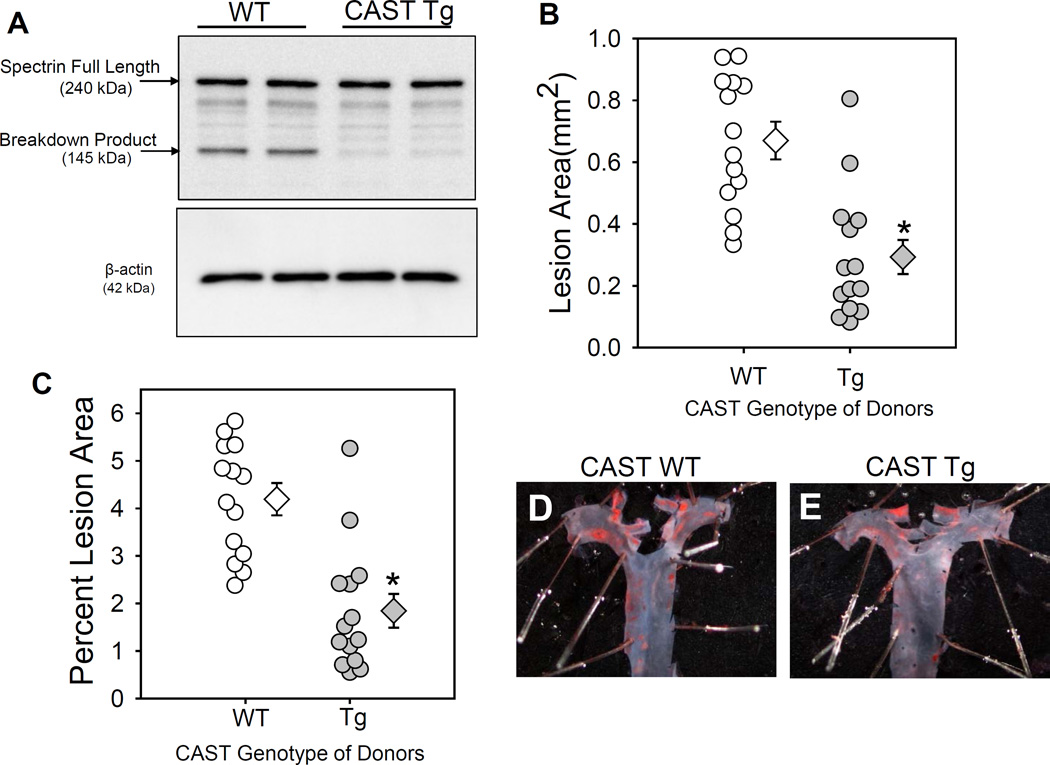
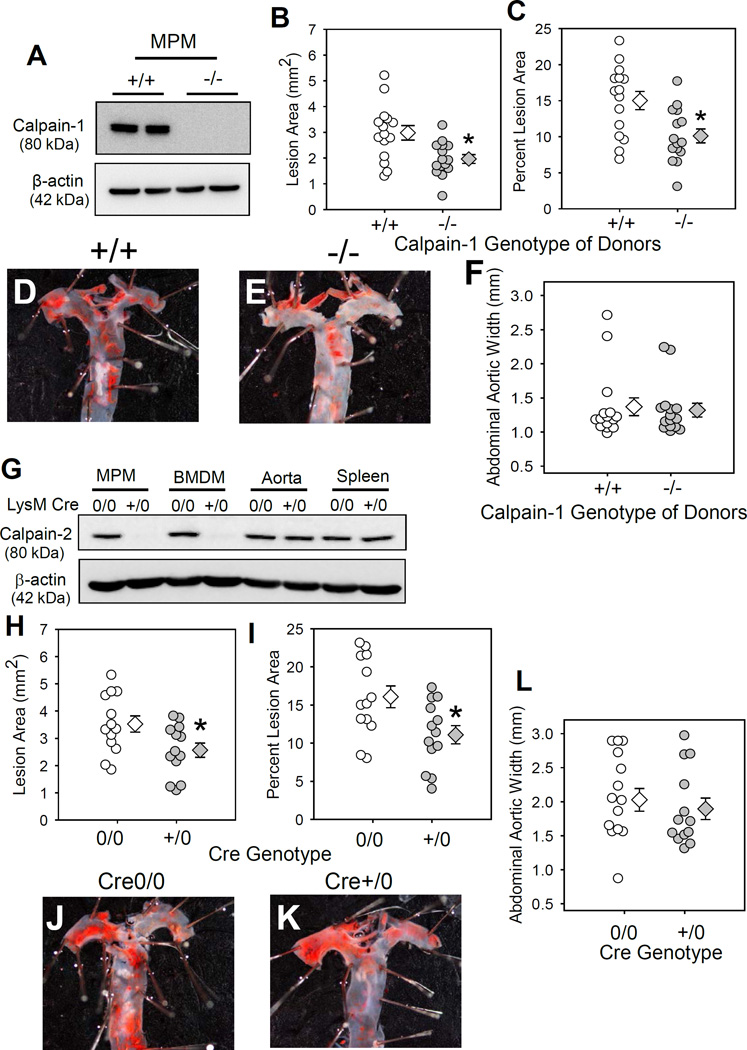
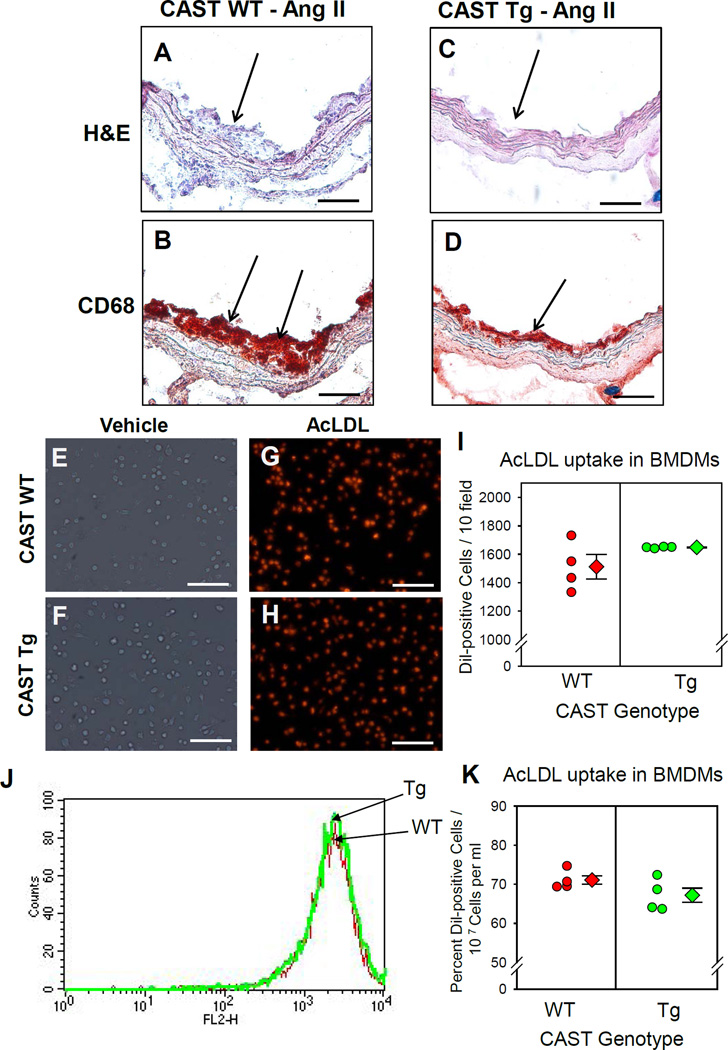
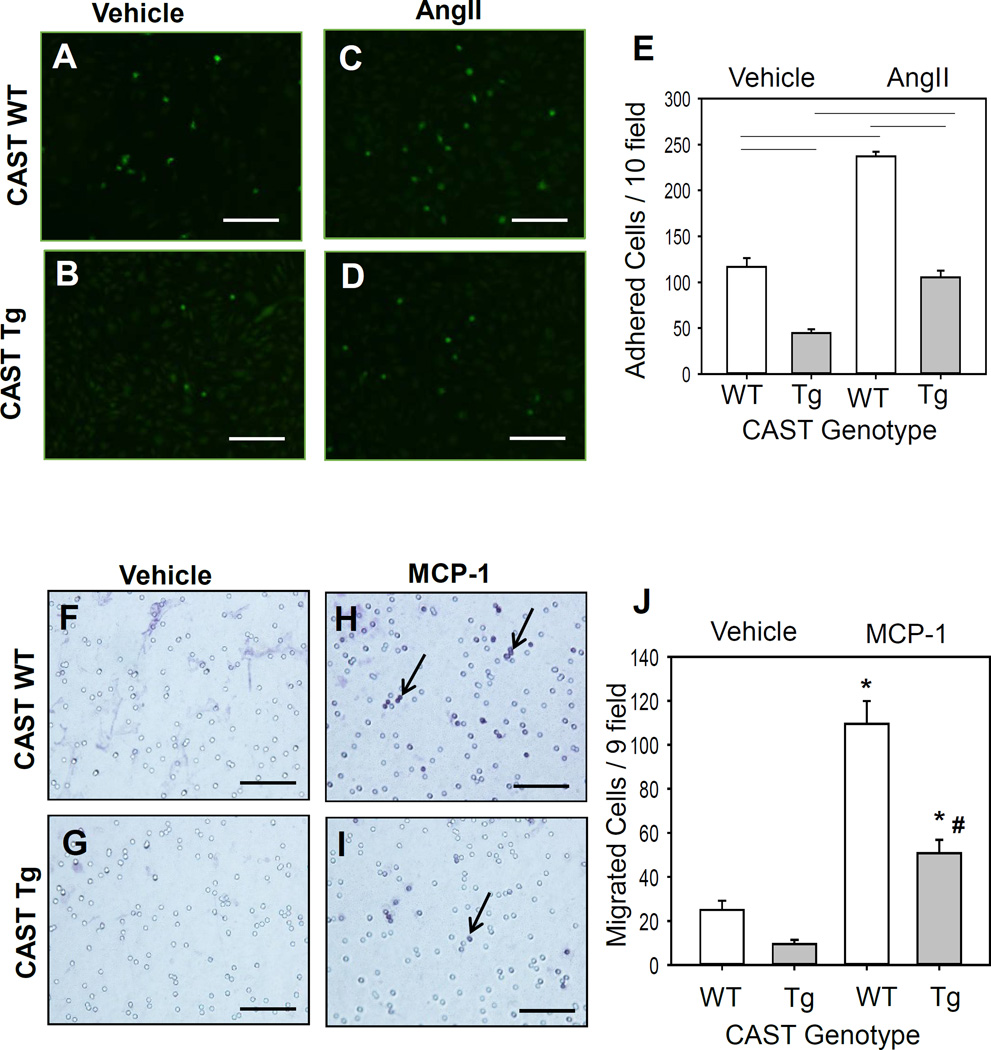
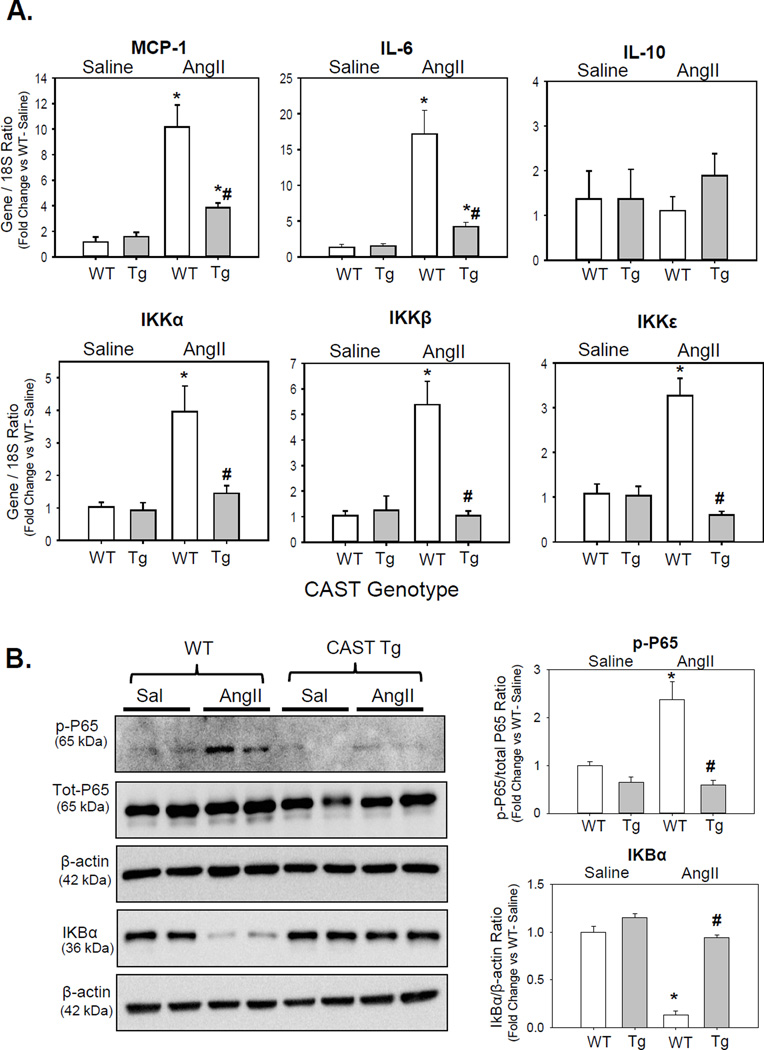
To study whether leukocyte calpains contributed to AngII-induced aortic pathologies, irradiated male low-density lipoprotein receptor(-/-) mice were repopulated with BM-derived cells that were either wild-type or overexpressed calpastatin, the endogenous inhibitor of calpains. Mice were fed a fat-enriched diet and infused with AngII (1000 ng/kg per minute) for 4 weeks. Overexpression of calpastatin in BM-derived cells significantly attenuated AngII-induced atherosclerotic lesion formation in aortic arches, but had no effect on aneurysm formation. Using either BM-derived cells from calpain-1-deficient mice or mice with leukocyte-specific calpain-2 deficiency generated using cre-loxP recombination technology, further studies demonstrated that independent deficiency of either calpain-1 or -2 in leukocytes modestly attenuated AngII-induced atherosclerosis. Calpastatin overexpression significantly attenuated AngII-induced inflammatory responses in macrophages and spleen. Furthermore, calpain inhibition suppressed migration and adhesion of macrophages to endothelial cells in vitro. Calpain inhibition also significantly decreased hypercholesterolemia-induced atherosclerosis in the absence of AngII.
The present study demonstrates a pivotal role for BM-derived calpains in mediating AngII-induced atherosclerosis by influencing macrophage function.
在小鼠中,输注血管紧张素II(AngII)可显著增加钙蛋白酶(一种钙依赖性中性半胱氨酸蛋白酶)的活性。对钙蛋白酶的药理学抑制可减轻AngII诱导的小鼠主动脉中膜巨噬细胞积聚、动脉粥样硬化和腹主动脉瘤。然而,白细胞源性钙蛋白酶在AngII诱导的血管病变中的确切功能作用尚未确定。本研究的目的是确定骨髓(BM)来源细胞中表达的钙蛋白酶是否促成高胆固醇血症小鼠中AngII诱导的动脉粥样硬化和主动脉瘤。
为研究白细胞钙蛋白酶是否促成AngII诱导的主动脉病变,用野生型或过表达钙蛋白酶抑制蛋白(钙蛋白酶的内源性抑制剂)的BM来源细胞对经辐照的雄性低密度脂蛋白受体基因敲除小鼠进行细胞重建。给小鼠喂食高脂饮食,并输注AngII(每分钟1000 ng/kg),持续4周。BM来源细胞中钙蛋白酶抑制蛋白的过表达显著减轻了AngII诱导的主动脉弓动脉粥样硬化病变形成,但对动脉瘤形成没有影响。使用来自钙蛋白酶-1缺陷小鼠的BM来源细胞或利用cre-loxP重组技术产生的白细胞特异性钙蛋白酶-2缺陷小鼠,进一步研究表明白细胞中钙蛋白酶-1或 -2的单独缺陷可适度减轻AngII诱导的动脉粥样硬化。钙蛋白酶抑制蛋白的过表达显著减轻了AngII诱导的巨噬细胞和脾脏中的炎症反应。此外,钙蛋白酶抑制在体外抑制了巨噬细胞向内皮细胞的迁移和黏附。在没有AngII的情况下,钙蛋白酶抑制也显著降低了高胆固醇血症诱导的动脉粥样硬化。
本研究证明BM来源的钙蛋白酶通过影响巨噬细胞功能在介导AngII诱导的动脉粥样硬化中起关键作用。