Piao Lianhua, Nakakido Makoto, Suzuki Takehiro, Dohmae Naoshi, Nakamura Yusuke, Hamamoto Ryuji
Section of Hematology/Oncology, Department of Medicine, The University of Chicago, Chicago, IL 60637, USA.
Biomolecular Characterization Unit, RIKEN Center for Sustainable Resource Science, Wako, Saitama 351-0198, Japan.
Oncotarget. 2016 Apr 19;7(16):22846-56. doi: 10.18632/oncotarget.8072.
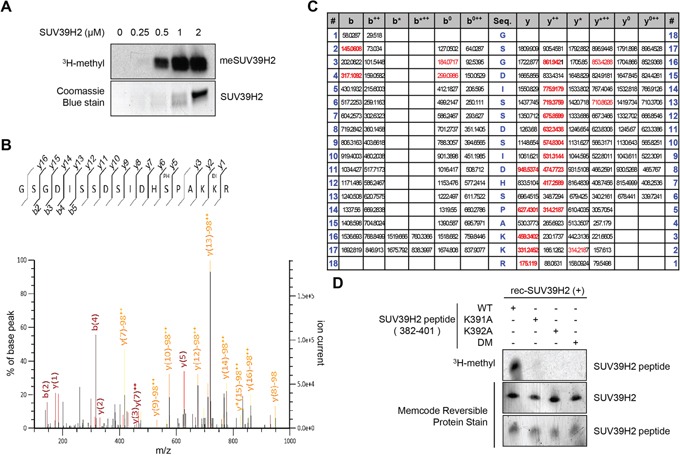
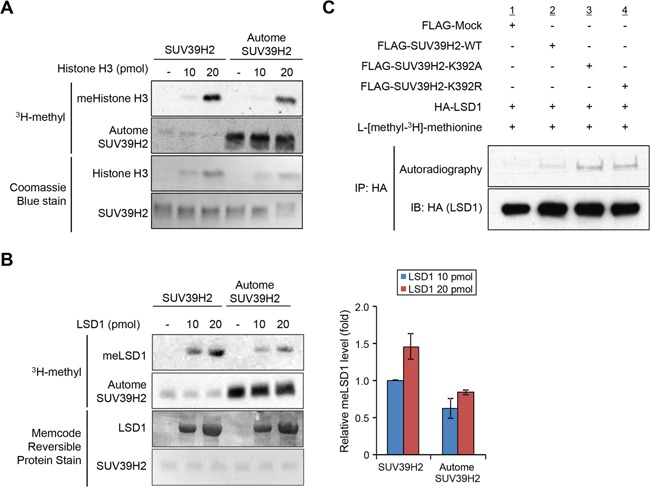
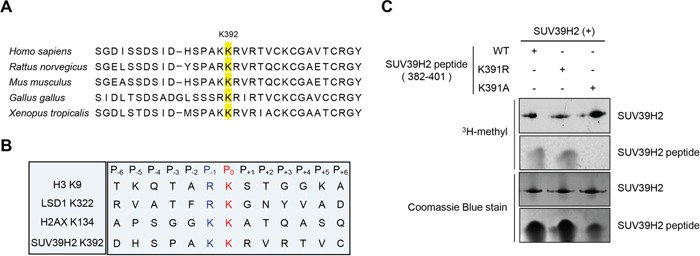
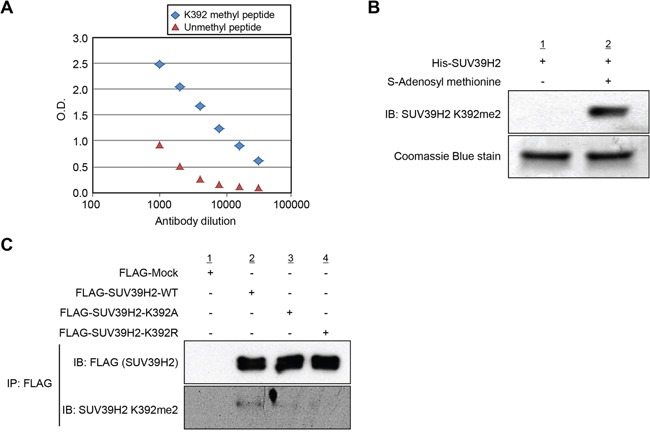
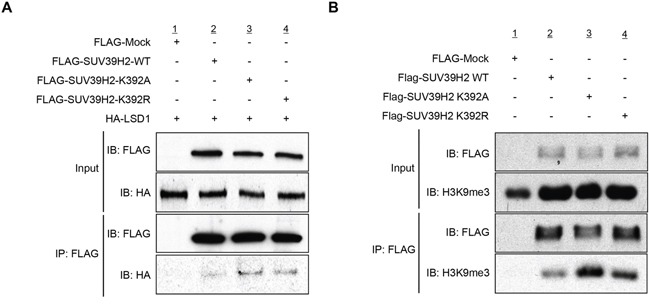
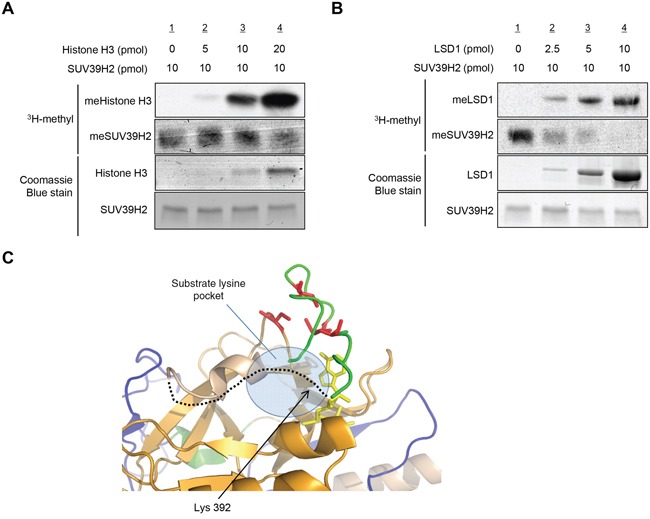
We previously reported that the histone lysine methyltransferase SUV39H2, which is overexpressed in various types of human cancer, plays a critical role in the DNA repair after double strand breakage, and possesses oncogenic activity. Although its biological significance in tumorigenesis has been elucidated, the regulatory mechanism of SUV39H2 activity through post-translational modification is not well known. In this study, we demonstrate in vitro and in vivo automethylation of SUV39H2 at lysine 392. Automethylation of SUV39H2 led to impairment of its binding affinity to substrate proteins such as histone H3 and LSD1. Furthermore, we observed that hyper-automethylated SUV39H2 reduced methylation activities to substrates through affecting the binding affinity to substrate proteins. Our finding unveils a novel autoregulatory mechanism of SUV39H2 through lysine automethylation.
我们之前报道过,组蛋白赖氨酸甲基转移酶SUV39H2在多种人类癌症中过表达,在双链断裂后的DNA修复中起关键作用,并具有致癌活性。尽管其在肿瘤发生中的生物学意义已得到阐明,但其通过翻译后修饰的SUV39H2活性调节机制尚不清楚。在本研究中,我们在体外和体内证明了SUV39H2在赖氨酸392处的自动甲基化。SUV39H2的自动甲基化导致其与组蛋白H3和LSD1等底物蛋白的结合亲和力受损。此外,我们观察到高度自动甲基化的SUV39H2通过影响与底物蛋白的结合亲和力降低了对底物的甲基化活性。我们的发现揭示了一种通过赖氨酸自动甲基化的SUV39H2新型自调节机制。