Gonzalo Susana, Eissenberg Joel C
Edward A. Doisy Department of Biochemistry and Molecular Biology, Saint Louis University School of Medicine, Doisy Research Center, 1100 South Grand Blvd., St. Louis, MO 63104, USA.
Edward A. Doisy Department of Biochemistry and Molecular Biology, Saint Louis University School of Medicine, Doisy Research Center, 1100 South Grand Blvd., St. Louis, MO 63104, USA.
Curr Opin Genet Dev. 2016 Apr;37:109-118. doi: 10.1016/j.gde.2016.03.003. Epub 2016 Mar 21.
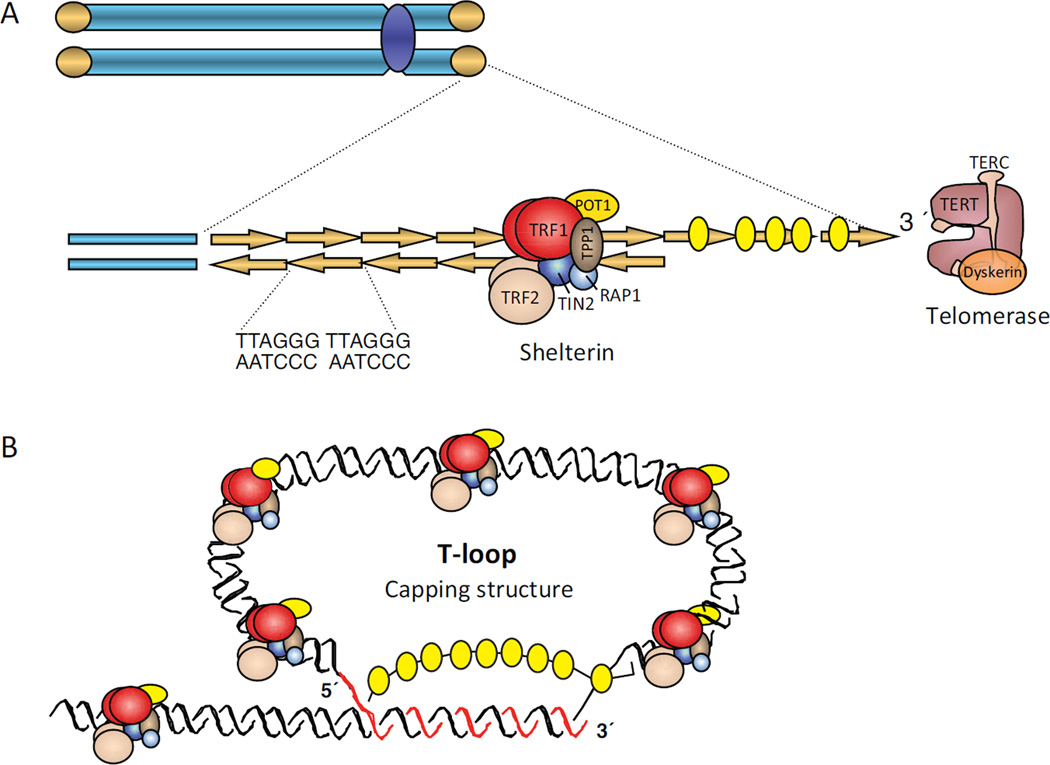
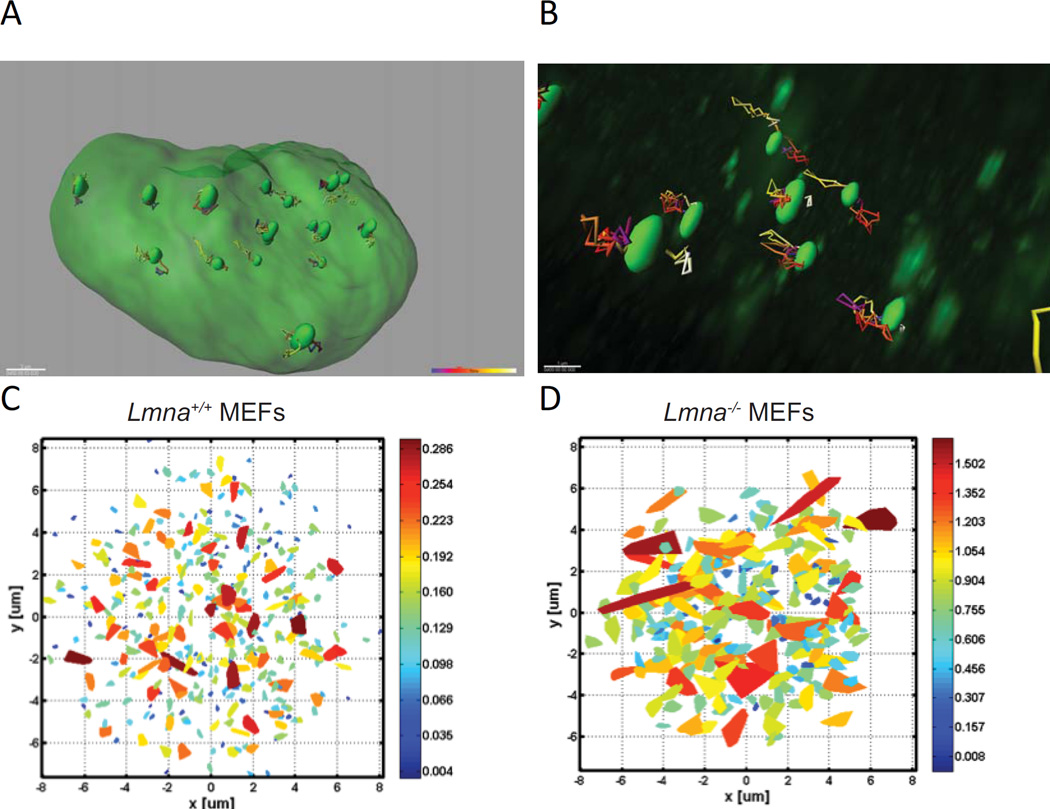
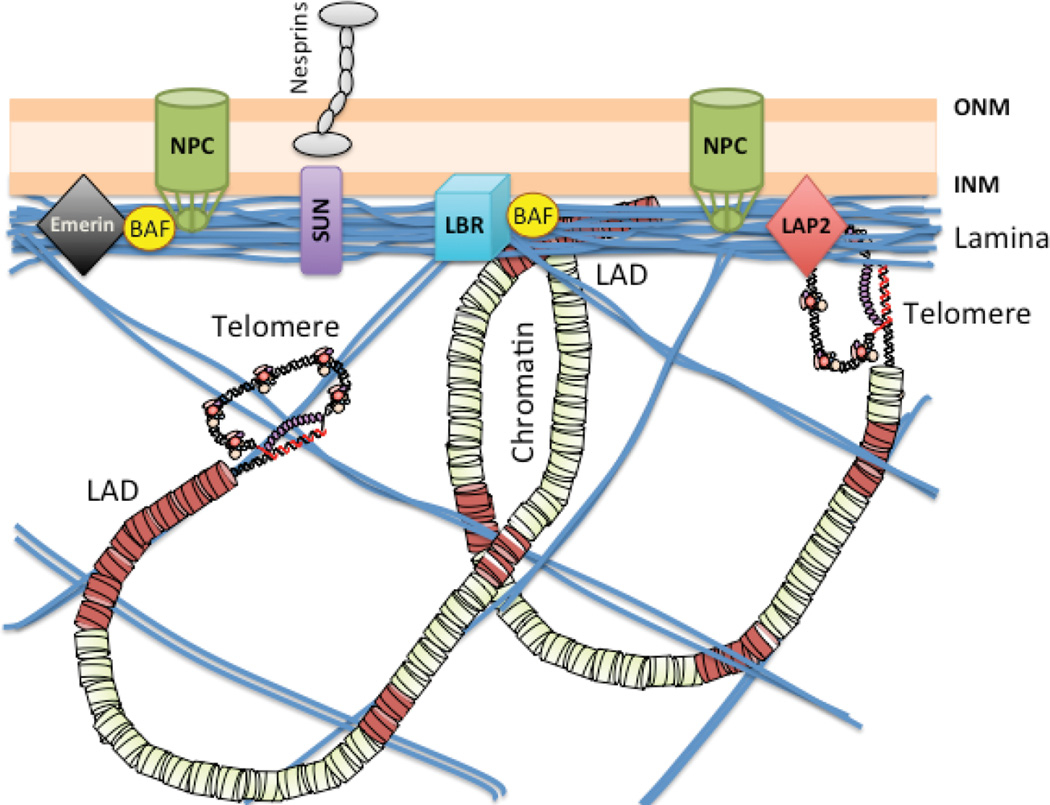
On casual inspection, the eukaryotic nucleus is a deceptively simple organelle. Far from being a bag of chromatin, the nucleus is, in some ways, a structural and functional extension of the chromosomes it contains. Recently, interest has intensified in how chromosome compartmentalization and dynamics affect nuclear function. Different studies uncovered functional interactions between chromosomes and the filamentous nuclear meshwork comprised of lamin proteins. Here, we summarize recent research suggesting that telomeres, the capping structures that protect chromosome ends, are stabilized by lamin-binding and that alterations in nuclear lamins lead to defects in telomere compartmentalization, homeostasis and function. Telomere dysfunction contributes to the genomic instability that characterizes aging-related diseases, and might be an important factor in the pathophysiology of lamin-related diseases.
乍一看,真核细胞核是一种看似简单的细胞器。细胞核远非一袋染色质,在某些方面,它是其所包含染色体的结构和功能延伸。最近,人们对染色体的分区和动态如何影响核功能的兴趣日益浓厚。不同的研究发现了染色体与由核纤层蛋白组成的丝状核网络之间的功能相互作用。在这里,我们总结了最近的研究,这些研究表明端粒(保护染色体末端的帽状结构)通过与核纤层结合而稳定,并且核纤层蛋白的改变会导致端粒分区、稳态和功能的缺陷。端粒功能障碍会导致与衰老相关疾病特征的基因组不稳定,并且可能是核纤层相关疾病病理生理学中的一个重要因素。