Zetola Nicola M, Modongo Chawangwa, Mathlagela Keikantse, Sepako Enoch, Matsiri Ogopotse, Tamuhla Tsaone, Mbongwe Bontle, Martinelli Eugenio, Sirugo Giorgio, Paolesse Roberto, Di Natale Corrado
Department of Radiation Oncology, University of Pennsylvania, 3400 Civic Center Blvd, Philadelphia, PA 19104, USA.
School of Medicine, University of Botswana, Private Bag, Gaborone 0022, Botswana.
Sensors (Basel). 2016 Apr 1;16(4):466. doi: 10.3390/s16040466.
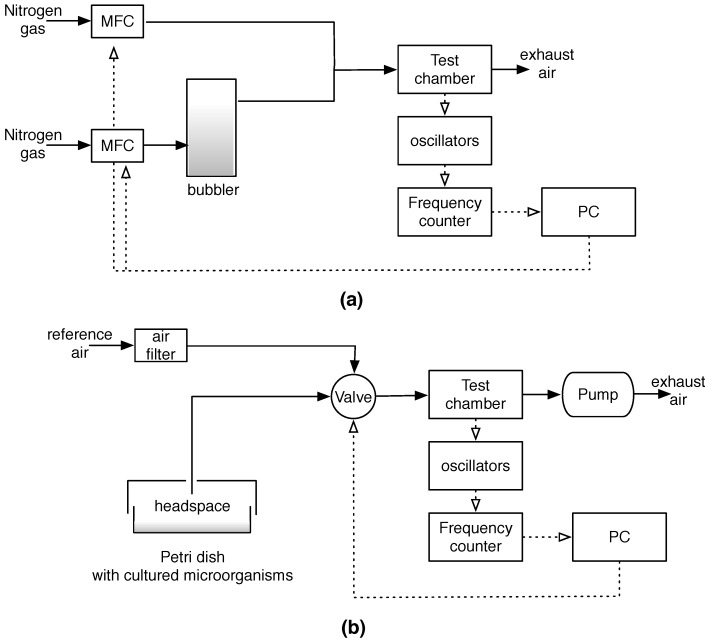
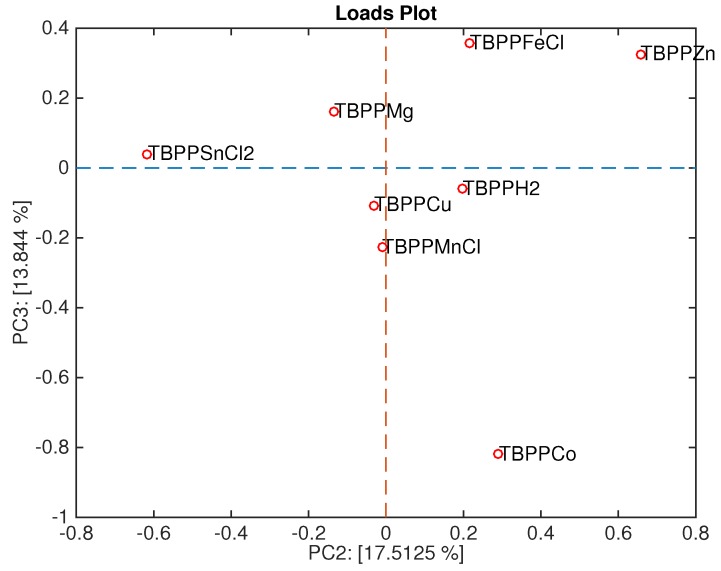
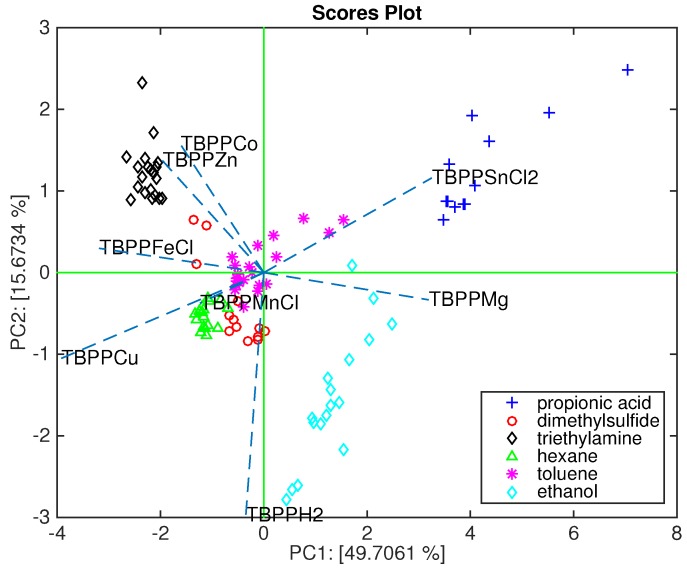
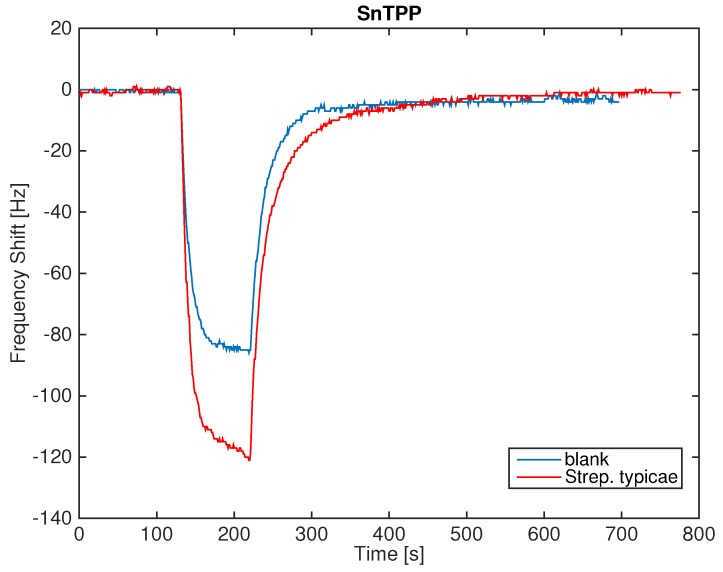
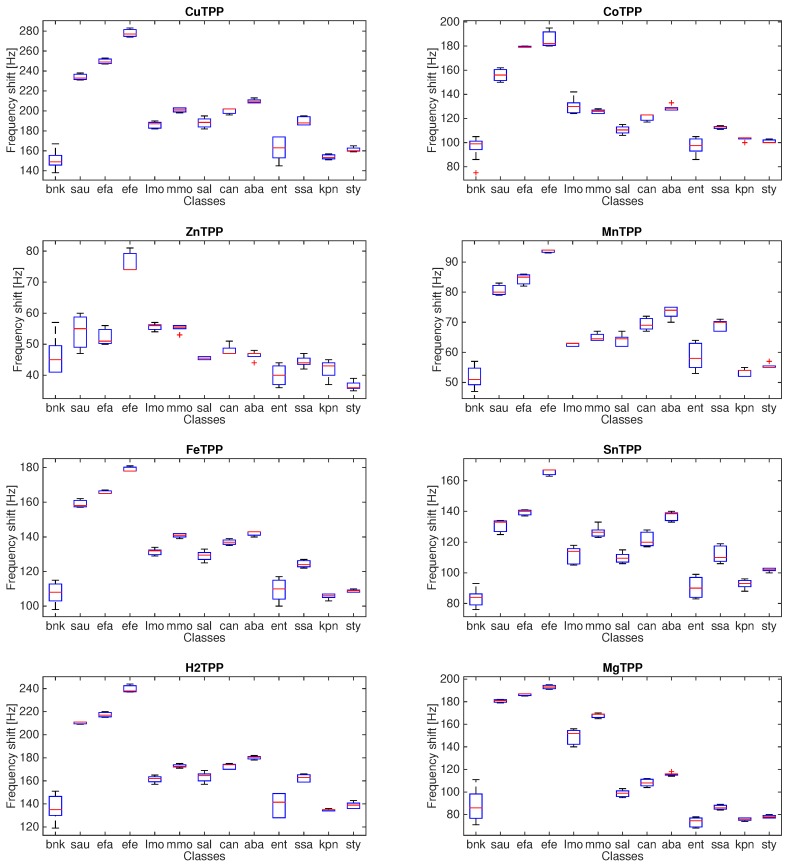
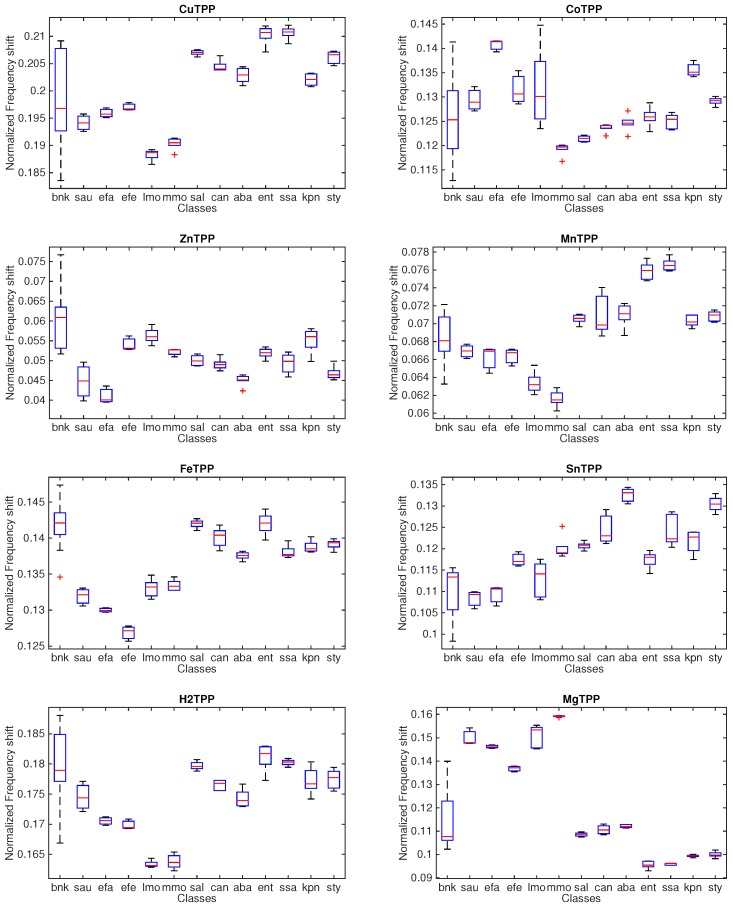
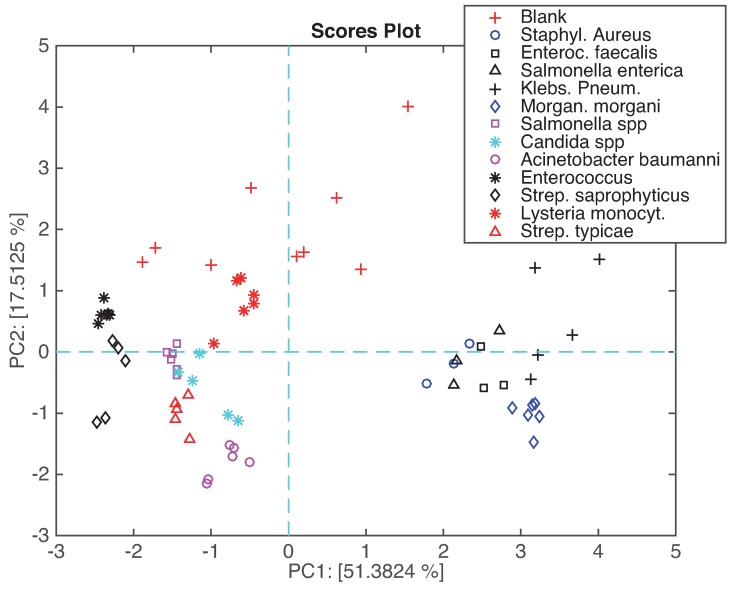
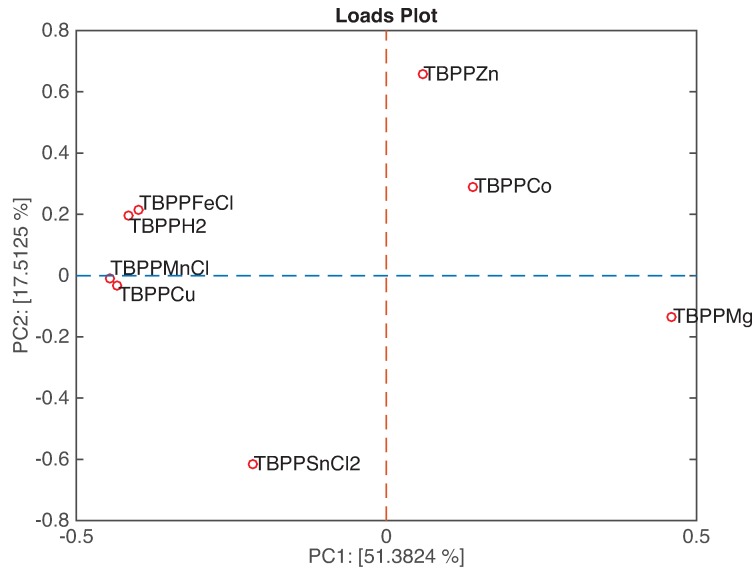
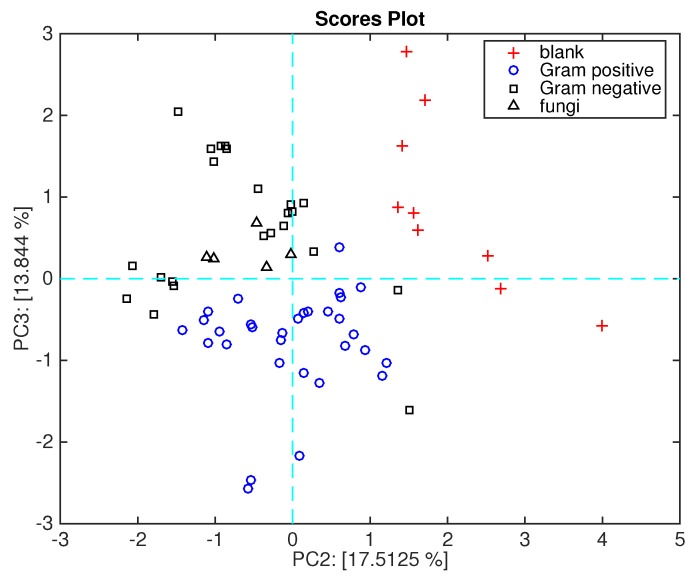
The association between volatile compounds (VCs) and microorganisms, as demonstrated by several studies, may offer the ground for a rapid identification of pathogens. To this regard, chemical sensors are a key enabling technology for the exploitation of this opportunity. In this study, we investigated the performance of an array of porphyrin-coated quartz microbalance gas sensors in the identification of a panel of 12 bacteria and fungi. The porphyrins were metal complexes and the free base of a functionalized tetraphenylporphyrin. Our results show that the sensor array distinguishes the VC patterns produced by microorganisms in vitro. Besides being individually identified, bacteria are also sorted into Gram-positive and Gram-negative.
多项研究表明,挥发性化合物(VCs)与微生物之间的关联可能为快速鉴定病原体提供依据。在这方面,化学传感器是利用这一机会的关键使能技术。在本研究中,我们研究了一组卟啉涂层石英微天平气体传感器在鉴定12种细菌和真菌方面的性能。这些卟啉是金属配合物以及功能化四苯基卟啉的游离碱。我们的结果表明,该传感器阵列能够区分微生物在体外产生的VC模式。除了能够对细菌进行单独鉴定外,还能将其分为革兰氏阳性菌和革兰氏阴性菌。