Bai Ling, Yang Howard H, Hu Ying, Shukla Anjali, Ha Ngoc-Han, Doran Anthony, Faraji Farhoud, Goldberger Natalie, Lee Maxwell P, Keane Thomas, Hunter Kent W
Laboratory of Cancer Biology and Genetics, National Cancer Institute, National Institutes of Health, Bethesda, Maryland, United States of America.
Center for Bioinformatics and Information Technology, National Cancer Institute, National Institutes of Health, Bethesda, Maryland, United States of America.
PLoS Genet. 2016 Apr 13;12(4):e1005989. doi: 10.1371/journal.pgen.1005989. eCollection 2016 Apr.
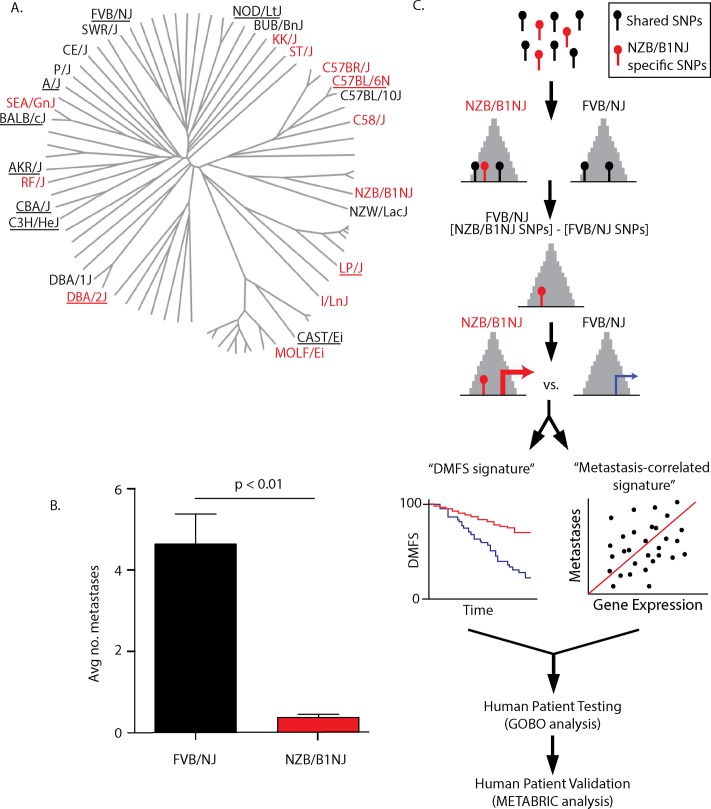
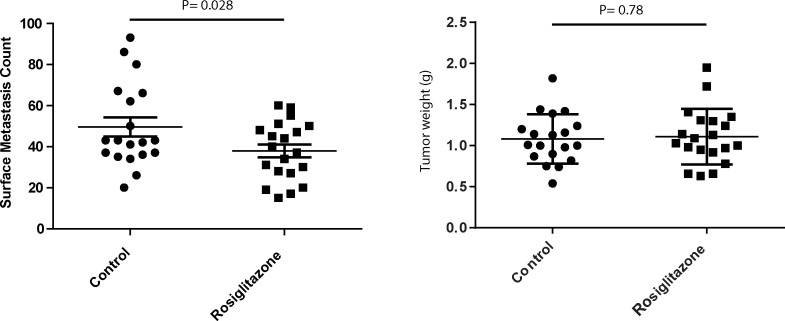
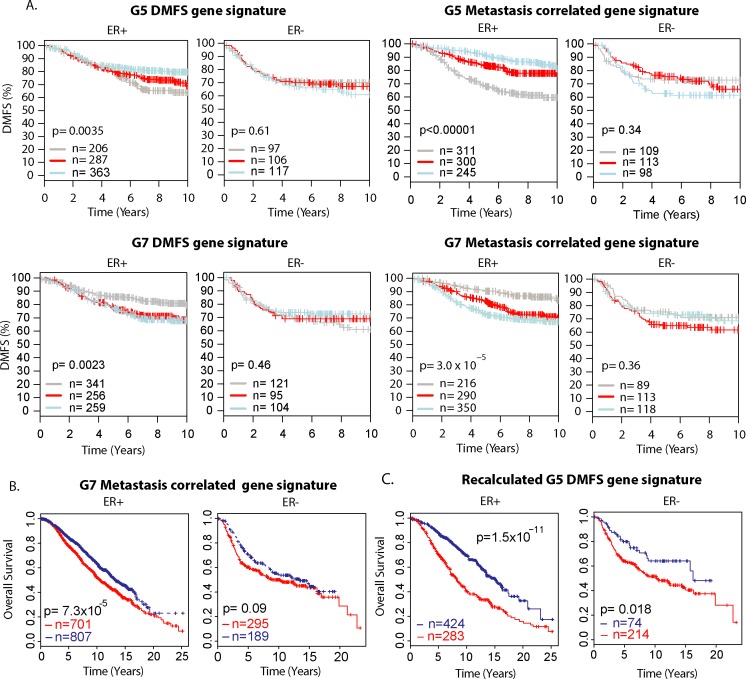
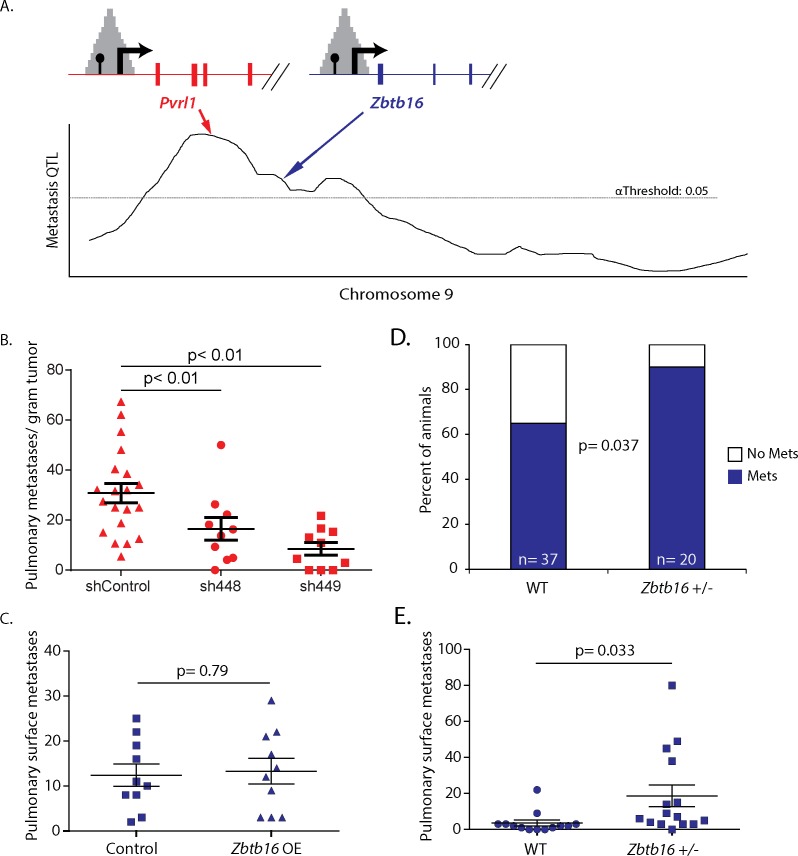
Metastasis remains the primary cause of patient morbidity and mortality in solid tumors and is due to the action of a large number of tumor-autonomous and non-autonomous factors. Here we report the results of a genome-wide integrated strategy to identify novel metastasis susceptibility candidate genes and molecular pathways in breast cancer metastasis. This analysis implicates a number of transcriptional regulators and suggests cell-mediated immunity is an important determinant. Moreover, the analysis identified novel or FDA-approved drugs as potentially useful for anti-metastatic therapy. Further explorations implementing this strategy may therefore provide a variety of information for clinical applications in the control and treatment of advanced neoplastic disease.
转移仍然是实体瘤患者发病和死亡的主要原因,这是由大量肿瘤自主和非自主因素的作用导致的。在此,我们报告一项全基因组综合策略的结果,以鉴定乳腺癌转移中新型转移易感性候选基因和分子途径。该分析涉及多个转录调节因子,并表明细胞介导的免疫是一个重要决定因素。此外,该分析鉴定出新型或已获美国食品药品监督管理局批准的药物可能对抗转移治疗有用。因此,采用该策略的进一步探索可能为晚期肿瘤疾病的控制和治疗的临床应用提供各种信息。