Tang Senwei, Wu William K K, Li Xiangchun, Wong Sunny H, Wong Nathalie, Chan Matthew T V, Sung Joseph J Y, Yu Jun
Institute of Digestive Disease and Department of Medicine &Therapeutics, State Key Laboratory of Digestive Disease, LKS Institute of Health Sciences, CUHK Shenzhen Research Institute, The Chinese University of Hong Kong, Hong Kong.
Department of Anaesthesia and Intensive Care, The Chinese University of Hong Kong, Hong Kong.
Sci Rep. 2016 Apr 15;6:24466. doi: 10.1038/srep24466.
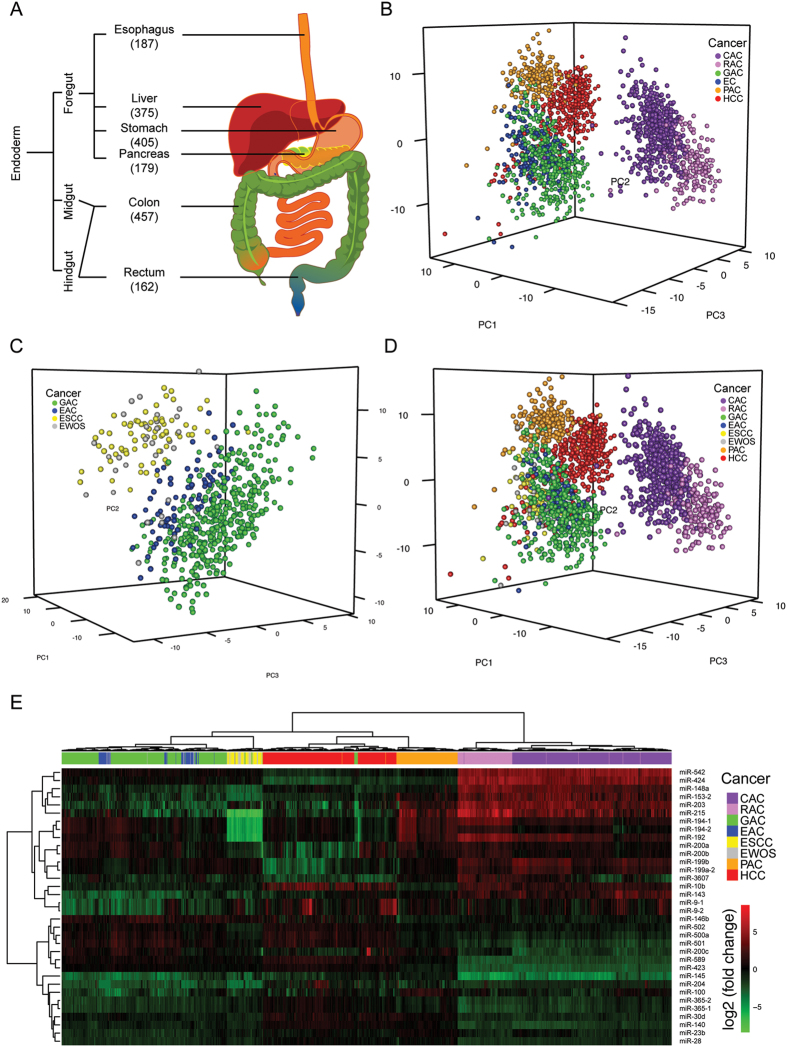
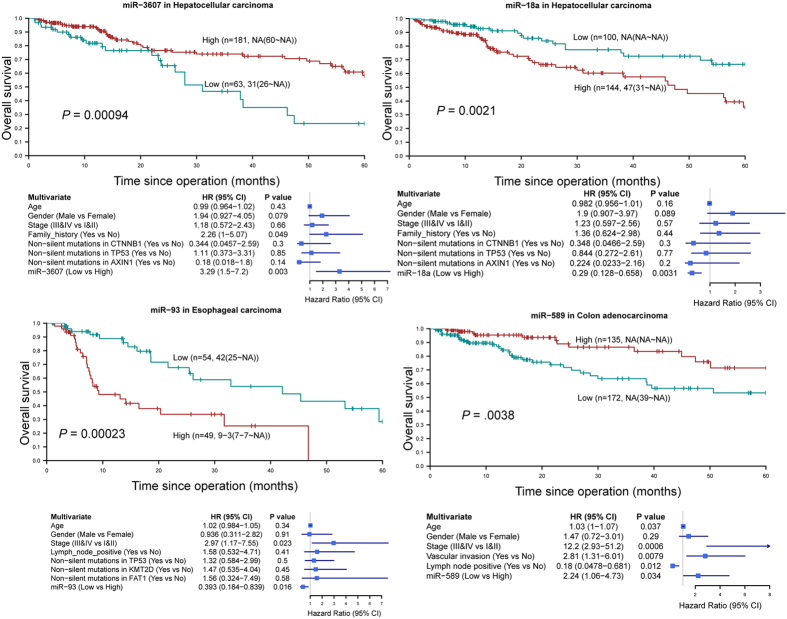
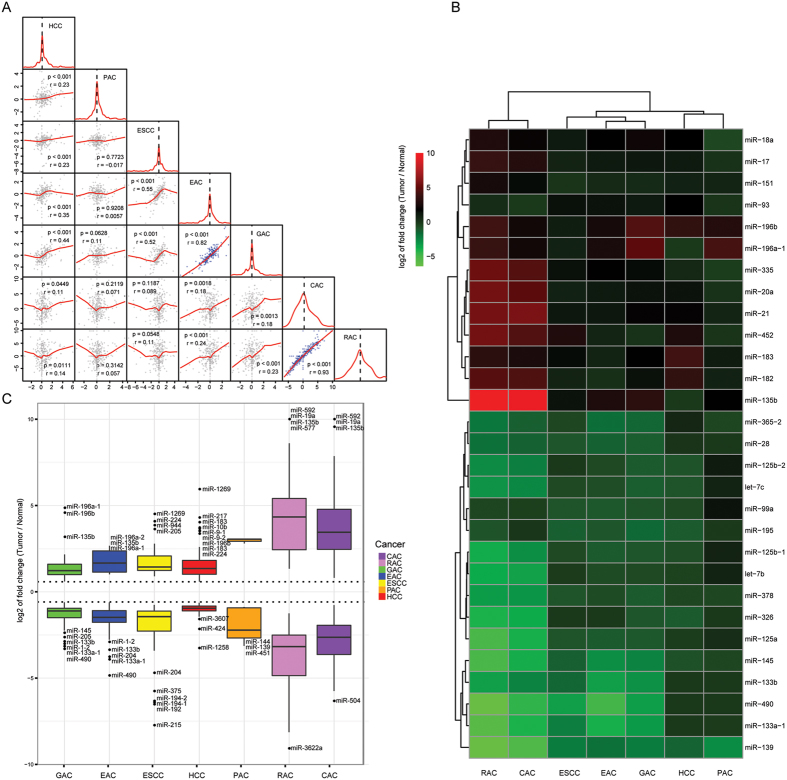
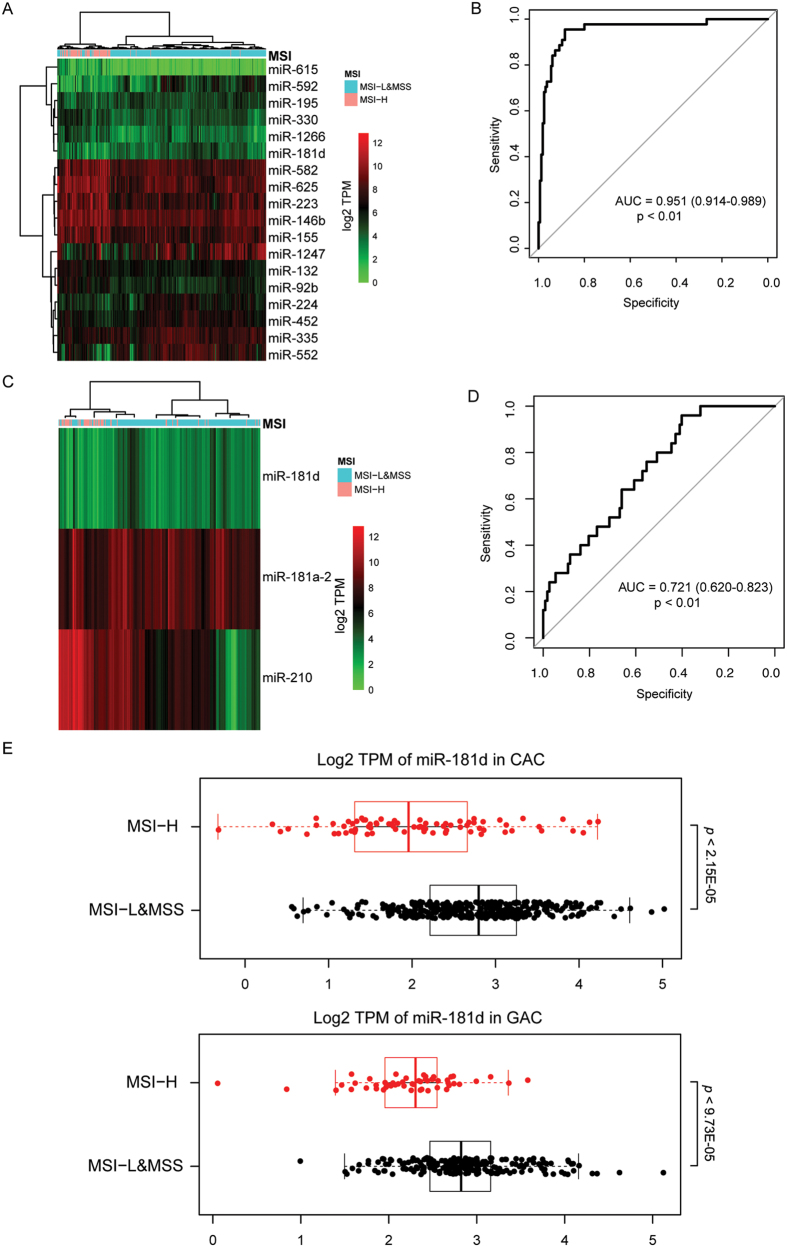
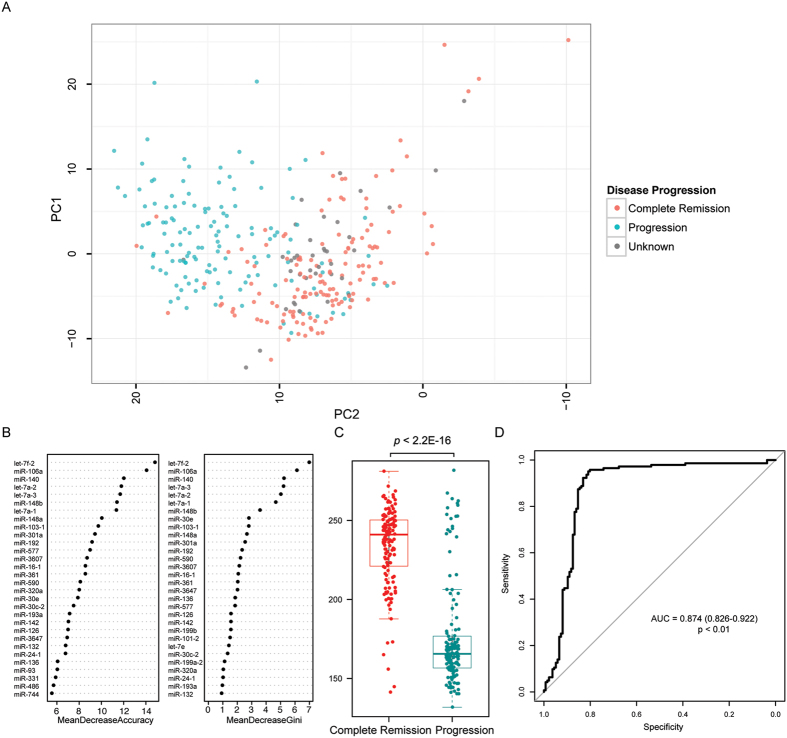
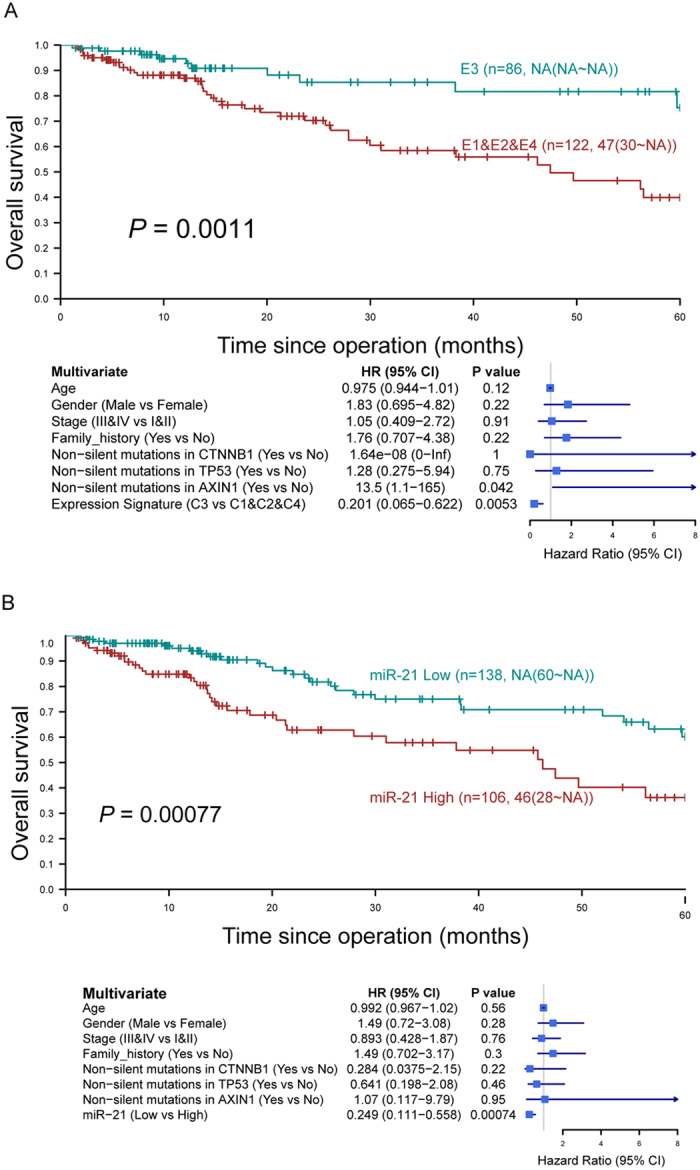
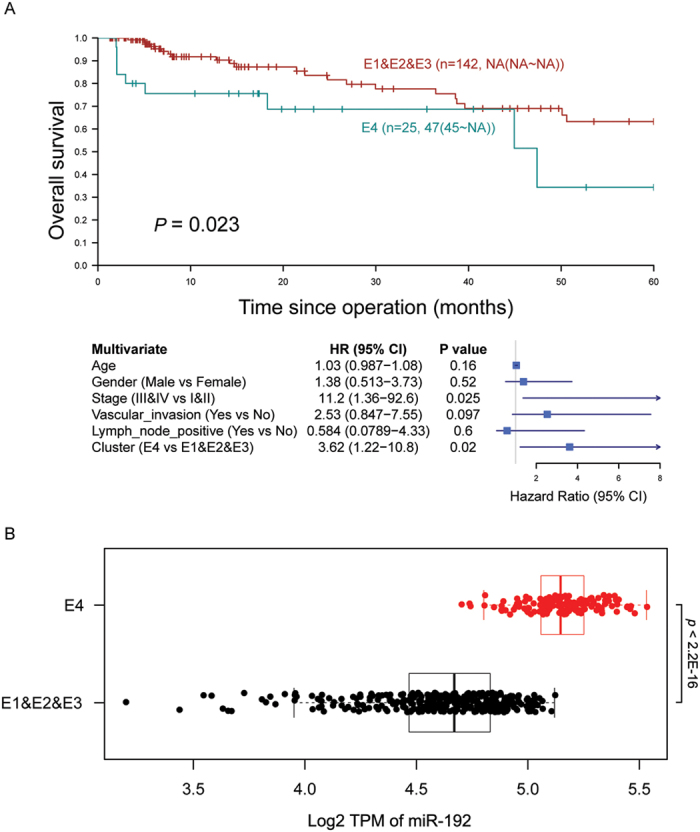
MicroRNAs (miRNAs) are aberrantly expressed in virtually all cancer types, including digestive cancers. Herein, we aggregated and systematically analyzed miRNA expression profiles of 1765 tumor samples, including esophageal, gastric, liver, pancreatic, colon and rectal cancers, obtained through small RNA sequencing by The Cancer Genome Atlas. We found that digestive cancers of different tissue origins could be differentiated according to their miRNA expression profiles. In particular, esophageal squamous cell carcinoma and esophageal adenocarcinoma exhibited distinct miRNA expression patterns. Thirteen (e.g. miR-135b, miR-182) and sixteen (e.g. miR-139, miR-133a-1, miR-490) miRNAs were commonly upregulated and downregulated in more than four cancer types, respectively. Pertinent to pathological features, low miR-181d expression was associated with microsatellite instability in colon and gastric cancers whereas low miR-106a expression was associated with hepatitis B virus infection in hepatocellular carcinoma. Progression in colon cancer could also be predicted by low let-7f-2 and high miR-106a expression. Molecular subtypes with distinct prognostic outcomes independent of tumor-node-metastasis staging were identified in hepatocellular carcinoma and colon cancer. In total, 4 novel and 6 reported associations between specific miRNAs and patients' survival were identified. Collectively, novel miRNA markers were identified to stratify digestive cancers with different pathological features and survival outcomes.
微小RNA(miRNA)在几乎所有癌症类型中均有异常表达,包括消化系统癌症。在此,我们汇总并系统分析了通过癌症基因组图谱(The Cancer Genome Atlas)的小RNA测序获得的1765个肿瘤样本的miRNA表达谱,这些样本包括食管癌、胃癌、肝癌、胰腺癌、结肠癌和直肠癌。我们发现,不同组织来源的消化系统癌症可以根据其miRNA表达谱进行区分。特别是,食管鳞状细胞癌和食管腺癌表现出不同的miRNA表达模式。分别有13种(如miR-135b、miR-182)和16种(如miR-139、miR-133a-1、miR-490)miRNA在四种以上癌症类型中普遍上调和下调。与病理特征相关的是,低miR-181d表达与结肠癌和胃癌中的微卫星不稳定性相关,而低miR-106a表达与肝细胞癌中的乙型肝炎病毒感染相关。结肠癌的进展也可以通过低let-7f-2和高miR-106a表达来预测。在肝细胞癌和结肠癌中鉴定出了与肿瘤-淋巴结-转移分期无关的具有不同预后结果的分子亚型。总共确定了4种新的以及6种已报道的特定miRNA与患者生存之间的关联。总体而言,鉴定出了新的miRNA标志物,用于对具有不同病理特征和生存结果的消化系统癌症进行分层。