Raza Haider, John Annie, Shafarin Jasmin, Howarth Frank C
Department of Biochemistry, College of Medicine and Health Sciences, United Arab Emirates University, Al Ain, United Arab Emirates
Department of Biochemistry, College of Medicine and Health Sciences, United Arab Emirates University, Al Ain, United Arab Emirates.
Physiol Rep. 2016 Apr;4(8). doi: 10.14814/phy2.12751.
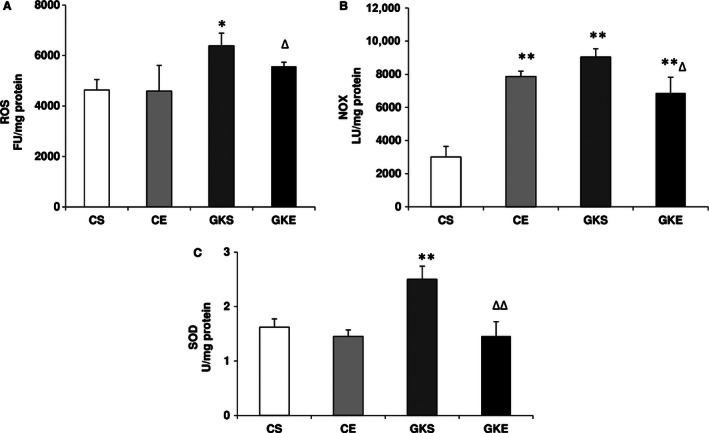
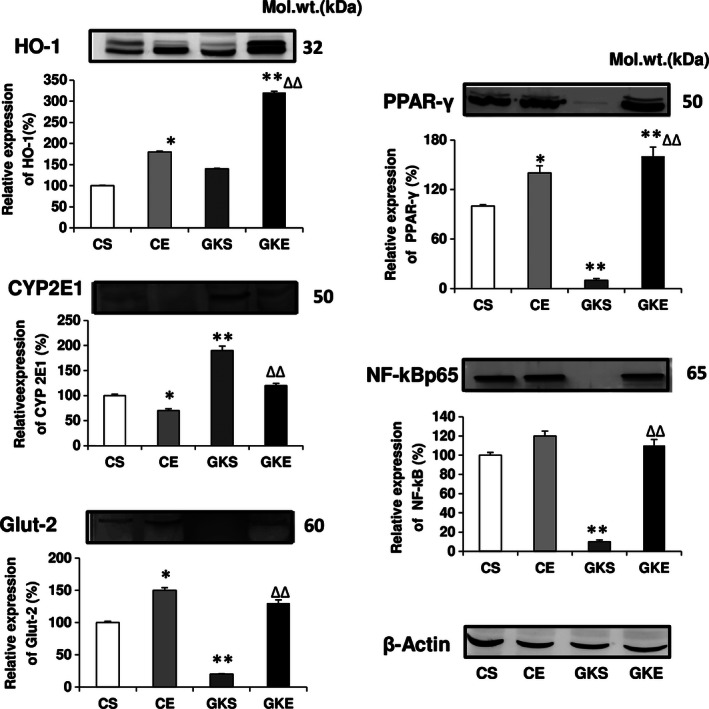
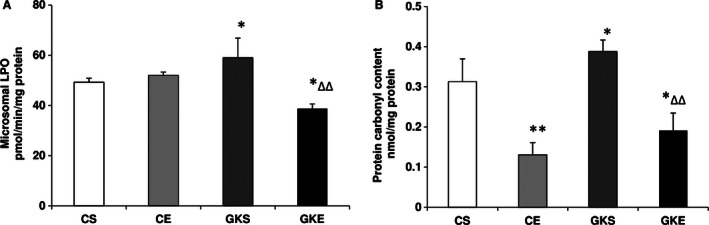
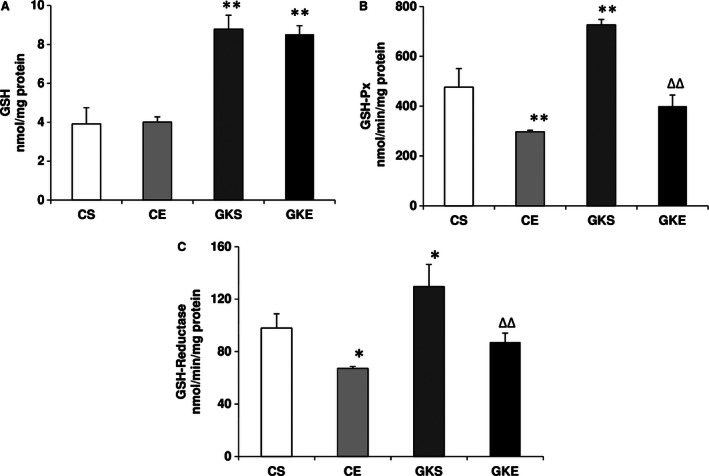
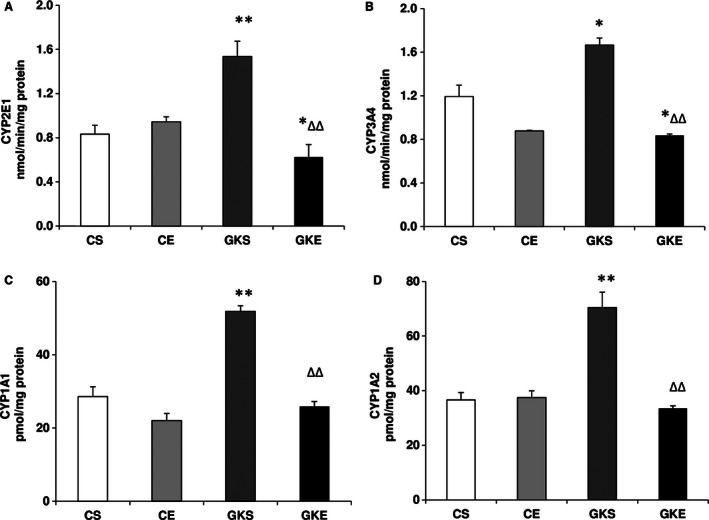
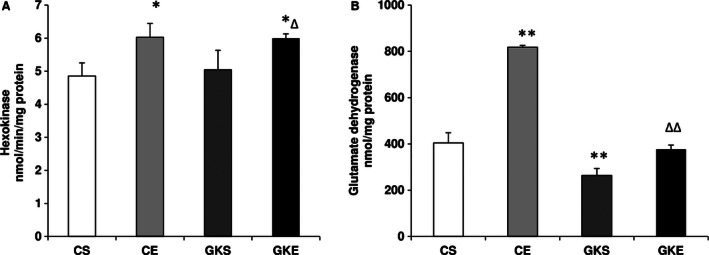
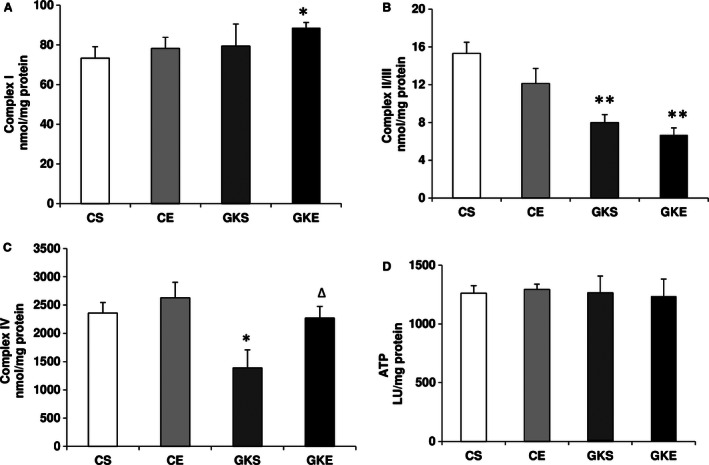
Progressive metabolic complications accompanied by oxidative stress are the hallmarks of type 2 diabetes. The precise molecular mechanisms of the disease complications, however, remain elusive. Exercise-induced nontherapeutic management of type 2 diabetes is the first line of choice to control hyperglycemia and diabetes associated complications. In this study, using 11-month-old type 2 Goto-Kakizaki (GK) rats, we have investigated the effects of exercise on mitochondrial metabolic and oxidative stress in the pancreas. Our results showed an increase in theNADPHoxidase enzyme activity and reactive oxygen species (ROS) production inGKrats, which was inhibited after exercise. Increased lipid peroxidation and protein carbonylation andSODactivity were also inhibited after exercise. Interestingly, glutathione (GSH) level was markedly high in the pancreas ofGKdiabetic rats even after exercise. However,GSH-peroxidase andGSH-reductase activities were significantly reduced. Exercise also induced energy metabolism as observed by increased hexokinase and glutamate dehydrogenase activities. A significant decrease in the activities of mitochondrial ComplexesII/IIIandIVwere observed in theGKrats. Exercise improved only ComplexIVactivity suggesting increased utilization of oxygen. We also observed increased activities of cytochrome P450s in the pancreas ofGKrats which was reduced significantly after exercise.SDS-PAGEresults have shown a decreased expression ofNF-κB, Glut-2, andPPAR-ϒ inGKrats which was markedly increased after exercise. These results suggest differential oxidative stress and antioxidant defense responses after exercise. Our results also suggest improved mitochondrial function and energy utilization in the pancreas of exercisingGKrats.
伴有氧化应激的进行性代谢并发症是2型糖尿病的标志。然而,该疾病并发症的确切分子机制仍不清楚。运动诱导的2型糖尿病非药物治疗是控制高血糖和糖尿病相关并发症的首选一线方法。在本研究中,我们使用11月龄的2型Goto-Kakizaki(GK)大鼠,研究了运动对胰腺线粒体代谢和氧化应激的影响。我们的结果显示,GK大鼠中NADPH氧化酶活性和活性氧(ROS)生成增加,运动后受到抑制。运动后脂质过氧化增加、蛋白质羰基化增加以及超氧化物歧化酶(SOD)活性也受到抑制。有趣的是,即使在运动后,GK糖尿病大鼠胰腺中的谷胱甘肽(GSH)水平仍显著升高。然而,谷胱甘肽过氧化物酶和谷胱甘肽还原酶活性显著降低。运动还诱导了能量代谢,表现为己糖激酶和谷氨酸脱氢酶活性增加。在GK大鼠中观察到线粒体复合物II/III和IV的活性显著降低。运动仅改善了复合物IV的活性,表明氧气利用增加。我们还观察到GK大鼠胰腺中细胞色素P450s的活性增加,运动后显著降低。十二烷基硫酸钠-聚丙烯酰胺凝胶电泳(SDS-PAGE)结果显示,GK大鼠中核因子κB(NF-κB)、葡萄糖转运蛋白2(Glut-2)和过氧化物酶体增殖物激活受体γ(PPAR-γ)的表达降低,运动后显著增加。这些结果表明运动后氧化应激和抗氧化防御反应存在差异。我们的结果还表明,运动的GK大鼠胰腺中线粒体功能和能量利用得到改善。