Hynes Thomas R, Yost Evan A, Yost Stacy M, Hartle Cassandra M, Ott Braden J, Berlot Catherine H
Weis Center for Research, Geisinger Clinic, Danville, Pennsylvania, 17822-2623, United States of America.
J Mol Signal. 2015 Jul 6;10:2. doi: 10.5334/1750-2187-10-2.
The role of cAMP in regulating T cell activation and function has been controversial. cAMP is generally known as an immunosuppressant, but it is also required for generating optimal immune responses. As the effect of cAMP is likely to depend on its cellular context, the current study investigated whether the mechanism of activation of Gαs and adenylyl cyclase influences their effect on T cell receptor (TCR)-stimulated interleukin-2 (IL-2) mRNA levels.
The effect of blocking Gs-coupled receptor (GsPCR)-mediated Gs activation on TCR-stimulated IL-2 mRNA levels in CD4(+) T cells was compared with that of knocking down Gαs expression or inhibiting adenylyl cyclase activity. The effect of knocking down Gαs expression on TCR-stimulated cAMP accumulation was compared with that of blocking GsPCR signaling.
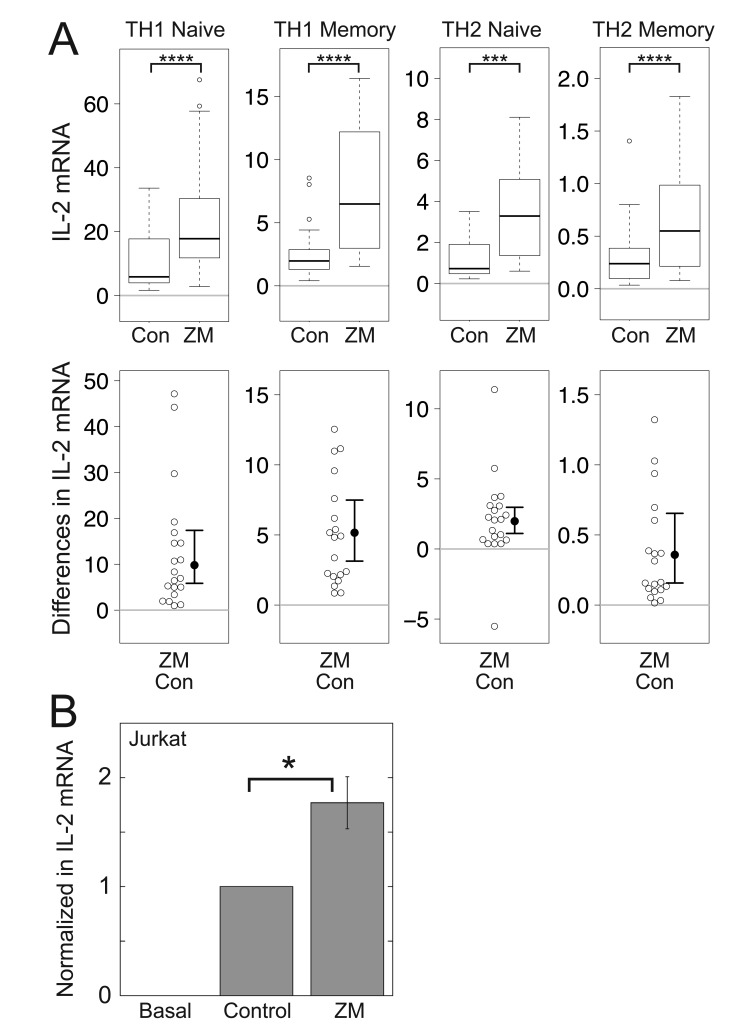
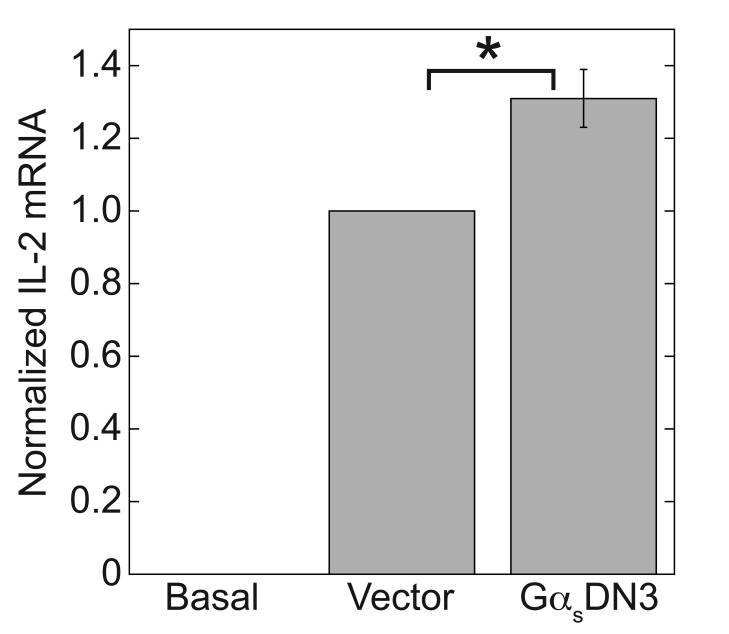
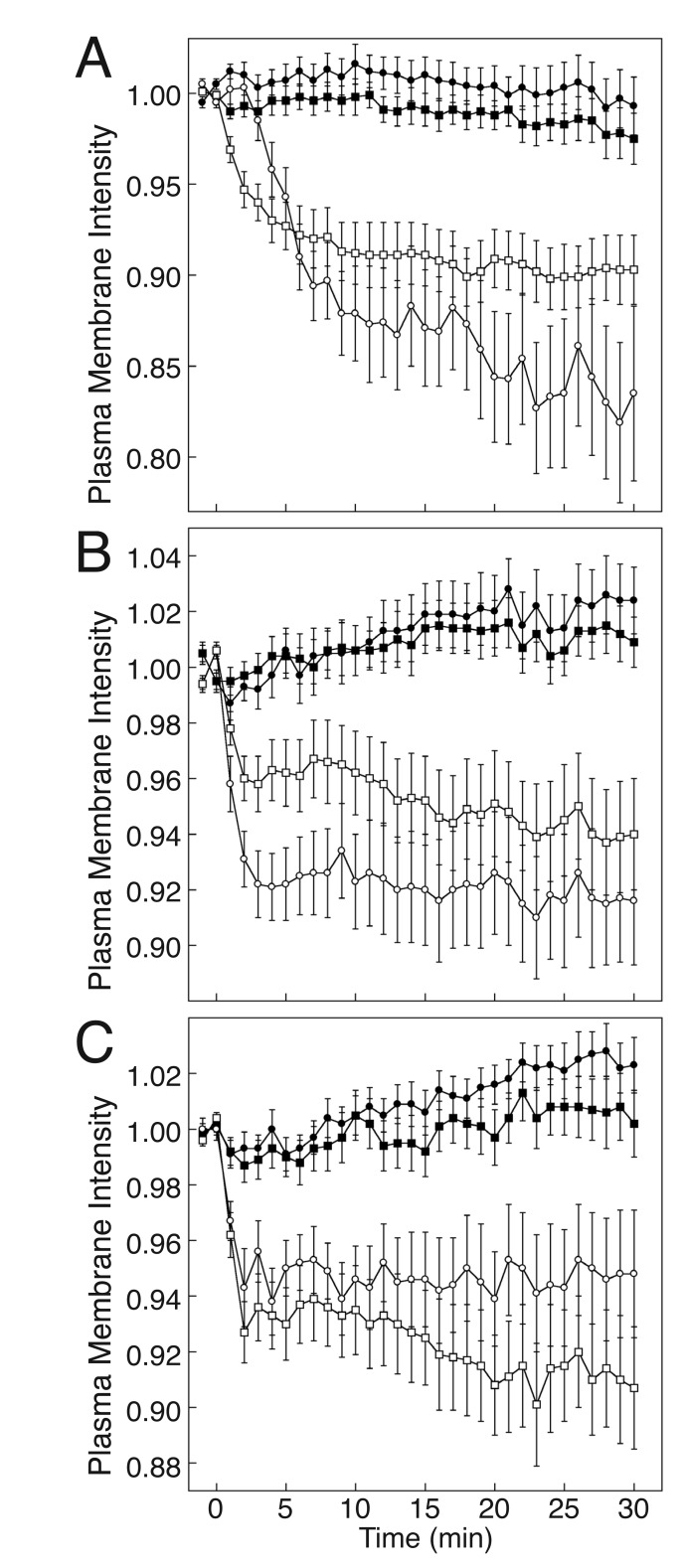
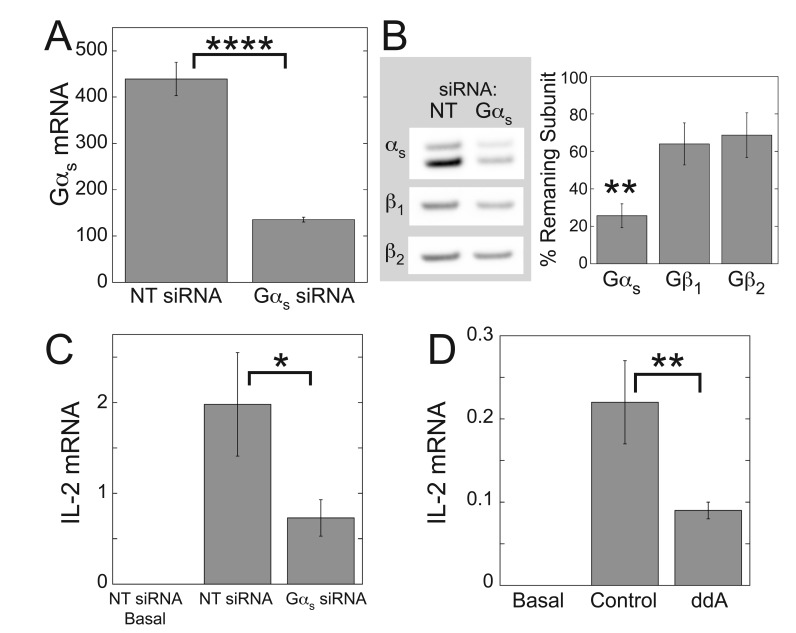
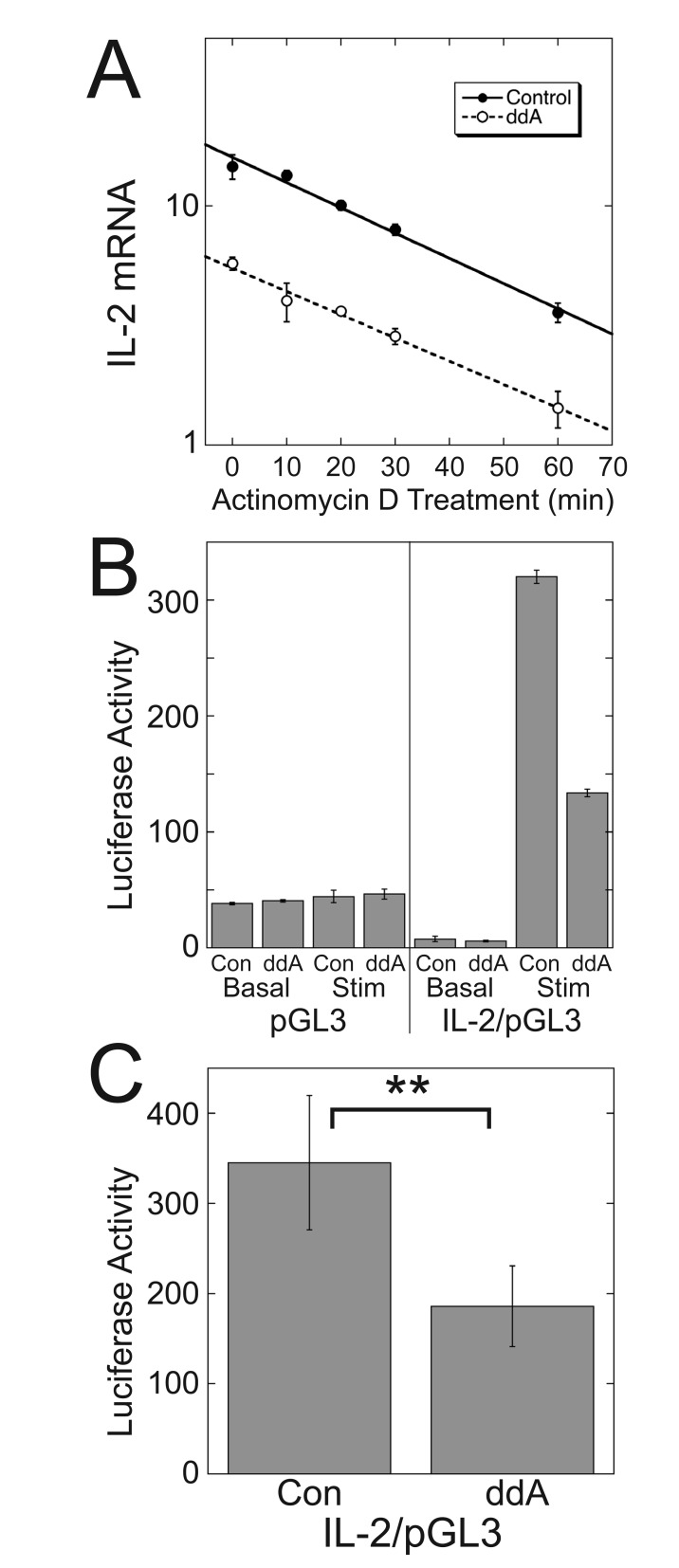
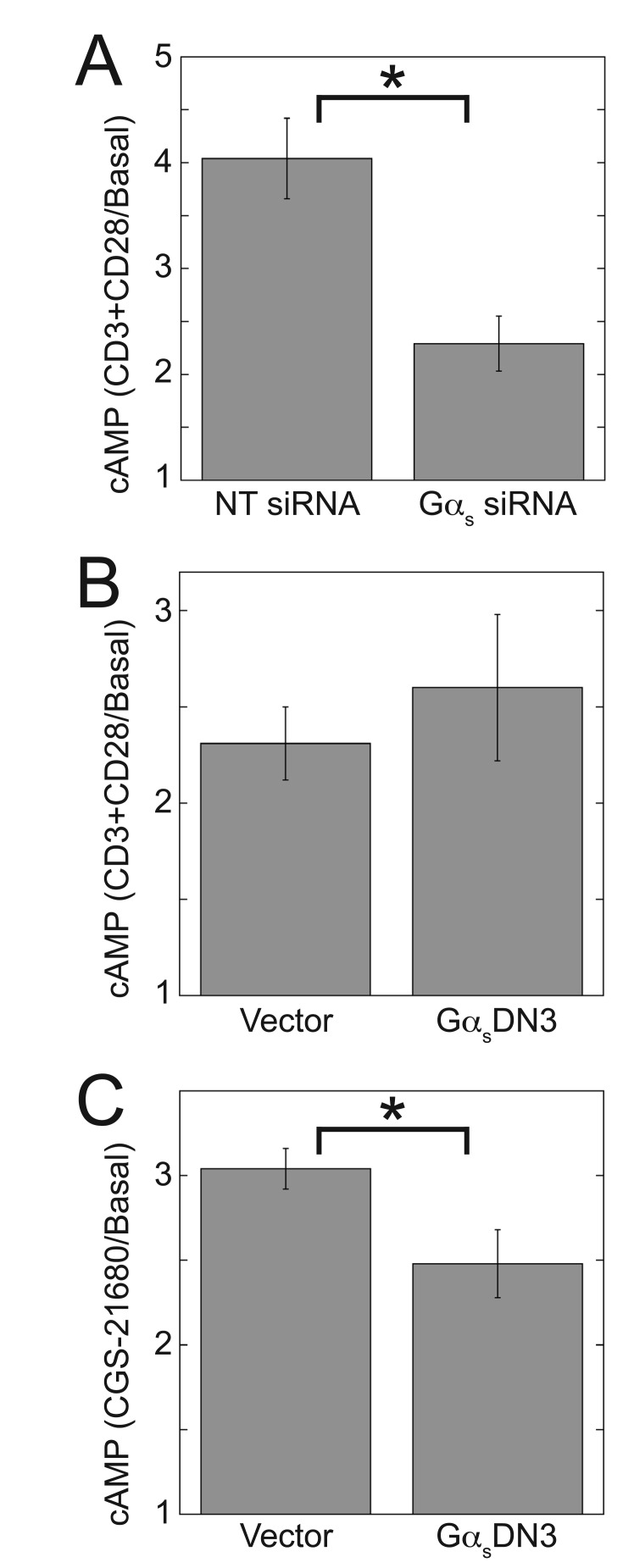
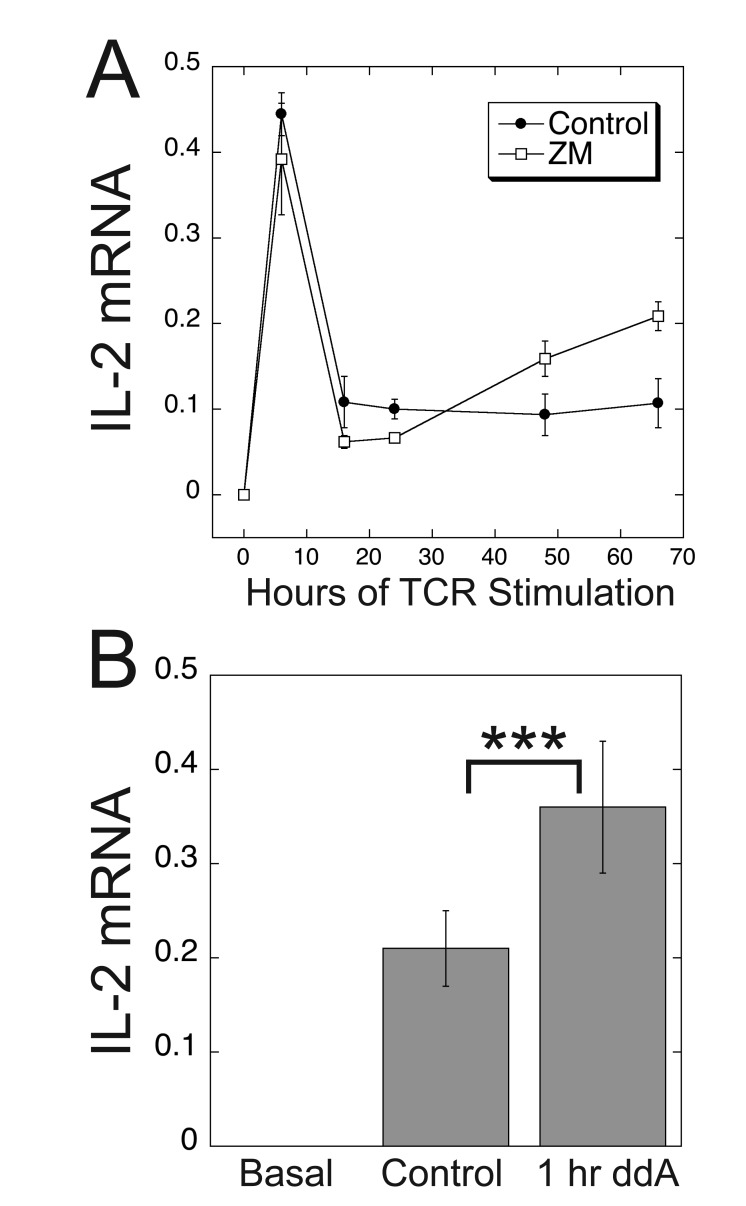
ZM-241385, an antagonist to the Gs-coupled A2A adenosine receptor (A2AR), enhanced TCR-stimulated IL-2 mRNA levels in primary human CD4(+) T helper cells and in Jurkat T cells. A dominant negative Gαs construct, GαsDN3, also enhanced TCR-stimulated IL-2 mRNA levels. Similar to GsPCR antagonists, GαsDN3 blocked GsPCR-dependent activation of both Gαs and Gβγ. In contrast, Gαs siRNA and 2',5'-dideoxyadenosine (ddA), an adenylyl cyclase inhibitor, decreased TCR-stimulated IL-2 mRNA levels. Gαs siRNA, but not GαsDN3, decreased TCR-stimulated cAMP synthesis. Potentiation of IL-2 mRNA levels by ZM-241385 required at least two days of TCR stimulation, and addition of ddA after three days of TCR stimulation enhanced IL-2 mRNA levels.
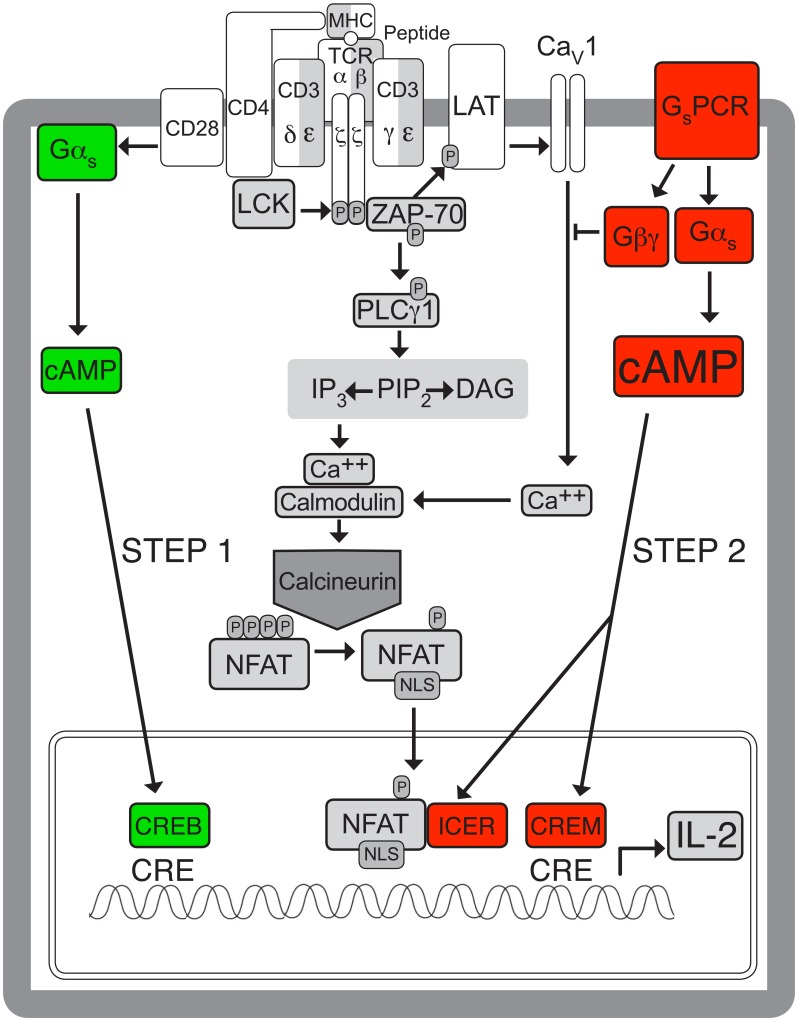
GsPCRs play an inhibitory role in the regulation of TCR-stimulated IL-2 mRNA levels whereas Gαs and cAMP can play a stimulatory one. Additionally, TCR-dependent activation of Gαs does not appear to involve GsPCRs. These results suggest that the context of Gαs/cAMP activation and the stage of T cell activation and differentiation determine the effect on TCR-stimulated IL-2 mRNA levels.
环磷酸腺苷(cAMP)在调节T细胞活化和功能中的作用一直存在争议。cAMP通常被认为是一种免疫抑制剂,但产生最佳免疫反应也需要它。由于cAMP的作用可能取决于其细胞环境,本研究调查了Gαs和腺苷酸环化酶的激活机制是否会影响它们对T细胞受体(TCR)刺激的白细胞介素-2(IL-2)mRNA水平的作用。
将阻断Gs偶联受体(GsPCR)介导的Gαs激活对CD4(+) T细胞中TCR刺激的IL-2 mRNA水平的影响,与敲低Gαs表达或抑制腺苷酸环化酶活性的影响进行比较。将敲低Gαs表达对TCR刺激的cAMP积累的影响,与阻断GsPCR信号传导的影响进行比较。
ZM-241385是一种Gs偶联的A2A腺苷受体(A2AR)拮抗剂,可增强原代人CD4(+) T辅助细胞和Jurkat T细胞中TCR刺激的IL-2 mRNA水平。一种显性负性Gαs构建体GαsDN3也增强了TCR刺激的IL-2 mRNA水平。与GsPCR拮抗剂类似,GαsDN3阻断了GsPCR依赖的Gαs和Gβγ的激活。相反,Gαs小干扰RNA(siRNA)和腺苷酸环化酶抑制剂2',5'-二脱氧腺苷(ddA)降低了TCR刺激的IL-2 mRNA水平。Gαs siRNA而非GαsDN3降低了TCR刺激的cAMP合成。ZM-241385对IL-2 mRNA水平的增强作用需要至少两天的TCR刺激,在TCR刺激三天后添加ddA可提高IL-2 mRNA水平。
GsPCR在调节TCR刺激的IL-2 mRNA水平中起抑制作用,而Gαs和cAMP可起刺激作用。此外,TCR依赖的Gαs激活似乎不涉及GsPCR。这些结果表明,Gαs/cAMP激活的背景以及T细胞活化和分化的阶段决定了对TCR刺激的IL-2 mRNA水平的影响。