Rasmussen Shauna A, Kwon Michelle, Pressly Jeffrey D, Blumer Joe B, Regner Kevin R, Park Frank
Medical College of Wisconsin, US.
University of Tennessee Health Science Center, College of Pharmacy, Department of Pharmaceutical Sciences, Memphis, TN 38104, US.
J Mol Signal. 2015 Nov 27;10:6. doi: 10.5334/1750-2187-10-5.
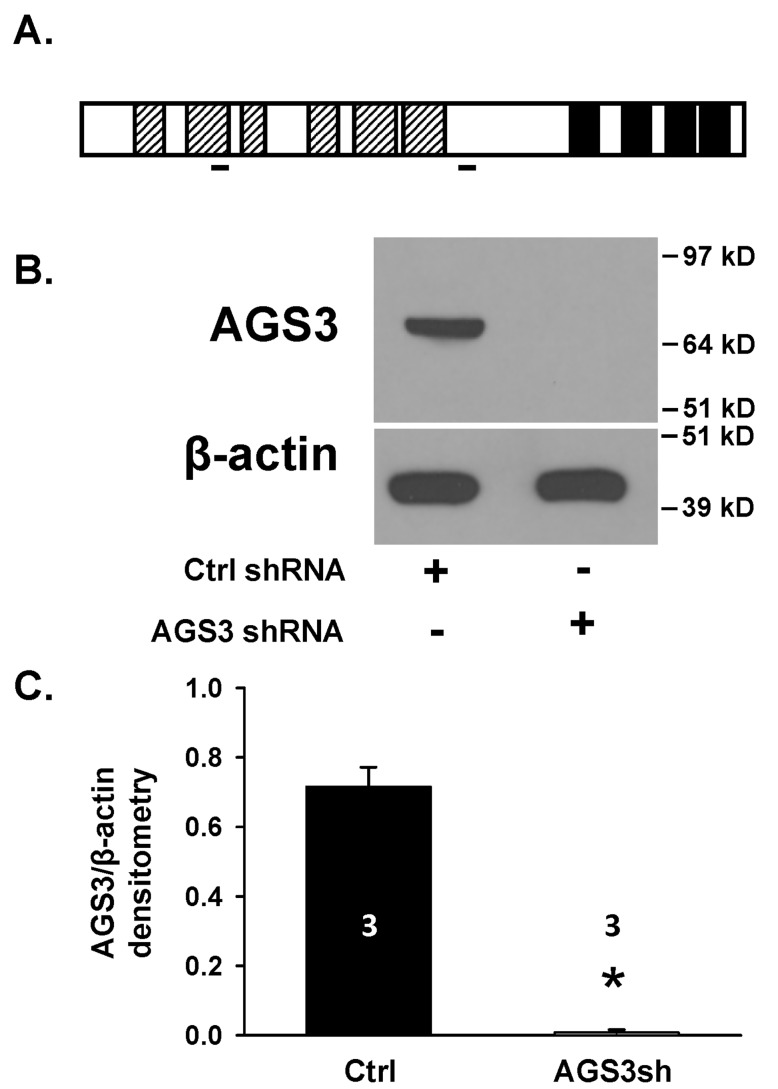
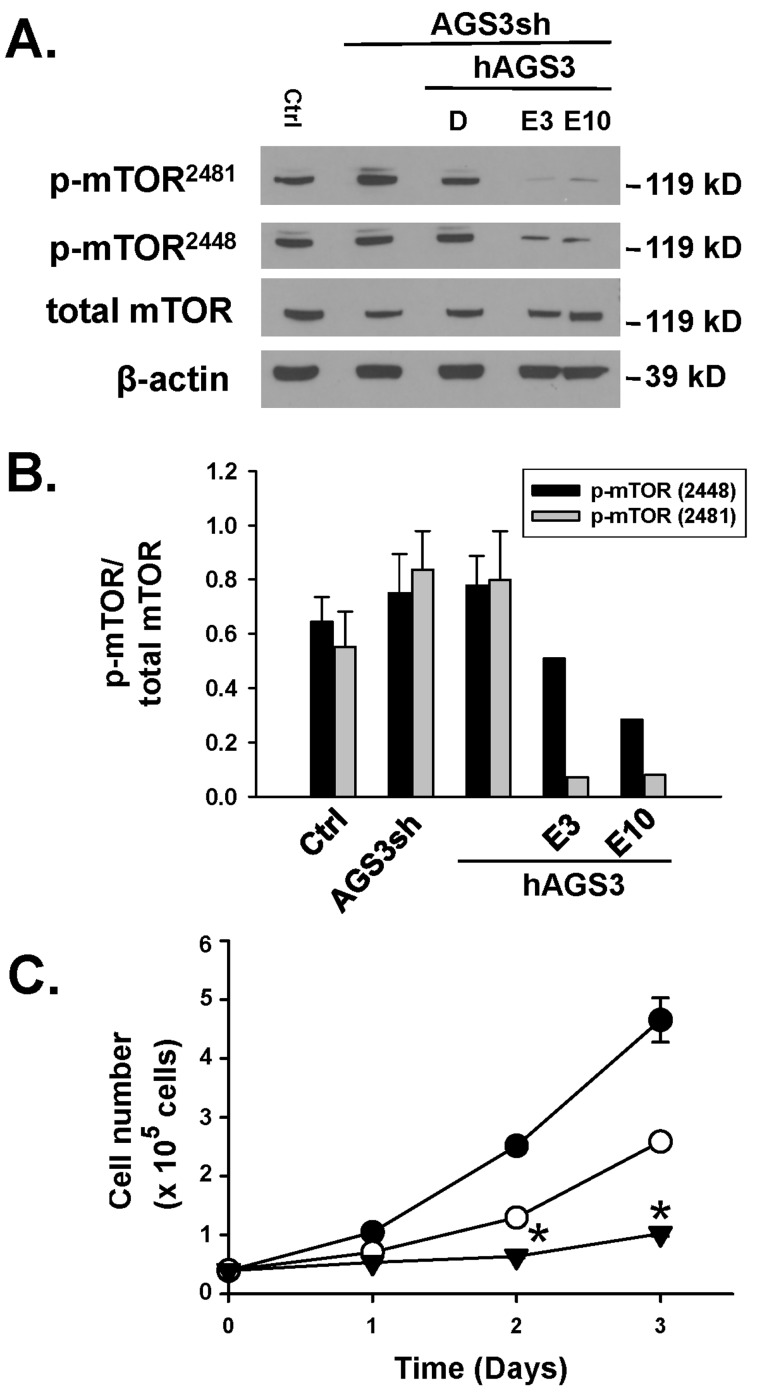
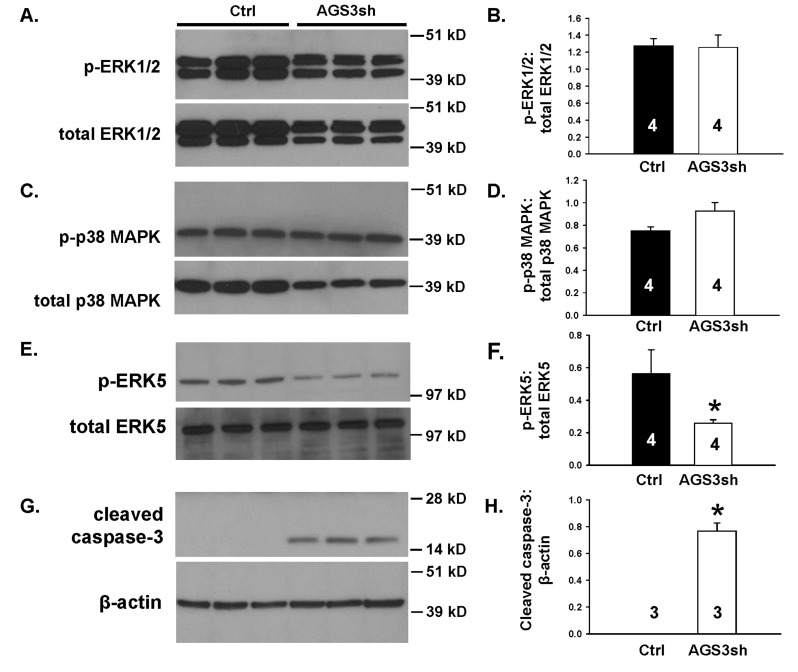
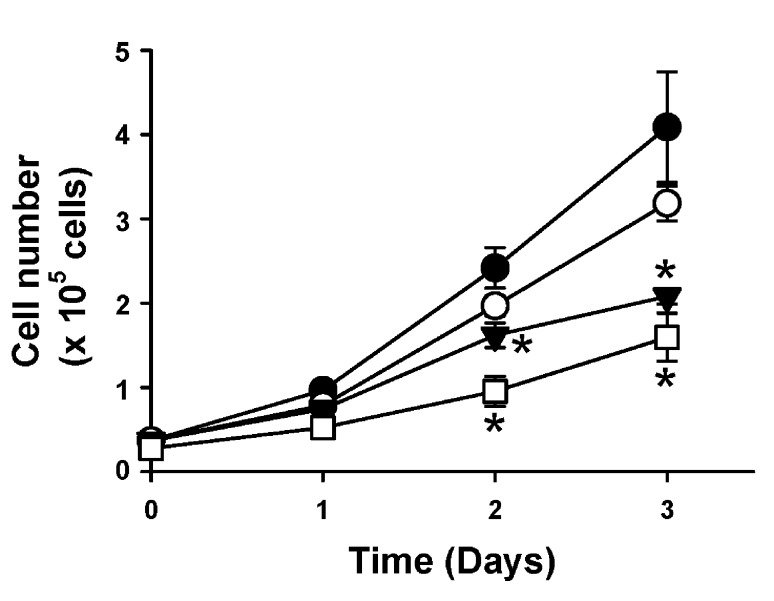
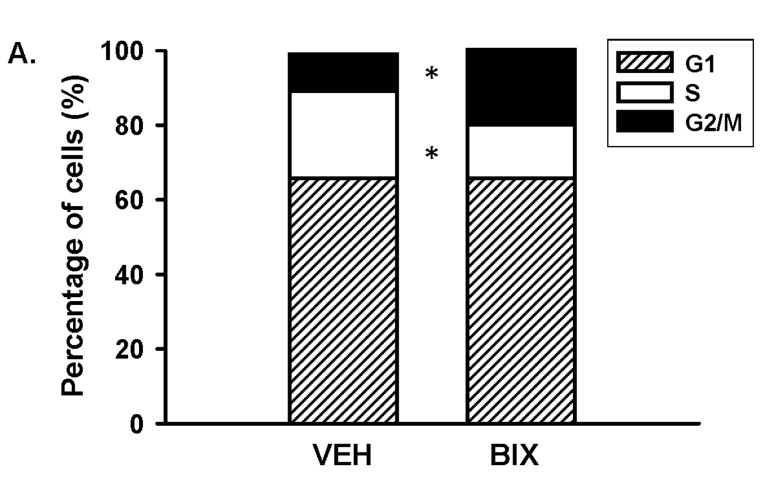
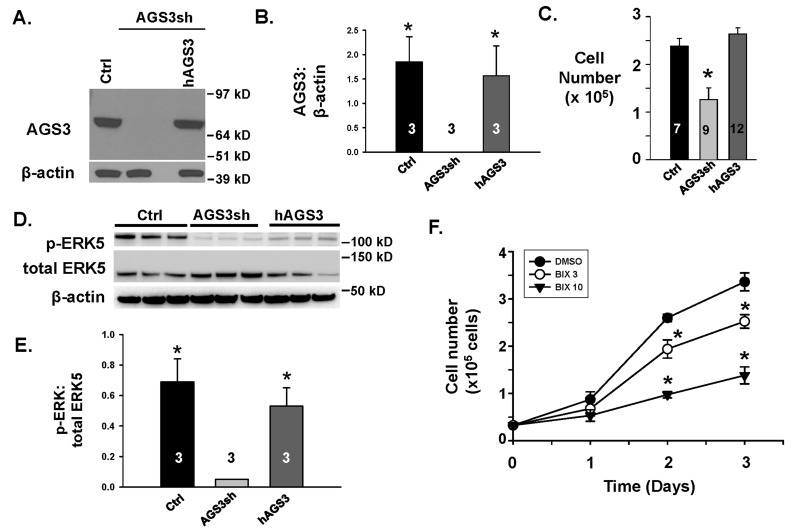
Activator of G-protein signaling 3 (AGS3) is an accessory protein that functions to regulate the activation status of heterotrimeric G-protein subunits. To date, however, the downstream signaling pathways regulated by AGS3 remain to be fully elucidated, particularly in renal epithelial cells. In the present study, normal rat kidney (NRK-52E) proximal tubular epithelial cells were genetically modified to regulate the expression of AGS3 to investigate its role on MAPK and mTOR signaling to control epithelial cell number. Knockdown of endogenous AGS3 protein was associated with a reduced phosphorylated form of ERK5 and increased apoptosis as determined by elevated cleaved caspase-3. In the presence of the ERK5 inhibitor, BIX02189, a significant 2-fold change (P < 0.05) in G2/M transition state was detected compared to control conditions. Neither of the other MAPK, ERK1/2 or p38 MAPK, nor another pro-survival pathway, mTOR, was significantly altered by the changes in AGS3 protein levels in the renal epithelial cells. The selective ERK5 inhibitor, BIX02189, was found to dose-dependently reduce NRK cell number by up to 41% (P < 0.05) compared to control cells. In summary, these findings demonstrated that cell viability was regulated by AGS3 and was associated with ERK5 activation in renal epithelial cells.
G蛋白信号转导激活因子3(AGS3)是一种辅助蛋白,其功能是调节异三聚体G蛋白亚基的激活状态。然而,迄今为止,由AGS3调节的下游信号通路仍有待充分阐明,尤其是在肾上皮细胞中。在本研究中,对正常大鼠肾(NRK-52E)近端肾小管上皮细胞进行基因改造,以调节AGS3的表达,从而研究其在丝裂原活化蛋白激酶(MAPK)和哺乳动物雷帕霉素靶蛋白(mTOR)信号传导中对控制上皮细胞数量的作用。通过检测裂解的半胱天冬酶-3水平升高发现,内源性AGS3蛋白的敲低与细胞外调节蛋白激酶5(ERK5)磷酸化形式的减少以及细胞凋亡增加有关。在存在ERK5抑制剂BIX02189的情况下,与对照条件相比,检测到G2/M期转换状态有显著的2倍变化(P<0.05)。肾上皮细胞中AGS3蛋白水平的变化并未显著改变其他MAPK(细胞外调节蛋白激酶1/2或p38 MAPK)或另一条促生存通路mTOR。发现选择性ERK5抑制剂BIX02189与对照细胞相比,能剂量依赖性地使NRK细胞数量减少高达41%(P<0.05)。总之,这些发现表明,肾上皮细胞的细胞活力受AGS3调节,且与ERK5激活有关。