Giampieri Riccardo, Salvatore Lisa, Del Prete Michela, Prochilo Tiziana, D'Anzeo Marco, Loretelli Cristian, Loupakis Fotios, Aprile Giuseppe, Maccaroni Elena, Andrikou Kalliopi, Bianconi Maristella, Bittoni Alessandro, Faloppi Luca, Demurtas Laura, Montironi Rodolfo, Scarpelli Marina, Falcone Alfredo, Zaniboni Alberto, Scartozzi Mario, Cascinu Stefano
Medical Oncology, Translational Research Unit, Azienda Ospedaliero-Universitaria Ospedali Riuniti, Università Politecnica delle Marche, Ancona, Italy.
Medical Oncology, Azienda Ospedaliero-Universitaria Pisana, Università di Pisa, Pisa, Italy.
Sci Rep. 2016 Apr 27;6:25195. doi: 10.1038/srep25195.
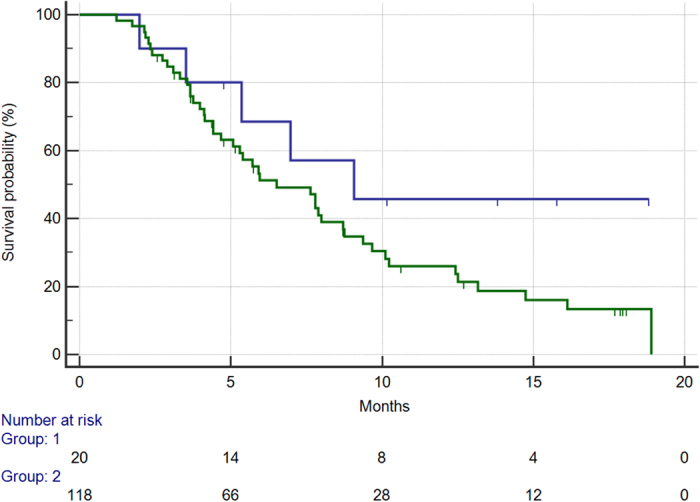
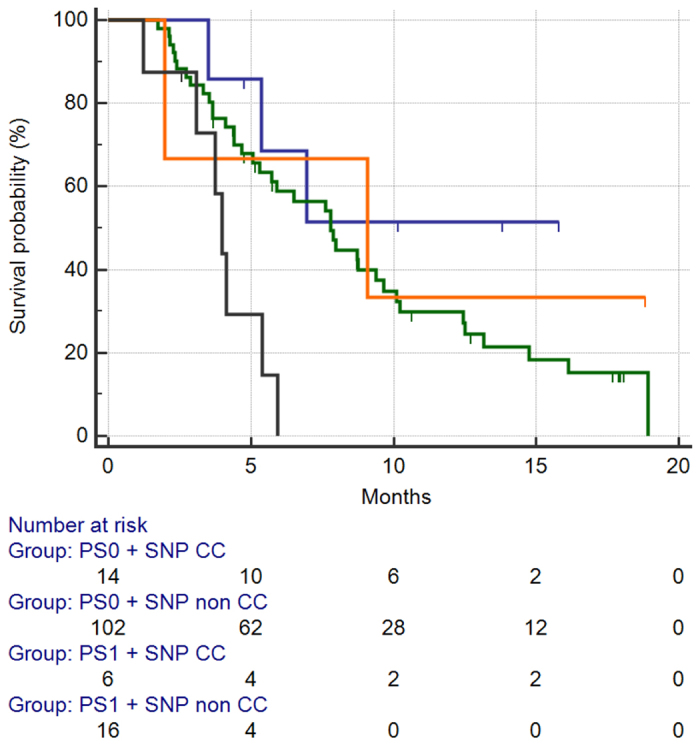
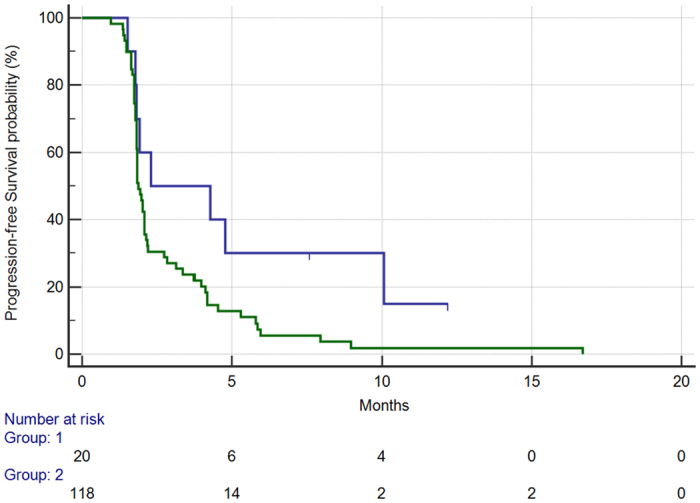
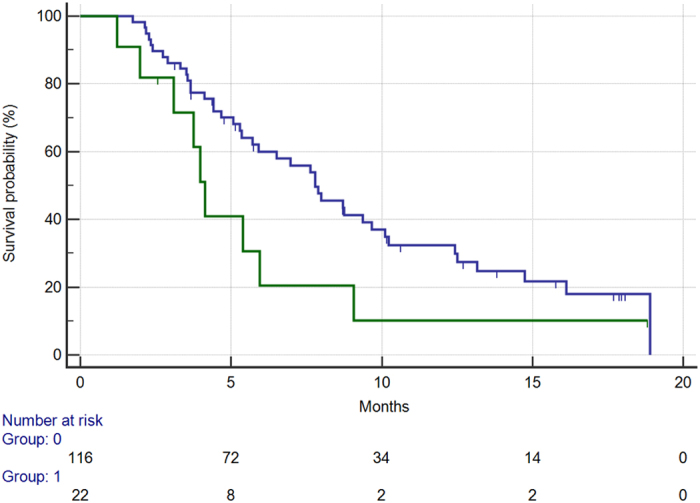
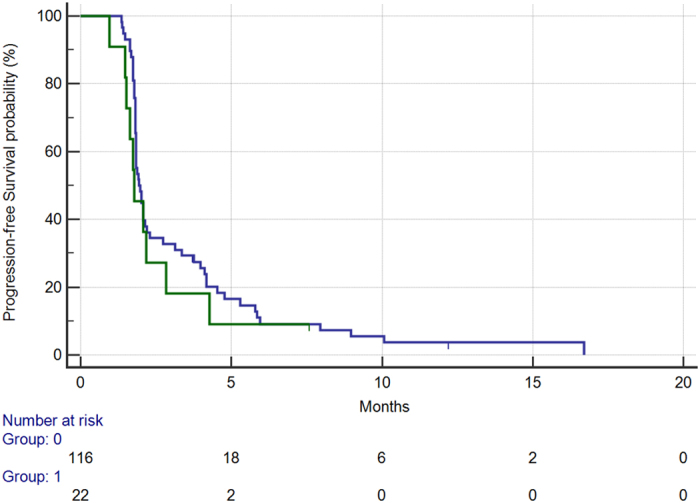
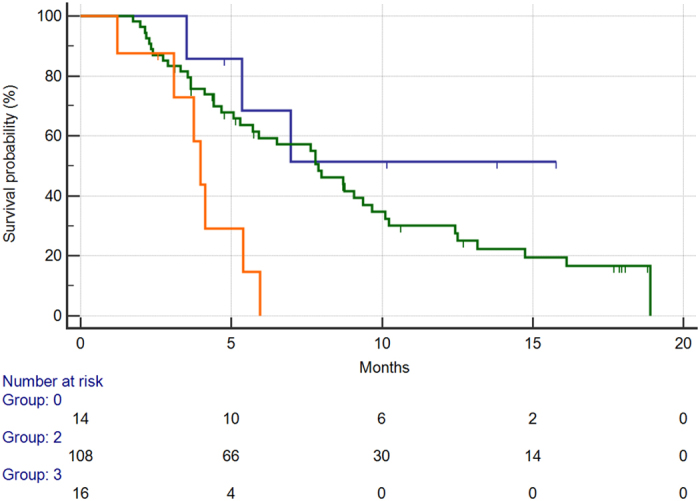
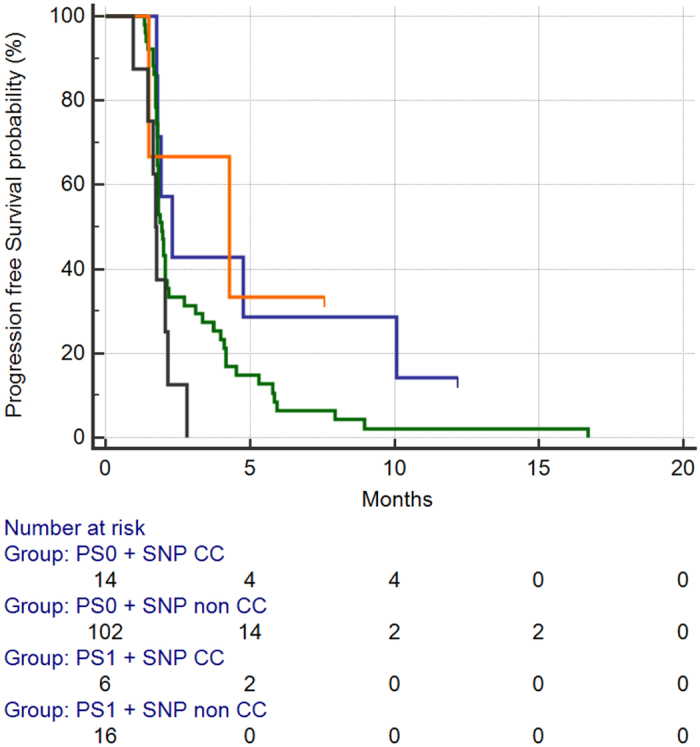
Regorafenib monotherapy is a potential option for metastatic colorectal cancer patients. However, the lack of predictive factors and the severe toxicities related to treatment have made its use in clinical practice challenging. Polymorphisms of VEGF and its receptor (VEGFR) genes might regulate angiogenesis and thus potentially influence outcome during anti-angiogenesis treatment such as regorafenib. Aim of our study was to evaluate the role of VEGF and VEGFR genotyping in determining clinical outcome for colorectal cancer patients receiving regorafenib. We retrospectively collected clinical data and samples (tumour or blood) of 138 metastatic colorectal cancer patients treated with regorafenib. We analysed the correlation of different VEGF-A, VEGF-C and VEGFR-1,2,3 single nucleotide polymorphisms (SNPs) with patients' progression-free survival (PFS) and overall survival (OS). Results from angiogenesis genotyping showed that only VEGF-A rs2010963 maintained an independent correlation with PFS and OS. Among clinical factors only ECOG PS was independently correlated with OS, whereas no correlation with PFS was evident. Grouping together those results allowed further patients stratification into 3 prognostic groups: favourable, intermediate and unfavourable. VEGF-A rs2010963 genotyping may represent an important tool for a more accurate selection of optimal candidates for regorafenib therapy.
瑞戈非尼单药治疗是转移性结直肠癌患者的一种潜在选择。然而,缺乏预测因素以及与治疗相关的严重毒性使得其在临床实践中的应用具有挑战性。血管内皮生长因子(VEGF)及其受体(VEGFR)基因的多态性可能会调节血管生成,从而在抗血管生成治疗(如瑞戈非尼)期间潜在地影响治疗结果。我们研究的目的是评估VEGF和VEGFR基因分型在接受瑞戈非尼治疗的结直肠癌患者临床结局判定中的作用。我们回顾性收集了138例接受瑞戈非尼治疗的转移性结直肠癌患者的临床数据和样本(肿瘤或血液)。我们分析了不同的VEGF - A、VEGF - C以及VEGFR - 1、2、3单核苷酸多态性(SNP)与患者无进展生存期(PFS)和总生存期(OS)的相关性。血管生成基因分型结果显示,只有VEGF - A rs2010963与PFS和OS保持独立相关性。在临床因素中,只有东部肿瘤协作组(ECOG)体力状态评分与OS独立相关,而与PFS无明显相关性。综合这些结果可将患者进一步分层为3个预后组:良好、中等和不良。VEGF - A rs2010963基因分型可能是更准确选择瑞戈非尼治疗最佳候选者的重要工具。