Kapur Neeraj, Mir Hina, Clark Iii Clarence E, Krishnamurti Uma, Beech Derrick J, Lillard James W, Singh Shailesh
Department of Microbiology, Biochemistry and Immunology, Morehouse School of Medicine, Atlanta, GA 30310, USA.
Department of Surgery, Morehouse School of Medicine, Atlanta, GA 30310, USA.
Br J Cancer. 2016 Jun 14;114(12):1343-51. doi: 10.1038/bjc.2016.113. Epub 2016 May 5.
Adjuvant chemotherapy offered to treat colon cancer is based on the TNM staging system, which often fails due to molecular heterogeneity and undefined molecular mechanisms independent of TNM. Therefore, identification of markers to better predict therapeutic option and outcome is needed. In this study we have characterised the clinical association of CCR6 with colon cancer and defined CCR6-mediated molecular pathway.
Immunohistochemistry, RT-qPCR, western blot and FACS were used to determine expression of CCR6 and/or EMT markers in colon tissues/cells. BrdU assay and trans-well system were used to determine cell proliferation, migration and invasion in response to CCL20.
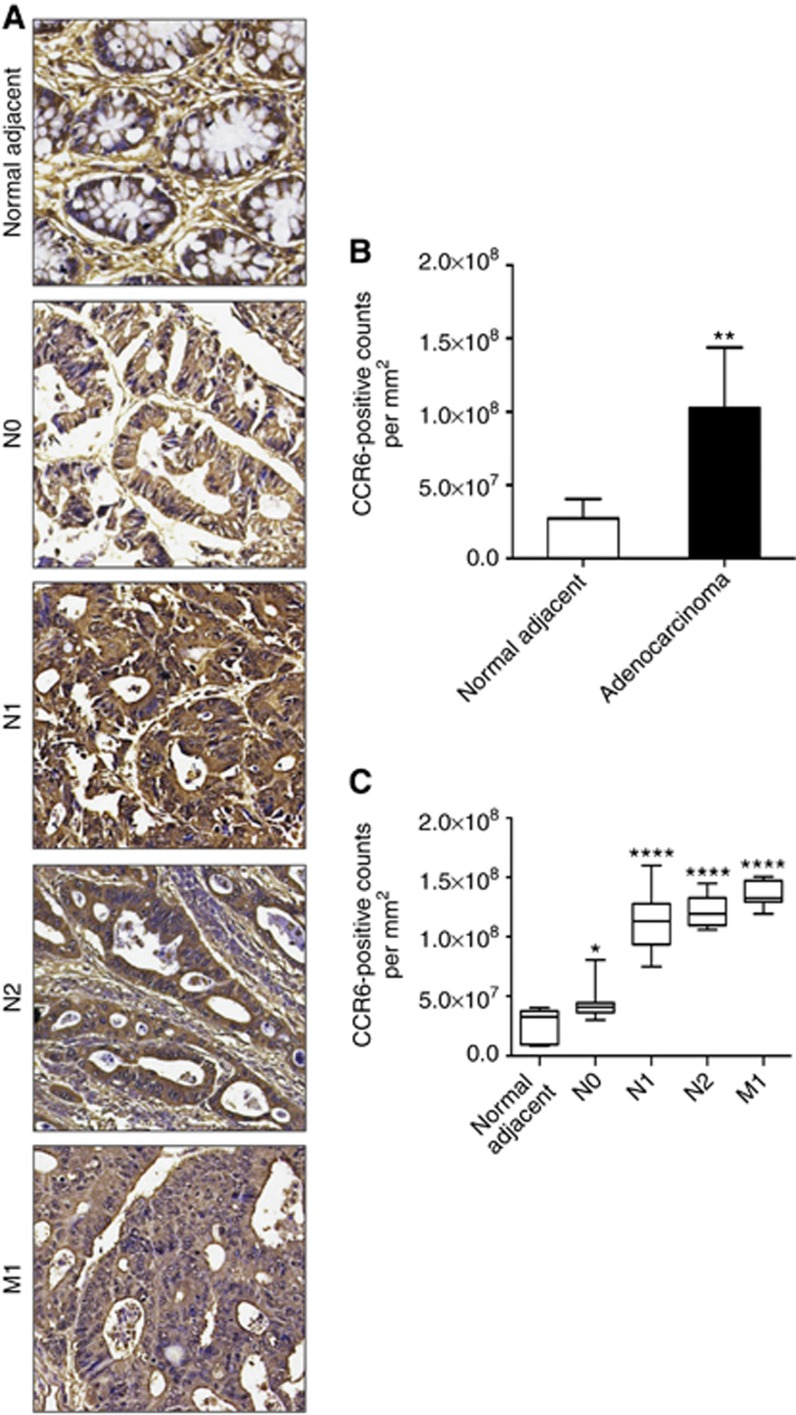
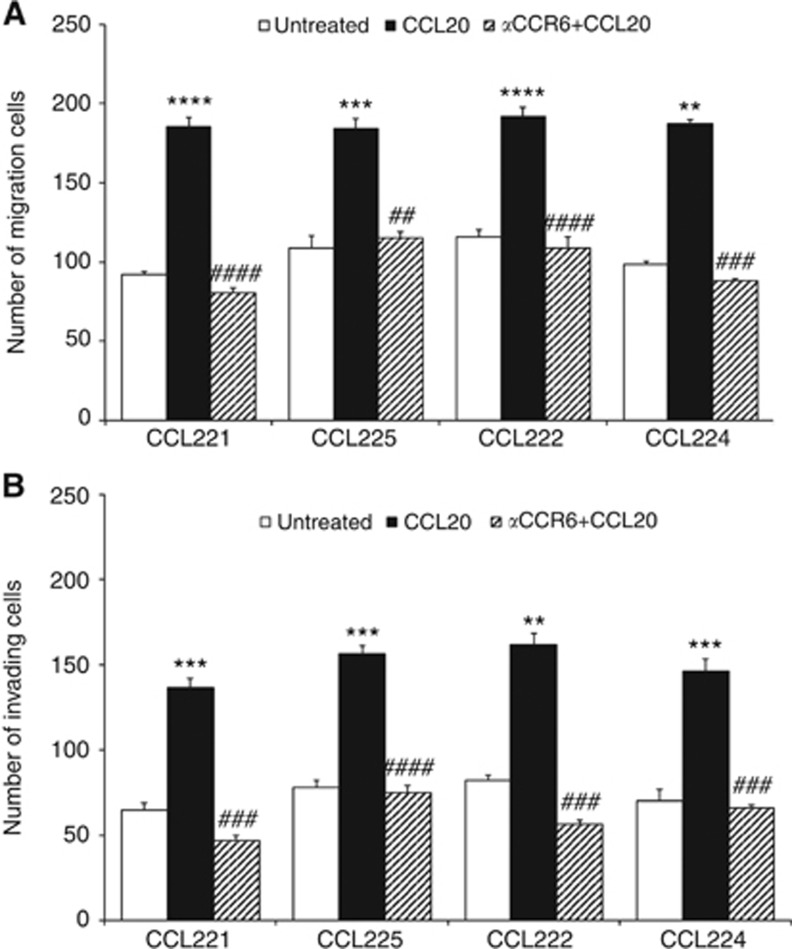
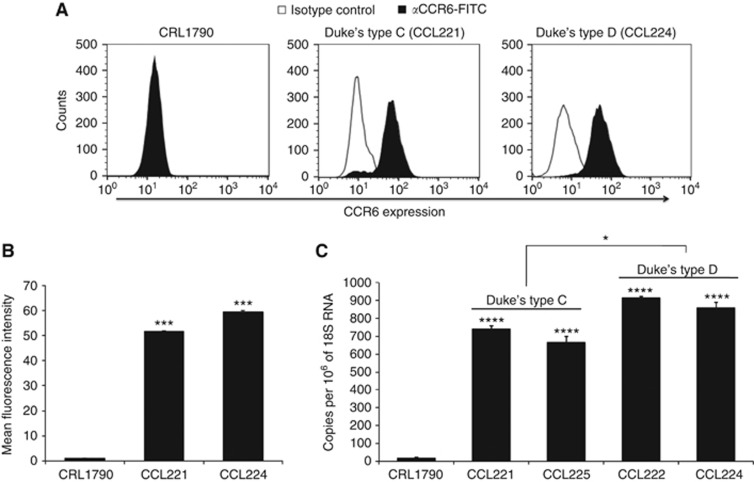
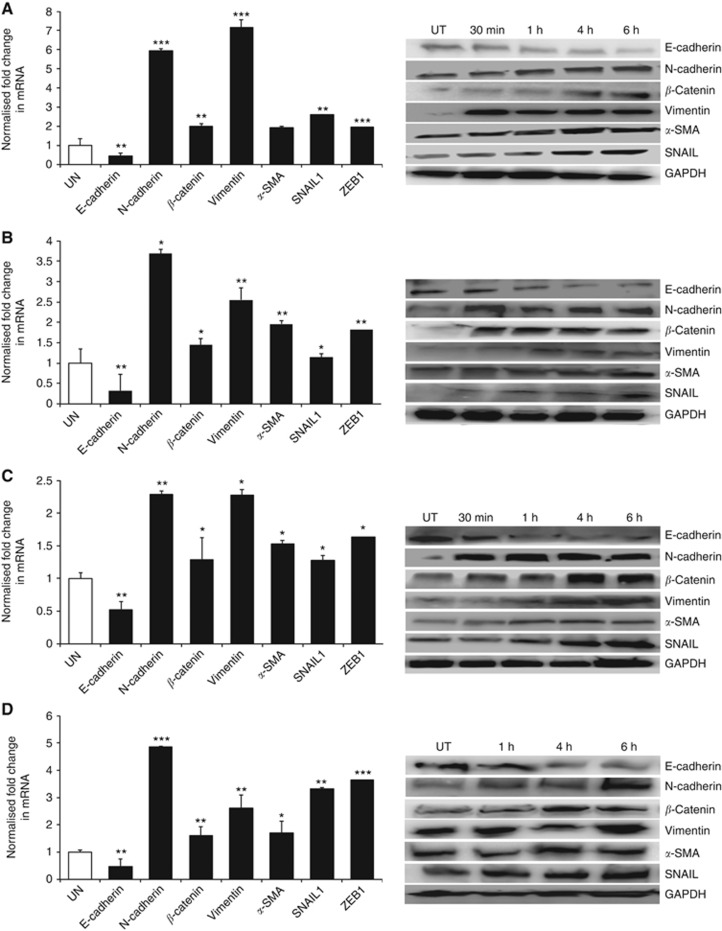
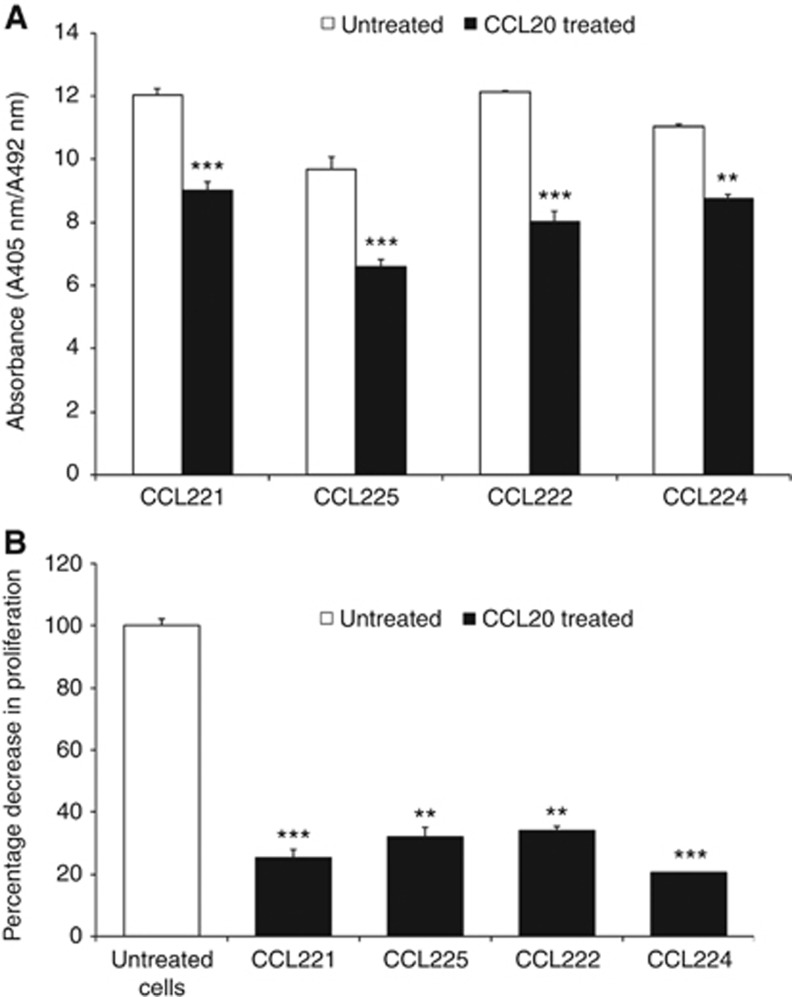
CCR6 was higher in cancer cases compared to normal adjacent tissue and expression was associated with nodal status and distant metastasis. Similarly, CCR6 expression was higher in cells derived from node-positive cases and highest expression was in cells derived from metastatic cases. Significant changes in EMT markers, that is, E-cadherin, vimentin, β-catenin, N-cadherin, α-SMA, SNAILl and ZEB1 were observed in response to CCL20 along with decreased proliferation, increased migratory and invasive potential.
Results suggest CCR6 as a potential therapeutic target as well as biomarker in addition to nodal status for predicting therapeutic option.
用于治疗结肠癌的辅助化疗基于TNM分期系统,但由于分子异质性以及独立于TNM的未明确分子机制,该系统常常失效。因此,需要鉴定能更好预测治疗方案和预后的标志物。在本研究中,我们已对CCR6与结肠癌的临床关联进行了特征分析,并明确了CCR6介导的分子途径。
采用免疫组织化学、RT-qPCR、蛋白质免疫印迹和流式细胞术来测定结肠组织/细胞中CCR6和/或上皮-间质转化(EMT)标志物的表达。使用BrdU检测法和Transwell系统来测定细胞对CCL20的增殖、迁移和侵袭反应。
与相邻正常组织相比,癌症病例中CCR6水平更高,且其表达与淋巴结状态和远处转移相关。同样,来自淋巴结阳性病例的细胞中CCR6表达更高,而来自转移病例的细胞中表达最高。在CCL20刺激下,观察到EMT标志物(即E-钙黏蛋白、波形蛋白、β-连环蛋白、N-钙黏蛋白、α-平滑肌肌动蛋白、SNAIL1和ZEB1)发生显著变化,同时细胞增殖减少,迁移和侵袭潜能增加。
结果表明,CCR6除了作为预测治疗方案的淋巴结状态标志物外,还是一种潜在的治疗靶点和生物标志物。