Manchon Jose Felix Moruno, Dabaghian Yuri, Uzor Ndidi-Ese, Kesler Shelli R, Wefel Jeffrey S, Tsvetkov Andrey S
Department of Neurobiology and Anatomy, University of Texas, Houston Medical School, Houston, TX, USA.
The Jan and Dan Duncan Neurological Research Institute, Baylor College of Medicine, Houston, TX, USA.
Sci Rep. 2016 May 11;6:25705. doi: 10.1038/srep25705.
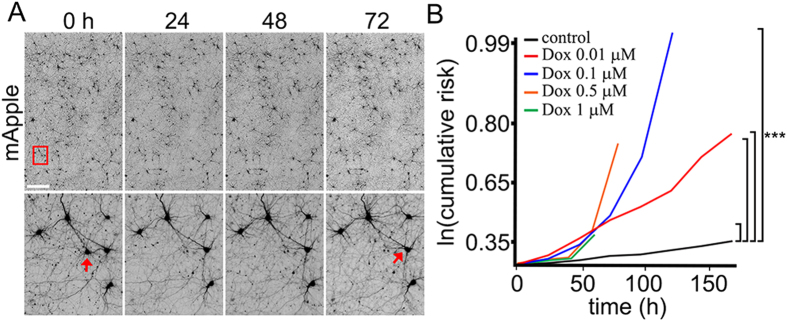
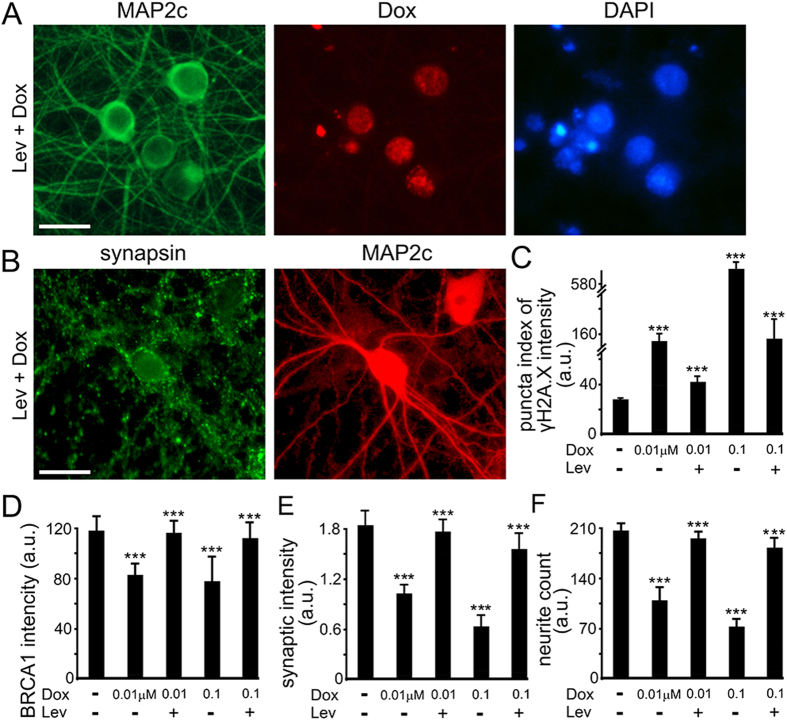
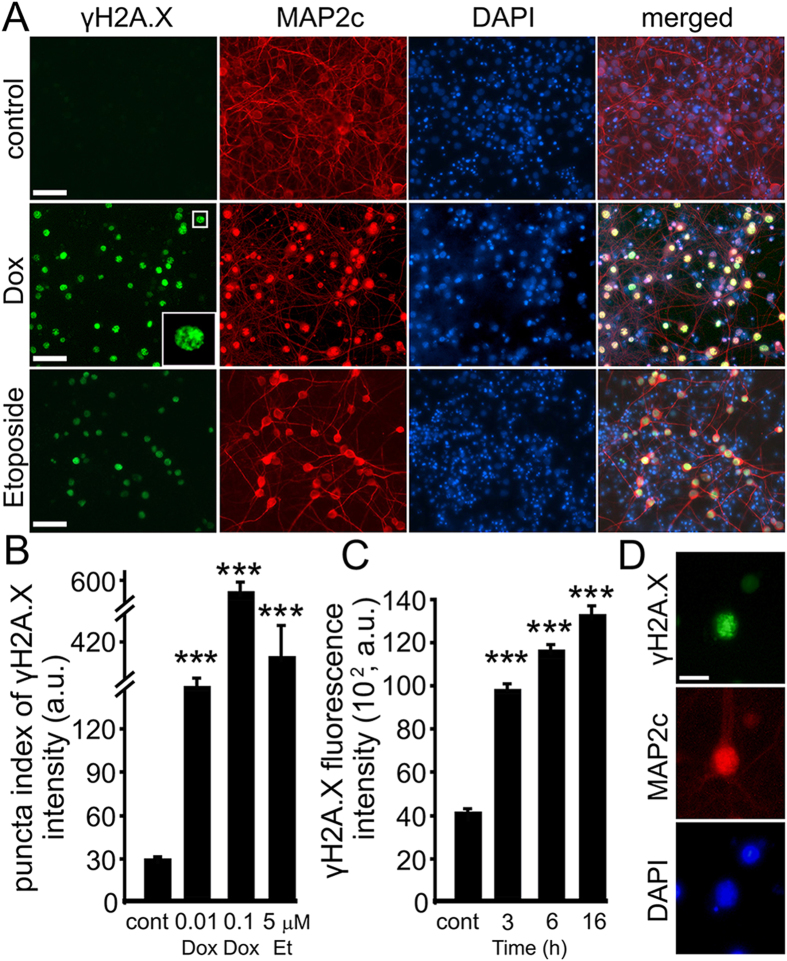
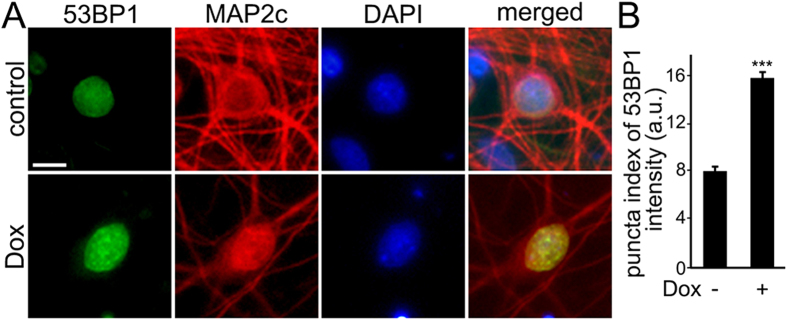
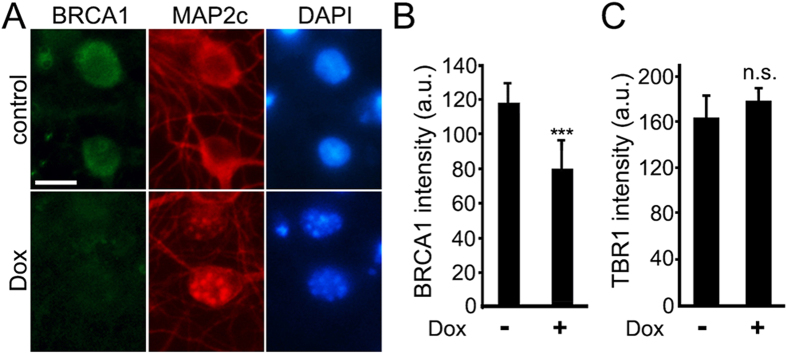
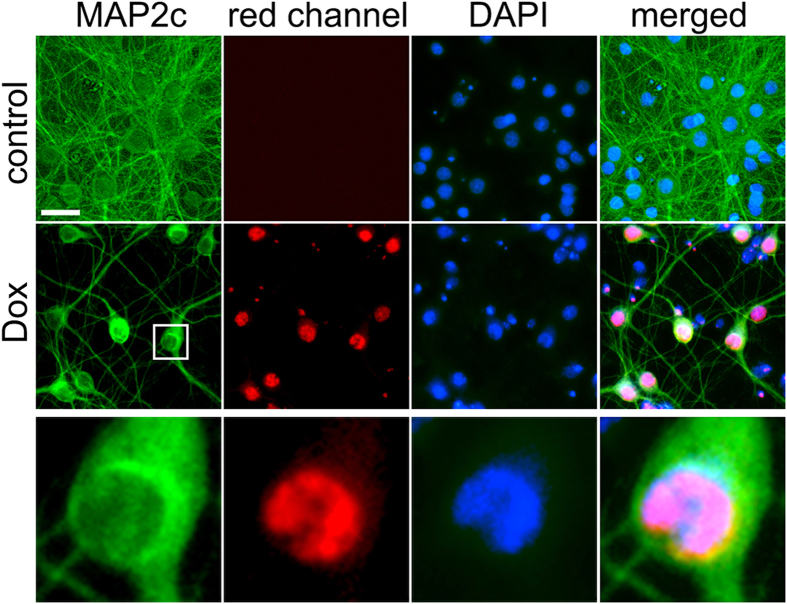
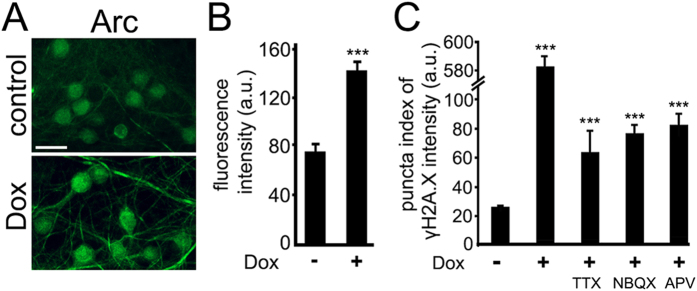
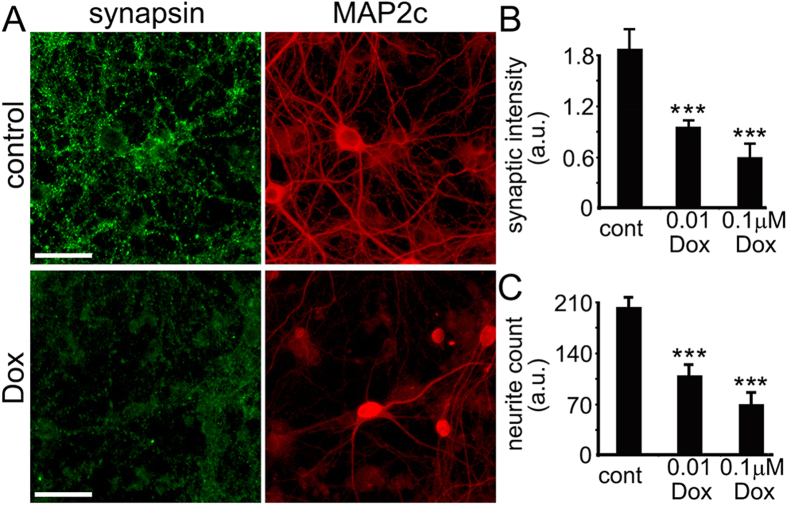
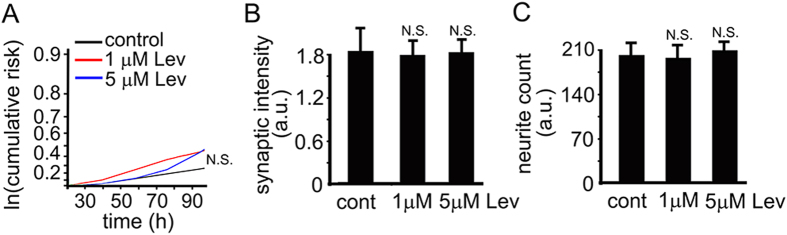
Neurotoxicity may occur in cancer patients and survivors during or after chemotherapy. Cognitive deficits associated with neurotoxicity can be subtle or disabling and frequently include disturbances in memory, attention, executive function and processing speed. Searching for pathways altered by anti-cancer treatments in cultured primary neurons, we discovered that doxorubicin, a commonly used anti-neoplastic drug, significantly decreased neuronal survival. The drug promoted the formation of DNA double-strand breaks in primary neurons and reduced synaptic and neurite density. Pretreatment of neurons with levetiracetam, an FDA-approved anti-epileptic drug, enhanced survival of chemotherapy drug-treated neurons, reduced doxorubicin-induced formation of DNA double-strand breaks, and mitigated synaptic and neurite loss. Thus, levetiracetam might be part of a valuable new approach for mitigating synaptic damage and, perhaps, for treating cognitive disturbances in cancer patients and survivors.
神经毒性可能在癌症患者及幸存者接受化疗期间或之后出现。与神经毒性相关的认知缺陷可能较为隐匿或导致功能障碍,常包括记忆、注意力、执行功能及处理速度方面的紊乱。在原代培养神经元中探寻抗癌治疗所改变的通路时,我们发现多柔比星(一种常用的抗肿瘤药物)显著降低了神经元的存活率。该药物促使原代神经元中DNA双链断裂的形成,并降低了突触和神经突密度。用左乙拉西坦(一种经美国食品药品监督管理局批准的抗癫痫药物)对神经元进行预处理,可提高经化疗药物处理的神经元的存活率,减少多柔比星诱导的DNA双链断裂的形成,并减轻突触和神经突的损失。因此,左乙拉西坦可能是减轻突触损伤、或许还能治疗癌症患者及幸存者认知障碍的一种有价值的新方法的一部分。