Pomara C, Riezzo I, Bello S, De Carlo D, Neri M, Turillazzi E
Department of Clinical and Experimental Medicine, Section of Forensic Pathology, Ospedale Colonnello D'Avanzo, University of Foggia, Viale degli Aviatori 1, 71100 Foggia, Italy.
Mediators Inflamm. 2016;2016:4062829. doi: 10.1155/2016/4062829. Epub 2016 Apr 27.
Sepsis is among the leading causes of death worldwide and is the focus of a great deal of attention from policymakers and caregivers. However, sepsis poses significant challenges from a clinical point of view regarding its early detection and the best organization of sepsis care. Furthermore, we do not yet have reliable tools for measuring the incidence of sepsis. Methods based on analyses of insurance claims are unreliable, and postmortem diagnosis is still challenging since autopsy findings are often nonspecific.
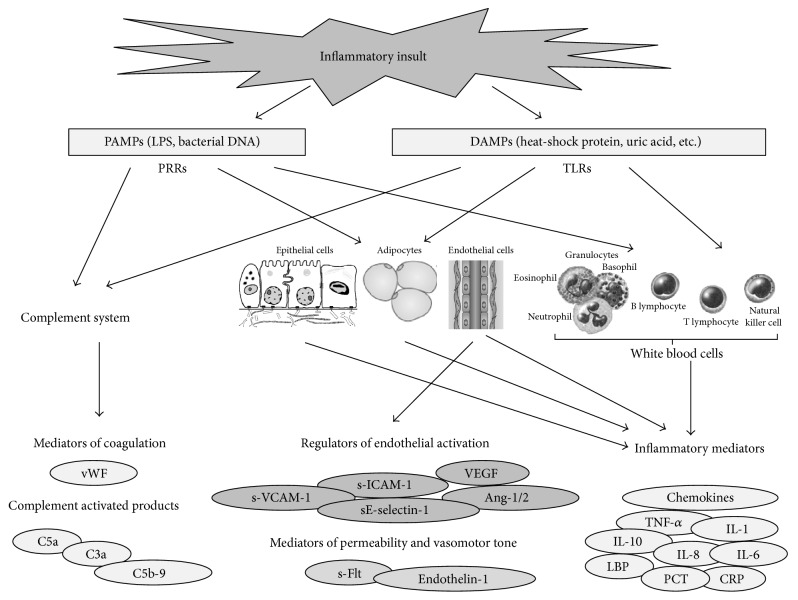
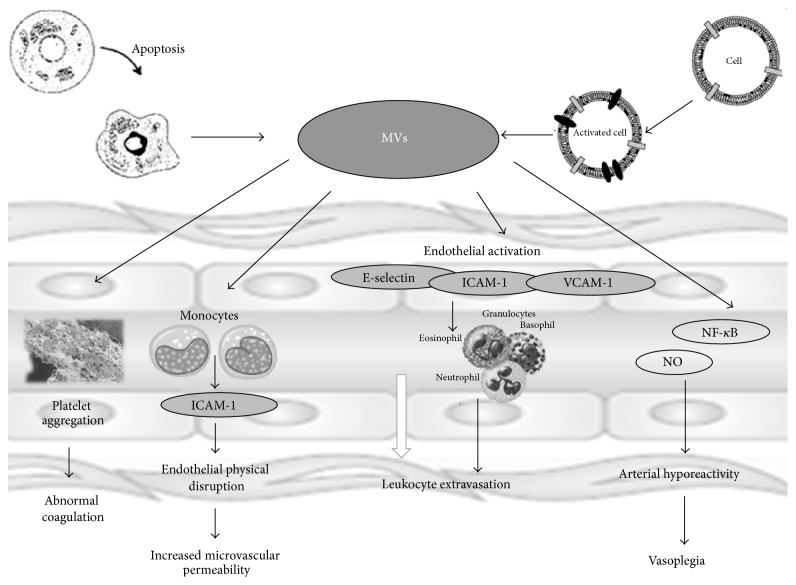
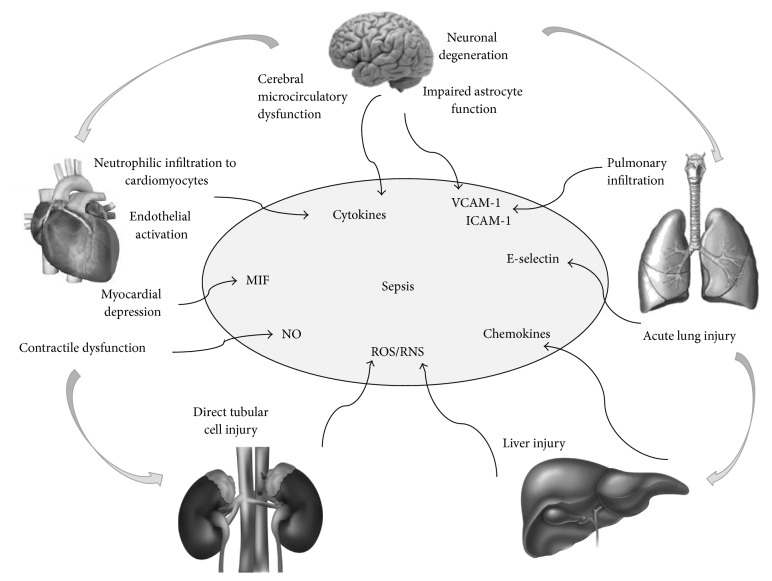
The objective of this review is to assess the state of our knowledge of the molecular and biohumoral mechanisms of sepsis and to correlate them with our postmortem diagnosis ability.
The diagnosis of sepsis-related deaths is an illustrative example of the reciprocal value of autopsy both for clinicians and for pathologists. A complete methodological approach, integrating clinical data by means of autopsy and histological and laboratory findings aiming to identify and demonstrate the host response to infectious insults, is mandatory to illuminate the exact cause of death. This would help clinicians to compare pre- and postmortem findings and to reliably measure the incidence of sepsis.
脓毒症是全球主要死因之一,受到政策制定者和护理人员的广泛关注。然而,从临床角度来看,脓毒症在早期检测和脓毒症护理的最佳组织方面带来了重大挑战。此外,我们尚未拥有可靠的工具来测量脓毒症的发病率。基于保险理赔分析的方法不可靠,而尸检诊断仍然具有挑战性,因为尸检结果往往不具有特异性。
本综述的目的是评估我们对脓毒症分子和生物体液机制的了解程度,并将其与我们的尸检诊断能力相关联。
脓毒症相关死亡的诊断是尸检对临床医生和病理学家的相互价值的一个典型例子。必须采用完整的方法,通过尸检整合临床数据以及组织学和实验室检查结果,旨在识别和证明宿主对感染性损伤的反应,以阐明确切死因。这将有助于临床医生比较生前和死后的检查结果,并可靠地测量脓毒症的发病率。