Di Maggio Francesco, Arumugam Prabhu, Delvecchio Francesca R, Batista Silvia, Lechertier Tanguy, Hodivala-Dilke Kairbaan, Kocher Hemant M
Centre for Tumour Biology, Barts Cancer Institute - a CRUK Centre of Excellence, Queen Mary University of London, London EC1M 6BQ, UK; Barts and the London HPB Centre, The Royal London Hospital, Barts Health NHS Trust, London E1 1BB, UK.
Centre for Tumour Biology, Barts Cancer Institute - a CRUK Centre of Excellence, Queen Mary University of London, London EC1M 6BQ, UK.
Pancreatology. 2016 Nov-Dec;16(6):995-1004. doi: 10.1016/j.pan.2016.05.393. Epub 2016 Jun 1.
BACKGROUND/OBJECTIVES: The vascular heterogeneity of pancreatic ductal adenocarcinoma (PDAC) has never been characterised. We analysed the heterogeneous vascular density of human PDAC along with its prognostic correlation.
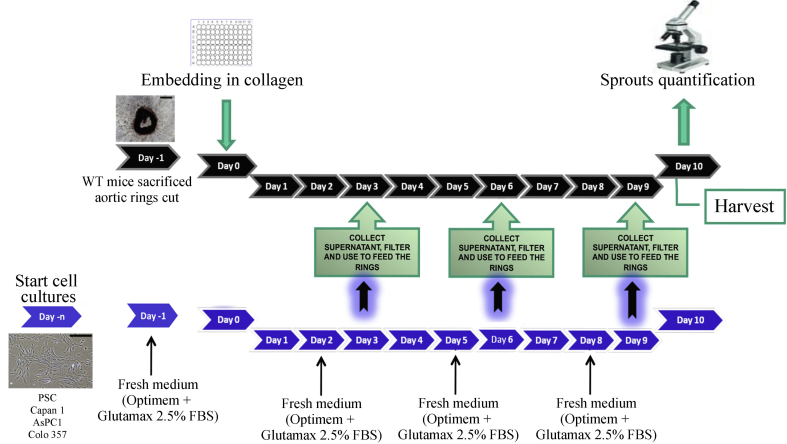
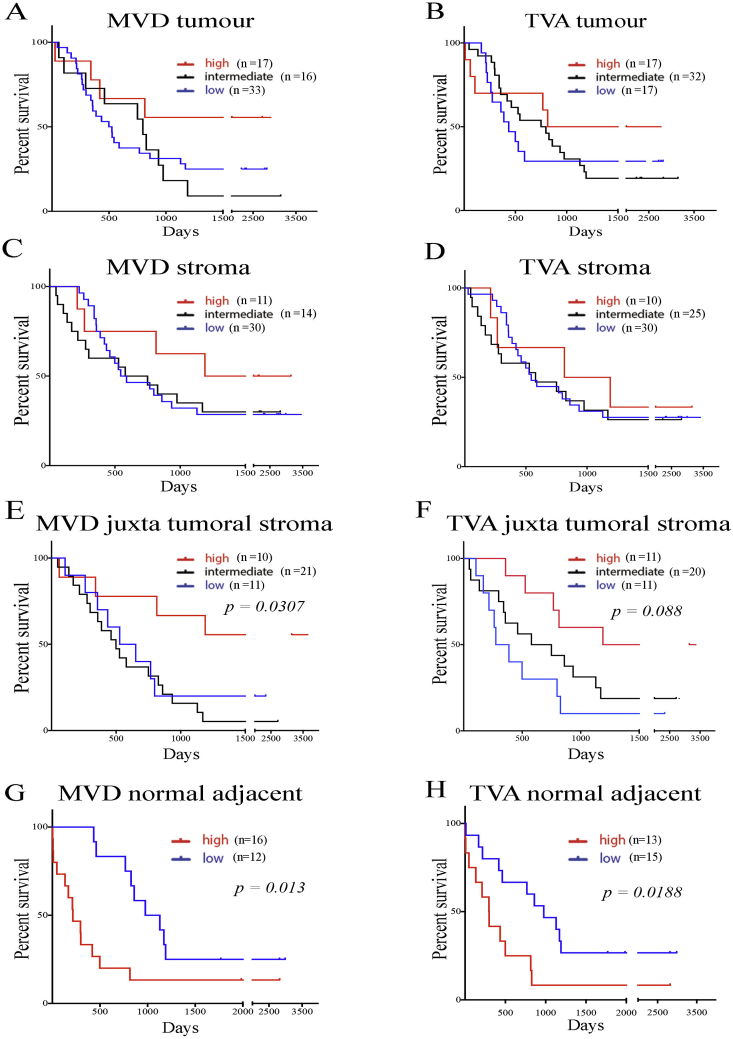
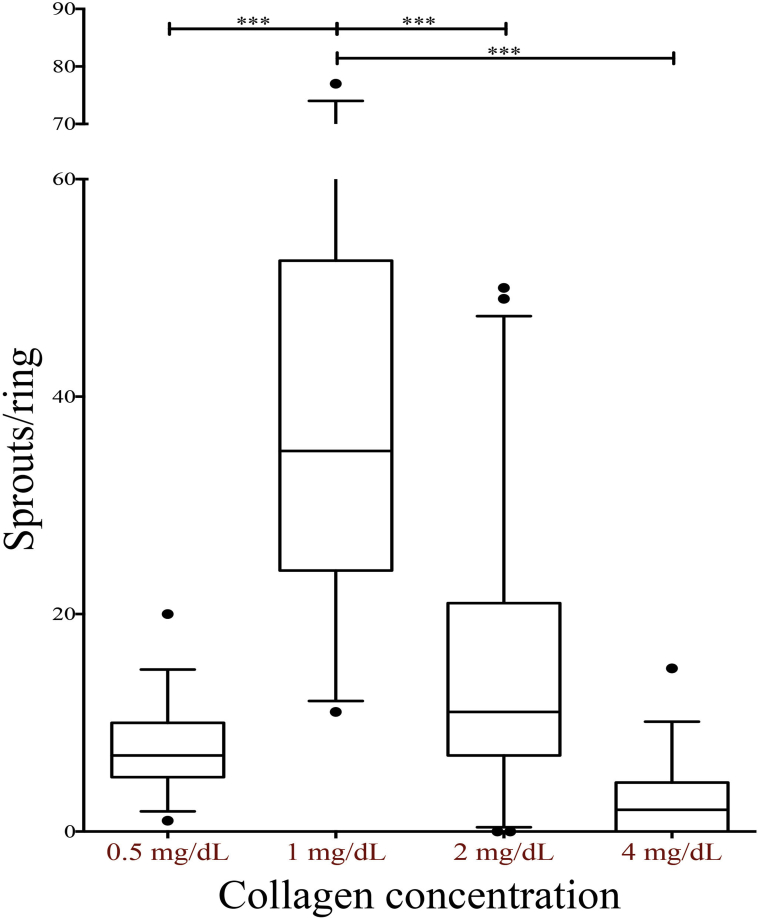
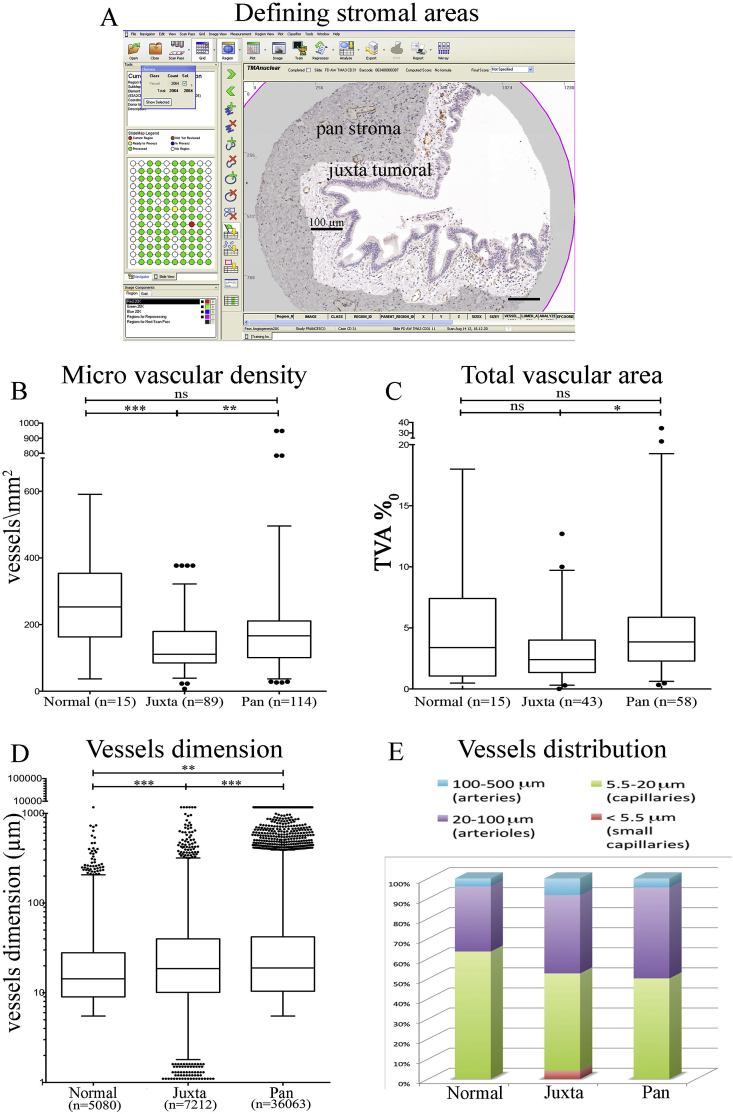
Tissue Microarrays of 87 patients with different pancreatico-biliary pathologies were analysed in an automated manner (Ariol™) after CD31 staining to assess vascular density in juxta-tumoral and panstromal compartments. In vitro and ex vivo assays were carried out to assess the role of PSC.
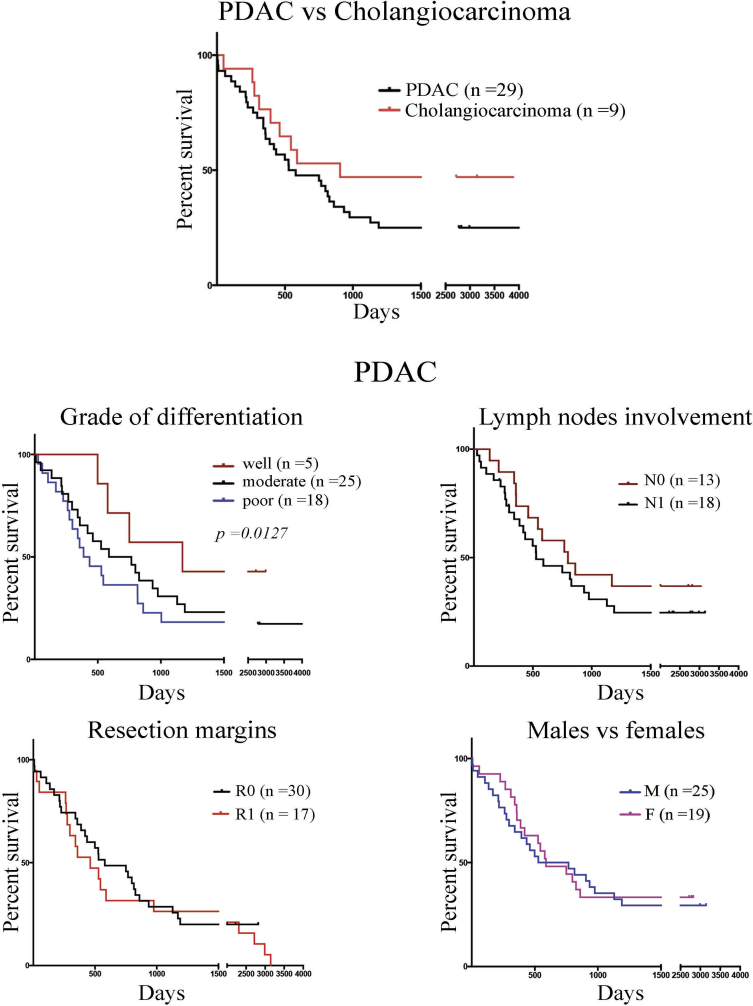
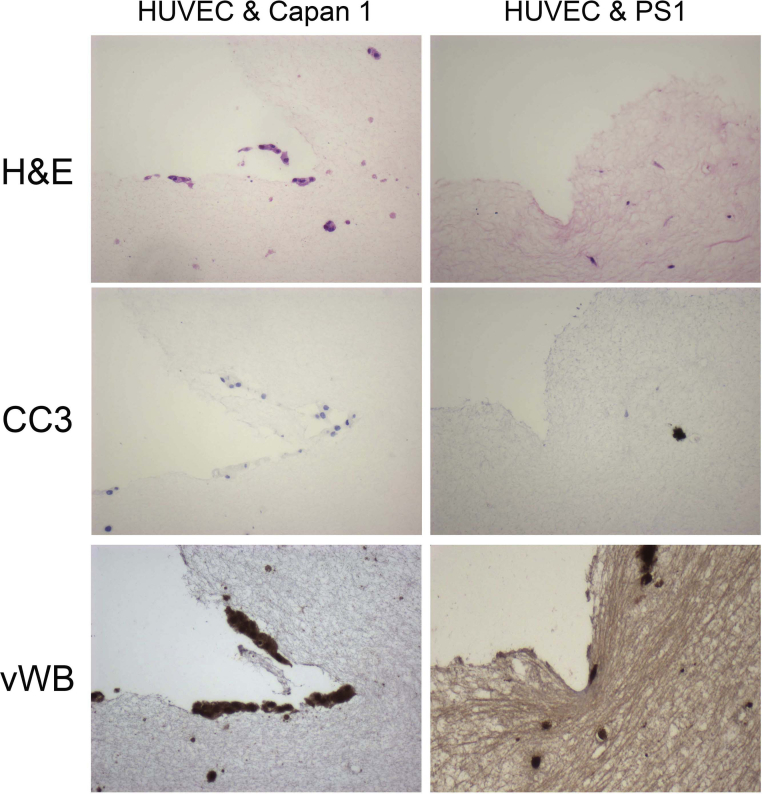
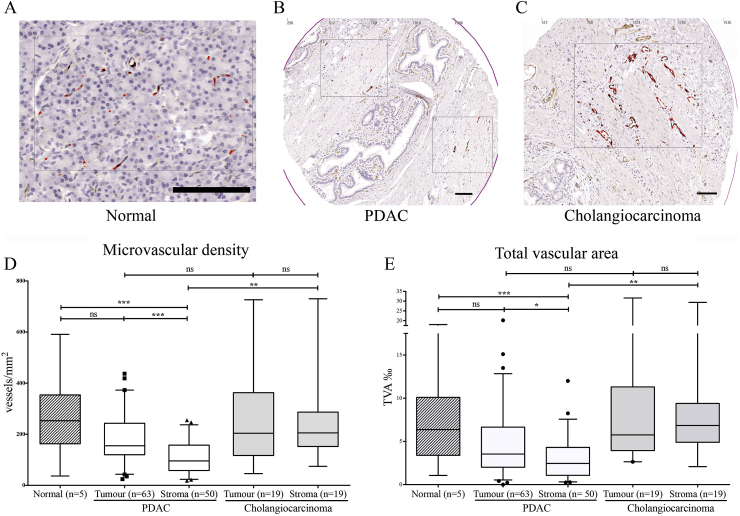
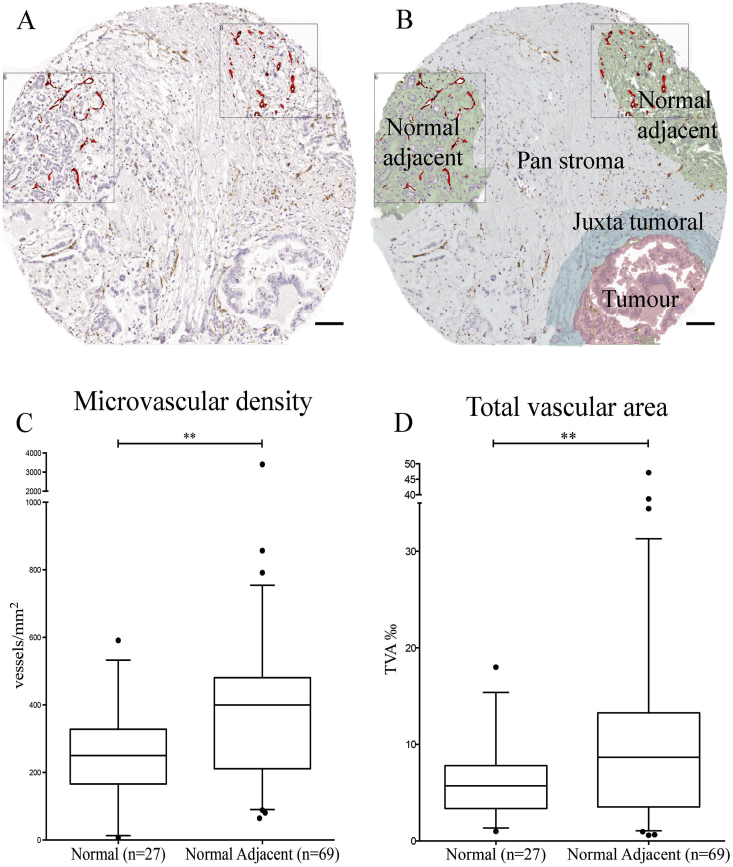
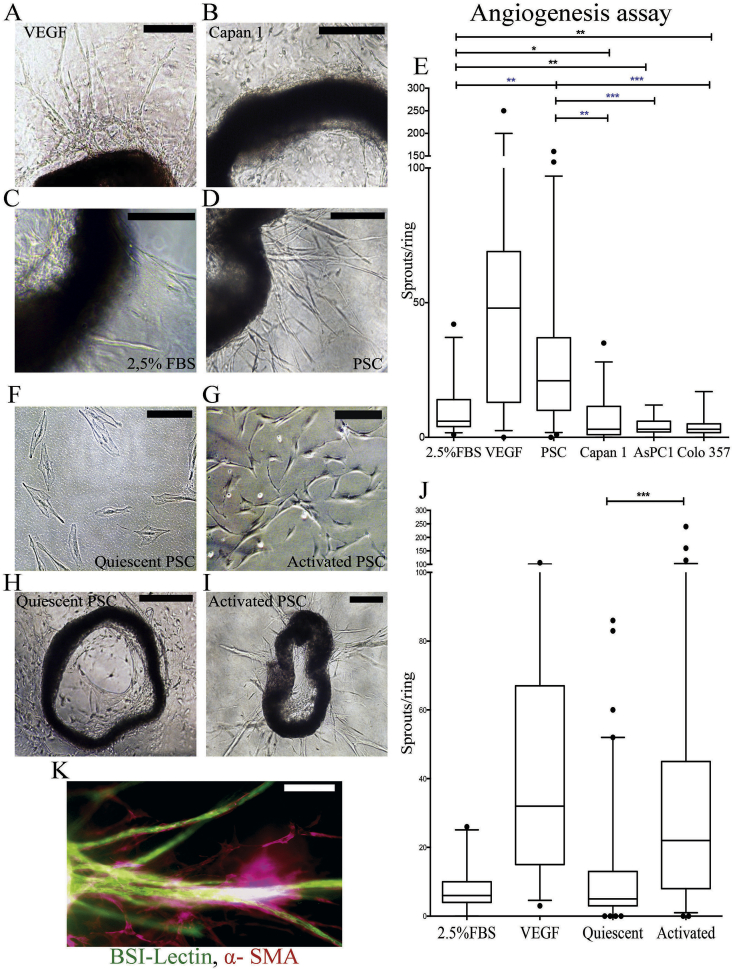
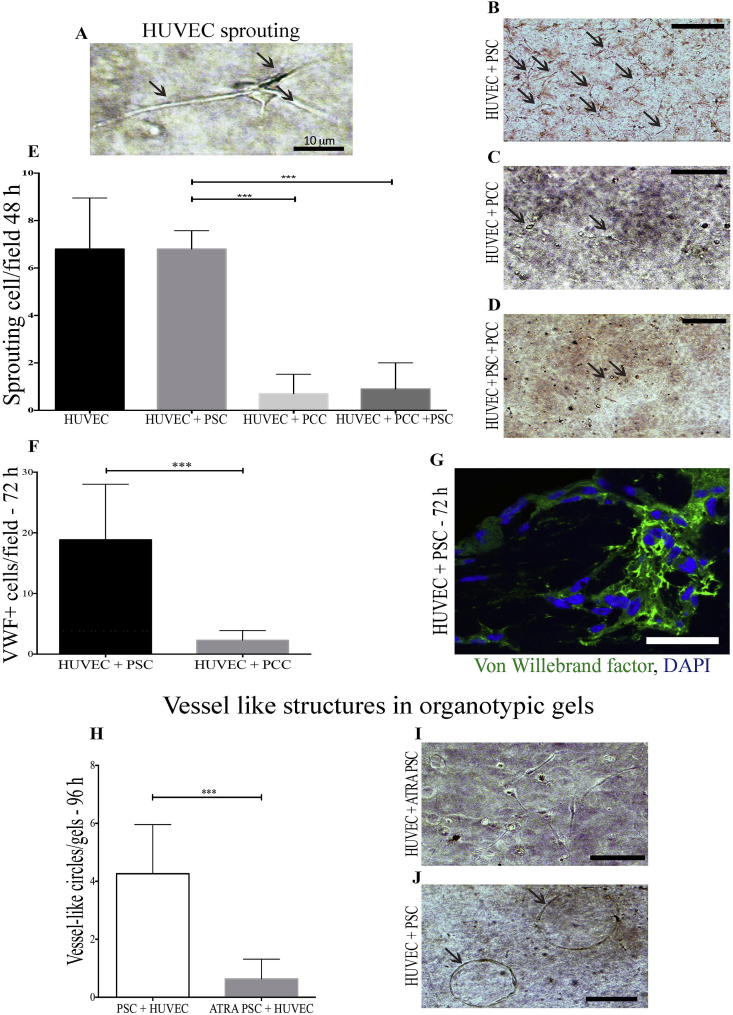
PDAC has a distinct vascular density and distribution of vessels compared to cholangiocarcinoma. The PDAC juxta-tumoral stroma was hypovascular and the normal adjacent rim was hypervascular compared to the panstromal compartment. These features adversely affected patient prognosis, suggesting a model for spatio-temporal PDAC evolution. Mice aortic rings and 3D organotypic cultures demonstrated pro- and anti-angiogenic signalling from activated PSC and cancer cells respectively. ATRA-induced quiescence suppressed the pro-angiogenic activity of PSC.
Human PDAC has variable vascularity at microscopic level suggesting that novel stromal directed therapies would need to be determined by pathological characteristics.
背景/目的:胰腺导管腺癌(PDAC)的血管异质性从未得到过表征。我们分析了人类PDAC的异质性血管密度及其预后相关性。
对87例患有不同胰胆管疾病的患者的组织微阵列进行CD31染色后,采用自动化方式(Ariol™)进行分析,以评估肿瘤旁和全基质区室的血管密度。进行体外和离体试验以评估PSC的作用。
与胆管癌相比,PDAC具有独特的血管密度和血管分布。与全基质区室相比,PDAC肿瘤旁基质血管较少,而正常相邻边缘血管较多。这些特征对患者预后产生不利影响,提示了一种时空性PDAC演变模型。小鼠主动脉环和3D器官型培养分别显示了活化的PSC和癌细胞的促血管生成和抗血管生成信号。ATRA诱导的静止状态抑制了PSC的促血管生成活性。
人类PDAC在微观水平上具有可变的血管分布,这表明新型基质导向疗法需要根据病理特征来确定。