Bielinska Anna U, O'Konek Jessica J, Janczak Katarzyna W, Baker James R
Michigan Nanotechnology Institute for Medicine and Biological Sciences, University of Michigan Medical School, Ann Arbor, MI 48109, United States.
Michigan Nanotechnology Institute for Medicine and Biological Sciences, University of Michigan Medical School, Ann Arbor, MI 48109, United States; Mary H. Weiser Food Allergy Center, University of Michigan, Ann Arbor, MI 48109, United States.
Vaccine. 2016 Jul 25;34(34):4017-24. doi: 10.1016/j.vaccine.2016.06.043. Epub 2016 Jun 23.
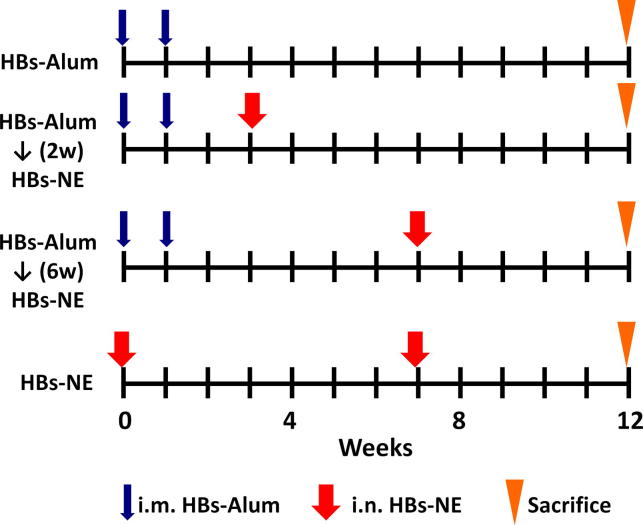
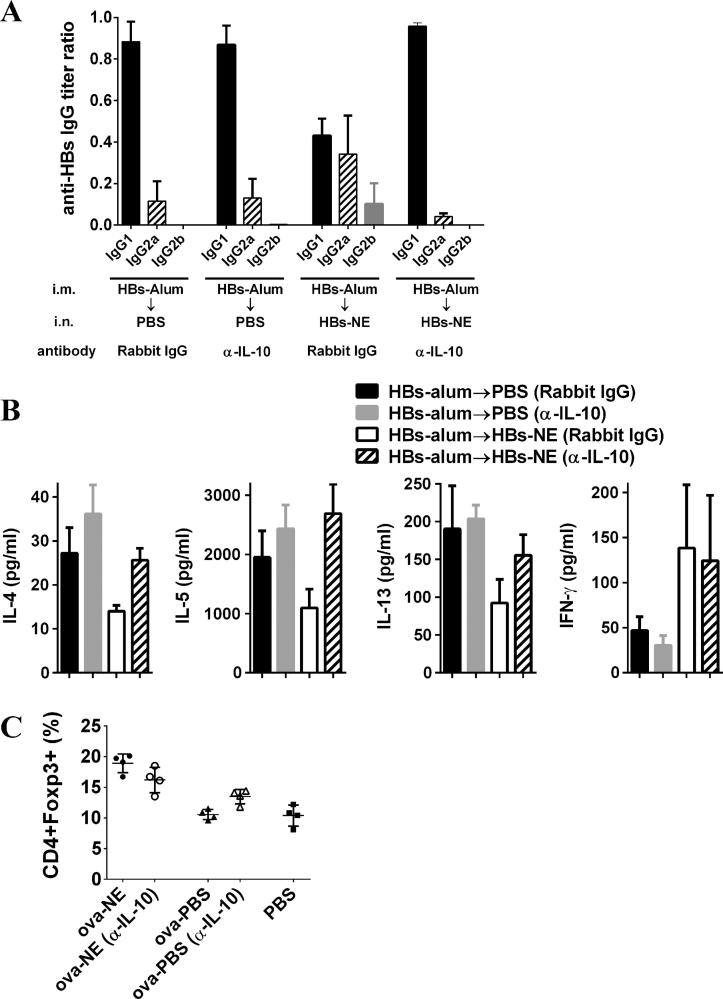
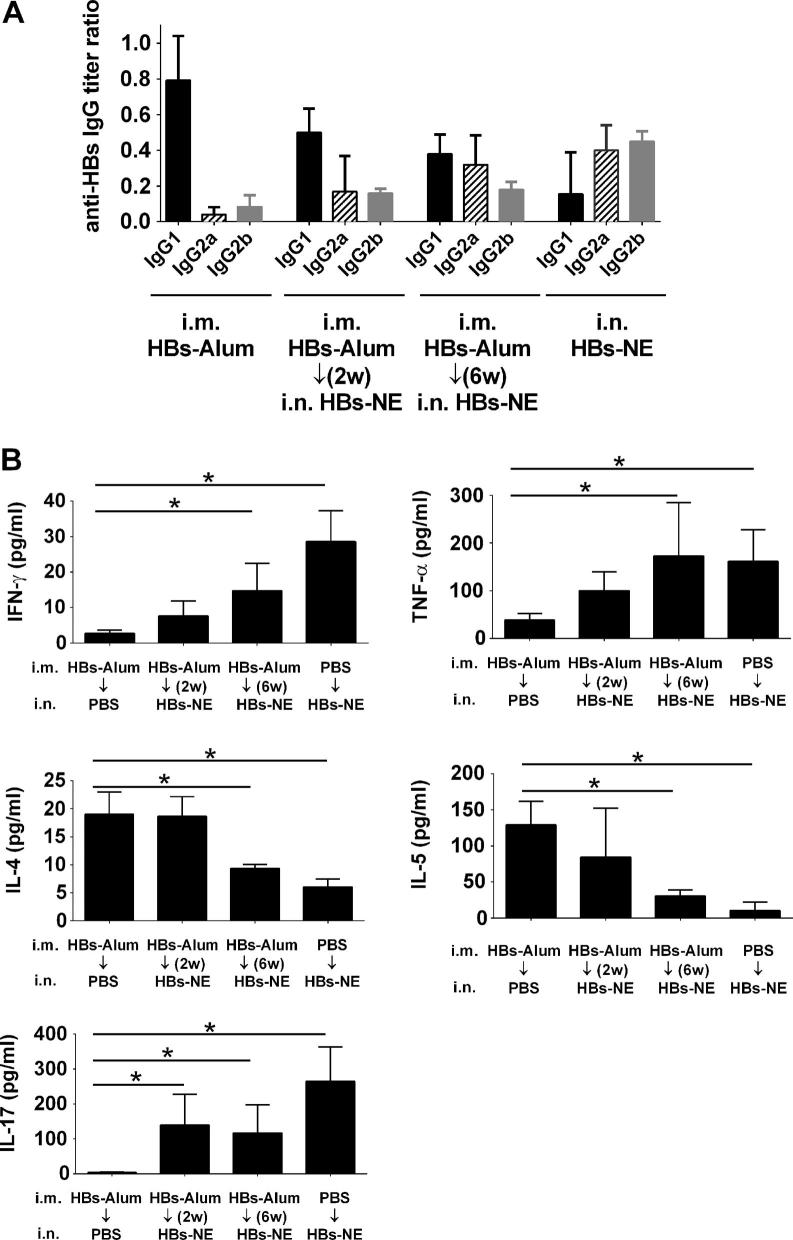
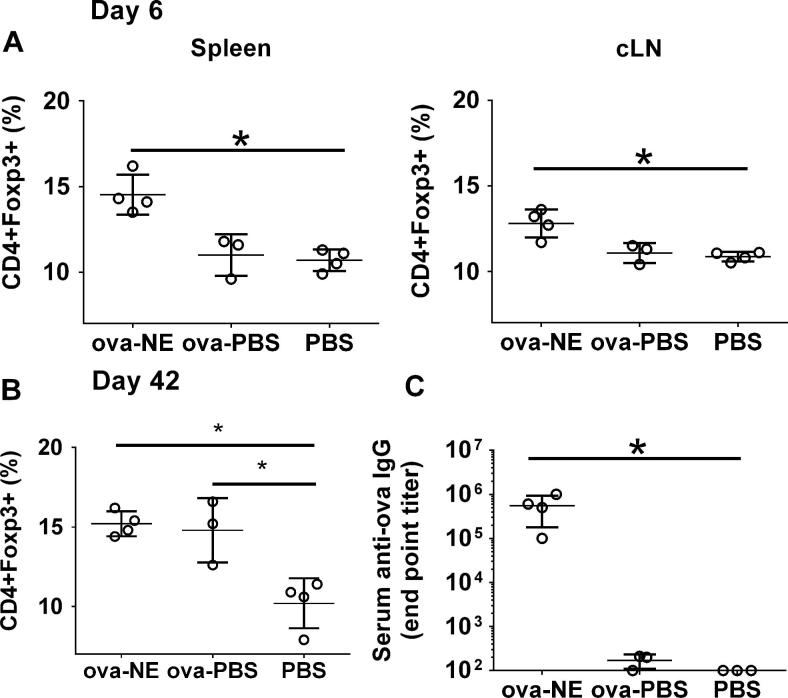
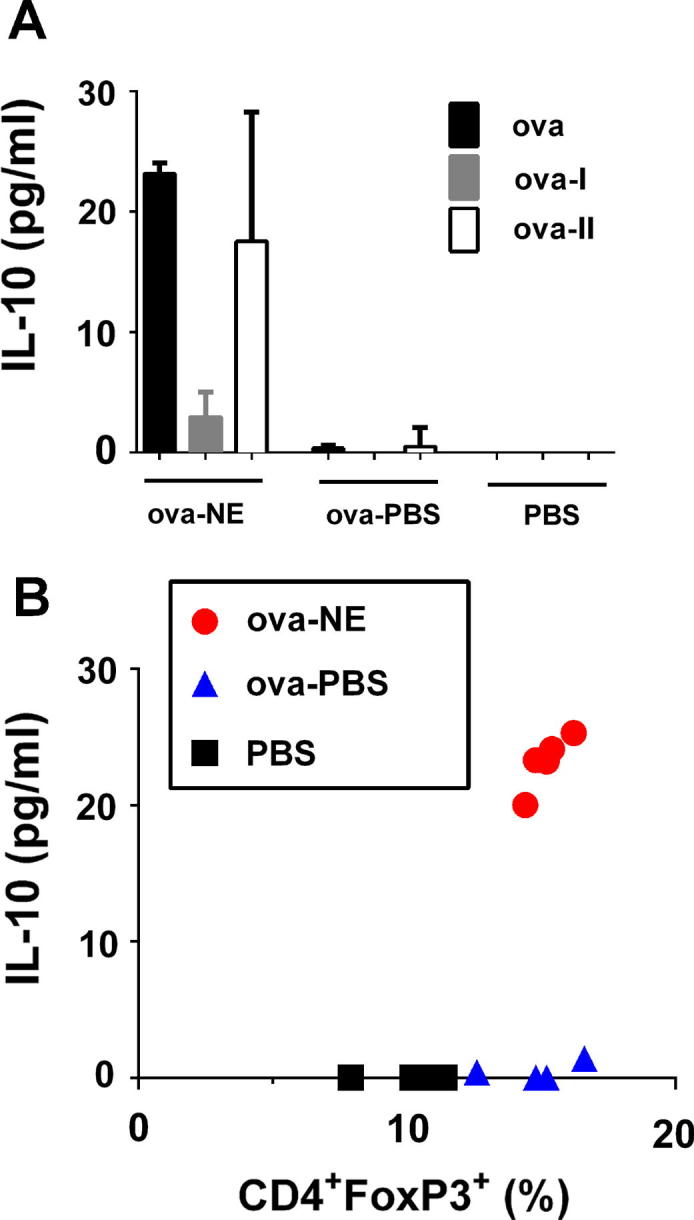
TH2-biased immune responses are associated with inadequate protection against some pathogens and with cancer, colitis, asthma and allergy. Since most currently used vaccine adjuvants induce a TH2-biased response, this has led to interest in developing adjuvants capable of activating TH1 immunity and modulating existing TH2 responses. Immunotherapies to shift immune responses from TH2 to TH1 have generally required prolonged immunization protocols and have not induced effective TH1 responses. We have demonstrated that nanoscale emulsions (NE), a novel mucosal adjuvant, induce robust IgA and IgG antibody responses and TH1/TH17 cellular immunity resulting in protection against a variety of respiratory and mucosal infections. Because intranasal (i.n.) delivery of NE adjuvant consistently induces TH1/TH17 biased responses, we hypothesized that NE could be used as a therapeutic vaccine to redirect existing TH2 polarized immunity towards a more balanced TH1/TH2 profile. To test this, a TH2 immune response was established by intramuscular immunization of mice with alum-adjuvanted hepatitis B surface antigen (HBs), followed by a single subsequent i.n. immunization with NE-HBs. These animals exhibited increased TH1 associated immune responses and IL-17, and decreased TH2 cytokines (IL-4 and IL-5) and IgG1. NE immunization induced regulatory T cells and IL-10, and IL-10 was required for the suppression of TH2 immunity. These data demonstrate that NE-based vaccines can modulate existing TH2 immune responses to promote TH1/TH17 immunity and suggest the potential therapeutic use of NE vaccines for diseases associated with TH2 immunity.
偏向TH2的免疫反应与对某些病原体的防护不足以及癌症、结肠炎、哮喘和过敏相关。由于目前大多数使用的疫苗佐剂会诱导偏向TH2的反应,这引发了人们对开发能够激活TH1免疫并调节现有TH2反应的佐剂的兴趣。将免疫反应从TH2转变为TH1的免疫疗法通常需要长时间的免疫方案,并且并未诱导出有效的TH1反应。我们已经证明,纳米级乳液(NE),一种新型黏膜佐剂,可诱导强烈的IgA和IgG抗体反应以及TH1/TH17细胞免疫,从而对多种呼吸道和黏膜感染产生保护作用。因为经鼻内(i.n.)递送NE佐剂始终会诱导偏向TH1/TH17的反应,我们推测NE可作为一种治疗性疫苗,将现有的TH2极化免疫重定向为更平衡的TH/(1/TH2)状态。为了验证这一点,通过用明矾佐剂乙肝表面抗原(HBs)对小鼠进行肌肉内免疫来建立TH2免疫反应,随后再经鼻内单次免疫NE-HBs。这些动物表现出与TH1相关的免疫反应和IL-17增加,以及TH2细胞因子(IL-4和IL-5)和IgG1减少。NE免疫诱导了调节性T细胞和IL-10,并且抑制TH2免疫需要IL-10。这些数据表明,基于NE的疫苗可以调节现有的TH2免疫反应以促进TH1/TH17免疫,并提示NE疫苗在与TH2免疫相关疾病中的潜在治疗用途。