Misra Santosh K, Ye Mao, Ostadhossein Fatemeh, Pan Dipanjan
Departments of Bioengineering, Materials Science and Engineering and Beckman Institute, University of Illinois at Urbana-Champaign, Mills Breast Cancer Institute, and Carle Foundation Hospital, Urbana, Illinois 61801, USA.
Sci Rep. 2016 Jun 21;6:28196. doi: 10.1038/srep28196.
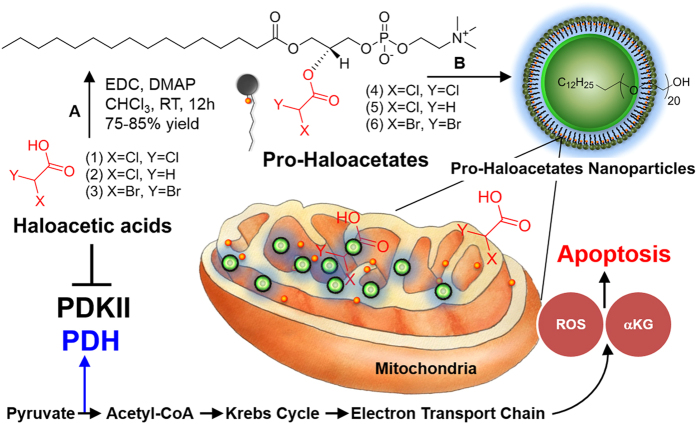
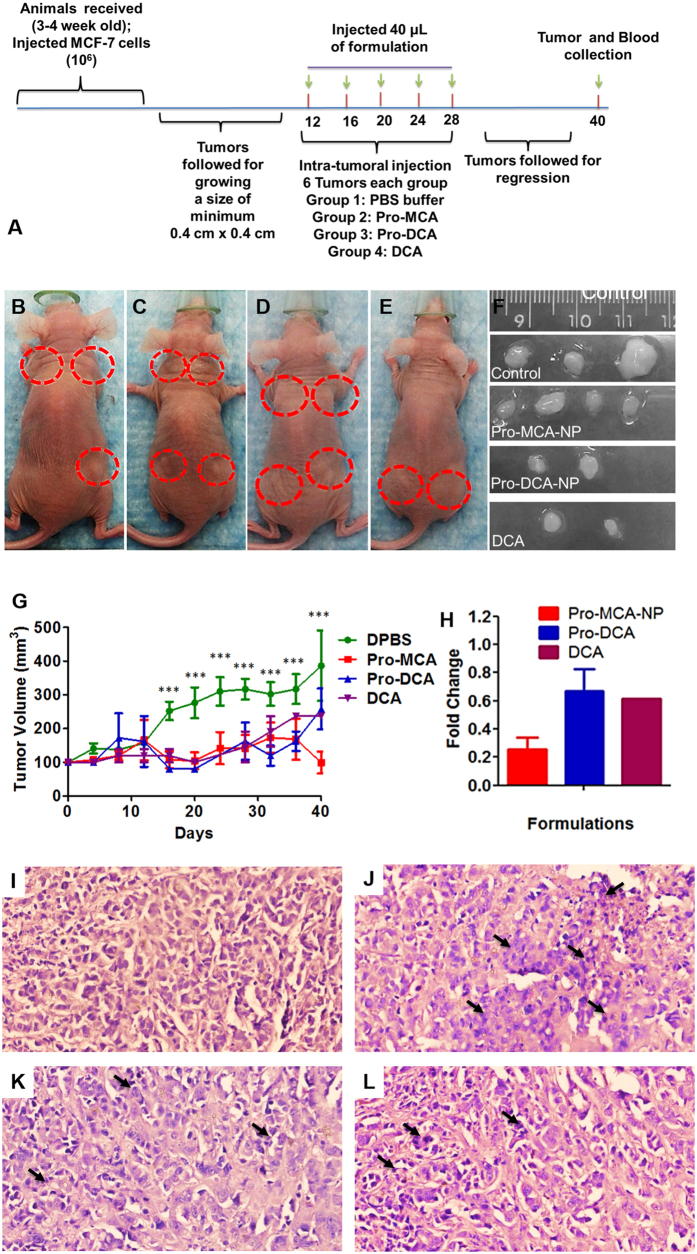
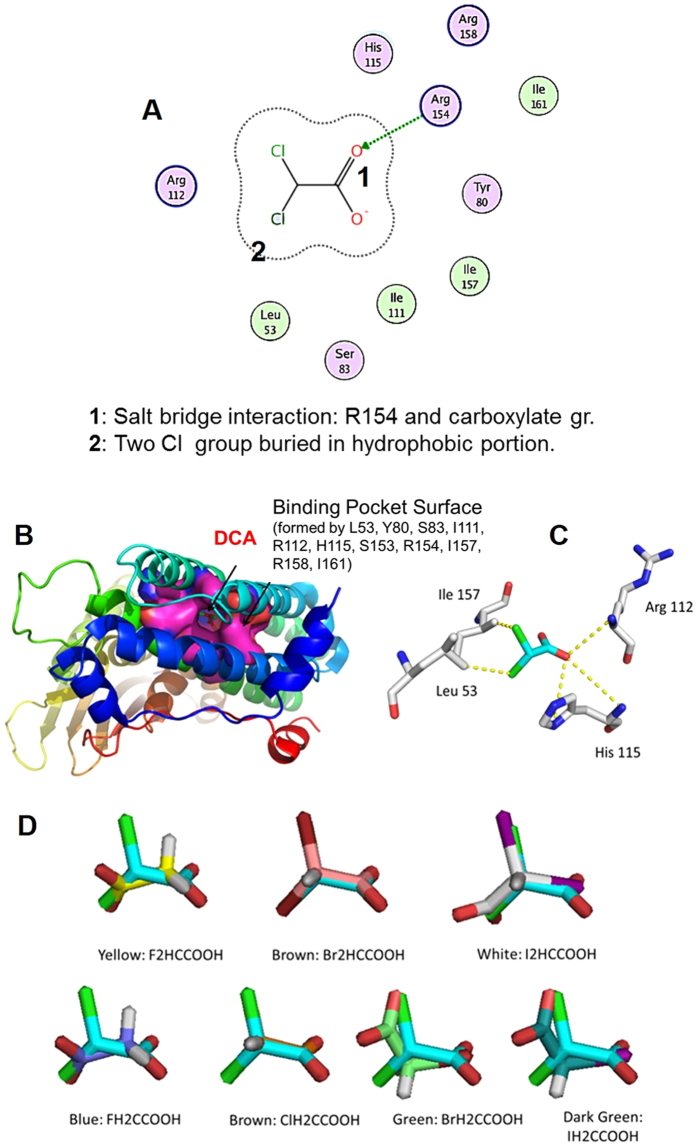
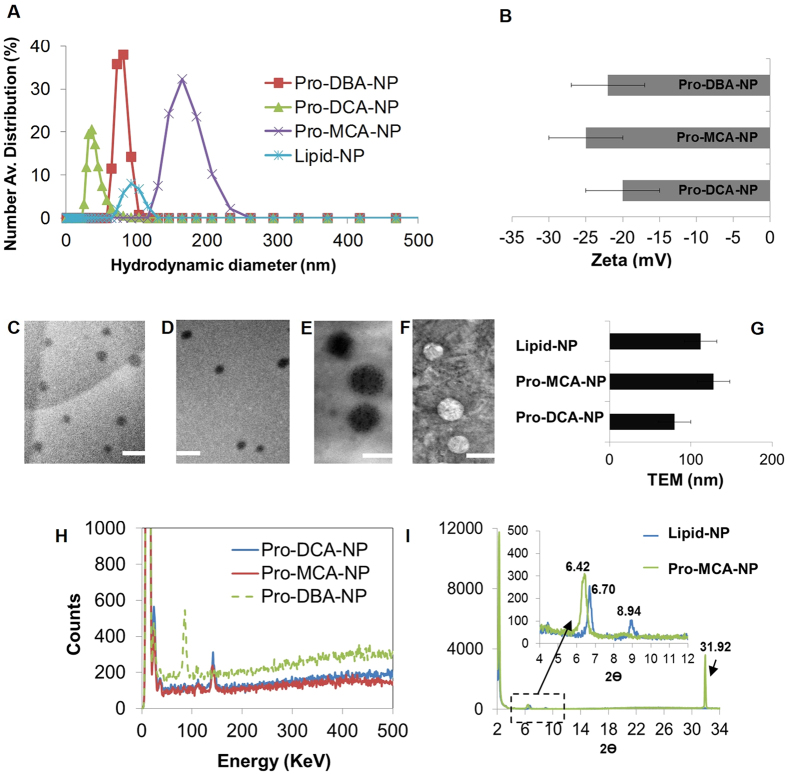
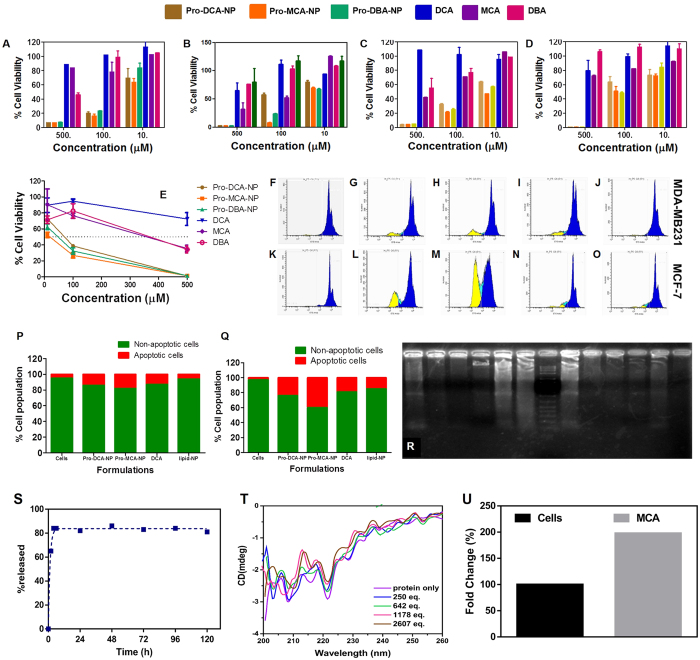
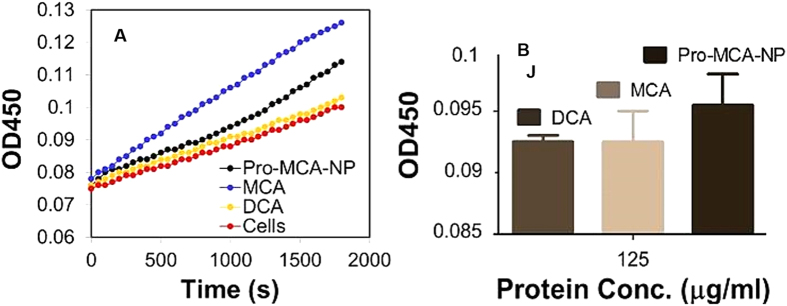
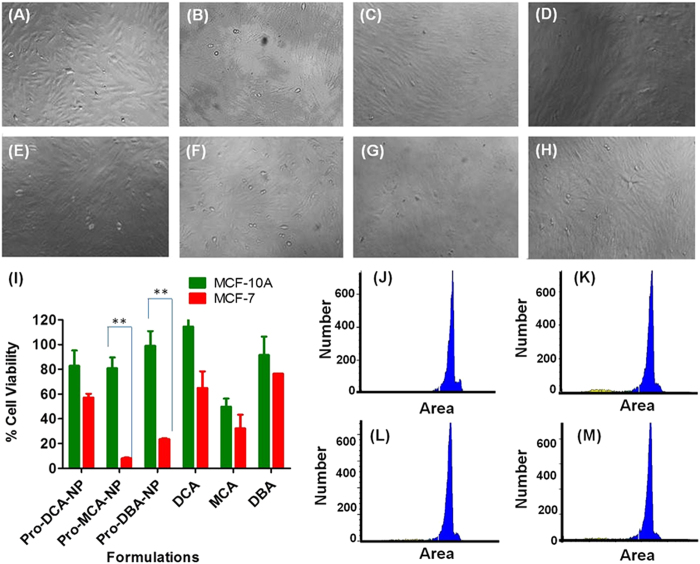
Anticancer agents based on haloacetic acids are developed for inhibition of pyruvate dehydrogenase kinase (PDK), an enzyme responsible for reversing the suppression of mitochondria-dependent apoptosis. Through molecular docking studies mono- and dihaloacetates are identified as potent PDK2 binders and matched their efficiency with dichloroacetic acid. In silico screening directed their conversion to phospholipid prodrugs, which were subsequently self-assembled to pro-haloacetate nanoparticles. Following a thorough physico-chemical characterization, the functional activity of these novel agents was established in wide ranges of human cancer cell lines in vitro and in vivo in rodents. Results indicated that the newly explored PDK modulators can act as efficient agent for cancer regression. A Pyruvate dehydrogenase (PDH) assay mechanistically confirmed that these agents trigger their activity through the mitochondria-dependent apoptosis.
基于卤乙酸的抗癌药物被开发用于抑制丙酮酸脱氢酶激酶(PDK),该酶负责逆转对线粒体依赖性凋亡的抑制。通过分子对接研究,单卤乙酸和二卤乙酸被确定为有效的PDK2结合剂,并与二氯乙酸的效率相当。计算机模拟筛选指导它们转化为磷脂前药,随后这些前药自组装成前卤乙酸纳米颗粒。经过全面的物理化学表征后,在体外多种人类癌细胞系以及啮齿动物体内确定了这些新型药物的功能活性。结果表明,新探索的PDK调节剂可作为有效的癌症消退药物。丙酮酸脱氢酶(PDH)测定从机制上证实了这些药物通过线粒体依赖性凋亡触发其活性。