Orsino Antonino, Araniti Giuseppe, Militano Leonardo, Alonso-Zarate Jesus, Molinaro Antonella, Iera Antonio
DIIES Department, University Mediterranea of Reggio Calabria, Reggio Calabria 89100, Italy.
Centre Technològic de Telecommunications de Catalunya (CTTC), Barcelona 08860, Spain.
Sensors (Basel). 2016 Jun 8;16(6):836. doi: 10.3390/s16060836.
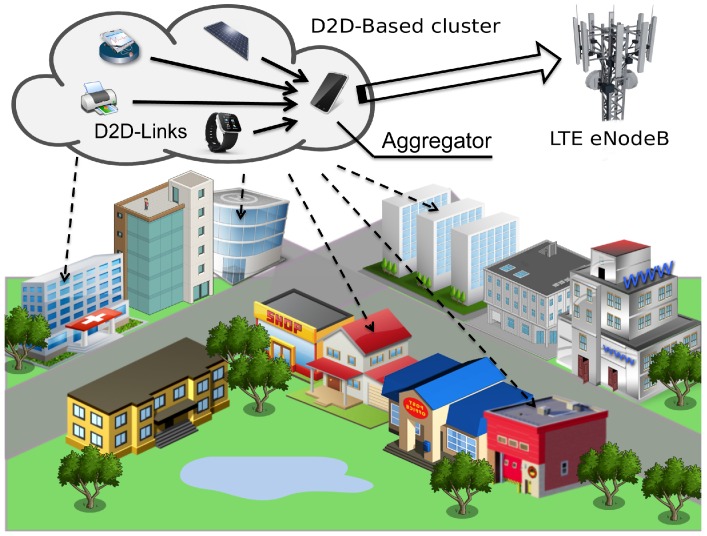
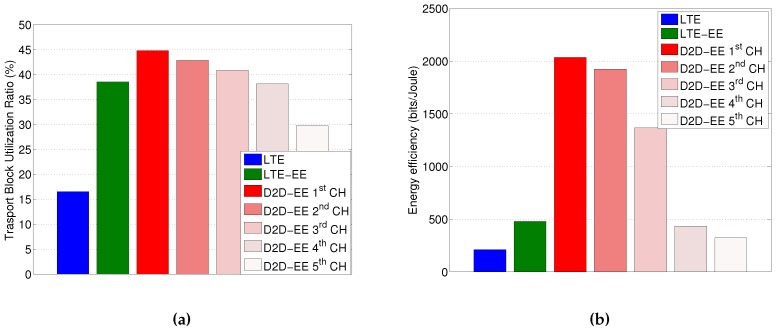
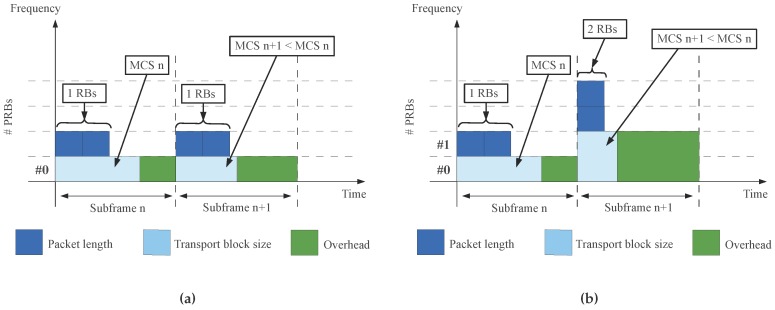
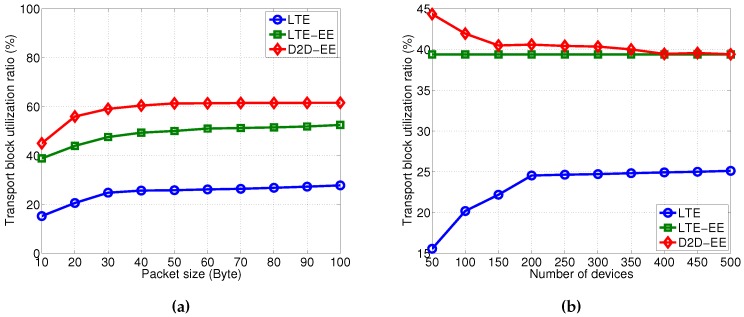
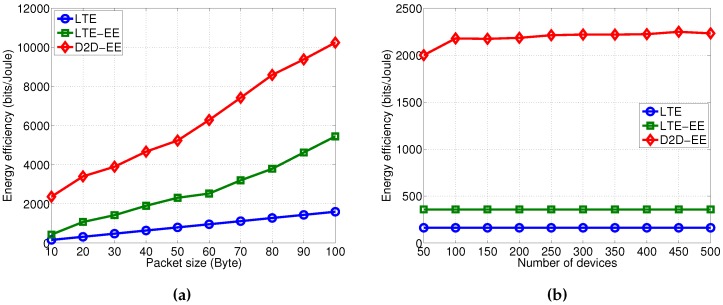
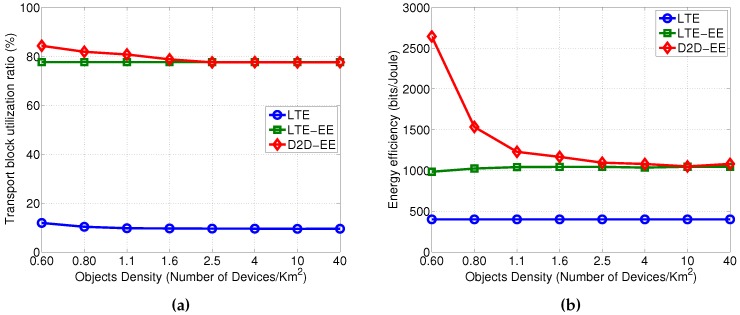
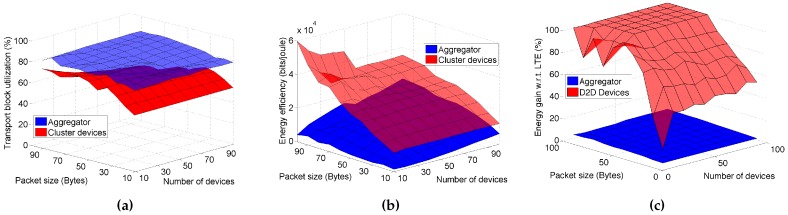
Fifth Generation (5G) wireless systems are expected to connect an avalanche of "smart" objects disseminated from the largest "Smart City" to the smallest "Smart Home". In this vision, Long Term Evolution-Advanced (LTE-A) is deemed to play a fundamental role in the Internet of Things (IoT) arena providing a large coherent infrastructure and a wide wireless connectivity to the devices. However, since LTE-A was originally designed to support high data rates and large data size, novel solutions are required to enable an efficient use of radio resources to convey small data packets typically exchanged by IoT applications in "smart" environments. On the other hand, the typically high energy consumption required by cellular communications is a serious obstacle to large scale IoT deployments under cellular connectivity as in the case of Smart City scenarios. Network-assisted Device-to-Device (D2D) communications are considered as a viable solution to reduce the energy consumption for the devices. The particular approach presented in this paper consists in appointing one of the IoT smart devices as a collector of all data from a cluster of objects using D2D links, thus acting as an aggregator toward the eNodeB. By smartly adapting the Modulation and Coding Scheme (MCS) on the communication links, we will show it is possible to maximize the radio resource utilization as a function of the total amount of data to be sent. A further benefit that we will highlight is the possibility to reduce the transmission power when a more robust MCS is adopted. A comprehensive performance evaluation in a wide set of scenarios will testify the achievable gains in terms of energy efficiency and resource utilization in the envisaged D2D-based IoT data collection.
第五代(5G)无线系统有望连接从最大的“智慧城市”到最小的“智能家居”所散布的大量“智能”物体。在这一设想中,长期演进高级版(LTE-A)被认为在物联网(IoT)领域发挥着基础性作用,为设备提供大型连贯基础设施和广泛的无线连接。然而,由于LTE-A最初是为支持高数据速率和大数据量而设计的,因此需要新颖的解决方案,以便有效利用无线电资源来传输通常在“智能”环境中由物联网应用交换的小数据包。另一方面,蜂窝通信通常所需的高能耗是在蜂窝连接下大规模物联网部署(如智慧城市场景)的一个严重障碍。网络辅助的设备到设备(D2D)通信被认为是降低设备能耗的一种可行解决方案。本文提出的具体方法是指定一个物联网智能设备作为使用D2D链路从一组对象收集所有数据的收集器,从而充当朝向eNodeB的聚合器。通过巧妙地调整通信链路上的调制和编码方案(MCS),我们将表明可以根据要发送的数据总量最大化无线电资源利用率。我们将强调的另一个好处是,当采用更强健的MCS时,有可能降低发射功率。在广泛的场景中进行的全面性能评估将证明在基于D2D的物联网数据收集中在能源效率和资源利用率方面可实现的增益。