Mukhtasimova Nuriya, daCosta Corrie J B, Sine Steven M
Receptor Biology Laboratory, Department of Physiology and Biomedical Engineering, Mayo Clinic College of Medicine, Rochester, MN 55905.
Receptor Biology Laboratory, Department of Physiology and Biomedical Engineering, Mayo Clinic College of Medicine, Rochester, MN 55905 Department of Neurology, Mayo Clinic College of Medicine, Rochester, MN 55905 Department of Pharmacology and Experimental Therapeutics, Mayo Clinic College of Medicine, Rochester, MN 55905
J Gen Physiol. 2016 Jul;148(1):43-63. doi: 10.1085/jgp.201611584.
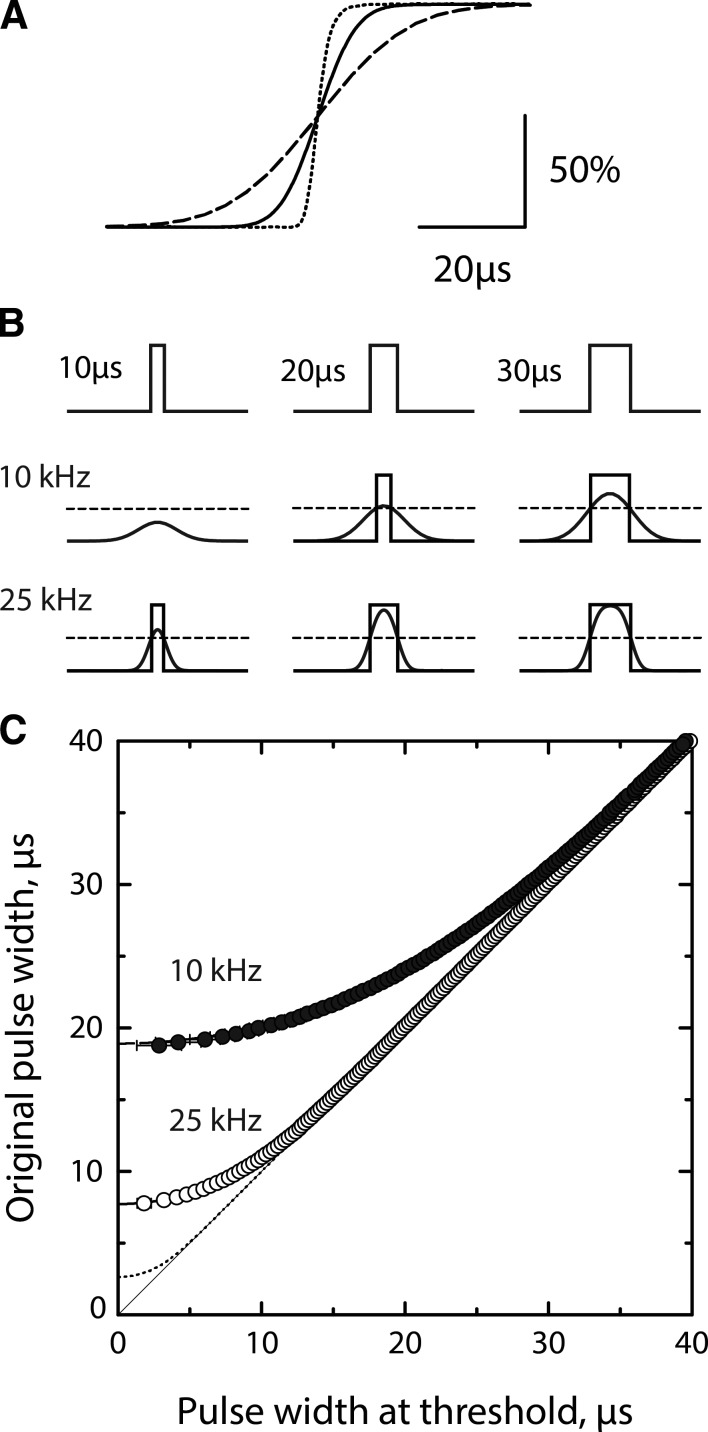
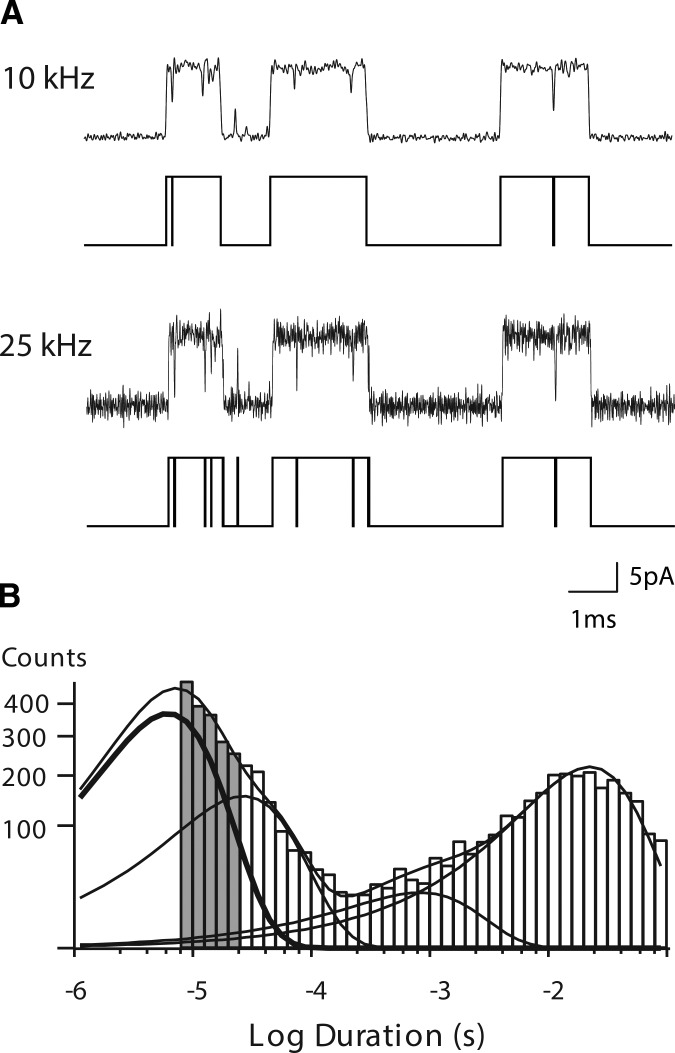
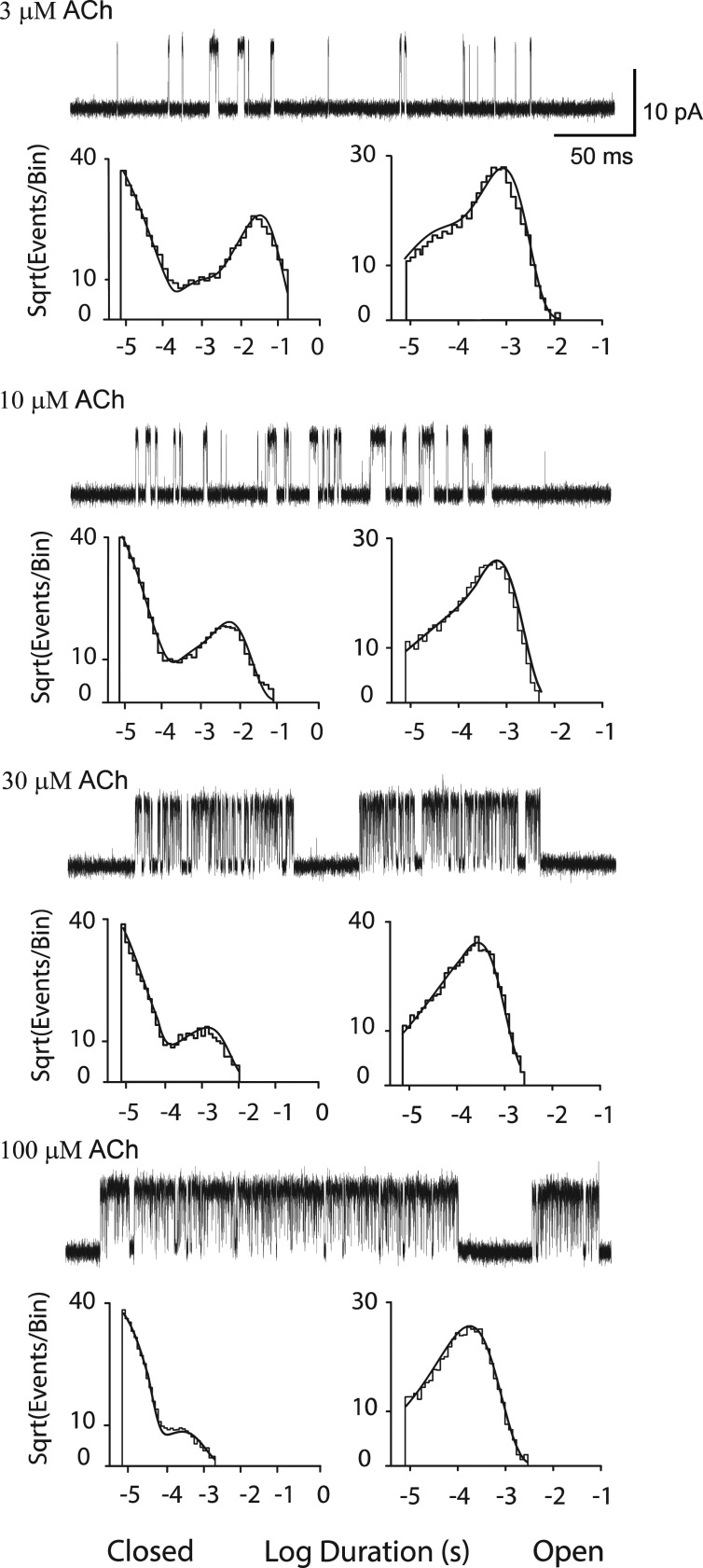
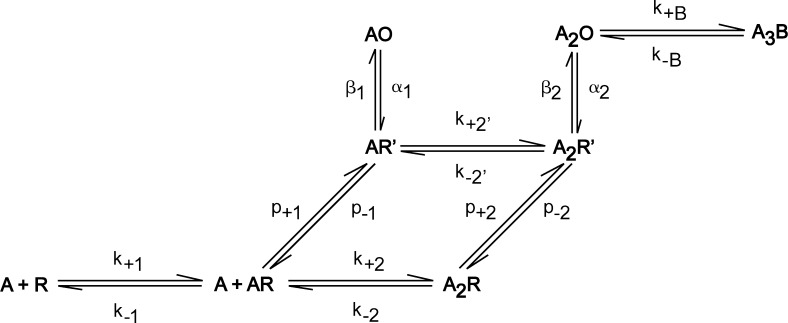
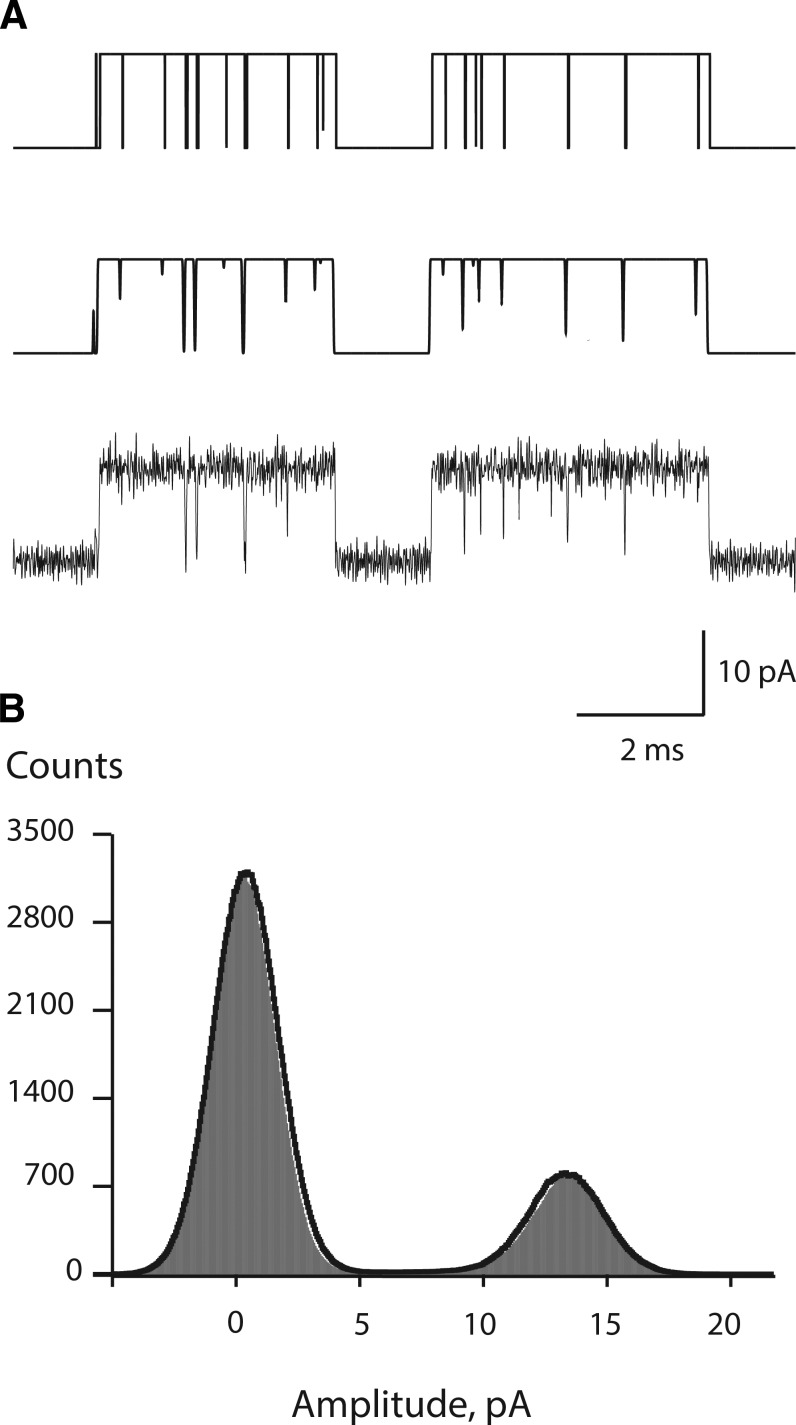
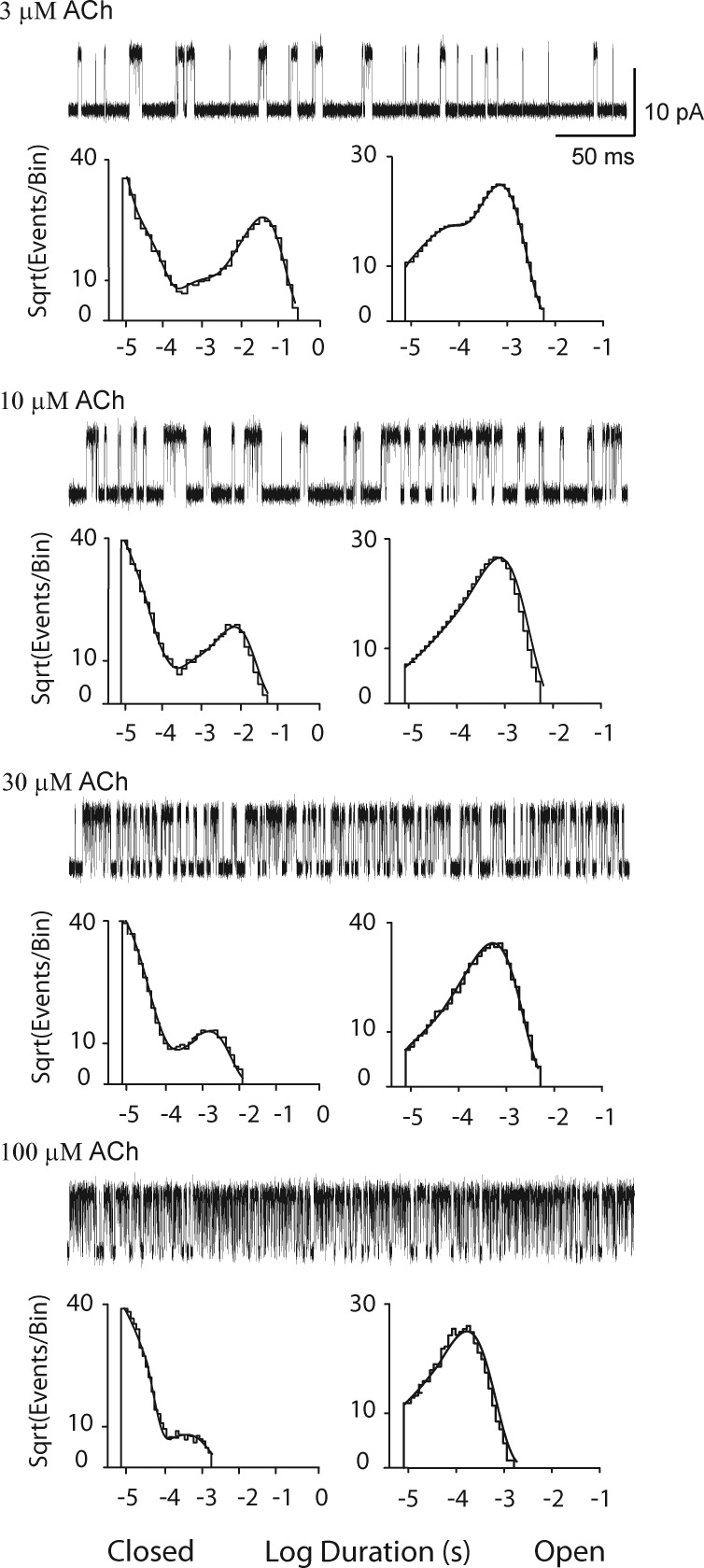
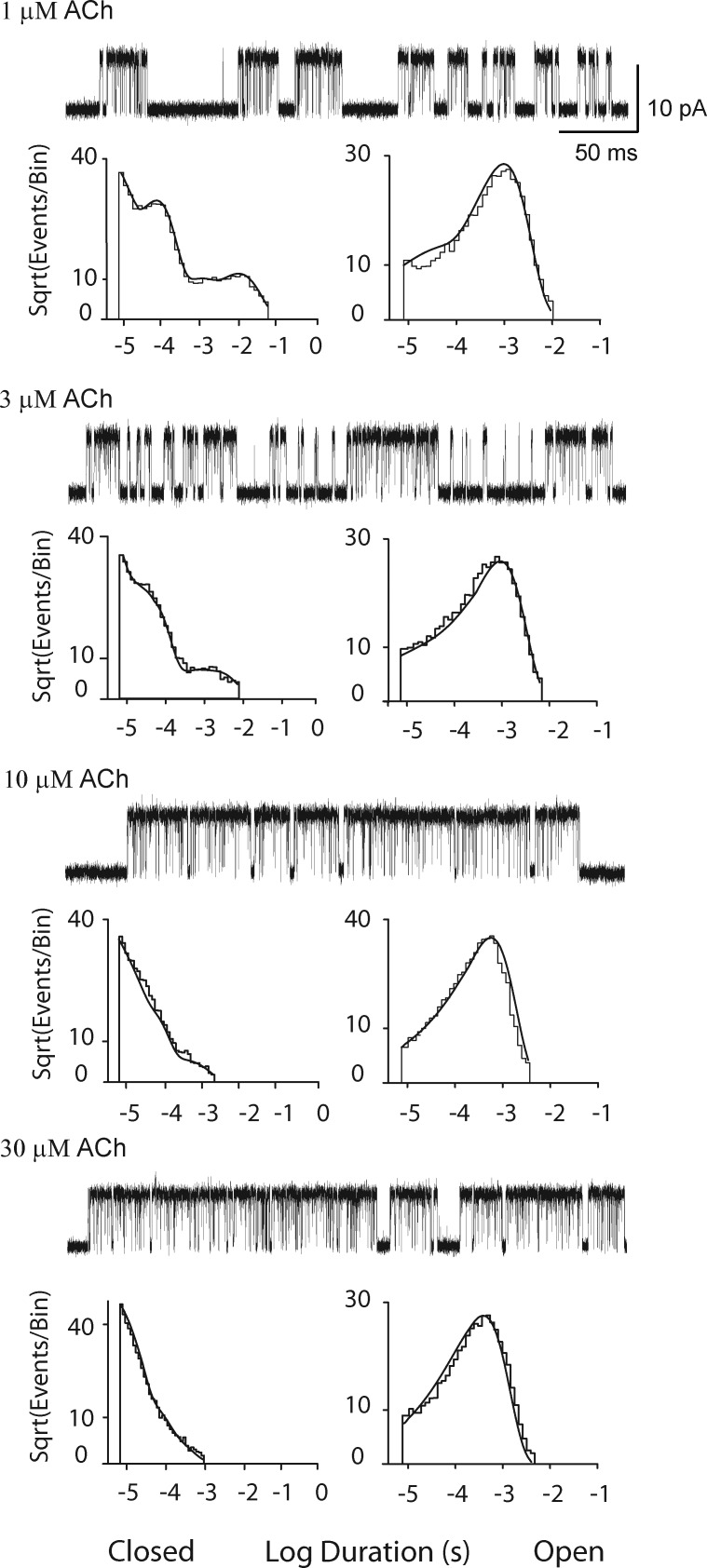
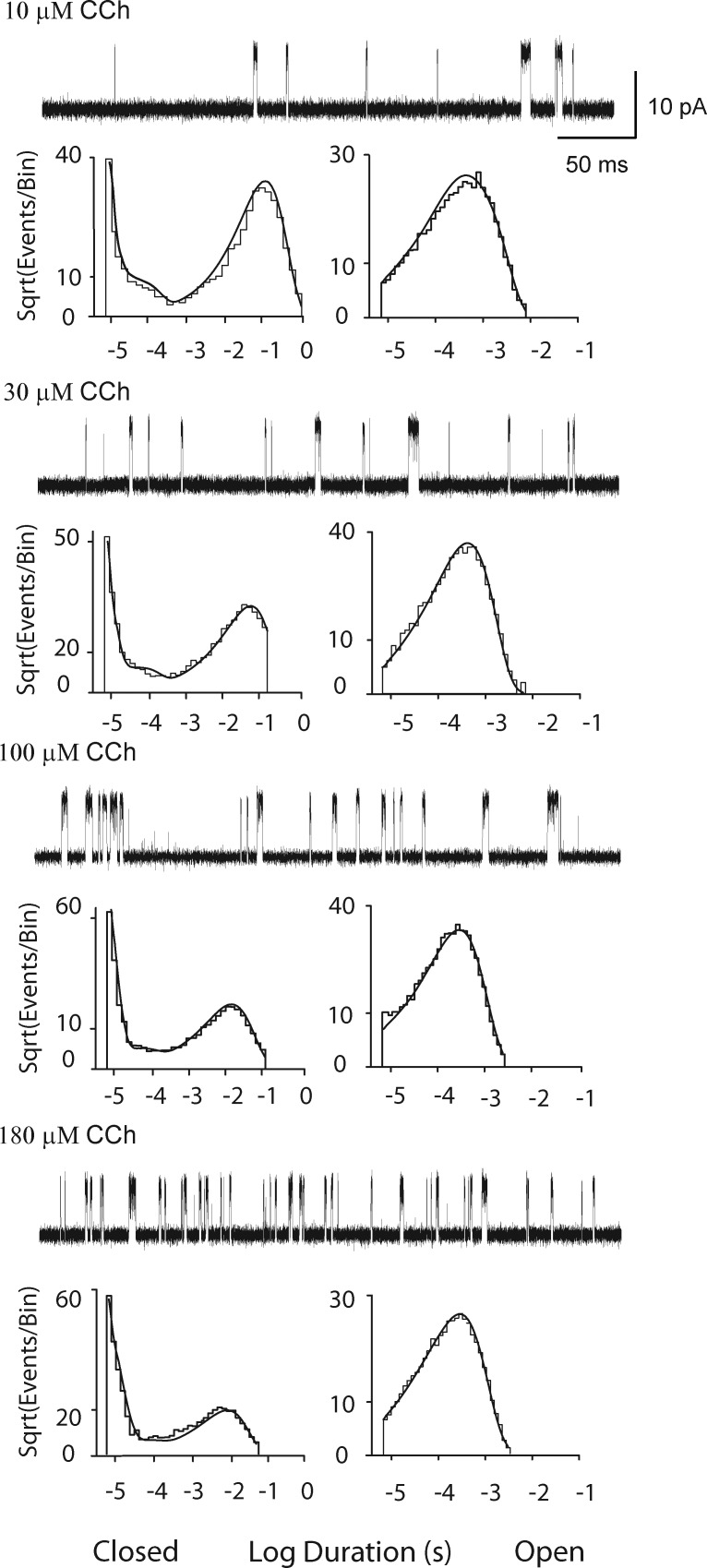
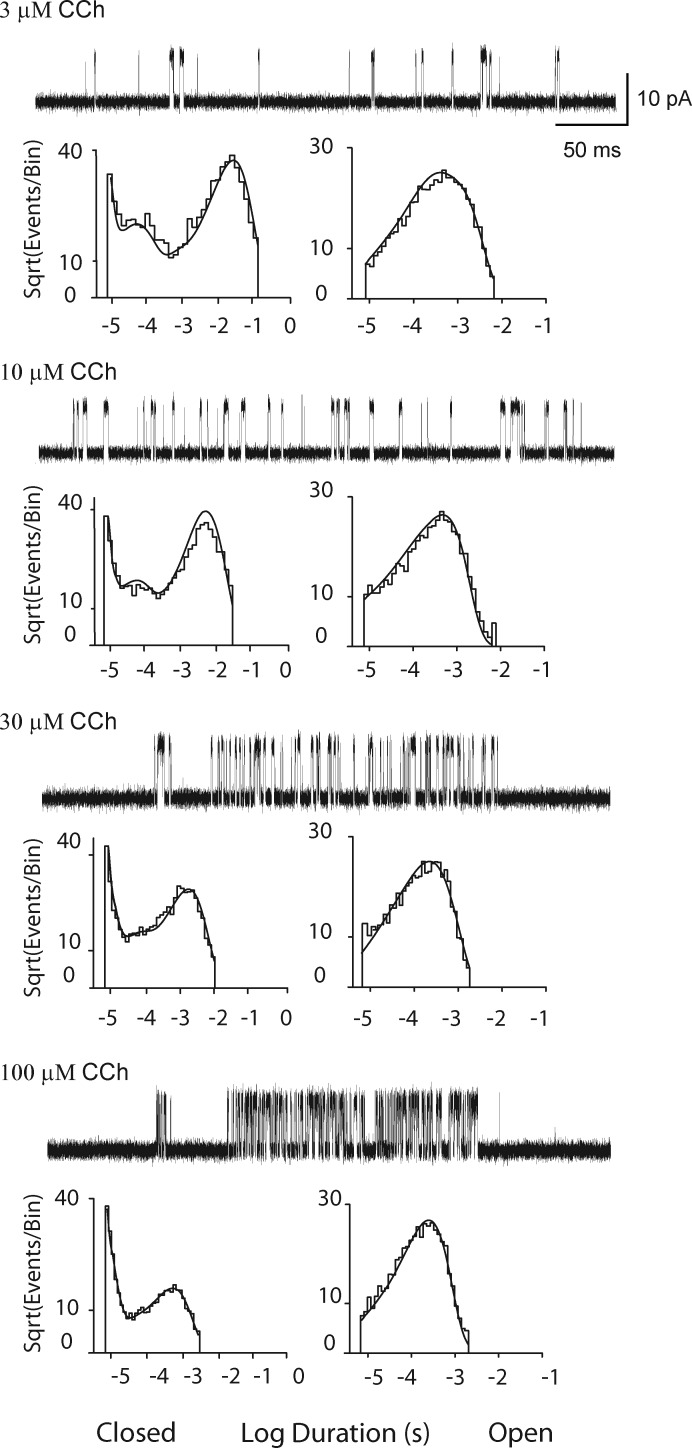
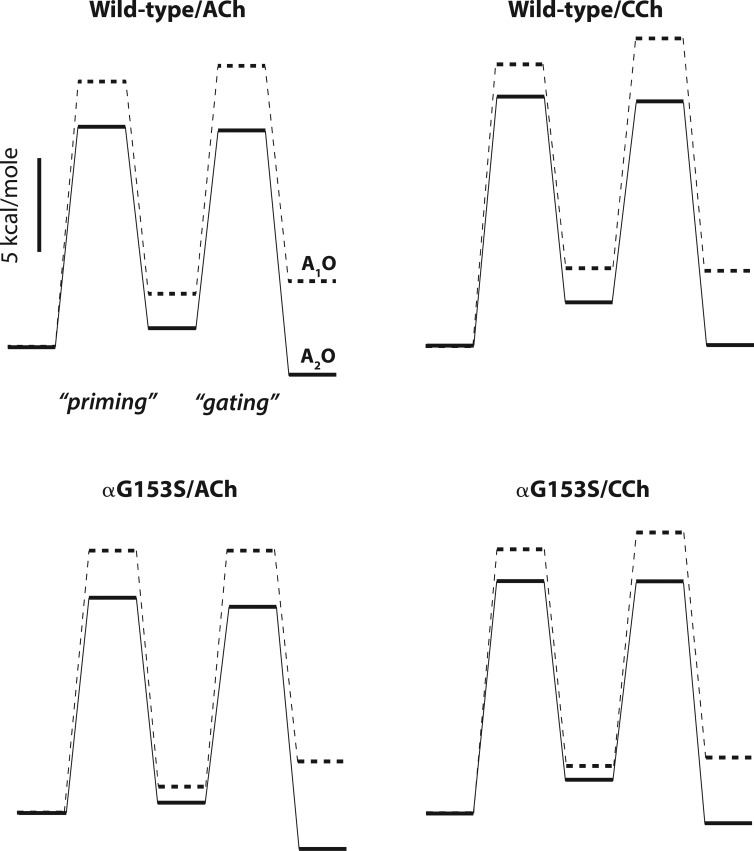
The acetylcholine receptor (AChR) from vertebrate skeletal muscle initiates voluntary movement, and its kinetics of activation are crucial for maintaining the safety margin for neuromuscular transmission. Furthermore, the kinetic mechanism of the muscle AChR serves as an archetype for understanding activation mechanisms of related receptors from the Cys-loop superfamily. Here we record currents through single muscle AChR channels with improved temporal resolution approaching half an order of magnitude over our previous best. A range of concentrations of full and partial agonists are used to elicit currents from human wild-type and gain-of-function mutant AChRs. For each agonist-receptor combination, rate constants are estimated from maximum likelihood analysis using a kinetic scheme comprised of agonist binding, priming, and channel gating steps. The kinetic scheme and rate constants are tested by stochastic simulation, followed by incorporation of the experimental step response, sampling rate, background noise, and filter bandwidth. Analyses of the simulated data confirm all rate constants except those for channel gating, which are overestimated because of the established effect of noise on the briefest dwell times. Estimates of the gating rate constants were obtained through iterative simulation followed by kinetic fitting. The results reveal that the agonist association rate constants are independent of agonist occupancy but depend on receptor state, whereas those for agonist dissociation depend on occupancy but not on state. The priming rate and equilibrium constants increase with successive agonist occupancy, and for a full agonist, the forward rate constant increases more than the equilibrium constant; for a partial agonist, the forward rate and equilibrium constants increase equally. The gating rate and equilibrium constants also increase with successive agonist occupancy, but unlike priming, the equilibrium constants increase more than the forward rate constants. As observed for a full and a partial agonist, the gain-of-function mutation affects the relationship between rate and equilibrium constants for priming but not for channel gating. Thus, resolving brief single channel currents distinguishes priming from gating steps and reveals how the corresponding rate and equilibrium constants depend on agonist occupancy.
脊椎动物骨骼肌中的乙酰胆碱受体(AChR)启动自主运动,其激活动力学对于维持神经肌肉传递的安全边际至关重要。此外,肌肉AChR的动力学机制是理解半胱氨酸环超家族相关受体激活机制的原型。在此,我们以比之前最佳时间分辨率提高近半个数量级的改进时间分辨率记录单个肌肉AChR通道的电流。使用一系列浓度的完全和部分激动剂从人野生型和功能获得性突变AChR中引发电流。对于每种激动剂 - 受体组合,使用由激动剂结合、引发和通道门控步骤组成的动力学方案,通过最大似然分析估计速率常数。通过随机模拟测试动力学方案和速率常数,随后纳入实验阶跃响应、采样率、背景噪声和滤波器带宽。对模拟数据的分析证实了除通道门控速率常数之外的所有速率常数,由于噪声对最短驻留时间的既定影响,通道门控速率常数被高估。通过迭代模拟随后进行动力学拟合获得门控速率常数的估计值。结果表明,激动剂缔合速率常数与激动剂占有率无关,但取决于受体状态,而激动剂解离速率常数取决于占有率但不取决于状态。引发速率和平衡常数随着连续的激动剂占有率而增加,对于完全激动剂,正向速率常数的增加超过平衡常数;对于部分激动剂,正向速率和平衡常数同等增加。门控速率和平衡常数也随着连续的激动剂占有率而增加,但与引发不同,平衡常数的增加超过正向速率常数。正如在完全和部分激动剂中观察到的那样,功能获得性突变影响引发的速率和平衡常数之间的关系,但不影响通道门控的关系。因此,解析短暂的单通道电流可区分引发和门控步骤,并揭示相应的速率和平衡常数如何取决于激动剂占有率。