Voss Christiane, Ehrenman Karen, Mlambo Godfree, Mishra Satish, Kumar Kota Arun, Sacci John B, Sinnis Photini, Coppens Isabelle
Department of Molecular Microbiology and Immunology, Malaria Research Institute, Johns Hopkins University Bloomberg School of Public Health, Baltimore, Maryland, USA.
Department of Molecular Microbiology and Immunology, Malaria Research Institute, Johns Hopkins University Bloomberg School of Public Health, Baltimore, Maryland, USA Division of Parasitology, CSIR-Central Drug Research Institute, Lucknow, UP, India.
mBio. 2016 Jun 28;7(3):e00682-16. doi: 10.1128/mBio.00682-16.
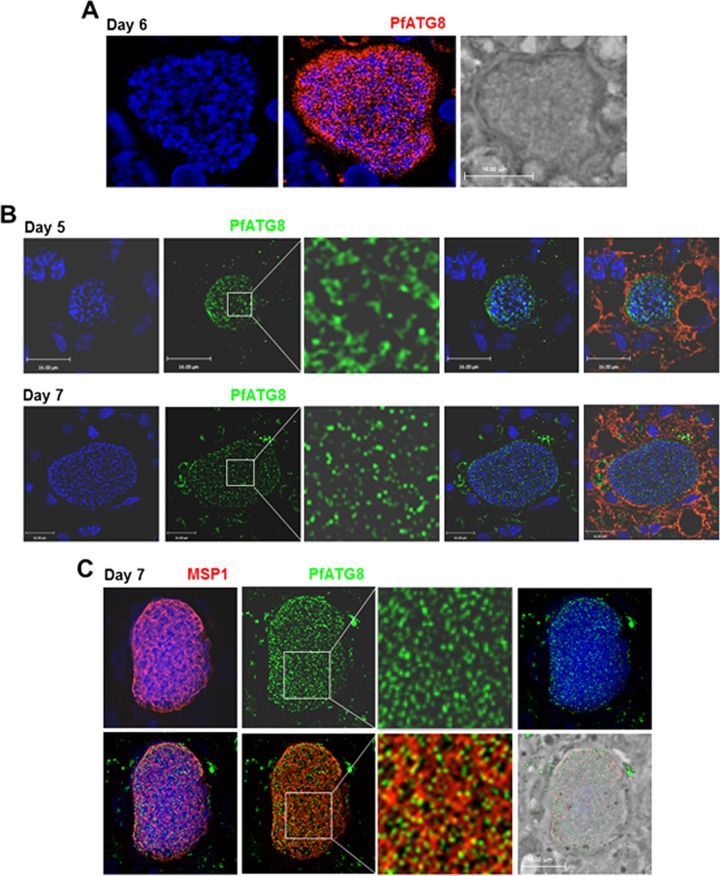
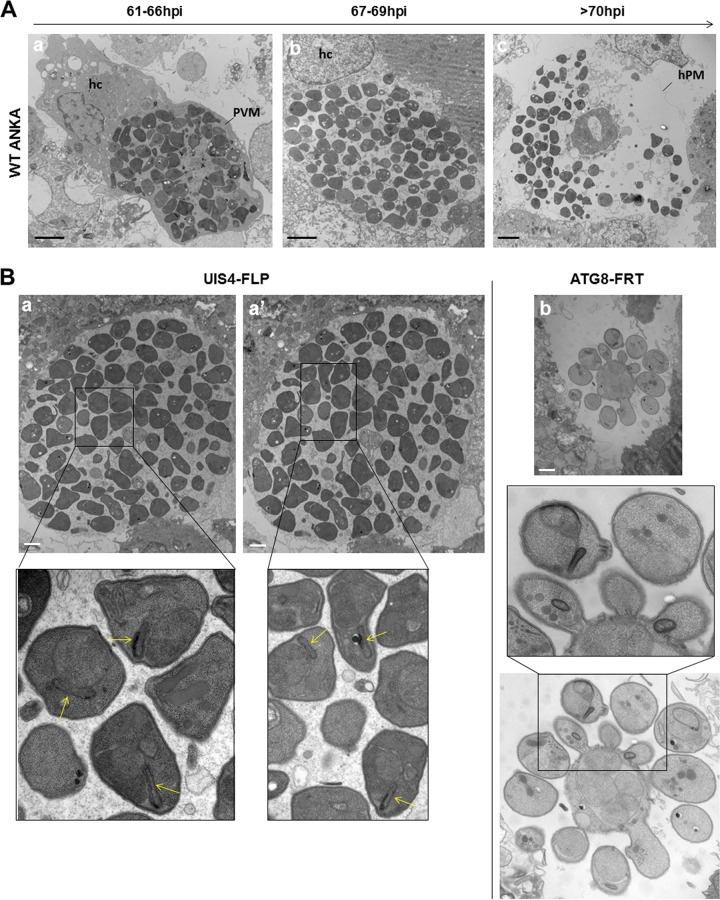
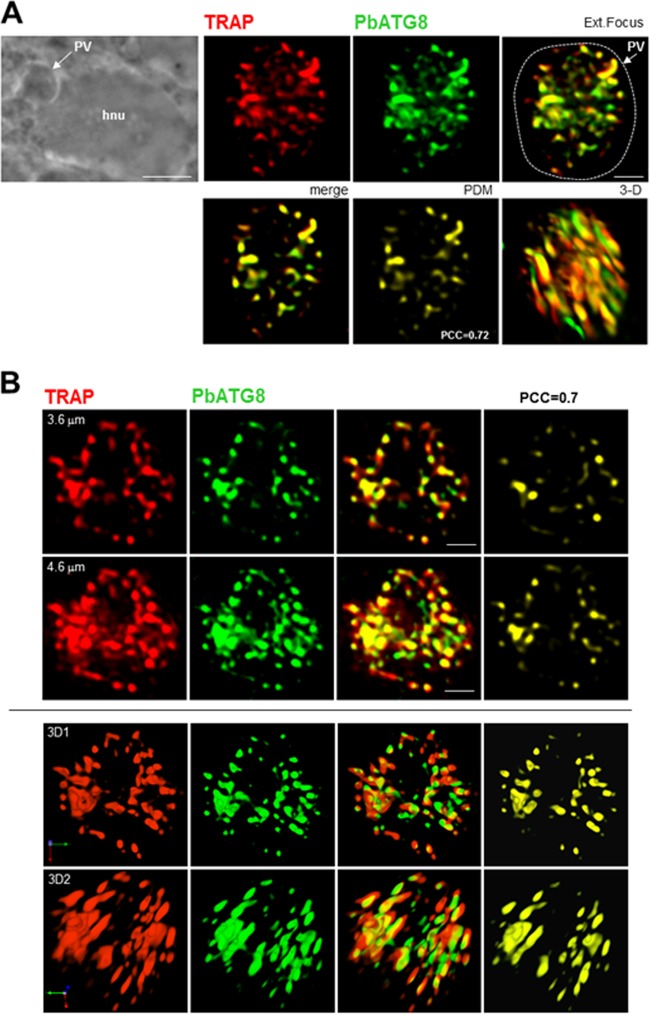
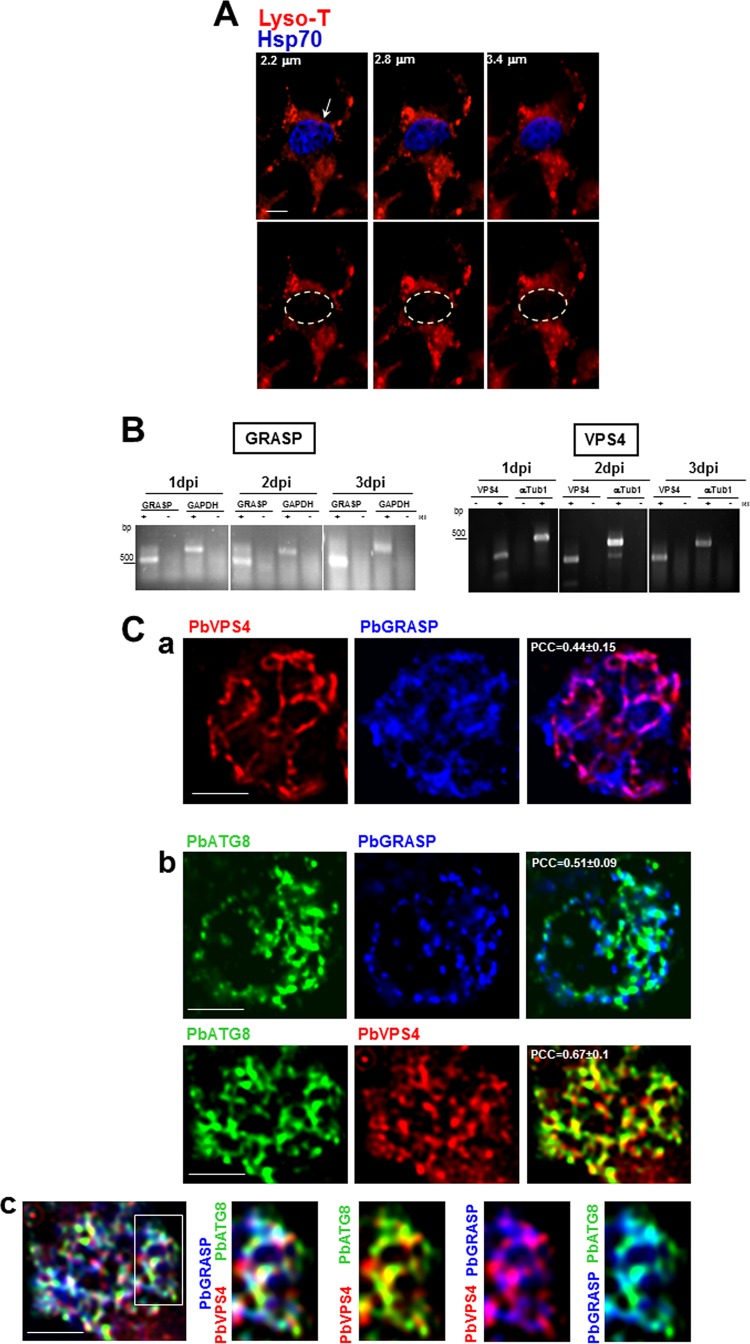
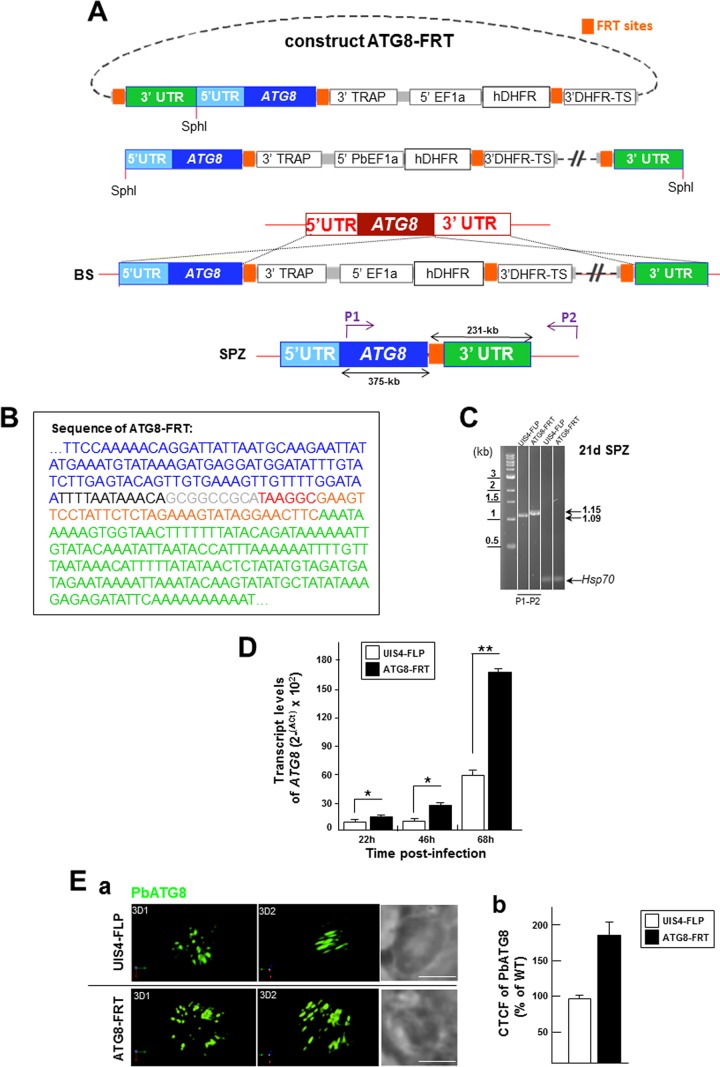
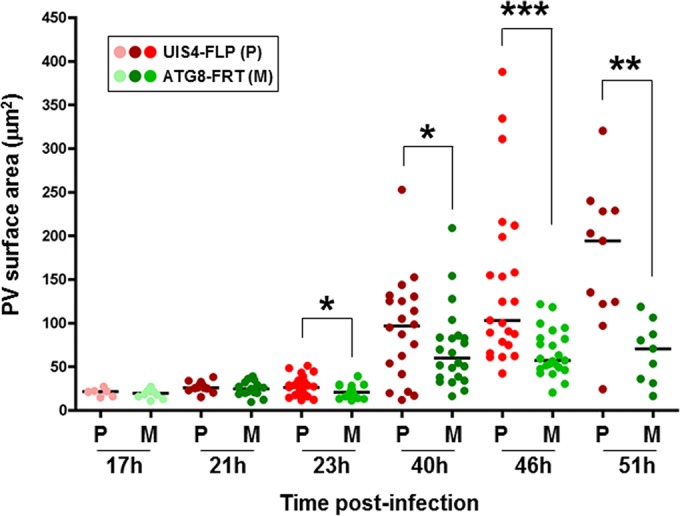
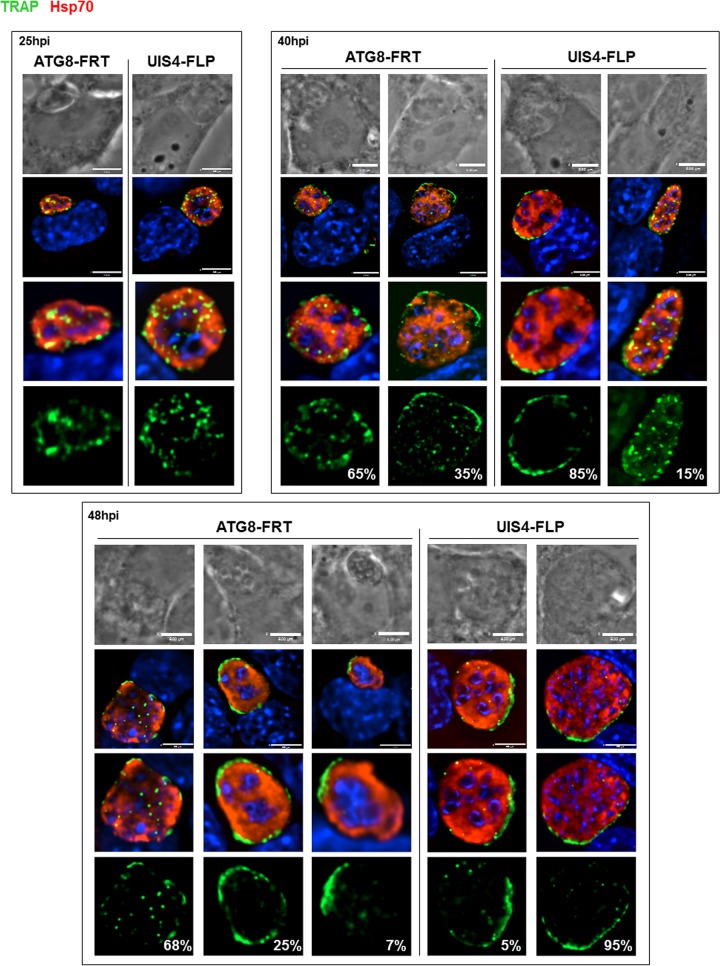
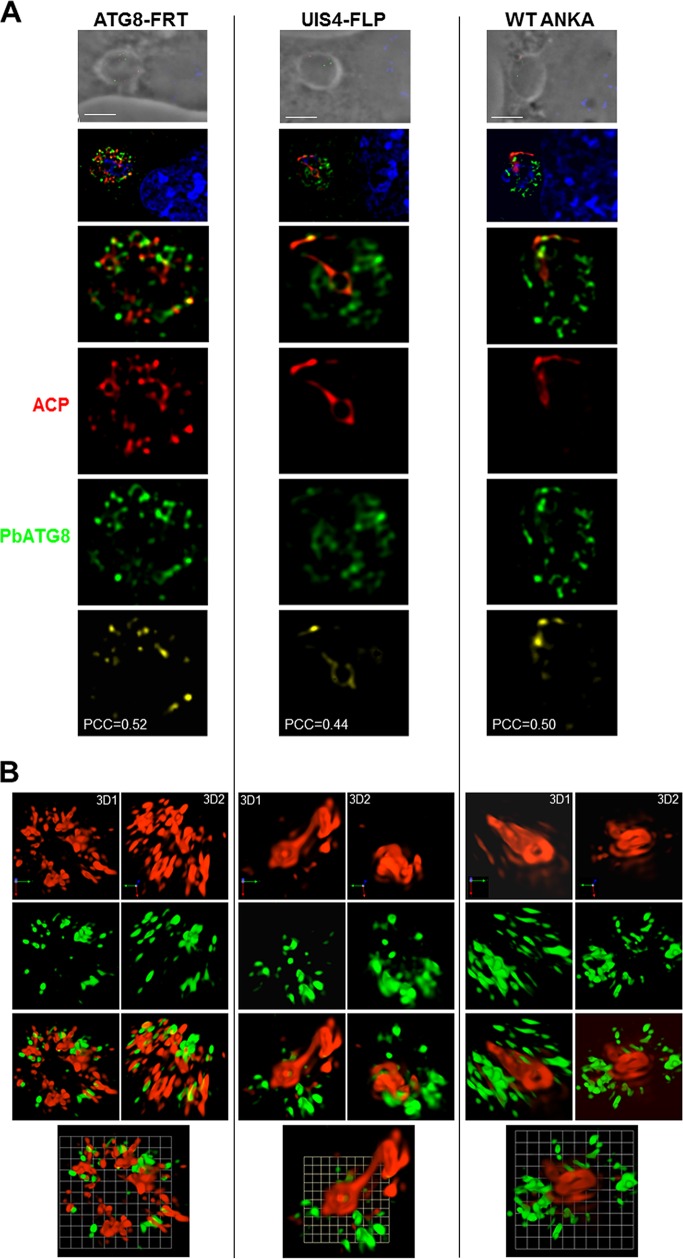
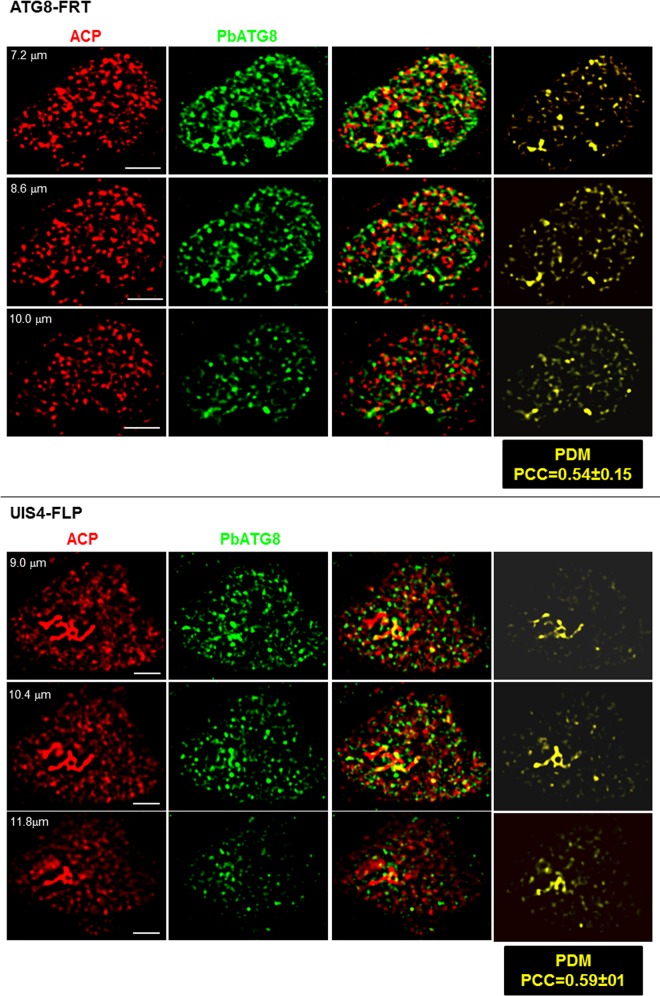
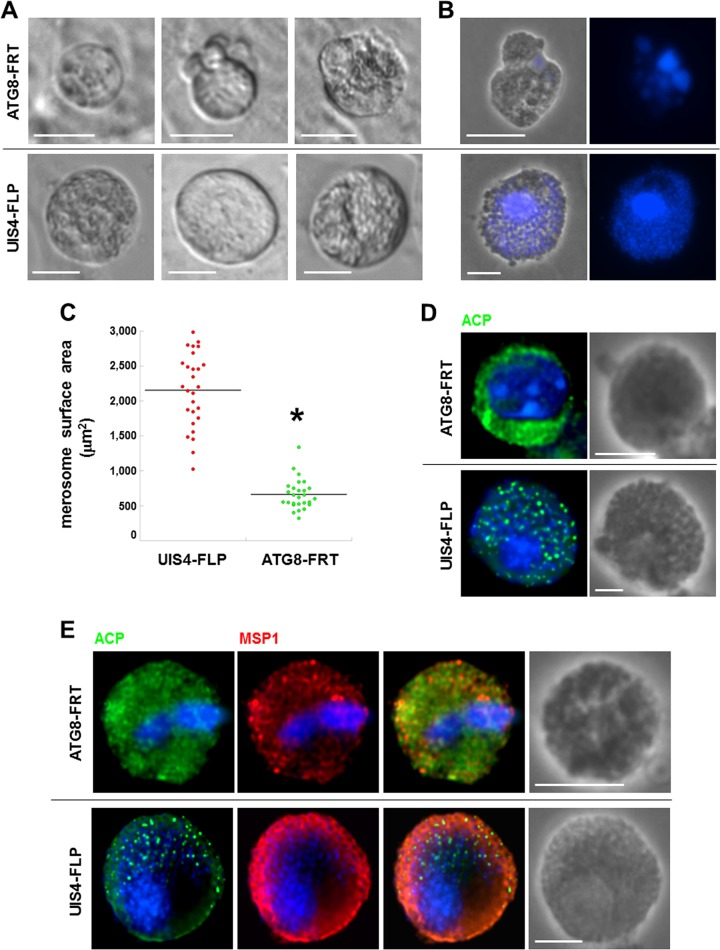
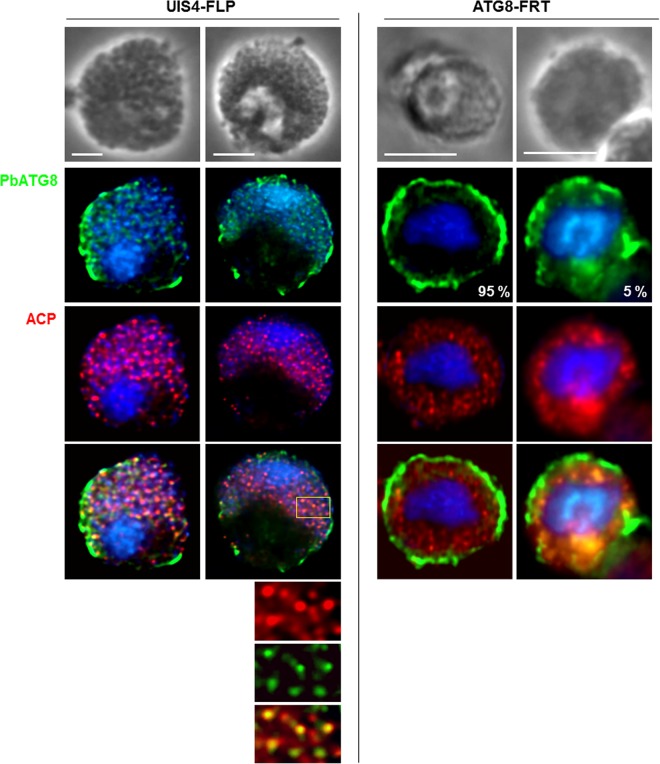
Plasmodium parasites undergo continuous cellular renovation to adapt to various environments in the vertebrate host and insect vector. In hepatocytes, Plasmodium berghei discards unneeded organelles for replication, such as micronemes involved in invasion. Concomitantly, intrahepatic parasites expand organelles such as the apicoplast that produce essential metabolites. We previously showed that the ATG8 conjugation system is upregulated in P. berghei liver forms and that P. berghei ATG8 (PbATG8) localizes to the membranes of the apicoplast and cytoplasmic vesicles. Here, we focus on the contribution of PbATG8 to the organellar changes that occur in intrahepatic parasites. We illustrated that micronemes colocalize with PbATG8-containing structures before expulsion from the parasite. Interference with PbATG8 function by overexpression results in poor development into late liver stages and production of small merosomes that contain immature merozoites unable to initiate a blood infection. At the cellular level, PbATG8-overexpressing P. berghei exhibits a delay in microneme compartmentalization into PbATG8-containing autophagosomes and elimination compared to parasites from the parental strain. The apicoplast, identifiable by immunostaining of the acyl carrier protein (ACP), undergoes an abnormally fast proliferation in mutant parasites. Over time, the ACP staining becomes diffuse in merosomes, indicating a collapse of the apicoplast. PbATG8 is not incorporated into the progeny of mutant parasites, in contrast to parental merozoites in which PbATG8 and ACP localize to the apicoplast. These observations reveal that Plasmodium ATG8 is a key effector in the development of merozoites by controlling microneme clearance and apicoplast proliferation and that dysregulation in ATG8 levels is detrimental for malaria infectivity.
Malaria is responsible for more mortality than any other parasitic disease. Resistance to antimalarial medicines is a recurring problem; new drugs are urgently needed. A key to the parasite's successful intracellular development in the liver is the metabolic changes necessary to convert the parasite from a sporozoite to a replication-competent, metabolically active trophozoite form. Our study reinforces the burgeoning concept that organellar changes during parasite differentiation are mediated by an autophagy-like process. We have identified ATG8 in Plasmodium liver forms as an important effector that controls the development and fate of organelles, e.g., the clearance of micronemes that are required for hepatocyte invasion and the expansion of the apicoplast that produces many metabolites indispensable for parasite replication. Given the unconventional properties and the importance of ATG8 for parasite development in hepatocytes, targeting the parasite's autophagic pathway may represent a novel approach to control malarial infections.
疟原虫寄生虫不断进行细胞更新以适应脊椎动物宿主和昆虫媒介中的各种环境。在肝细胞中,伯氏疟原虫会丢弃用于复制的不必要细胞器,例如参与入侵的微线体。与此同时,肝内寄生虫会扩大诸如产生必需代谢物的质体等细胞器。我们之前表明,自噬相关蛋白8(ATG8)共轭系统在伯氏疟原虫肝期形式中上调,并且伯氏疟原虫ATG8(PbATG8)定位于质体和细胞质囊泡的膜上。在这里,我们关注PbATG8对肝内寄生虫发生的细胞器变化的贡献。我们证明,微线体在从寄生虫排出之前与含有PbATG8的结构共定位。通过过表达干扰PbATG8功能会导致向晚期肝期的发育不良以及产生含有无法引发血液感染的未成熟裂殖子的小裂殖子体。在细胞水平上,与亲本菌株的寄生虫相比,过表达PbATG8的伯氏疟原虫在微线体分隔到含有PbATG8的自噬体中以及清除方面表现出延迟。通过酰基载体蛋白(ACP)免疫染色可识别的质体,在突变寄生虫中经历异常快速的增殖。随着时间的推移,ACP染色在裂殖子体中变得弥散,表明质体崩溃。与PbATG8和ACP定位于质体的亲本裂殖子不同,PbATG8不被纳入突变寄生虫的后代中。这些观察结果表明,疟原虫ATG8通过控制微线体清除和质体增殖是裂殖子发育的关键效应因子,并且ATG8水平的失调对疟疾感染性有害。
疟疾导致的死亡人数比任何其他寄生虫病都多。对抗疟药物的耐药性是一个反复出现的问题;迫切需要新药。寄生虫在肝脏中成功进行细胞内发育的关键在于将寄生虫从子孢子转化为具有复制能力、代谢活跃的滋养体形式所需的代谢变化。我们的研究强化了一个新兴概念,即寄生虫分化过程中的细胞器变化是由类似自噬的过程介导的。我们已经确定疟原虫肝期形式中的ATG8是控制细胞器发育和命运的重要效应因子,例如肝细胞入侵所需的微线体的清除以及产生许多对寄生虫复制不可或缺的代谢物的质体的扩张。鉴于ATG8的非常规特性及其对寄生虫在肝细胞中发育的重要性,靶向寄生虫的自噬途径可能代表一种控制疟疾感染的新方法。