Dinh Thanh, Kim Younghan
School of Electronic Engineering, Soongsil University, Room 1104, Huyngam Engineering Building 424, Sangdo-dong, Dongjak-Gu, Seoul 06978, Korea.
Sensors (Basel). 2016 Jun 28;16(7):992. doi: 10.3390/s16070992.
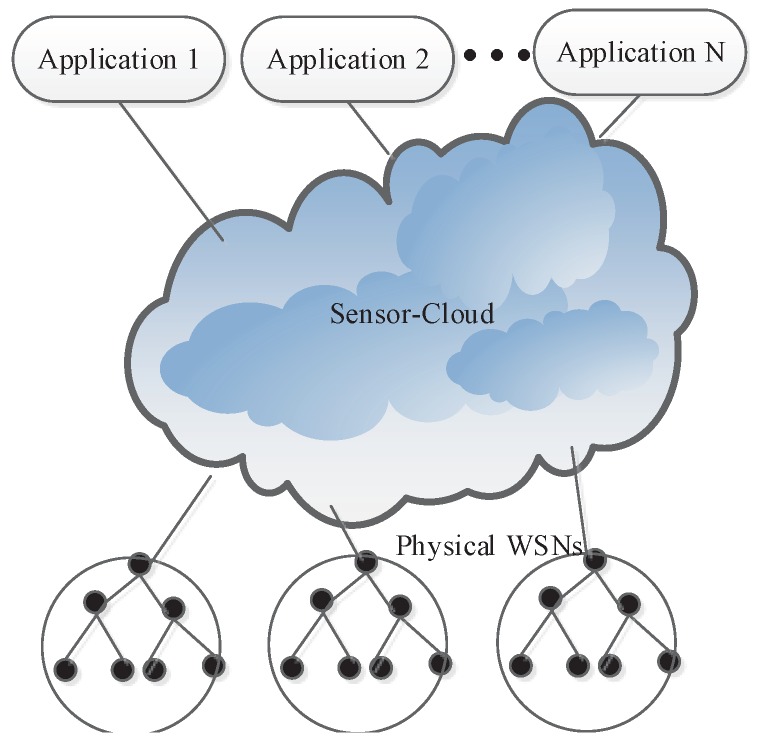
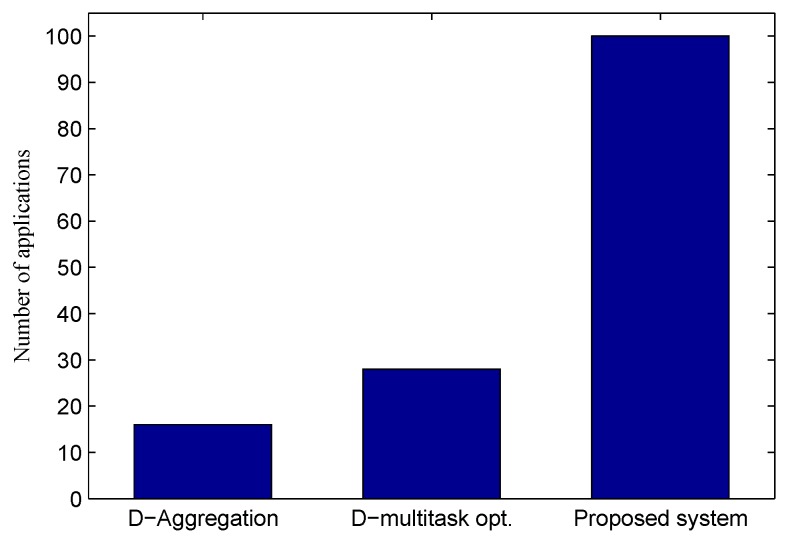
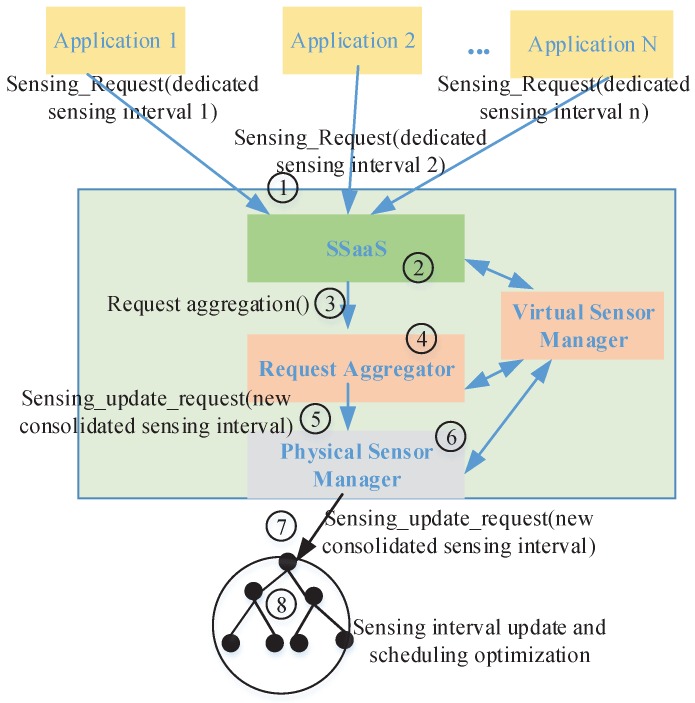
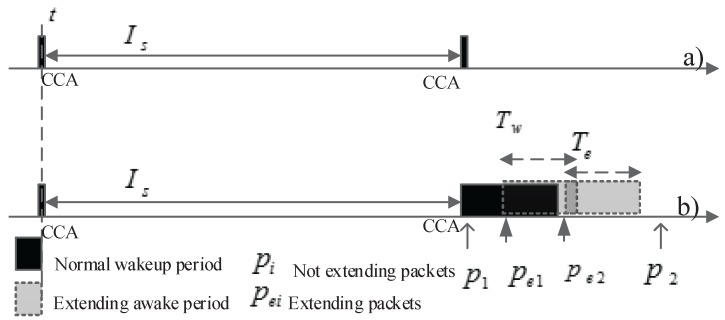
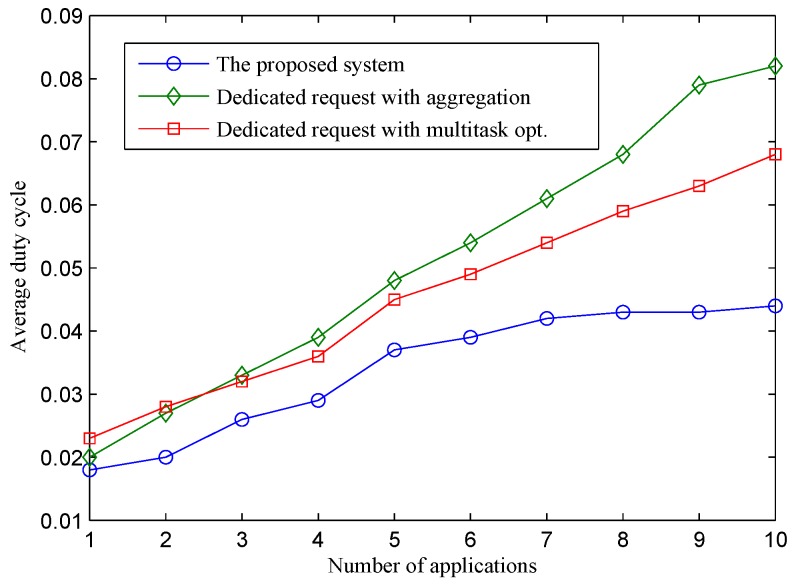
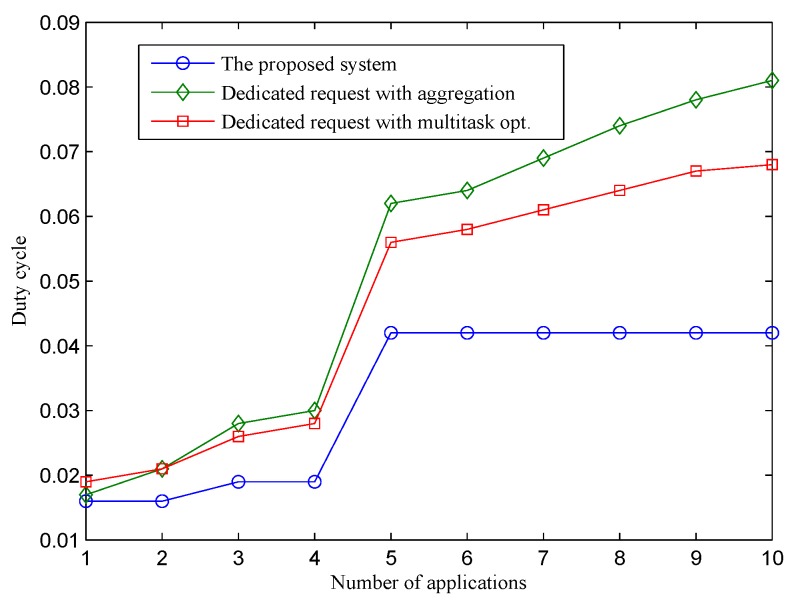
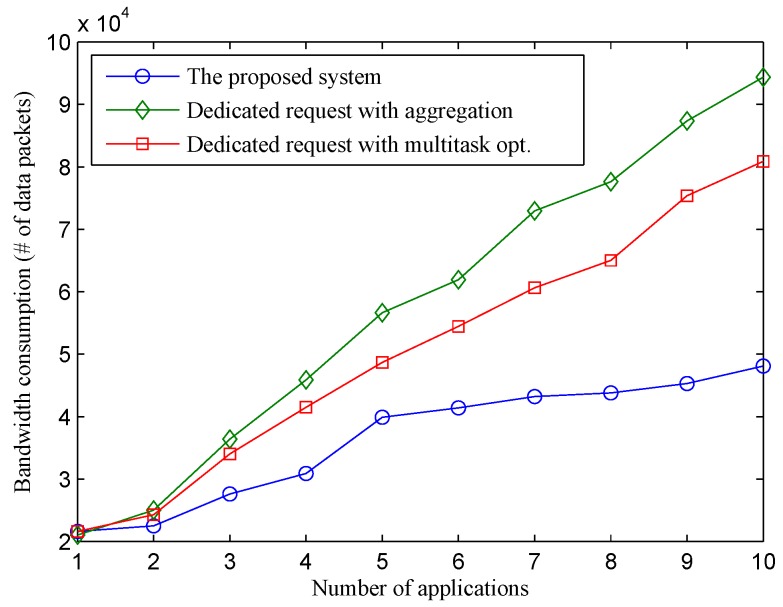
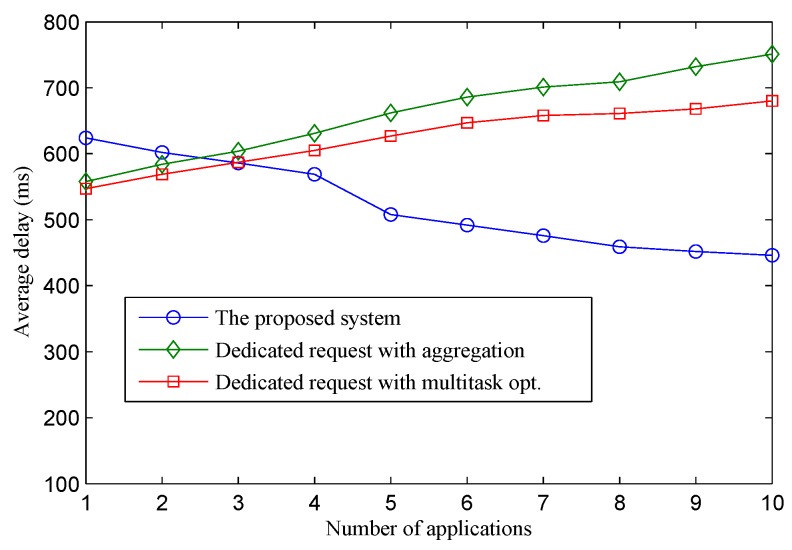
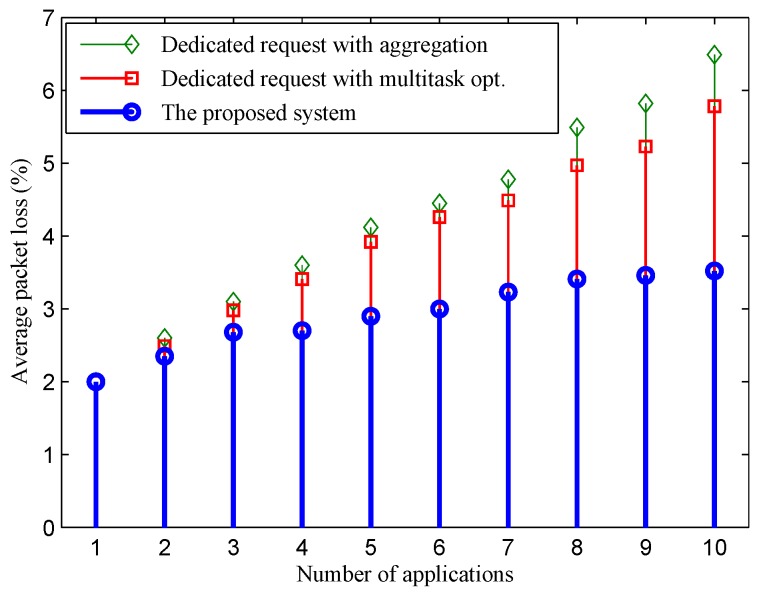
This paper proposes an efficient interactive model for the sensor-cloud to enable the sensor-cloud to efficiently provide on-demand sensing services for multiple applications with different requirements at the same time. The interactive model is designed for both the cloud and sensor nodes to optimize the resource consumption of physical sensors, as well as the bandwidth consumption of sensing traffic. In the model, the sensor-cloud plays a key role in aggregating application requests to minimize the workloads required for constrained physical nodes while guaranteeing that the requirements of all applications are satisfied. Physical sensor nodes perform their sensing under the guidance of the sensor-cloud. Based on the interactions with the sensor-cloud, physical sensor nodes adapt their scheduling accordingly to minimize their energy consumption. Comprehensive experimental results show that our proposed system achieves a significant improvement in terms of the energy consumption of physical sensors, the bandwidth consumption from the sink node to the sensor-cloud, the packet delivery latency, reliability and scalability, compared to current approaches. Based on the obtained results, we discuss the economical benefits and how the proposed system enables a win-win model in the sensor-cloud.
本文提出了一种用于传感器云的高效交互模型,以使传感器云能够同时为具有不同需求的多个应用高效地提供按需传感服务。该交互模型是为云以及传感器节点设计的,以优化物理传感器的资源消耗以及传感流量的带宽消耗。在该模型中,传感器云在聚合应用请求方面发挥关键作用,以在保证满足所有应用需求的同时,尽量减少受限物理节点所需的工作量。物理传感器节点在传感器云的指导下进行传感。基于与传感器云的交互,物理传感器节点相应地调整其调度以尽量减少能耗。综合实验结果表明,与当前方法相比,我们提出的系统在物理传感器的能耗、从汇聚节点到传感器云的带宽消耗、数据包传输延迟、可靠性和可扩展性方面都有显著提高。基于所获得的结果,我们讨论了经济效益以及所提出的系统如何在传感器云中实现双赢模式。