Chani Baldeep, Puri Veena, Chander Sobti Ranbir, Puri Sanjeev
Centre for Stem Cell & Tissue Engineering.
Systems Biology & Bioinformatics.
J Stem Cells Regen Med. 2016 May 30;12(1):16-24. doi: 10.46582/jsrm.1201004. eCollection 2016.
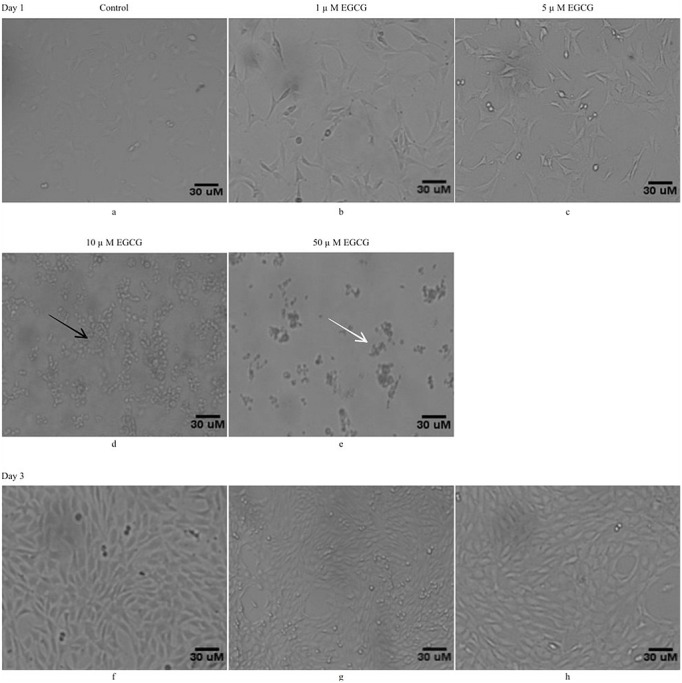
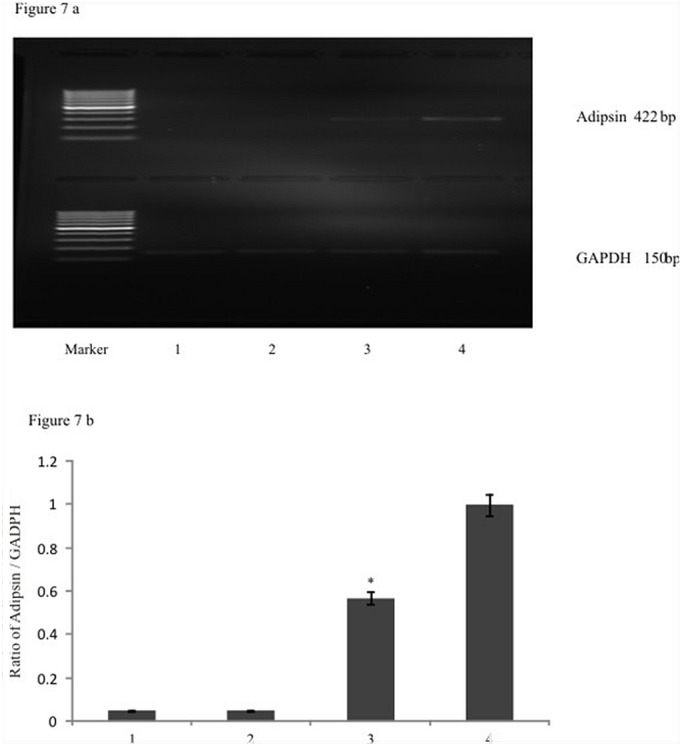
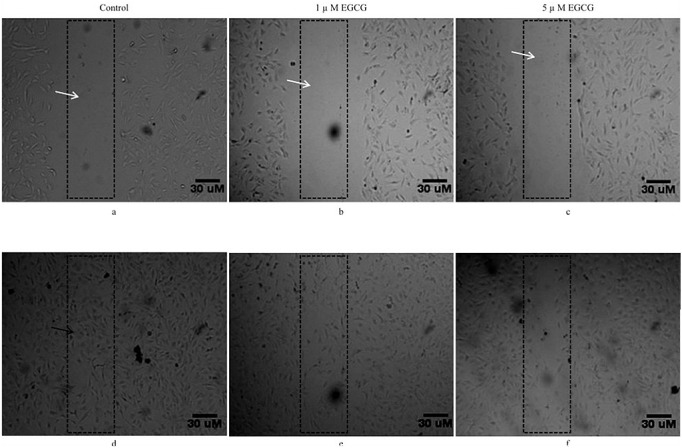
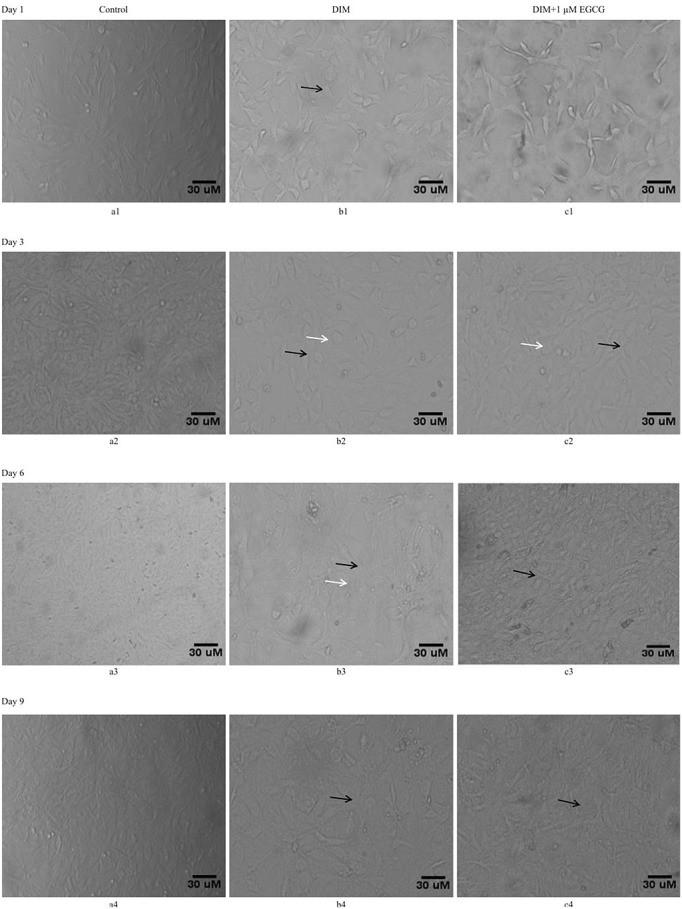
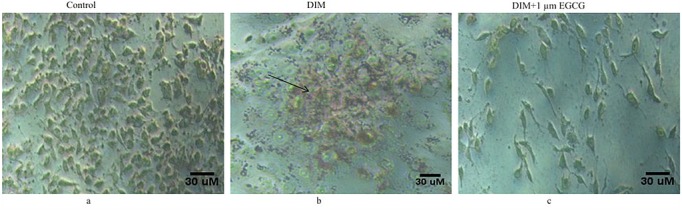
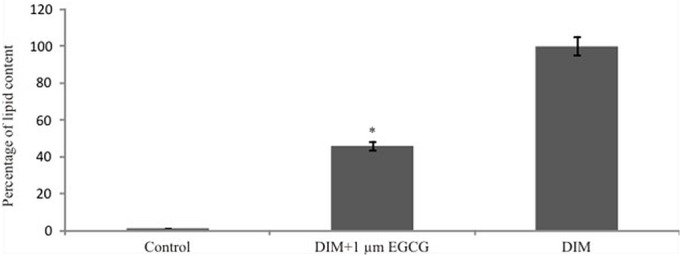
Epigallocatechin gallate (EGCG) is a major component of green tea polyphenols having a potent anti-oxidant potential. Besides inhibiting the growth of many cancer cell types and inducing proliferation and differentiation in keratinocytes, it has been shown to promote reduction of body fat. The fact that mesenchymal stem cells (MSCs) have ability to self-renew and differentiate into the cells of mesodermal lineages, such as fat and bone, it is, thus, possible that EGCG may directly be involved in affecting fat metabolism through its effect on mesenchymal stem cells. Hence, with this aim, the present study was designed to determine the effect of EGCG on mouse mesenchymal stem cells, C3H10T1/2 cells differentiation into adipocytes. To understand this process, the cells were incubated with varying concentrations of EGCG (1 μM, 5 μM, 10 μM, 50 μM) in the presence and /or absence of adipogenic medium for 9 days. The results demonstrated that, EGCG inhibited the cells proliferation, migration and also prevented their differentiation to adipogenic lineage. These effects were analyzed through the inhibition of wound healing activity, reduction in Oil red O stained cells, together with decrease in the expression of Adipisin gene following EGCG treatment. These observations thus demonstrated anti-adipogenic effect of EGCG with a possibility of its role in the therapeutic intervention of obesity.
表没食子儿茶素没食子酸酯(EGCG)是绿茶多酚的主要成分,具有强大的抗氧化潜力。除了抑制多种癌细胞类型的生长并诱导角质形成细胞的增殖和分化外,它还被证明能促进体脂减少。间充质干细胞(MSCs)具有自我更新和分化为中胚层谱系细胞(如脂肪和骨骼细胞)的能力,因此,EGCG有可能通过其对间充质干细胞的作用直接参与影响脂肪代谢。因此,出于这个目的,本研究旨在确定EGCG对小鼠间充质干细胞C3H10T1/2细胞向脂肪细胞分化的影响。为了解这一过程,将细胞在有和/或无成脂培养基的情况下与不同浓度的EGCG(1μM、5μM、10μM、50μM)孵育9天。结果表明,EGCG抑制细胞增殖、迁移,并阻止它们向脂肪生成谱系分化。通过抑制伤口愈合活性、减少油红O染色细胞以及EGCG处理后Adipisin基因表达的降低来分析这些作用。这些观察结果因此证明了EGCG的抗脂肪生成作用及其在肥胖治疗干预中发挥作用的可能性。