Han Y, Heuermann R J, Lyman K A, Fisher D, Ismail Q-A, Chetkovich D M
Davee Department of Neurology and Clinical Neurosciences, Northwestern University, Chicago, IL, USA.
Mol Psychiatry. 2017 Mar;22(3):458-465. doi: 10.1038/mp.2016.99. Epub 2016 Jul 12.
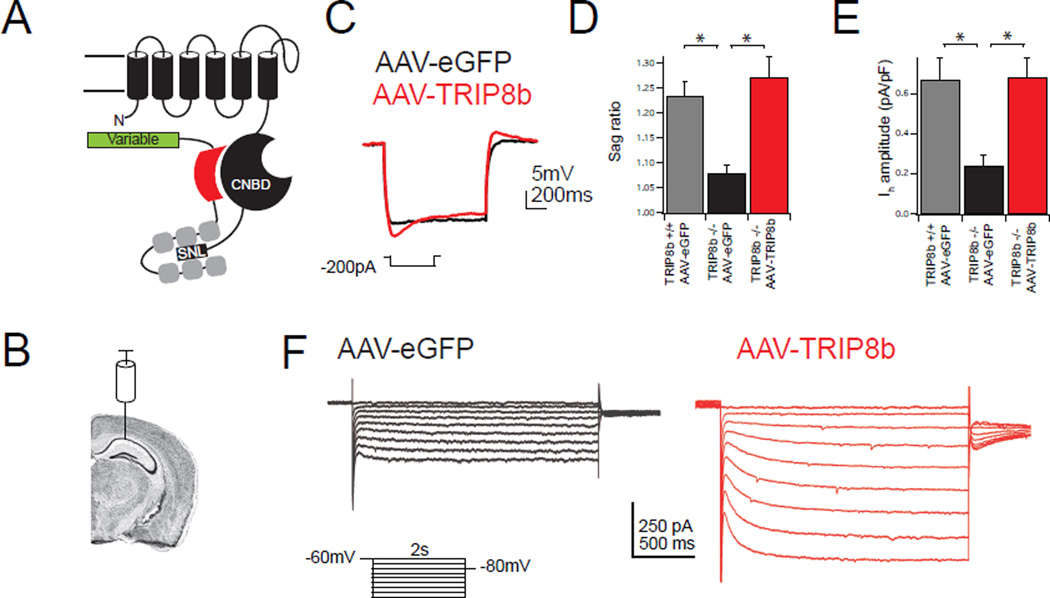
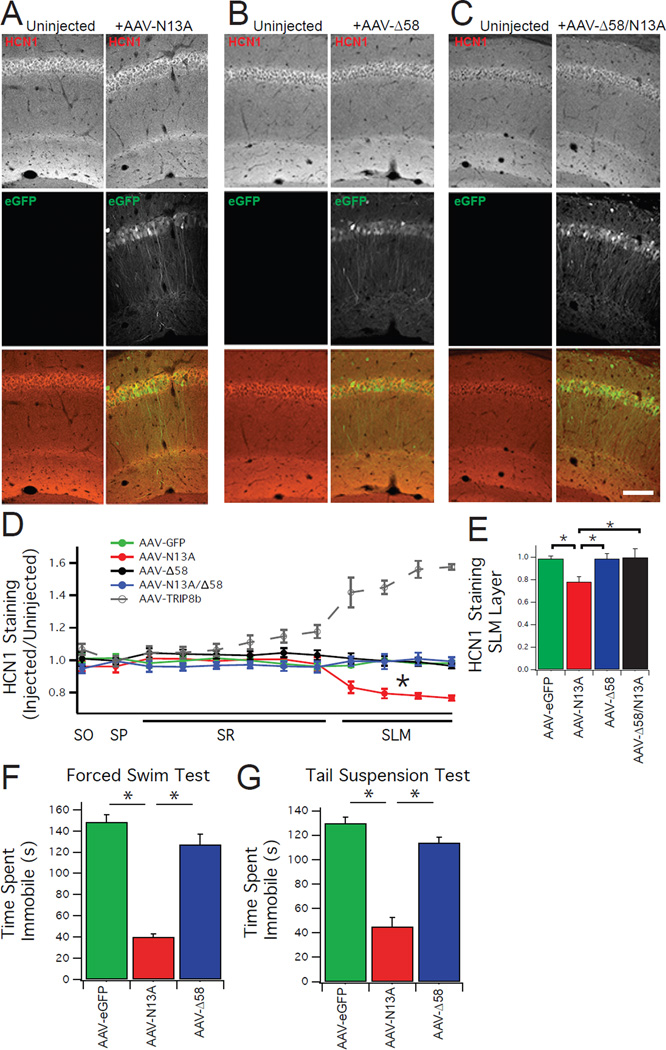
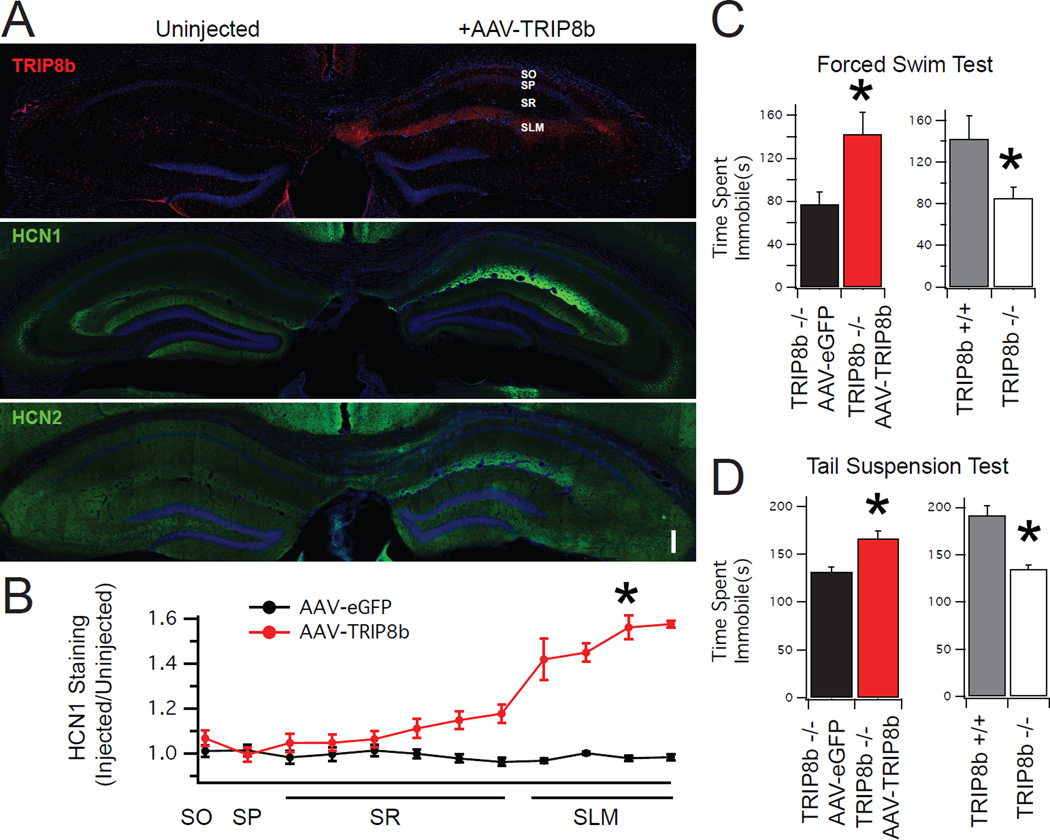
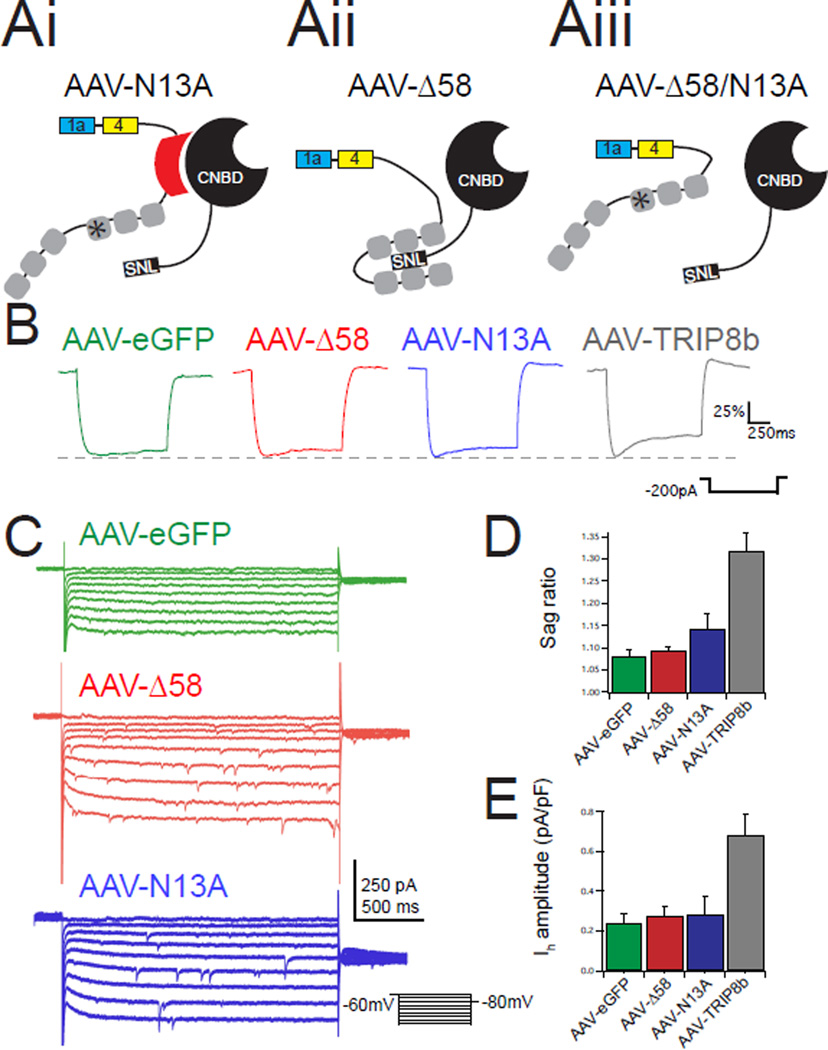
Major depressive disorder (MDD) is a prevalent psychiatric condition with limited therapeutic options beyond monoaminergic therapies. Although effective in some individuals, many patients fail to respond adequately to existing treatments, and new pharmacologic targets are needed. Hyperpolarization-activated cyclic nucleotide-gated (HCN) channels regulate excitability in neurons, and blocking HCN channel function has been proposed as a novel antidepressant strategy. However, systemic blockade of HCN channels produces cardiac effects that limit this approach. Knockout (KO) of the brain-specific HCN-channel auxiliary subunit tetratricopeptide repeat-containing Rab8b-interacting protein (TRIP8b) also produces antidepressant-like behavioral effects and suggests that inhibiting TRIP8b function could produce antidepressant-like effects without affecting the heart. We examined the structural basis of TRIP8b-mediated HCN-channel trafficking and its relationship with antidepressant-like behavior using a viral rescue approach in TRIP8b KO mice. We found that restoring TRIP8b to the hippocampus was sufficient to reverse the impaired HCN-channel trafficking and antidepressant-like behavioral effects caused by TRIP8b KO. Moreover, we found that hippocampal expression of a mutated version of TRIP8b further impaired HCN-channel trafficking and increased the antidepressant-like behavioral phenotype of TRIP8b KO mice. Thus, modulating the TRIP8b-HCN interaction bidirectionally influences channel trafficking and antidepressant-like behavior. Overall, our work suggests that small-molecule inhibitors of the interaction between TRIP8b and HCN should produce antidepressant-like behaviors and could represent a new paradigm for the treatment of MDD.
重度抑郁症(MDD)是一种常见的精神疾病,除单胺能疗法外,治疗选择有限。虽然对某些个体有效,但许多患者对现有治疗反应不佳,因此需要新的药理学靶点。超极化激活的环核苷酸门控(HCN)通道调节神经元的兴奋性,阻断HCN通道功能已被提议作为一种新型抗抑郁策略。然而,HCN通道的全身阻断会产生心脏效应,限制了这种方法。脑特异性HCN通道辅助亚基含四肽重复序列的Rab8b相互作用蛋白(TRIP8b)的基因敲除(KO)也产生了类似抗抑郁的行为效应,这表明抑制TRIP8b功能可以产生类似抗抑郁的效应而不影响心脏。我们在TRIP8b基因敲除小鼠中使用病毒拯救方法研究了TRIP8b介导的HCN通道运输的结构基础及其与类似抗抑郁行为的关系。我们发现,将TRIP8b恢复到海马体足以逆转由TRIP8b基因敲除引起的HCN通道运输受损和类似抗抑郁的行为效应。此外,我们发现TRIP8b突变体在海马体中的表达进一步损害了HCN通道运输,并增加了TRIP8b基因敲除小鼠的类似抗抑郁行为表型。因此,双向调节TRIP8b-HCN相互作用会影响通道运输和类似抗抑郁行为。总体而言,我们的研究表明,TRIP8b与HCN之间相互作用的小分子抑制剂应能产生类似抗抑郁的行为,可能代表了一种治疗MDD的新范式。