von Websky Martin W, Kitamura Koji, Ludwig-Portugall Isis, Kurts Christian, von Laffert Maximilian, LeMaoult Joel, Carosella Edgardo D, Abu-Elmagd Kareem, Kalff Joerg C, Schäfer Nico
Department of Surgery, University Hospital of Bonn, Bonn, Germany.
Department of Hepatobiliary Pancreatic Surgery and Transplantation, Kyoto University Hospital, Kyoto, Japan.
PLoS One. 2016 Jul 12;11(7):e0158907. doi: 10.1371/journal.pone.0158907. eCollection 2016.
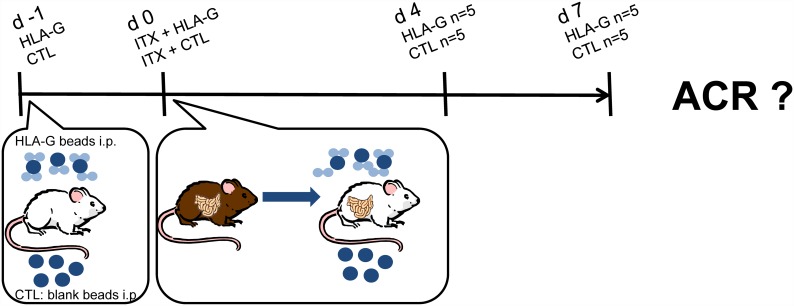
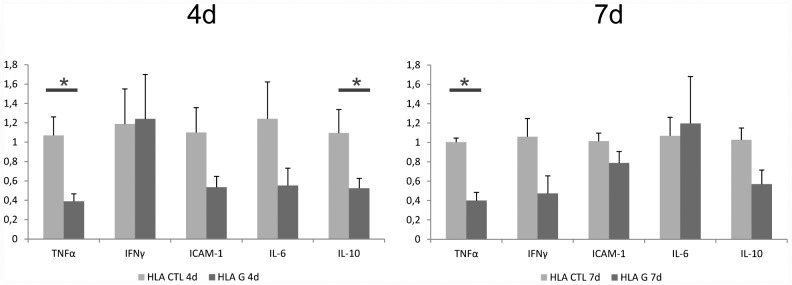
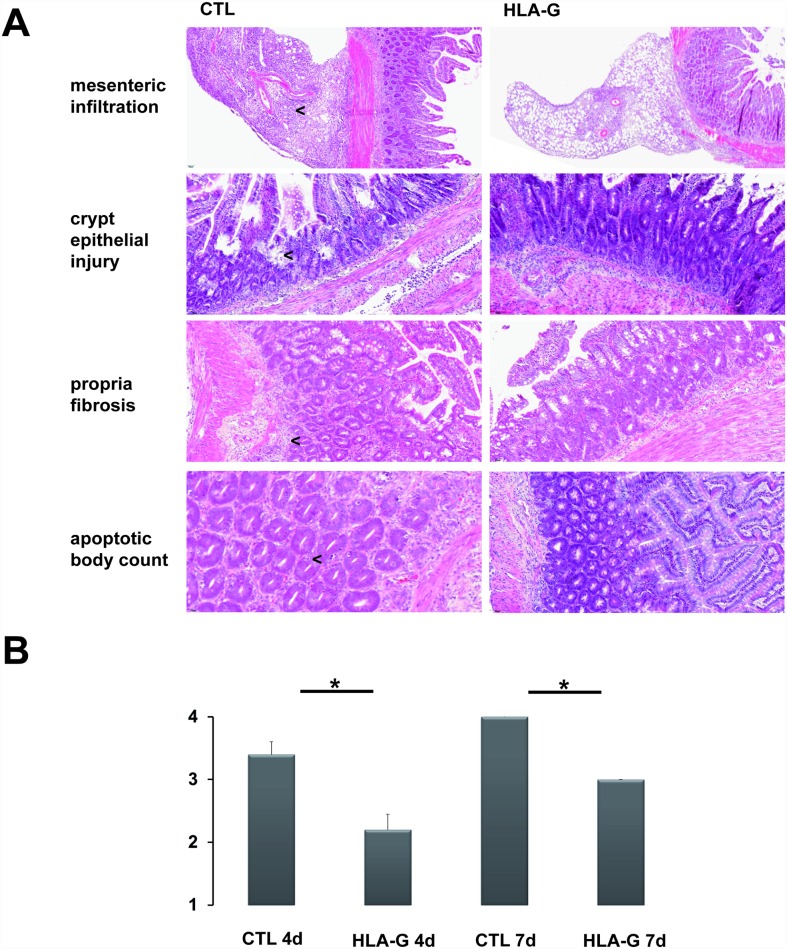
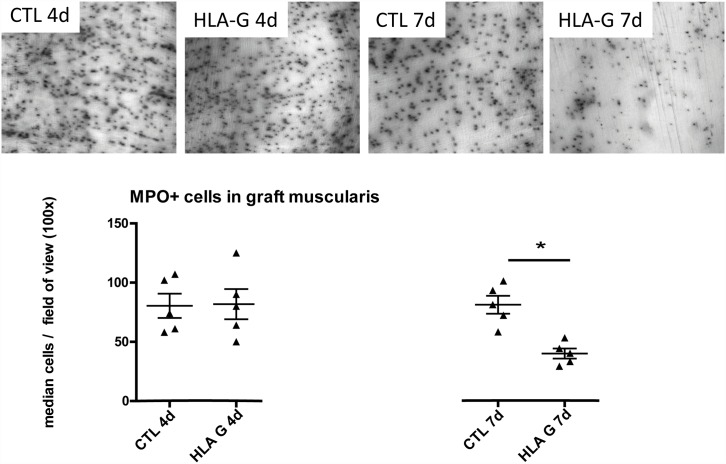
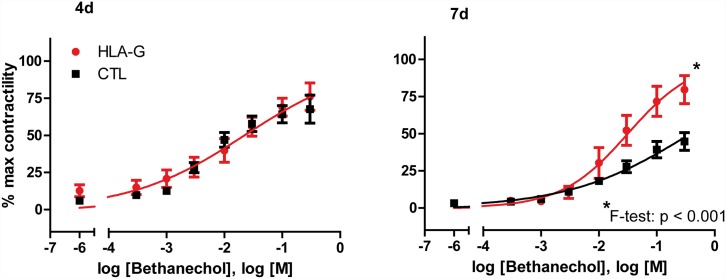
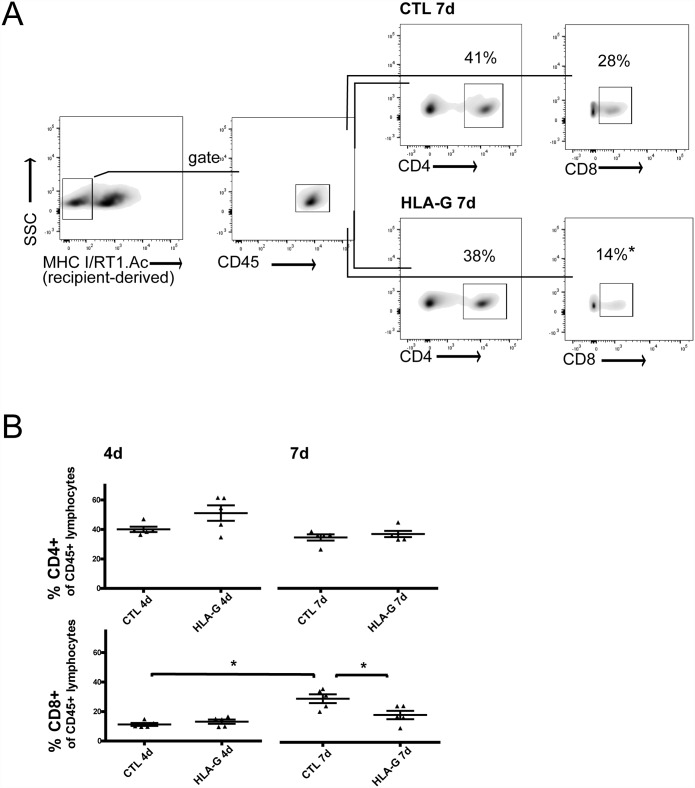
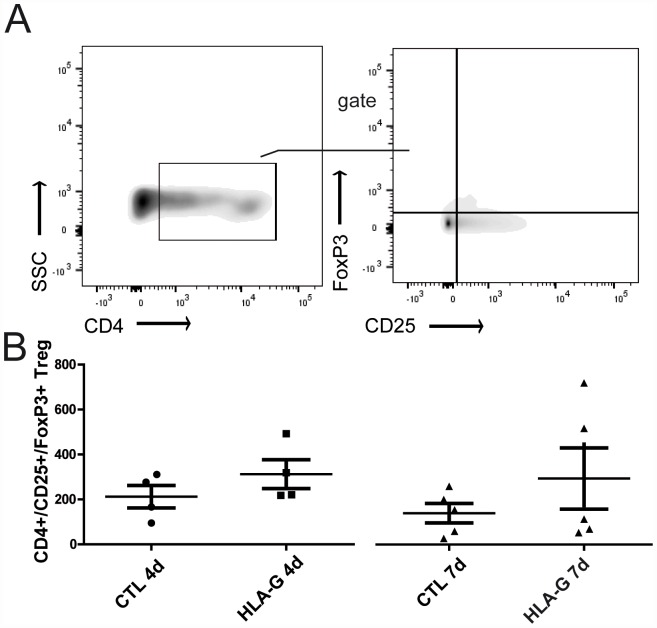
The non-classical MHC I paralogue HLA-G is expressed by cytotrophoblast cells and implicated with fetomaternal tolerance by downregulating the maternal adaptive and innate immune response against the fetus. HLA-G expression correlates with favorable graft outcome in humans and recently promising immunosuppressive effects of therapeutic HLA-G in experimental transplantation (skin allograft acceptance) were shown. Consequently, we examined this novel therapeutic approach in solid organ transplantation. In this study, therapeutic recombinant HLA-G5 was evaluated for the first time in a solid organ model of acute rejection (ACR) after orthotopic intestinal transplantation (ITX). Allogenic ITX was performed in rats (Brown Norway to Lewis) with and without HLA-G treatment. It was found that HLA-G treatment significantly reduced histologically proven ACR at both an early and late postoperative timepoint (POD 4/7), concomitant to a functionally preserved graft contractility at POD 7. Interestingly, graft infiltration by myeloperoxidase+ cells was significantly reduced at POD7 by HLA-G treatment. Moreover, HLA-G treatment showed an effect on the allogenic T-cell immune response as assessed by flow cytometry: The influx of recipient-derived CD8+ T-cells into the graft mesenteric lymphnodes at POD7 was significantly reduced while CD4+ populations were not affected. As a potential mechanism of action, an induction of T-reg populations in the mesenteric lymphnodes was postulated, but flow cytometric analysis of classical CD4+/CD25+/FoxP3+Treg-cells showed no significant alteration by HLA-G treatment. The novel therapeutic approach using recombinant HLA-G5 reported herein demonstrates a significant immunosuppressive effect in this model of allogenic experimental intestinal transplantation. This effect may be mediated via inhibition of recipient-derived CD8+ T-cell populations either directly or by induction of non-classical Treg populations.
非经典MHC I类旁系同源物HLA - G由细胞滋养层细胞表达,并通过下调母体针对胎儿的适应性和先天性免疫反应与母胎耐受相关。HLA - G表达与人类移植预后良好相关,最近在实验性移植(皮肤同种异体移植接受)中显示了治疗性HLA - G有前景的免疫抑制作用。因此,我们在实体器官移植中研究了这种新型治疗方法。在本研究中,首次在原位肠道移植(ITX)后的急性排斥(ACR)实体器官模型中评估了治疗性重组HLA - G5。在有或没有HLA - G治疗的情况下,对大鼠(从布朗挪威大鼠到刘易斯大鼠)进行同种异体ITX。发现HLA - G治疗在术后早期和晚期时间点(术后第4/7天)均显著降低了组织学证实的ACR,同时在术后第7天移植肠管的收缩功能得以保留。有趣的是,HLA - G治疗在术后第7天显著减少了髓过氧化物酶阳性细胞对移植肠管的浸润。此外,通过流式细胞术评估,HLA - G治疗对同种异体T细胞免疫反应有影响:术后第7天受体来源的CD8 + T细胞流入移植肠管的肠系膜淋巴结显著减少,而CD4 +细胞群未受影响。作为一种潜在的作用机制,推测在肠系膜淋巴结中诱导了调节性T细胞群,但经典CD4 + / CD25 + / FoxP3 +调节性T细胞的流式细胞术分析显示,HLA - G治疗没有显著改变。本文报道的使用重组HLA - G5的新型治疗方法在这种同种异体实验性肠道移植模型中显示出显著的免疫抑制作用。这种作用可能是通过直接抑制受体来源的CD8 + T细胞群或通过诱导非经典调节性T细胞群介导的。