Truong Phu, Rahal Ahmad, Kallail K James
Cancer Center of Kansas, Wesley Medical Center.
Internal Medicine, University of Kansas School of Medicine-Wichita.
Cureus. 2016 Jun 4;8(6):e631. doi: 10.7759/cureus.631.
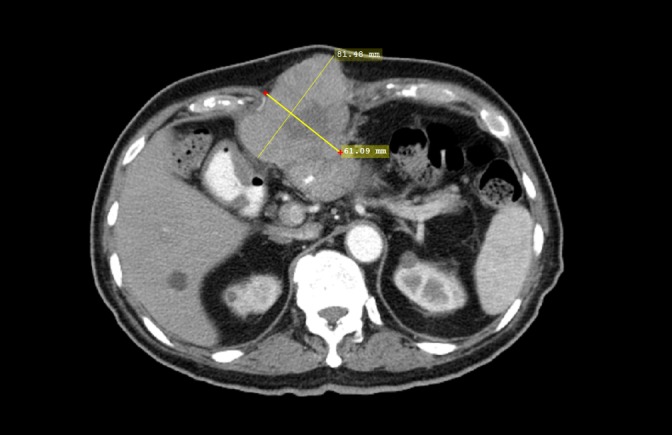
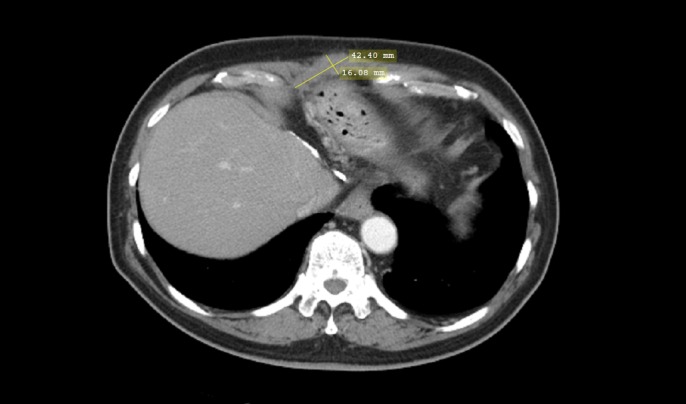
Hepatocellular carcinoma (HCC) is an aggressive liver tumor that occurs with chronic liver disease. Surgical resection is the mainstay of therapy for localized disease whereas therapeutic options for advanced disease are limited. The innovative blockade of immune checkpoints with targeted immunotherapies, such as monoclonal antibodies against programmed death receptor 1 (PD-1), have shown promise in the treatment of solid malignancies. The PD-1 inhibiting antibodies, nivolumab and pembrolizumab prolonged overall survival in randomized trials in metastatic melanoma and advanced non-small cell lung cancer. This is a report of a 75-year-old male patient with metastatic HCC who was initially treated with the standard of therapy sorafenib. After failure of sorafenib therapy, pembrolizumab was started. There was a dramatic response to pembrolizumab with decrease in tumor size and drop in alfa fetoprotein. To the best of our knowledge, this is the first case report of metastatic HCC responsive to pembrolizumab after failure of sorafenib.
肝细胞癌(HCC)是一种侵袭性肝脏肿瘤,常与慢性肝病相关。手术切除是局限性疾病的主要治疗方法,而晚期疾病的治疗选择有限。用靶向免疫疗法创新性地阻断免疫检查点,如抗程序性死亡受体1(PD-1)单克隆抗体,已在实体恶性肿瘤治疗中显示出前景。PD-1抑制抗体纳武单抗和派姆单抗在转移性黑色素瘤和晚期非小细胞肺癌的随机试验中延长了总生存期。本文报告了一名75岁转移性HCC男性患者,最初接受索拉非尼标准治疗。索拉非尼治疗失败后,开始使用派姆单抗。派姆单抗治疗产生了显著反应,肿瘤大小减小,甲胎蛋白下降。据我们所知,这是索拉非尼治疗失败后对派姆单抗有反应的转移性HCC的首例病例报告。