El-Rafie M H, Ahmed Hanan B, Zahran M K
Textile Research Division, National Research Centre, Dokki, Cairo 12311, Egypt.
Chemistry Department, Faculty of Science, Helwan University, Ain Helwan, Cairo 11795, Egypt.
Int Sch Res Notices. 2014 Oct 29;2014:702396. doi: 10.1155/2014/702396. eCollection 2014.
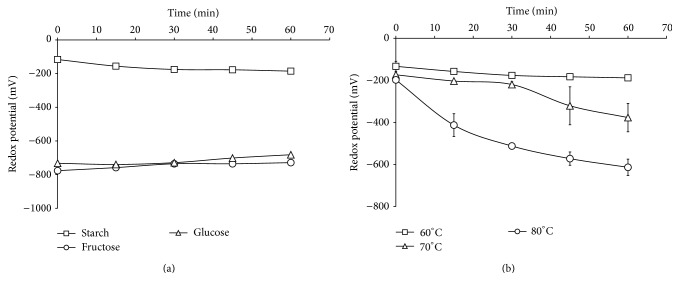
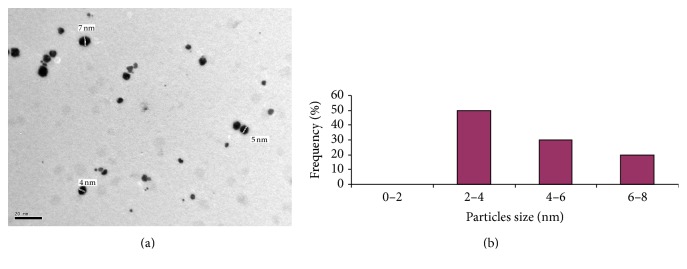
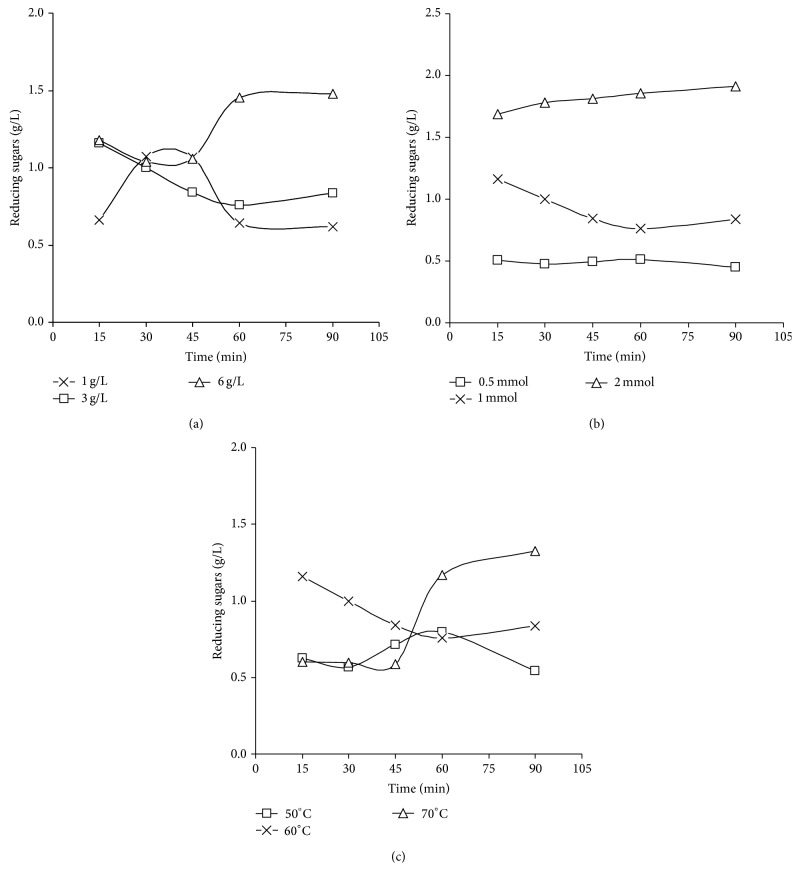
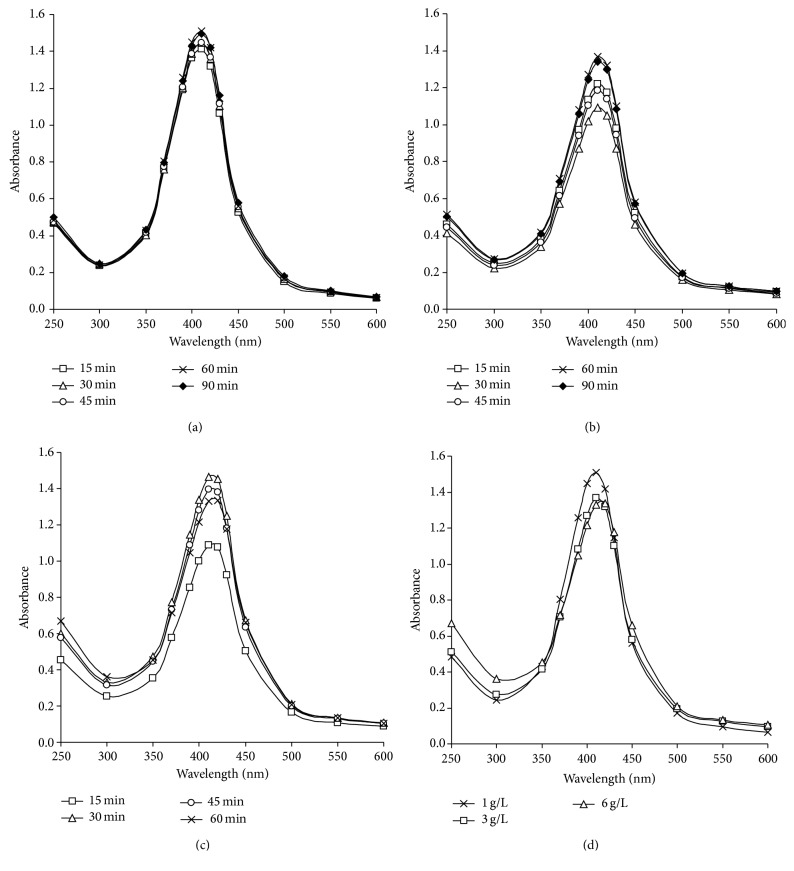
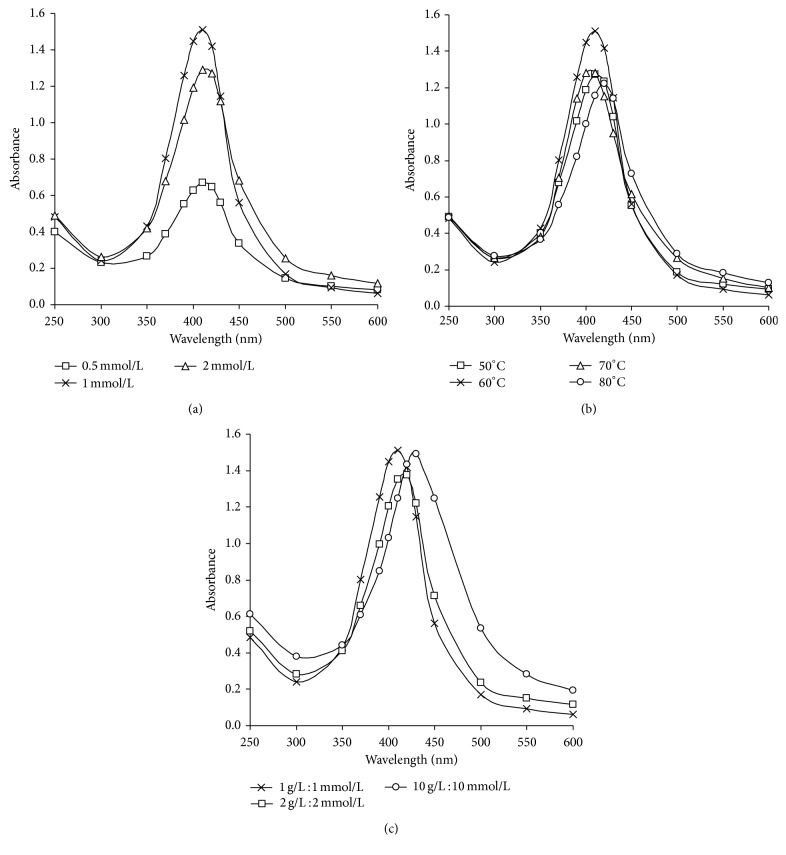
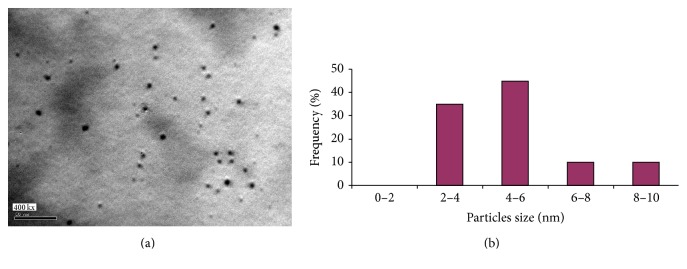
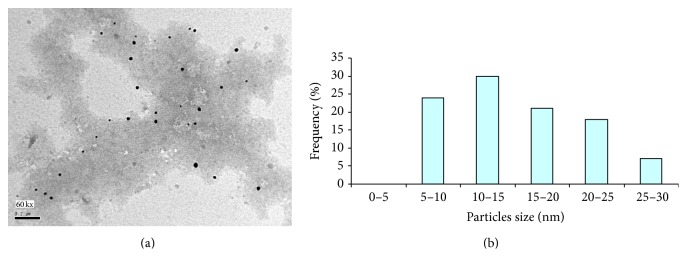
Silver nanoparticles were prepared by using alkali treated maize starch which plays a dual role as reducer for AgNO3 and stabilizer for the produced AgNPs. The redox reaction which takes a place between AgNO3 and alkali treated starch was followed up and controlled in order to obtain spherical shaped silver nanoparticles with mean size 4-6 nm. The redox potentials confirmed the principle role of alkali treatment in increasing the reducibility of starch macromolecules. The measurements of reducing sugars at the end of reaction using dinitrosalicylic acid reagent (DNS) were carried out in order to control the chemical reduction reaction. The UV/Vis spectra show that an absorption peak, occurring due to surface plasmon resonance (SPR), exists at 410 nm, which is characteristic to yellow color of silver nanoparticles solution. The samples have been characterized by transmission electron microscopy (TEM), which reveal the nanonature of the particles.
通过使用经碱处理的玉米淀粉制备银纳米颗粒,该玉米淀粉对硝酸银起到还原剂的作用,同时对生成的银纳米颗粒起到稳定剂的作用。对硝酸银与经碱处理的淀粉之间发生的氧化还原反应进行跟踪和控制,以获得平均尺寸为4 - 6纳米的球形银纳米颗粒。氧化还原电位证实了碱处理在提高淀粉大分子还原性方面的主要作用。使用二硝基水杨酸试剂(DNS)在反应结束时对还原糖进行测量,以控制化学还原反应。紫外/可见光谱表明,由于表面等离子体共振(SPR)出现的吸收峰存在于410纳米处,这是银纳米颗粒溶液黄色的特征。通过透射电子显微镜(TEM)对样品进行了表征,揭示了颗粒的纳米性质。