Zagorski John, Kline Jeffrey A
Department of Math and Sciences, Gaston College, Dallas, NC, 28014, USA.
Department of Emergency Medicine and Department of Cellular and Integrative Physiology, Indiana University Medical School, 720 Eskanazi Avenue, Indianapolis, IN, 46202, USA.
Respir Res. 2016 Jul 19;17(1):86. doi: 10.1186/s12931-016-0405-9.
Pulmonary thromboembolism (PTE) is a common diagnosis and a leading cause of cardiovascular morbidity and mortality. A growing literature has associated PE with systemic inflammation, and global hyper-coagulability, which contribute to lung remodeling and clot recurrence. The source and mechanism of inflammation remains unstudied. In humans, inhibition of cholesterol synthesis with statins decreases biomarkers of inflammation. We test the differential effect of pulmonary vascular occlusion during mild and severe pulmonary embolism on the lung transcriptome.
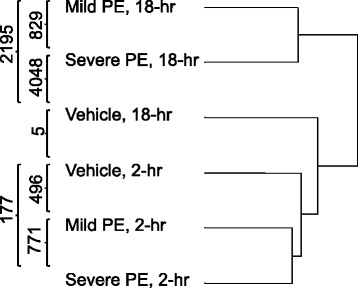
Experimental PE was induced in adult male rats by injection of 25 micron polystyrene microspheres into the jugular vein. The effect of Mild PE, (2-h right ventricular systolic pressure [RVSP] normal, 18-h RVSP 44 mmHg) and Severe PE (2-h RVSP > 50 mmHg; 18-h RVSP 44 mmHg) on lungs was assessed by measuring transcriptome-wide changes in gene expression by DNA microarrays.
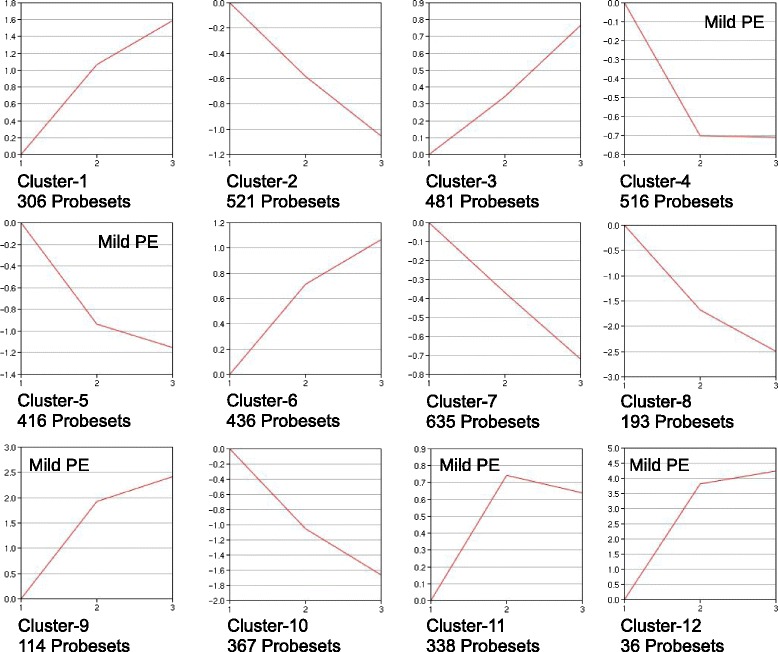
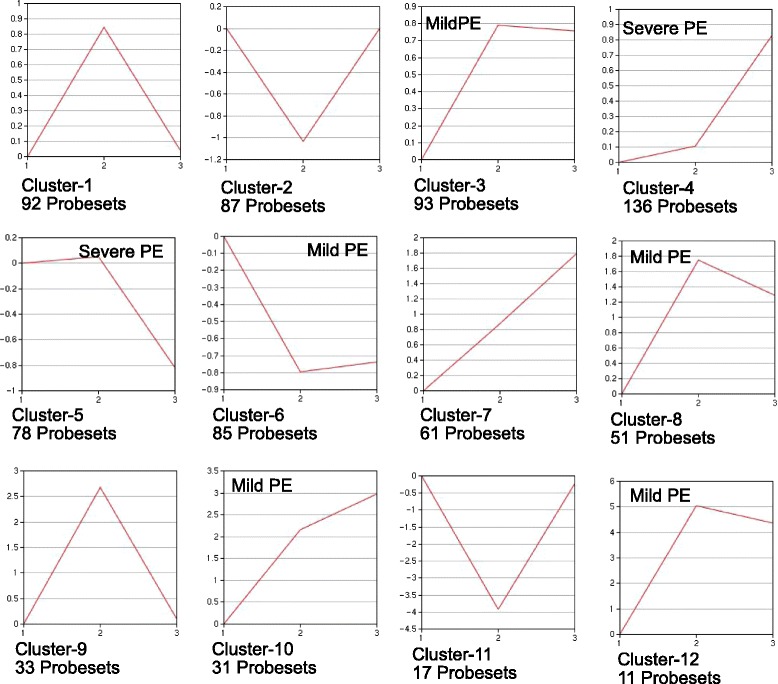
Severe PE was associated with a large change in lung gene expression and in the expression of KEGG pathways and other gene functional annotation groups. Mild PE was also associated with a large number of significant changes in gene expression and in the expression of KEGG pathways and gene functional annotation groups, even after only 2 h of PE. Up-regulated pathways included increased adipocytokine, chemokine and cytokine signaling as well as cholesterol synthesis.
Mild PE without acute pulmonary hypertension (PH) increased lung gene expression of inflammatory pathways, including increased cholesterol synthesis. These data indicate that even mild persistent pulmonary vascular occlusion is capable of inciting an inflammatory response from the lung. These data imply the detrimental effect of unresolved pulmonary obstruction from PE.
肺血栓栓塞症(PTE)是一种常见的诊断疾病,也是心血管疾病发病和死亡的主要原因。越来越多的文献表明,PE与全身炎症和整体高凝状态有关,这会导致肺重塑和血栓复发。炎症的来源和机制仍未得到研究。在人类中,使用他汀类药物抑制胆固醇合成可降低炎症生物标志物。我们测试了轻度和重度肺栓塞期间肺血管阻塞对肺转录组的不同影响。
通过向成年雄性大鼠颈静脉注射25微米聚苯乙烯微球诱导实验性PE。通过DNA微阵列测量基因表达的全转录组变化,评估轻度PE(2小时右心室收缩压[RVSP]正常,18小时RVSP为44mmHg)和重度PE(2小时RVSP>50mmHg;18小时RVSP为44mmHg)对肺的影响。
重度PE与肺基因表达以及KEGG通路和其他基因功能注释组的表达发生巨大变化有关。即使在PE仅2小时后,轻度PE也与基因表达以及KEGG通路和基因功能注释组的表达发生大量显著变化有关。上调的通路包括脂肪细胞因子、趋化因子和细胞因子信号传导增加以及胆固醇合成增加。
无急性肺动脉高压(PH)的轻度PE增加了炎症通路的肺基因表达,包括胆固醇合成增加。这些数据表明,即使是轻度持续性肺血管阻塞也能够引发肺的炎症反应。这些数据暗示了PE未解决的肺阻塞的有害影响。