Curtis Thomas D, Gram Lone, Knudsen Gitte M
Gram Lab, Department of Systems Biology, Technical University of Denmark Kongens Lyngby, Denmark.
Front Microbiol. 2016 Jul 5;7:1056. doi: 10.3389/fmicb.2016.01056. eCollection 2016.
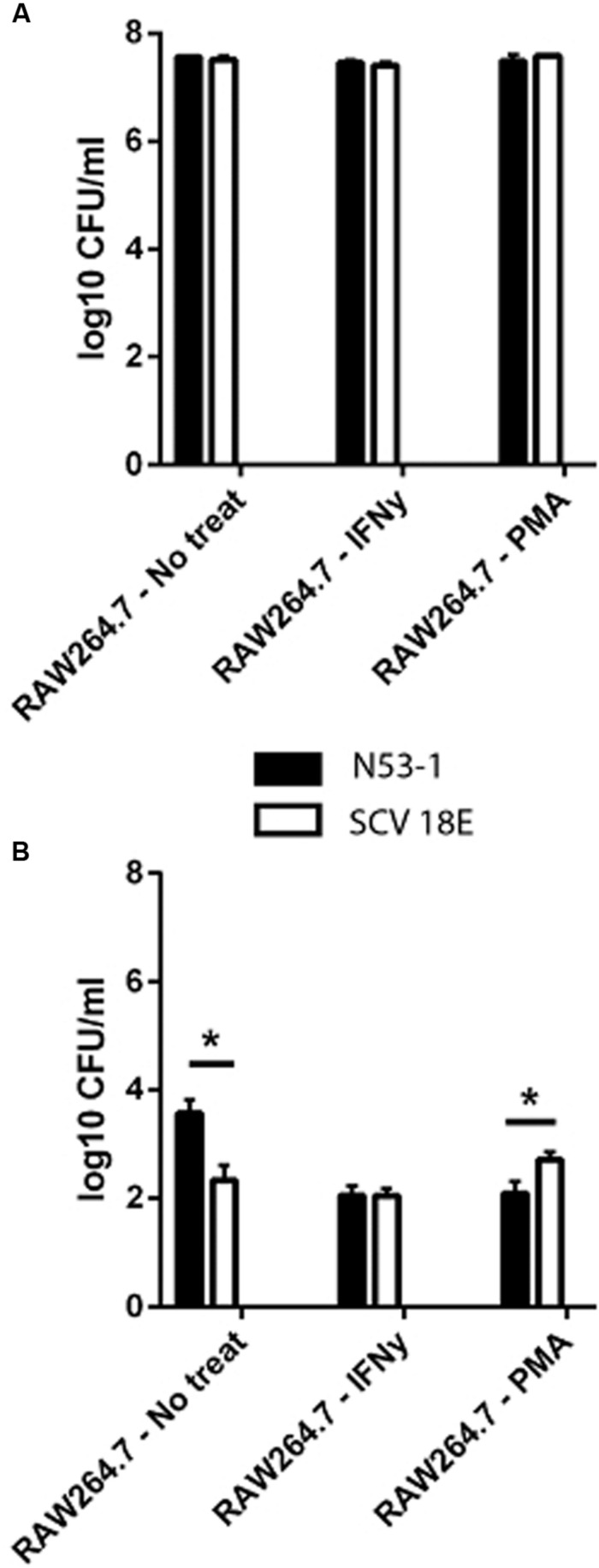
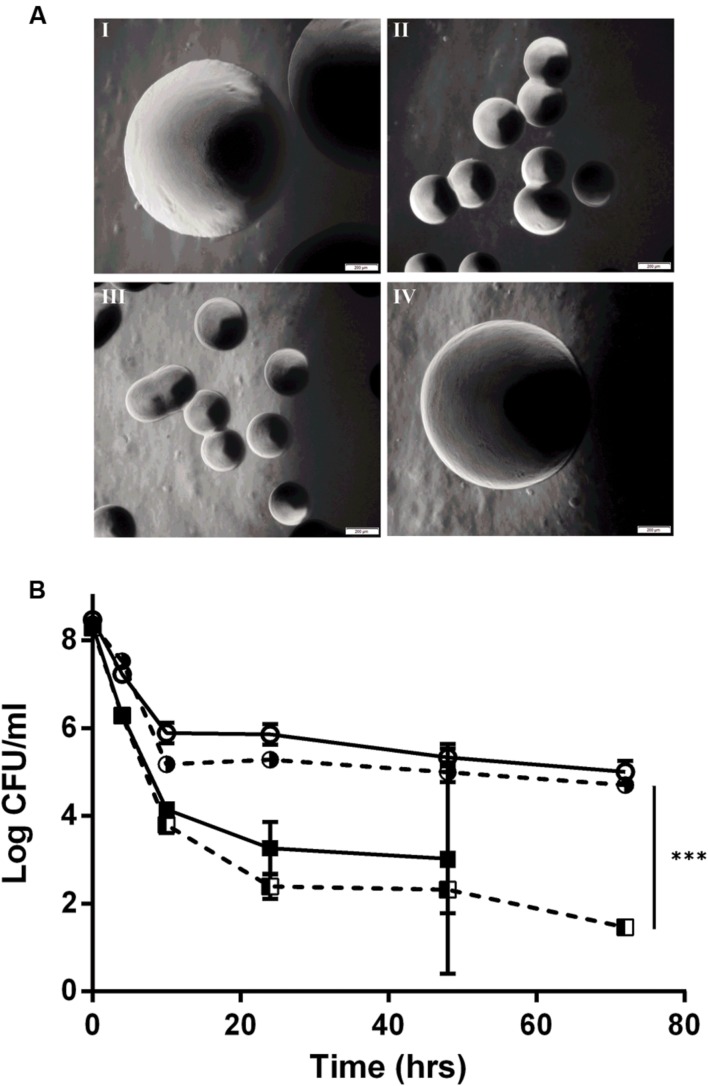
Small Colony Variant (SCV) cells of bacteria are a slow-growing phenotype that result from specific defects in the electron transport chain. They form pinpoint colonies on agar plates and have a variety of phenotypic characteristics, such as altered carbon metabolism, decreased toxin and lytic enzyme production, aminoglycoside resistance, and increased intracellular persistence. They are clinically relevant in Staphylococcus aureus and Pseudomonas aeruginosa, serving as a reservoir for recurrent or prolonged infections. Here, we found that a SCV mutant in the foodborne pathogen Listeria monocytogenes (strain SCV E18), similar to the high persister mutant phenotype, survived significantly better than the wild type when exposed over a 48-h period to concentrations above Minimal Inhibitory Concentration for most tested antibiotics. SCV E18 survived more poorly than the wildtype in unactivated RAW264.7 macrophage cells, presumably because of its reduced listeriolysin O expression, however, it survived better in reactive oxygen species producing, phorbol 12-myristate 13-acetate-activated macrophages. Although SCV E18 was sensitive to oxygen as it entered the stationary phase, it was significantly more tolerant to H2O2 than the wild type, which may result from a shift in metabolism, however, further investigation is needed to resolve this. SCV E18 is a spontaneous mutant with a point mutation in the hemA gene. A wild type copy of hemA was complemented on plasmid pSOG30222, which restored the wild type phenotype. The results reported here suggest that the SCV of L. monocytogenes could be of clinical importance and highlight a need for adequate clinical screening for this phenotype, as it could affect antibiotic treatment outcomes.
细菌的小菌落变异体(SCV)细胞是一种生长缓慢的表型,由电子传递链中的特定缺陷导致。它们在琼脂平板上形成针尖状菌落,并具有多种表型特征,如碳代谢改变、毒素和裂解酶产生减少、氨基糖苷类耐药性以及细胞内持久性增加。它们在金黄色葡萄球菌和铜绿假单胞菌中具有临床相关性,是反复或长期感染的储存库。在此,我们发现食源性病原体单核细胞增生李斯特菌(菌株SCV E18)中的一个SCV突变体,类似于高持久性突变体表型,在暴露于高于大多数测试抗生素最低抑菌浓度的浓度下48小时后,其存活能力明显优于野生型。在未活化的RAW264.7巨噬细胞中,SCV E18的存活能力比野生型差,可能是因为其溶血素O表达降低,然而,它在产生活性氧的佛波酯12 - 肉豆蔻酸酯13 - 乙酸酯活化的巨噬细胞中存活得更好。尽管SCV E18在进入稳定期时对氧气敏感,但它对过氧化氢的耐受性明显高于野生型,这可能是由于代谢转变导致的,然而,需要进一步研究来解决这一问题。SCV E18是一个在hemA基因中发生点突变的自发突变体。hemA的野生型拷贝在质粒pSOG30222上得到互补,恢复了野生型表型。此处报道的结果表明,单核细胞增生李斯特菌的SCV可能具有临床重要性,并强调需要对这种表型进行充分的临床筛查,因为它可能影响抗生素治疗结果。