Kaloti Aniket S, Johnson Erik C, Bresee Chris S, Naufel Stephanie N, Perich Matthew G, Jones Douglas L, Hartmann Mitra J Z
Interdepartmental Neuroscience Program, Northwestern University, Evanston, IL, United States of America.
Department of Electrical and Computer Engineering, University of Illinois, Urbana, IL, United States of America.
PLoS One. 2016 Jul 27;11(7):e0158399. doi: 10.1371/journal.pone.0158399. eCollection 2016.
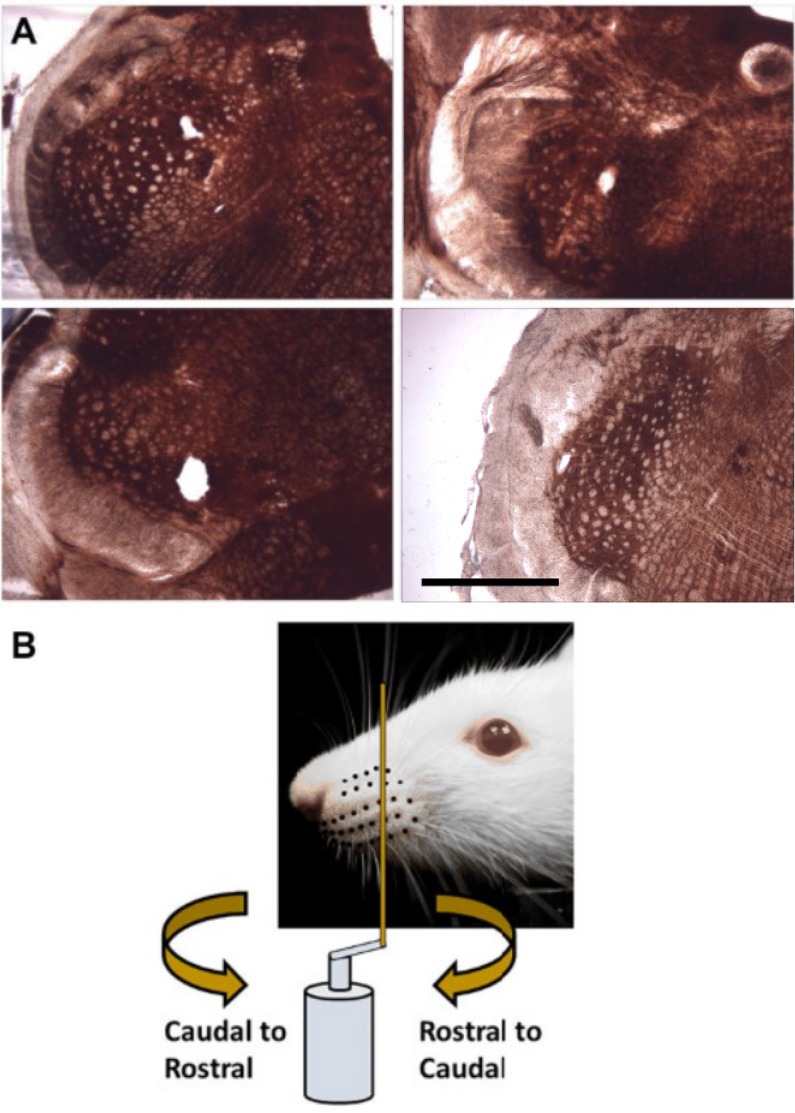
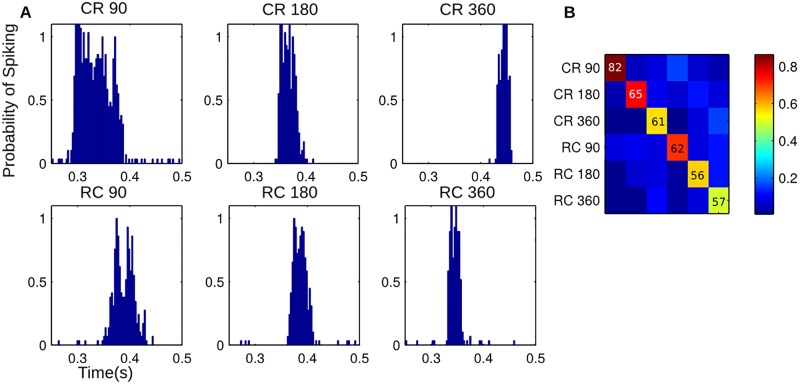
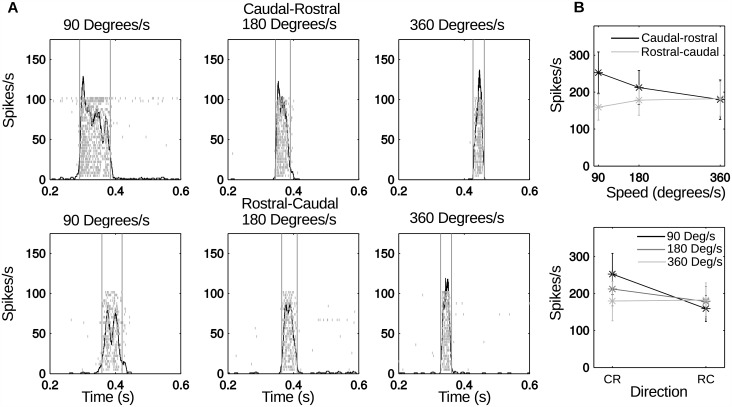
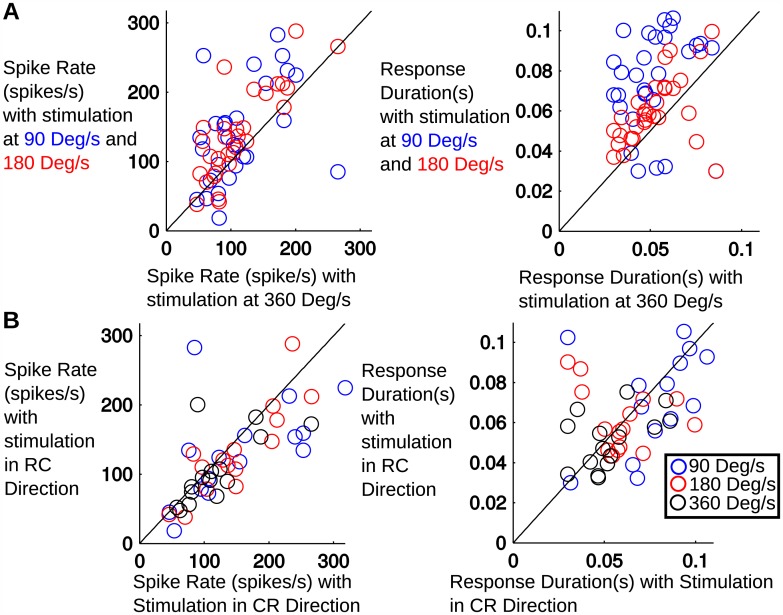
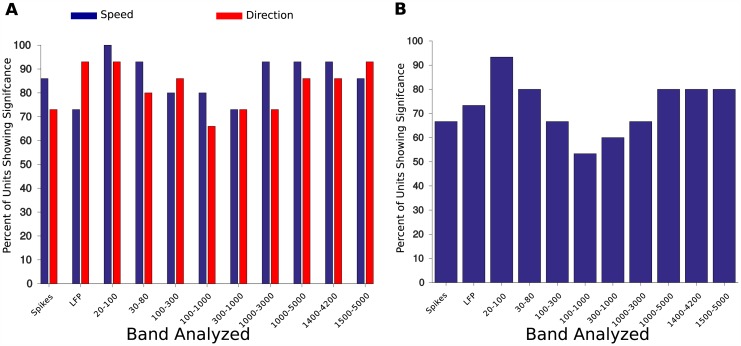
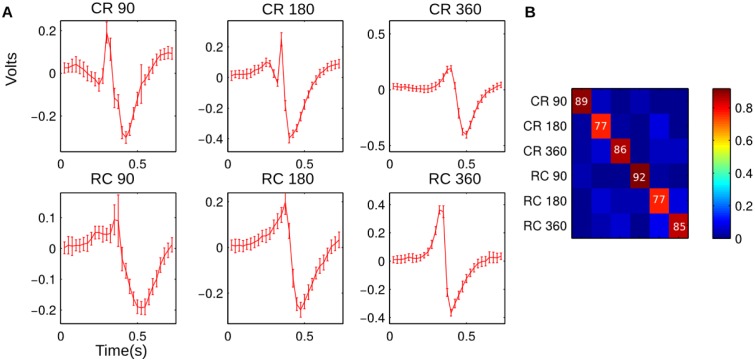
The rat vibrissal (whisker) system is one of the oldest and most important models for the study of active tactile sensing and sensorimotor integration. It is well established that primary sensory neurons in the trigeminal ganglion respond to deflections of one and only one whisker, and that these neurons are strongly tuned for both the speed and direction of individual whisker deflections. During active whisking behavior, however, multiple whiskers will be deflected simultaneously. Very little is known about how neurons at central levels of the trigeminal pathway integrate direction and speed information across multiple whiskers. In the present work, we investigated speed and direction coding in the trigeminal brainstem nuclei, the first stage of neural processing that exhibits multi-whisker receptive fields. Specifically, we recorded both single-unit spikes and local field potentials from fifteen sites in spinal trigeminal nucleus interpolaris and oralis while systematically varying the speed and direction of coherent whisker deflections delivered across the whisker array. For 12/15 neurons, spike rate was higher when the whisker array was stimulated from caudal to rostral rather than rostral to caudal. In addition, 10/15 neurons exhibited higher firing rates for slower stimulus speeds. Interestingly, using a simple decoding strategy for the local field potentials and spike trains, classification of speed and direction was higher for field potentials than for single unit spike trains, suggesting that the field potential is a robust reflection of population activity. Taken together, these results point to the idea that population responses in these brainstem regions in the awake animal will be strongest during behaviors that stimulate a population of whiskers with a directionally coherent motion.
大鼠触须系统是研究主动触觉感知和感觉运动整合最古老且最重要的模型之一。三叉神经节中的初级感觉神经元对一根且仅一根触须的偏转做出反应,并且这些神经元对单个触须偏转的速度和方向都有很强的调谐,这一点已得到充分证实。然而,在主动触须行为期间,多根触须会同时发生偏转。关于三叉神经通路中枢水平的神经元如何整合多根触须的方向和速度信息,我们知之甚少。在本研究中,我们调查了三叉神经脑干核中的速度和方向编码,三叉神经脑干核是神经处理的第一阶段,表现出多触须感受野。具体而言,我们在脊髓三叉神经核极间部和口部的15个位点记录了单单位尖峰和局部场电位,同时系统地改变通过触须阵列传递的相干触须偏转的速度和方向。对于15个神经元中的12个,当从尾侧向头侧而不是从头侧向尾侧刺激触须阵列时,尖峰频率更高。此外,15个神经元中的10个在较慢的刺激速度下表现出更高的放电频率。有趣的是,使用一种针对局部场电位和尖峰序列的简单解码策略,场电位对速度和方向的分类比单单位尖峰序列更高,这表明场电位是群体活动的有力反映。综上所述,这些结果表明,在清醒动物的这些脑干区域中,群体反应在以方向相干运动刺激一群触须的行为期间将最为强烈。