Zhang Xuehong, Lv Dekang, Zhang Yu, Liu Quentin, Li Zhiguang
Center of Genome and Personalized Medicine, Institute of Cancer Stem Cell, Cancer Center, Dalian Medical University, Dalian, China.
State Key Laboratory of Oncology in South China, Cancer Center, Sun Yat-sen University, Guangzhou, China.
Oncotarget. 2016 Sep 6;7(36):58586-58594. doi: 10.18632/oncotarget.10850.
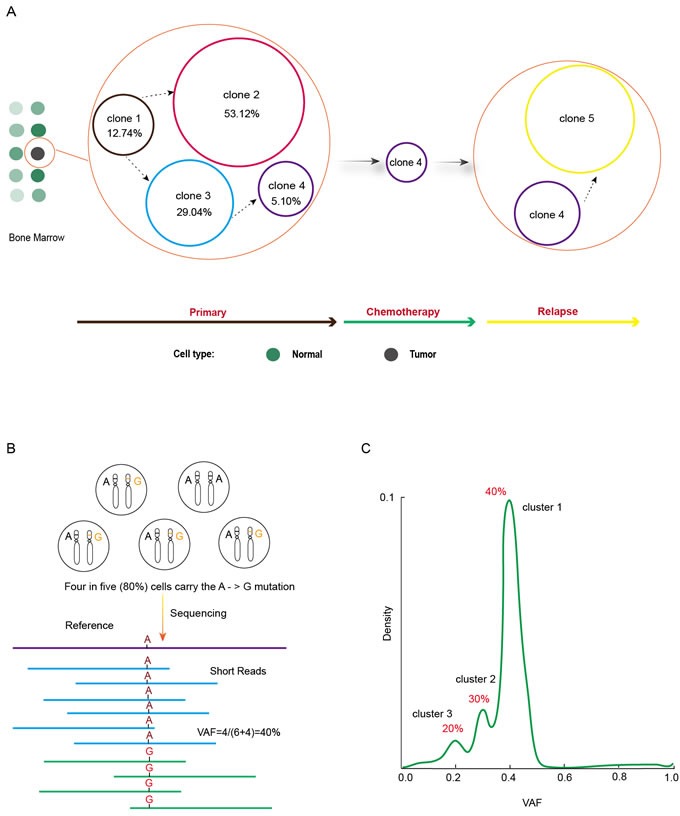
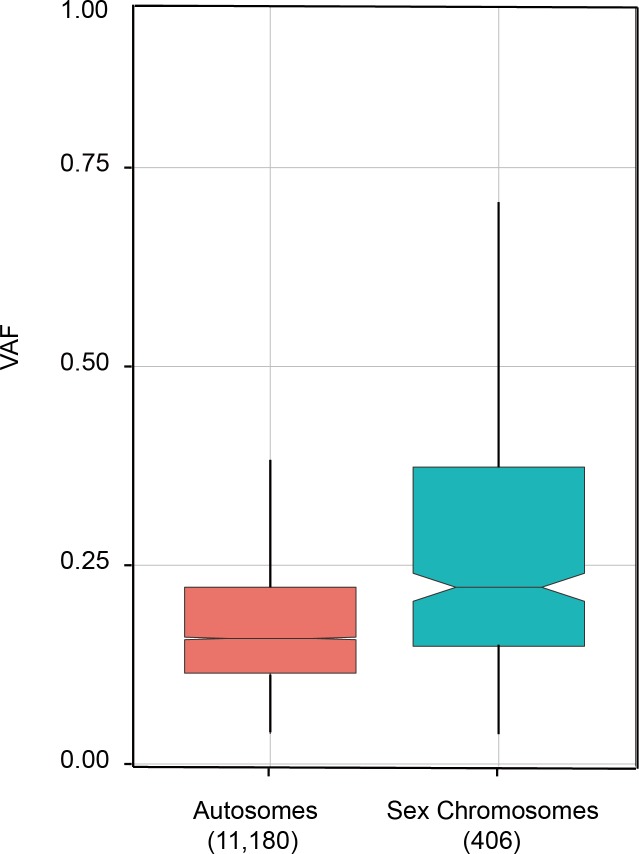
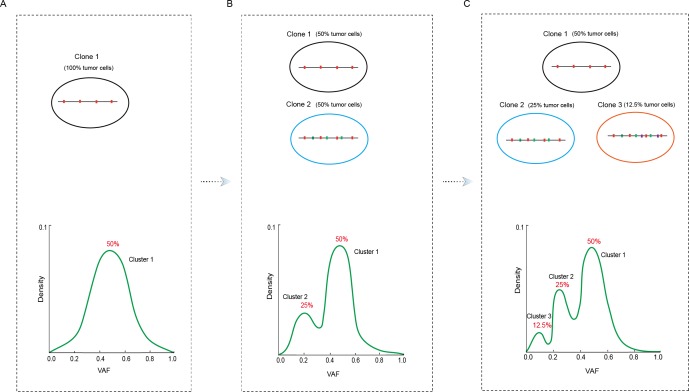
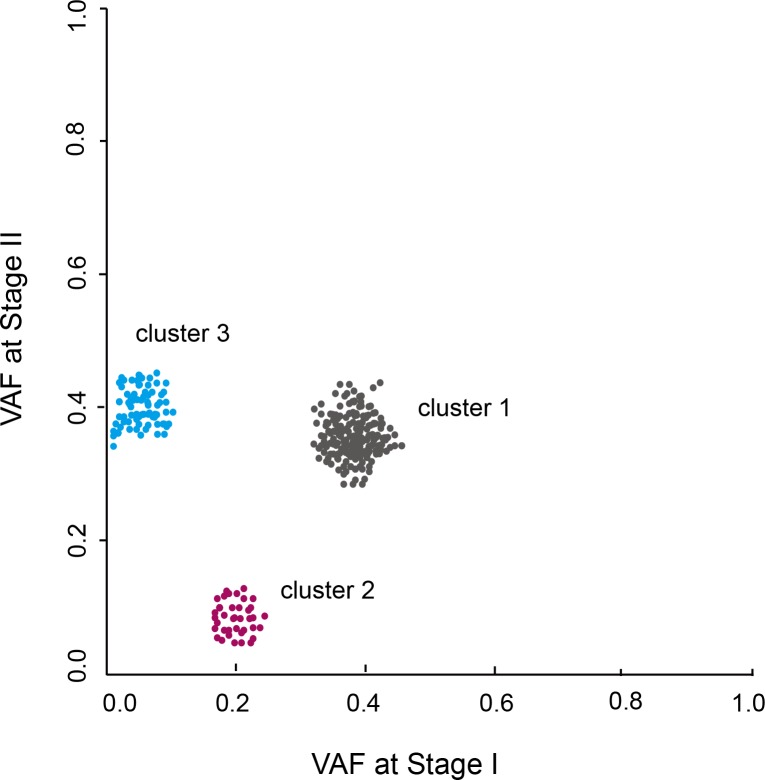
Decades of years might be required for an initiated cell to become a fully-pledged, metastasized tumor. DNA mutations are accumulated during this process including background mutations that emerge scholastically, as well as driver mutations that selectively occur in a handful of cancer genes and confer the cell a growth advantage over its neighbors. A clone of tumor cells could be superseded by another clone that acquires new mutations and grows more aggressively. Tumor evolutional patterns have been studied for years using conventional approaches that focus on the investigation of a single or a couple of genes. Latest deep sequencing technology enables a global view of tumor evolution by deciphering almost all genome aberrations in a tumor. Tumor clones and the fate of each clone during tumor evolution can be depicted with the help of the concept of variant allele frequency. Here, we summarize the new insights of cancer evolutional progression in acute myeloid leukemia. Cancer evolution is currently thought to start from a clone that has accumulated the requisite somatically-acquired genetic aberrations through a series of increasingly disordered clinical and pathological phases, eventually leading to malignant transformation [1-3]. The observations in invasive colorectal cancer that usually emerges from an antecedent benign adenomatous polyp and in cervical cancer that proceeds through intraepithelial neoplasia support the idea of stepwise or linear cancerous progression [3-5]. Genetically, such progression is achieved by successive waves of clonal expansion during which cells acquire novel genomic alterations including single nucleotide variants (SNVs), small insertions and deletions (indels), and/or copy number variations (CNVs) [6]. The latest improvement in sequencing technology has allowed the deciphering of the whole exome or genome in different types of tumor and normal tissue pairs, providing detailed catalogue about genome aberrations during tumor initiation and progression, which have been reviewed in several papers [7-10]. Here, we focus on demonstrating the cancer clonal evolution pattern revealed by recent deep sequencing studies of samples from acute myeloid leukemia (AML) patients.
一个起始细胞可能需要数十年时间才能发展成为一个完全成熟的转移性肿瘤。在此过程中会积累DNA突变,包括学术上出现的背景突变,以及选择性地发生在少数癌症基因中并赋予细胞相对于其邻近细胞生长优势的驱动突变。一个肿瘤细胞克隆可能会被另一个获得新突变并生长得更具侵袭性的克隆所取代。多年来一直使用传统方法研究肿瘤进化模式,这些方法侧重于对单个或几个基因的研究。最新的深度测序技术通过解读肿瘤中几乎所有的基因组畸变,实现了对肿瘤进化的全局观察。借助变异等位基因频率的概念,可以描绘肿瘤克隆及其在肿瘤进化过程中每个克隆的命运。在这里,我们总结了急性髓系白血病中癌症进化进展的新见解。目前认为癌症进化始于一个克隆,该克隆通过一系列越来越紊乱的临床和病理阶段积累了必要的体细胞获得性基因畸变,最终导致恶性转化[1-3]。侵袭性结直肠癌通常起源于先前的良性腺瘤性息肉,宫颈癌则通过上皮内瘤变发展,这些观察结果支持了癌症逐步或线性进展的观点[3-5]。从基因角度来看,这种进展是通过连续的克隆扩张浪潮实现的,在此过程中细胞获得新的基因组改变,包括单核苷酸变异(SNV)、小插入和缺失(indel)以及/或拷贝数变异(CNV)[6]。测序技术的最新进展使得能够解读不同类型肿瘤和正常组织对中的整个外显子组或基因组,提供了肿瘤发生和进展过程中基因组畸变的详细目录,已有几篇论文对此进行了综述[7-10]。在这里,我们重点展示近期对急性髓系白血病(AML)患者样本进行深度测序研究揭示的癌症克隆进化模式。