Missiroli Sonia, Bonora Massimo, Patergnani Simone, Poletti Federica, Perrone Mariasole, Gafà Roberta, Magri Eros, Raimondi Andrea, Lanza Giovanni, Tacchetti Carlo, Kroemer Guido, Pandolfi Pier Paolo, Pinton Paolo, Giorgi Carlotta
Department of Morphology, Surgery and Experimental Medicine, Section of Pathology, Oncology and Experimental Biology and LTTA Center, University of Ferrara, Ferrara 44121, Italy.
Department of Morphology, Surgery and Experimental Medicine, Section of Anatomic Pathology and Molecular Diagnostics, University of Ferrara, Ferrara 44121, Italy.
Cell Rep. 2016 Aug 30;16(9):2415-27. doi: 10.1016/j.celrep.2016.07.082. Epub 2016 Aug 18.
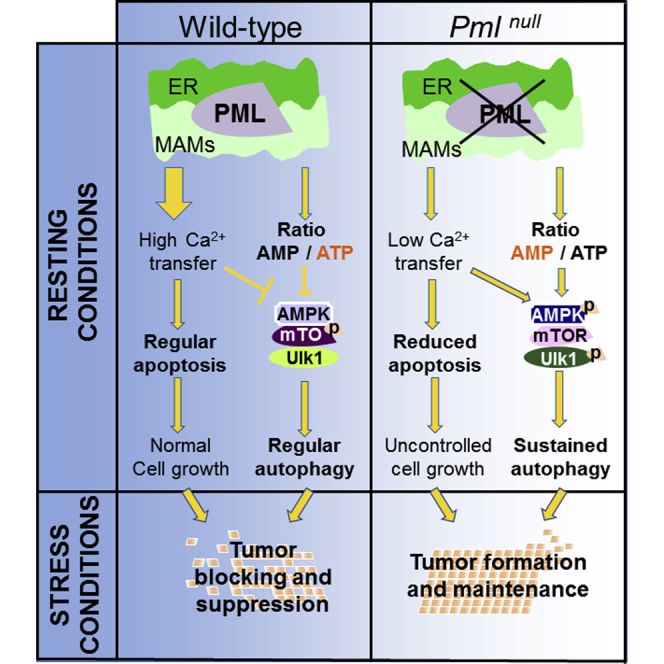
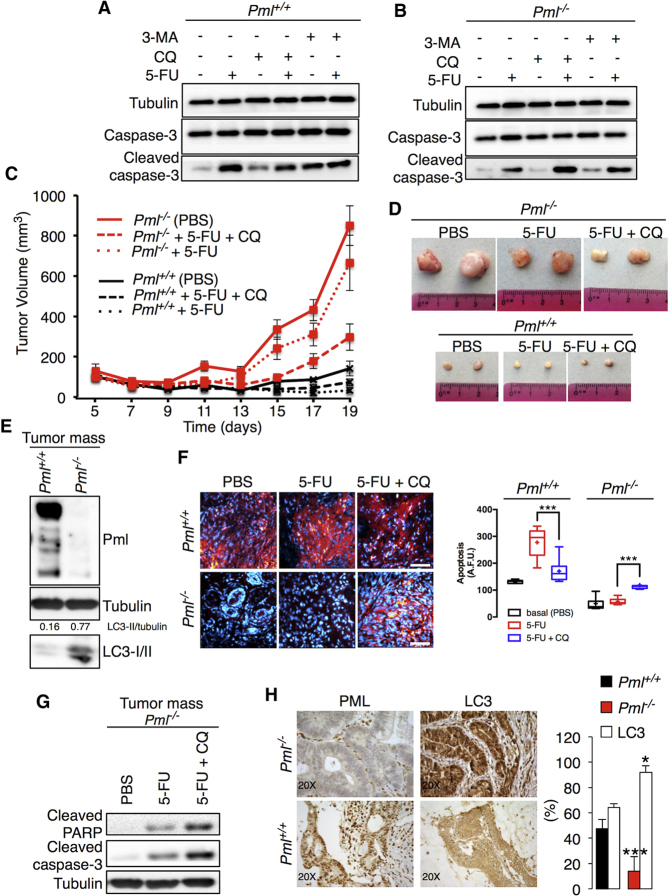
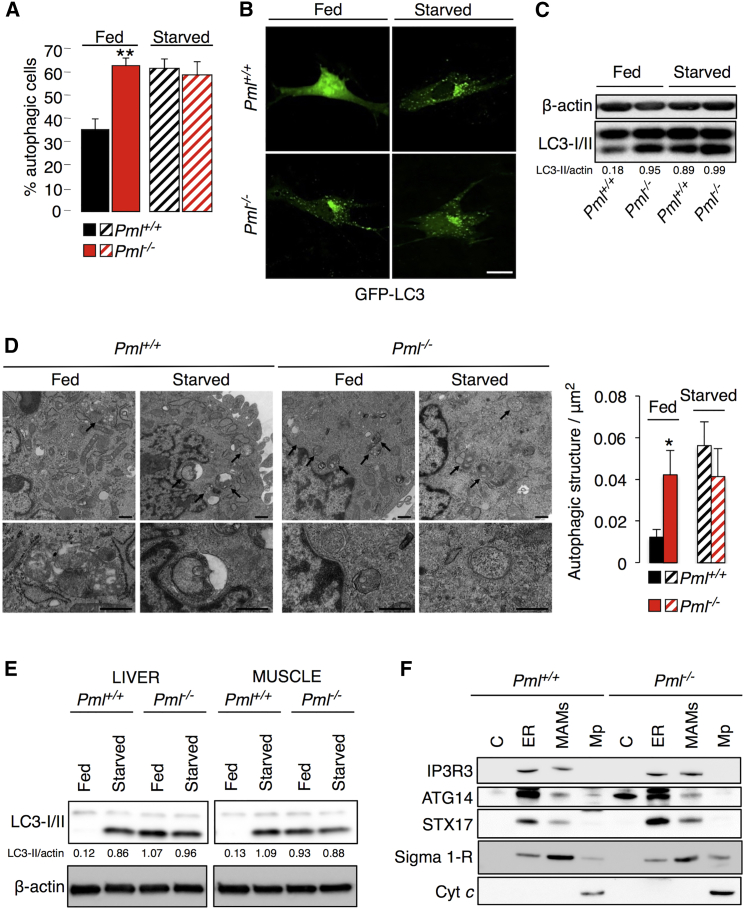
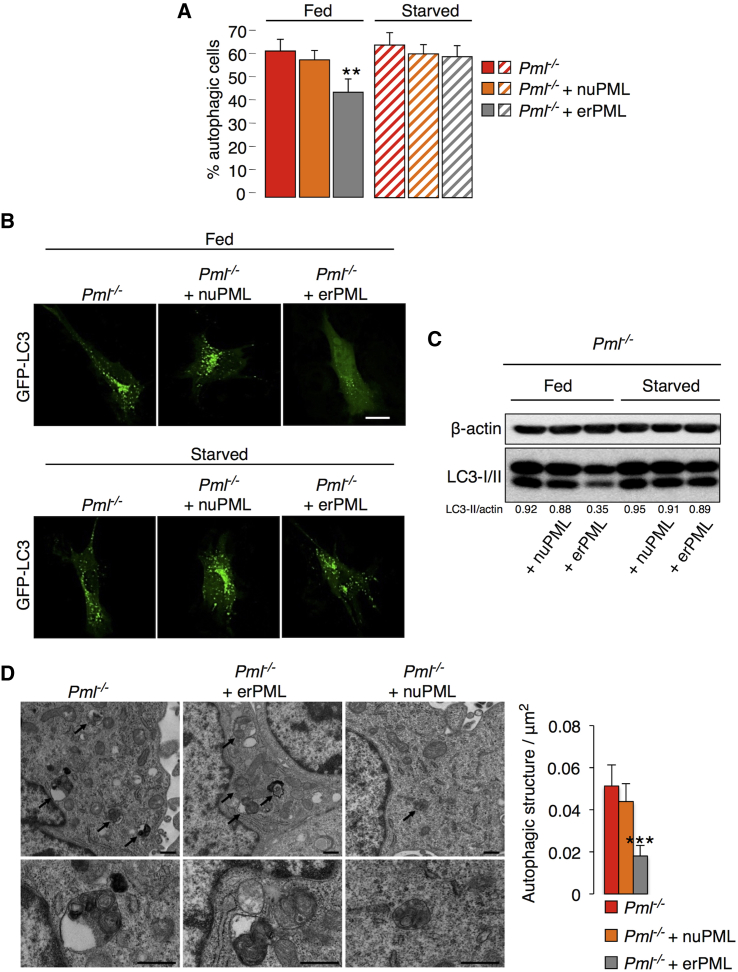
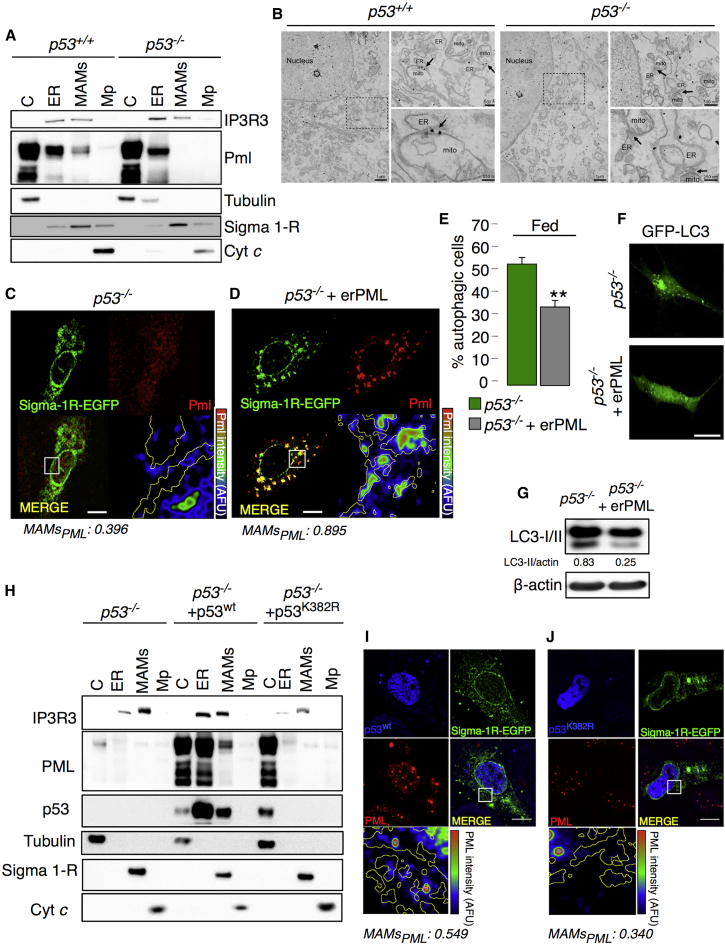
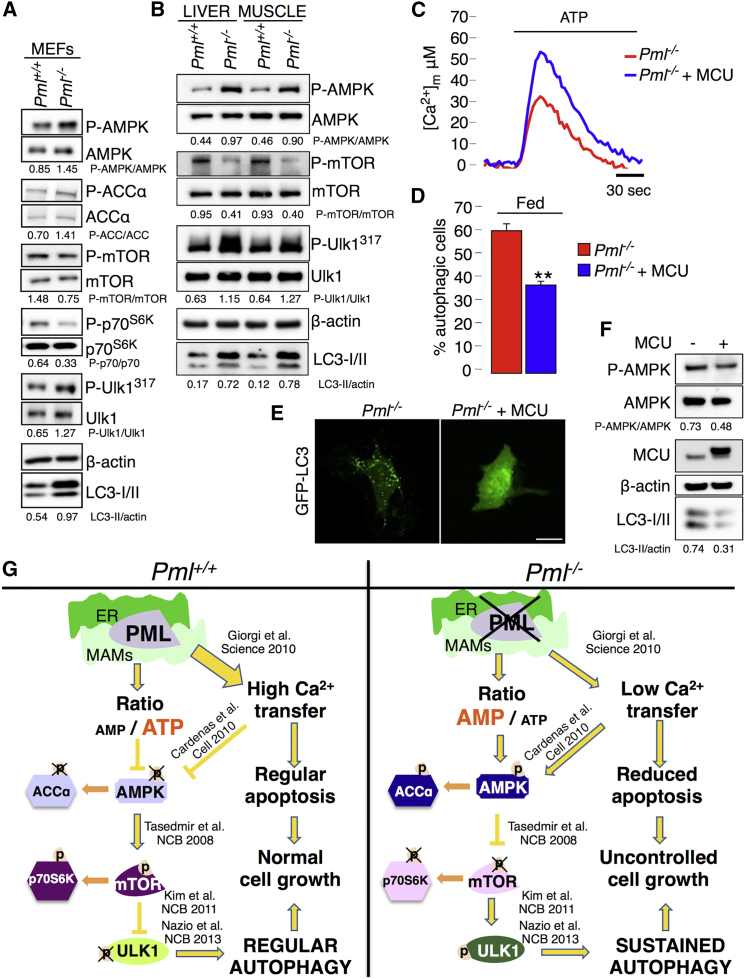
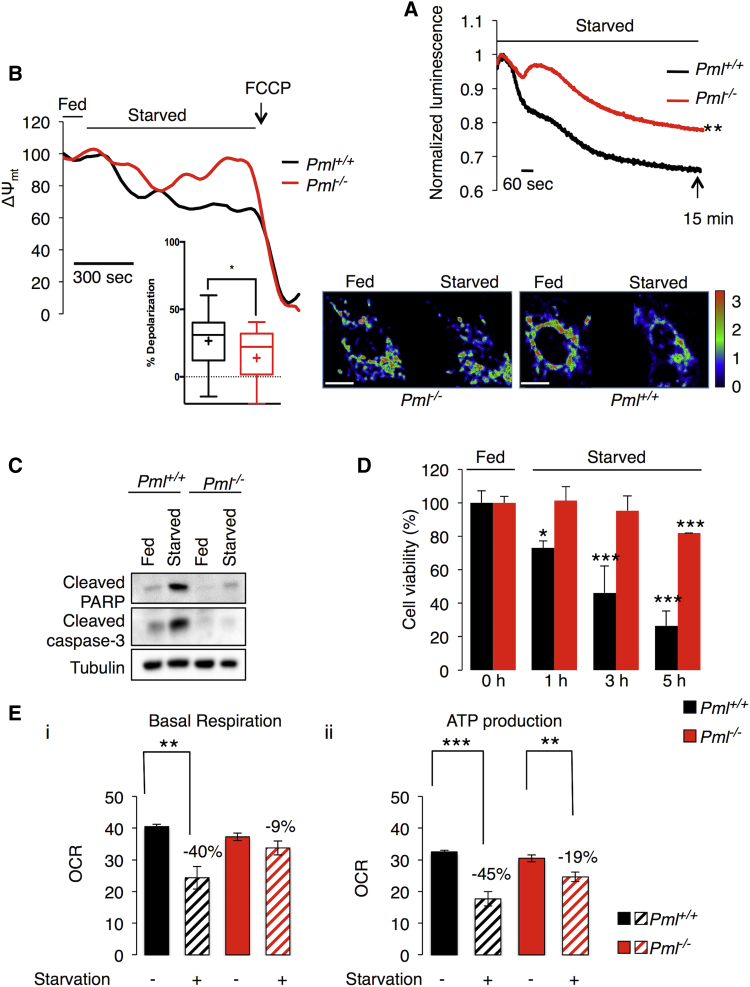
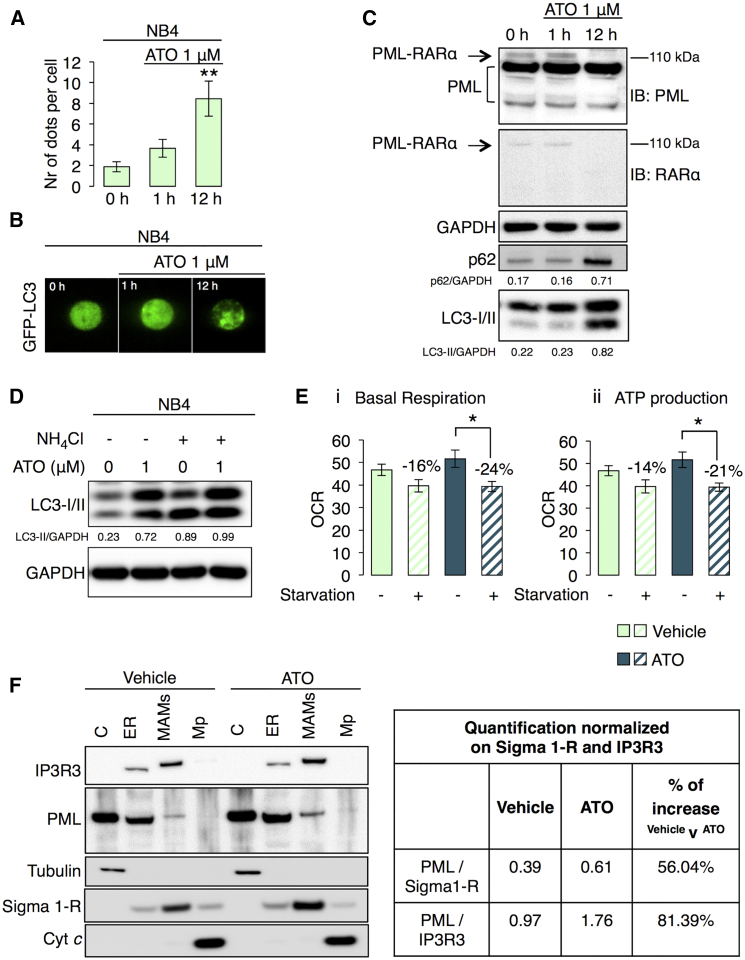
The precise molecular mechanisms that coordinate apoptosis and autophagy in cancer remain to be determined. Here, we provide evidence that the tumor suppressor promyelocytic leukemia protein (PML) controls autophagosome formation at mitochondria-associated membranes (MAMs) and, thus, autophagy induction. Our in vitro and in vivo results demonstrate how PML functions as a repressor of autophagy. PML loss promotes tumor development, providing a growth advantage to tumor cells that use autophagy as a cell survival strategy during stress conditions. These findings demonstrate that autophagy inhibition could be paired with a chemotherapeutic agent to develop anticancer strategies for tumors that present PML downregulation.
在癌症中协调细胞凋亡和自噬的精确分子机制仍有待确定。在此,我们提供证据表明肿瘤抑制因子早幼粒细胞白血病蛋白(PML)控制线粒体相关膜(MAMs)处自噬体的形成,从而诱导自噬。我们的体外和体内研究结果表明了PML如何作为自噬的抑制因子发挥作用。PML缺失促进肿瘤发展,为在应激条件下将自噬作为细胞存活策略的肿瘤细胞提供生长优势。这些发现表明,自噬抑制可与化疗药物联合使用,为出现PML下调的肿瘤制定抗癌策略。