Hossain Mohammad Motarab, Ray Swapan Kumar
Department of Pathology, Microbiology, and Immunology, University of South Carolina School of Medicine, Columbia, SC, USA.
J Cancer Ther. 2014 Oct;5(12):1092-1113. doi: 10.4236/jct.2014.512114. Epub 2014 Oct 28.
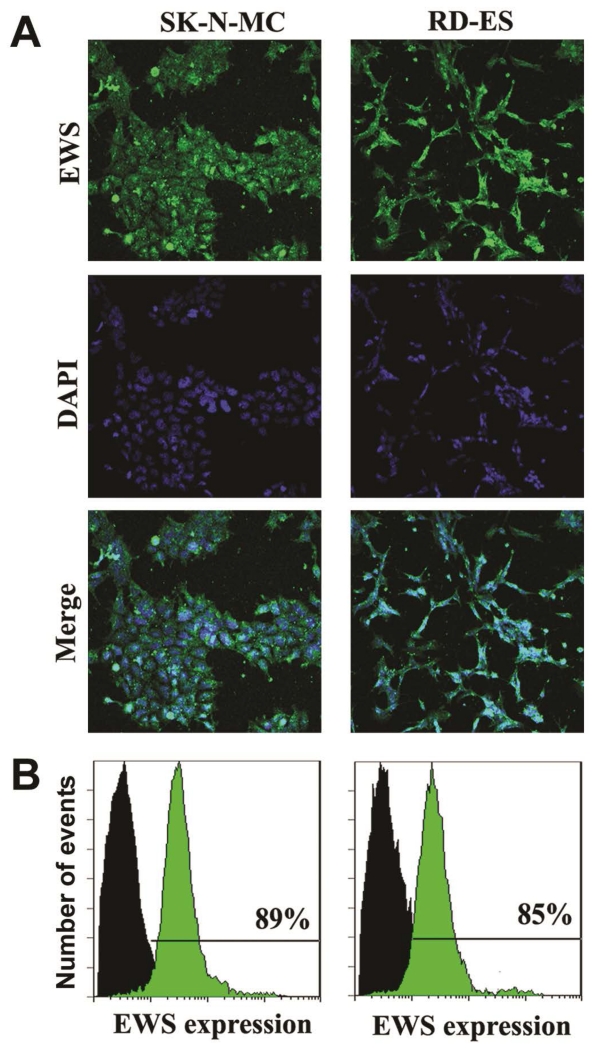
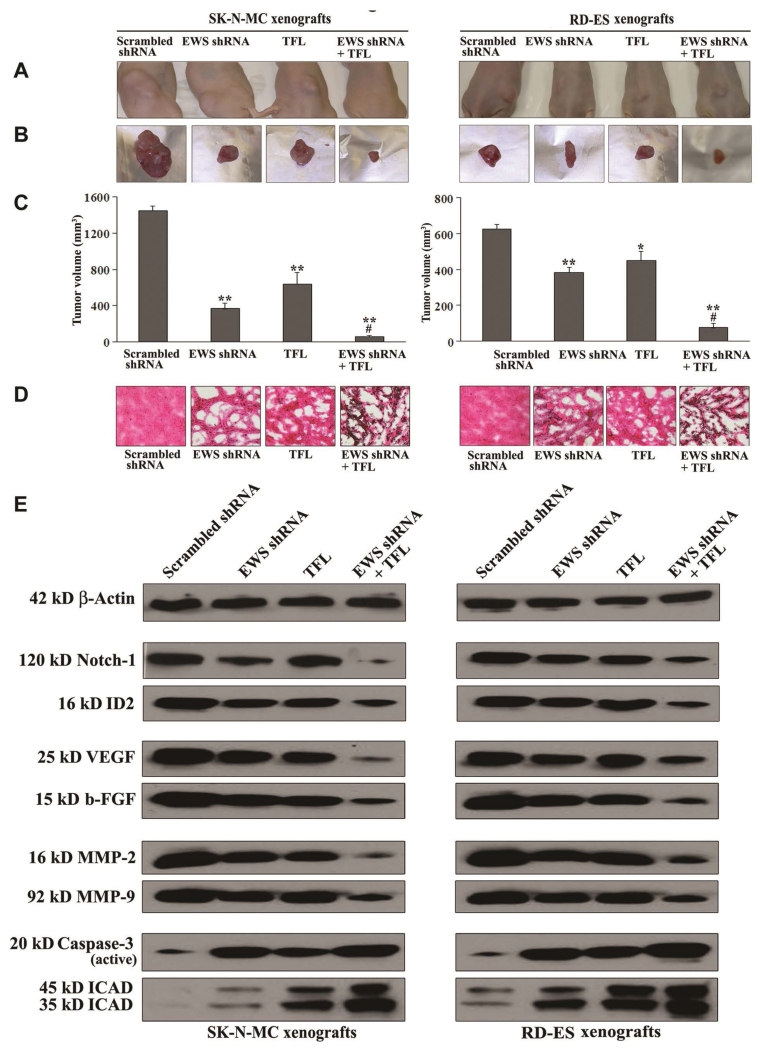
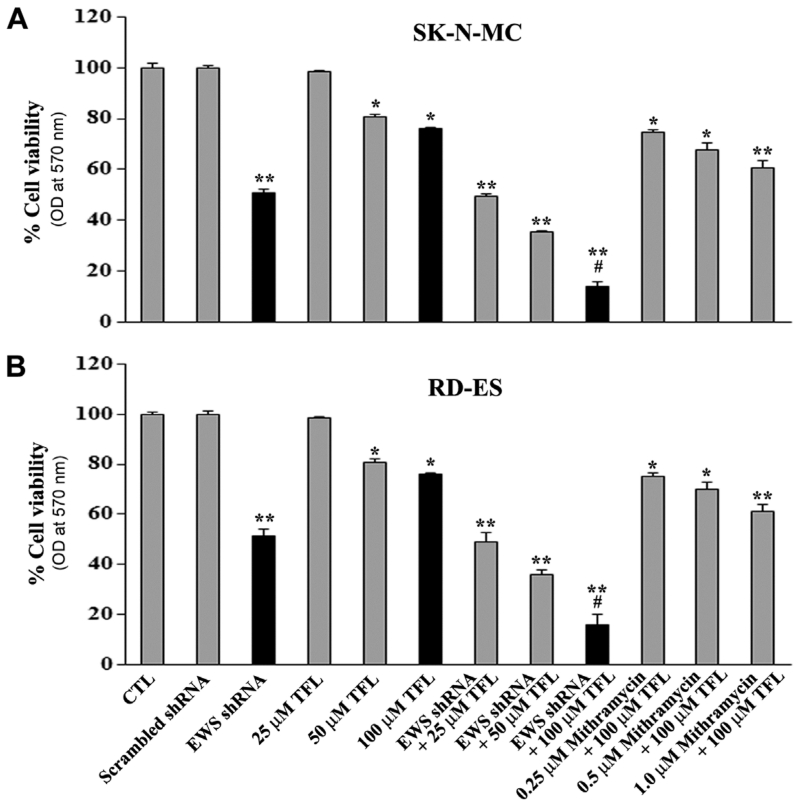
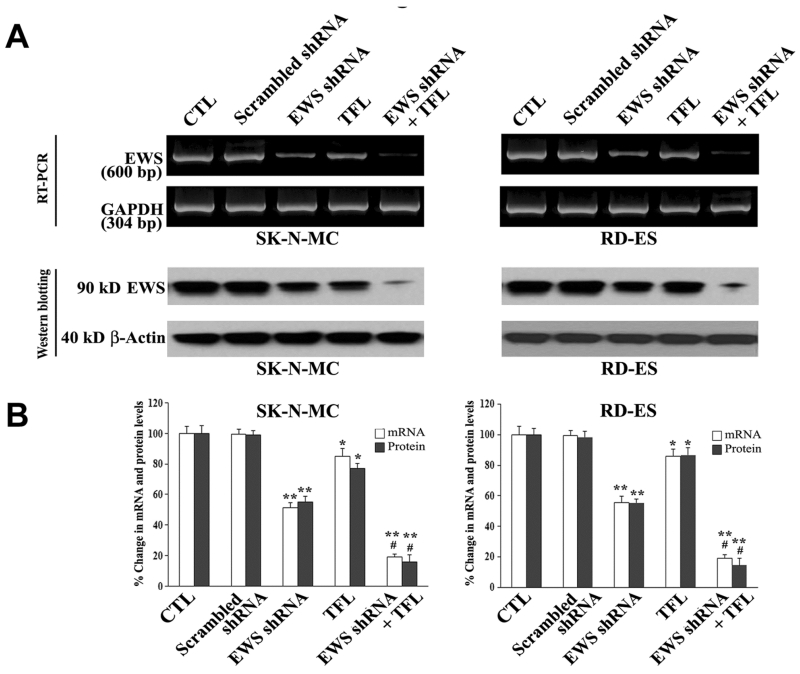
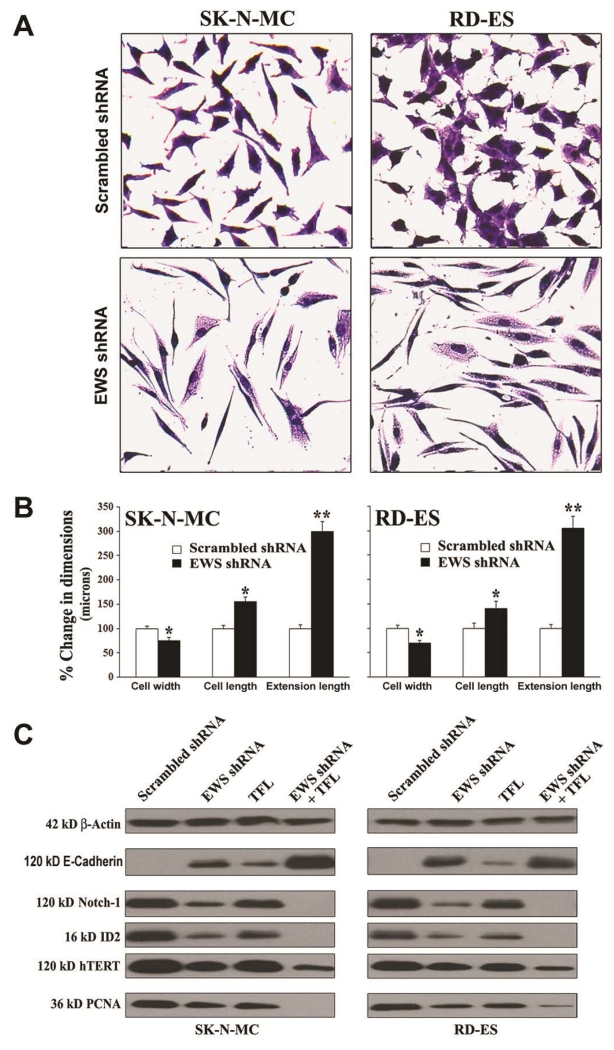
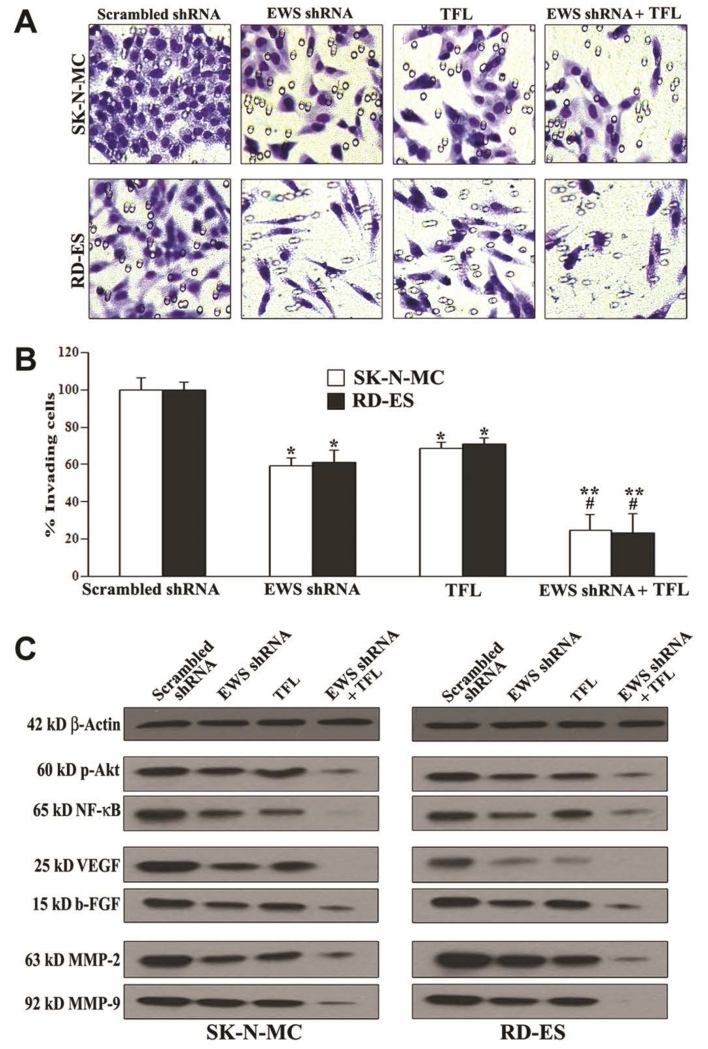
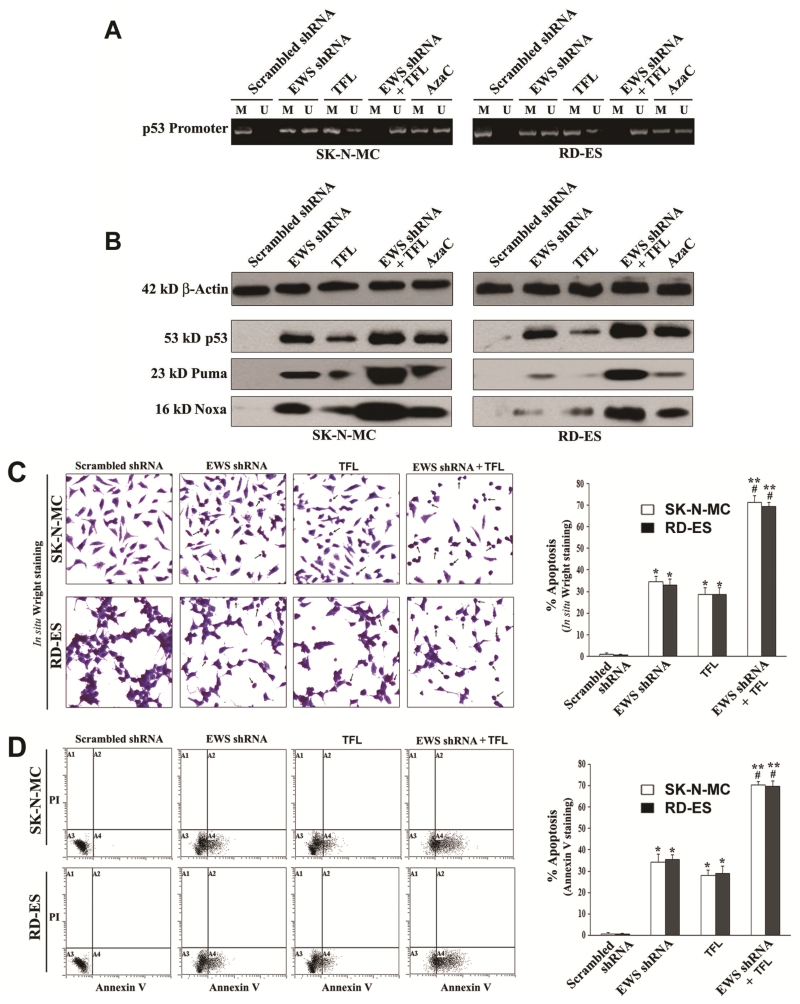
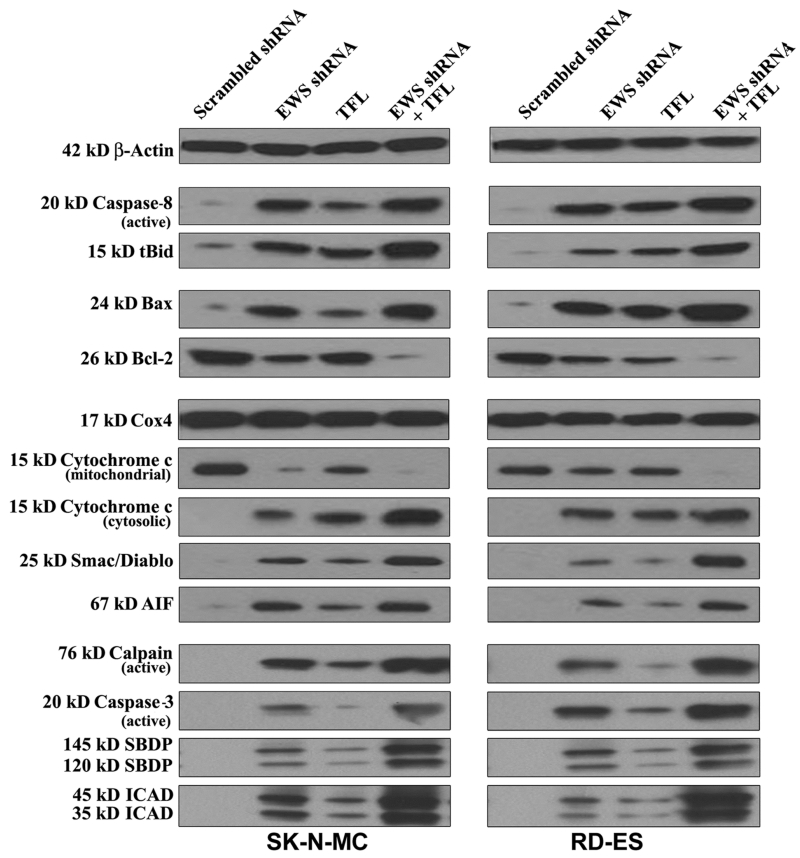
Ewing's sarcoma is a pediatric tumor that mainly occurs in soft tissues and bones. Malignant characteristics of Ewing's sarcoma are correlated with expression of EWS oncogene. We achieved knockdown of EWS expression using a plasmid vector encoding EWS short hairpin RNA (shRNA) to increase anti-tumor mechanisms of taxifolin (TFL), a new flavonoid, in human Ewing's sarcoma cells in culture and animal models. Immunofluorescence microscopy and flow cytometric analysis showed high expression of EWS in human Ewing's sarcoma SK-N-MC and RD-ES cell lines. EWS shRNA plus TFL inhibited 80% cell viability and caused the highest decreases in EWS expression at mRNA and protein levels in both cell lines. Knockdown of EWS expression induced morphological features of differentiation. EWS shRNA plus TFL caused more alterations in molecular markers of differentiation than either agent alone. EWS shRNA plus TFL caused the highest decreases in cell migration with inhibition of survival, angiogenic and invasive factors. Knockdown of EWS expression was associated with removal of DNA methylation from p53 promoter, promoting expression of p53, Puma, and Noxa. EWS shRNA plus TFL induced the highest amounts of apoptosis with activation of extrinsic and intrinsic pathways in both cell lines in culture. EWS shRNA plus TFL also inhibited growth of Ewing's sarcoma tumors in animal models due to inhibition of differentiation inhibitors and angiogenic and invasive factors and also induction of activation of caspase-3 for apoptosis. Collectively, knockdown of EWS expression increased various anti-tumor mechanisms of TFL in human Ewing's sarcoma in cell culture and animal models.
尤因肉瘤是一种主要发生于软组织和骨骼的儿科肿瘤。尤因肉瘤的恶性特征与EWS癌基因的表达相关。我们使用编码EWS短发夹RNA(shRNA)的质粒载体实现了EWS表达的敲低,以增强培养的人尤因肉瘤细胞和动物模型中新型类黄酮紫杉叶素(TFL)的抗肿瘤机制。免疫荧光显微镜检查和流式细胞术分析显示,EWS在人尤因肉瘤SK-N-MC和RD-ES细胞系中高表达。EWS shRNA加TFL抑制了80%的细胞活力,并导致两种细胞系中EWS在mRNA和蛋白质水平的表达下降幅度最大。EWS表达的敲低诱导了分化的形态学特征。EWS shRNA加TFL比单独使用任何一种试剂在分化分子标志物上引起的变化更多。EWS shRNA加TFL导致细胞迁移的下降幅度最大,同时抑制存活、血管生成和侵袭因子。EWS表达的敲低与p53启动子上DNA甲基化的去除相关,促进了p53、Puma和Noxa的表达。EWS shRNA加TFL在培养的两种细胞系中通过激活外源性和内源性途径诱导了最高量的细胞凋亡。EWS shRNA加TFL还由于抑制分化抑制剂、血管生成和侵袭因子以及诱导caspase-3激活以促进凋亡,从而抑制了动物模型中尤因肉瘤肿瘤的生长。总体而言,在细胞培养和动物模型中,EWS表达的敲低增强了TFL在人尤因肉瘤中的各种抗肿瘤机制。