Nishanth Kumar S, Aravind S R, Jacob Jubi, Gopinath Geethu, Lankalapalli Ravi S, Sreelekha T T, Dileep Kumar B S
Agroprocessing and Natural Products Division, National Institute for Interdisciplinary Science and Technology - Council of Scientific and Industrial Research Thiruvananthapuram, India.
Laboratory of Biopharmaceuticals and Nanomedicine, Division of Cancer Research, Regional Cancer Centre Thiruvananthapuram, India.
Front Microbiol. 2016 Aug 26;7:1307. doi: 10.3389/fmicb.2016.01307. eCollection 2016.
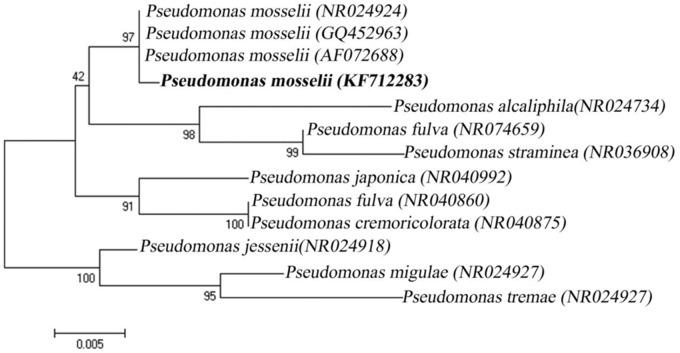
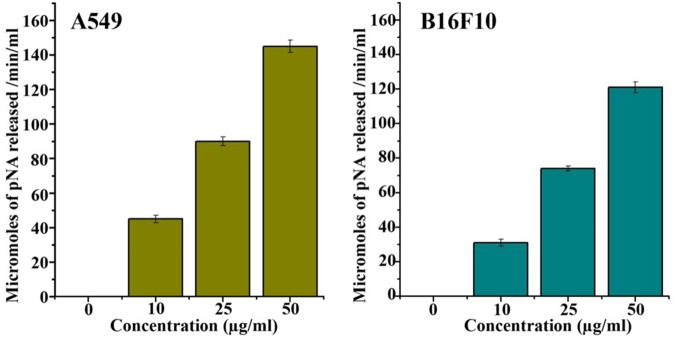
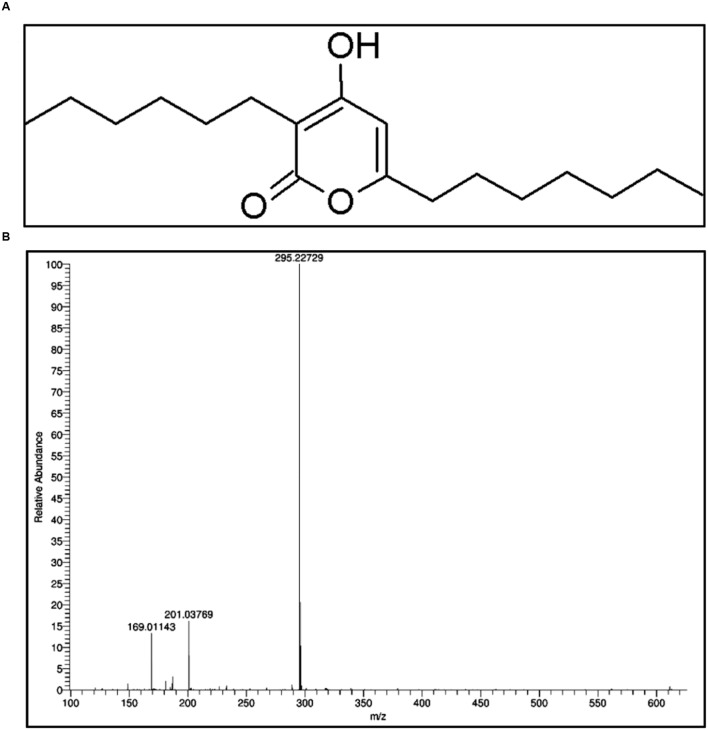
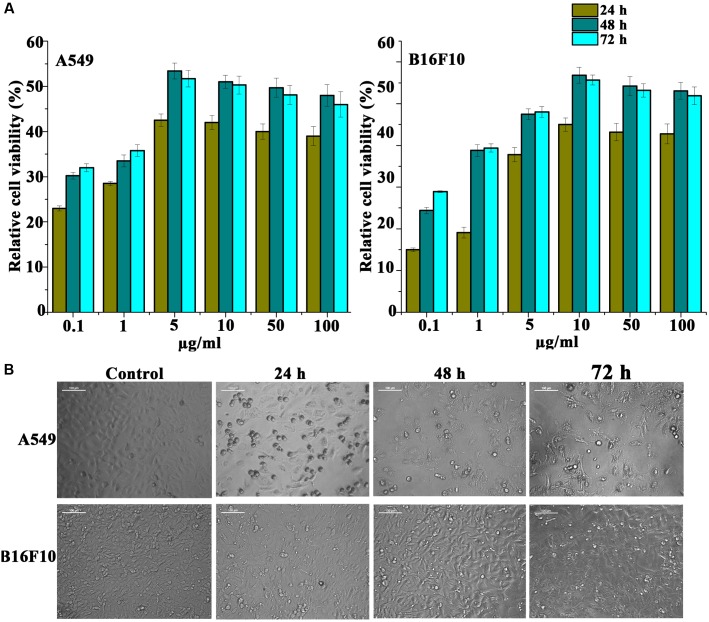
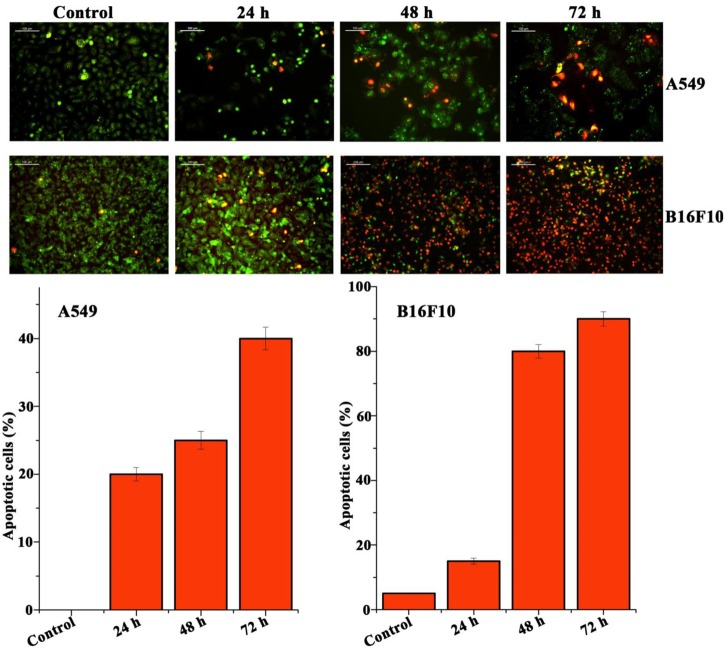
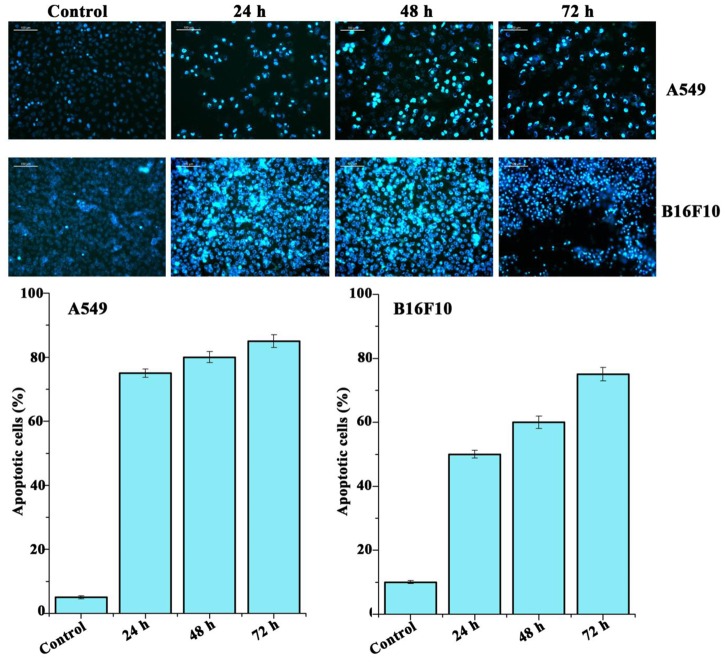
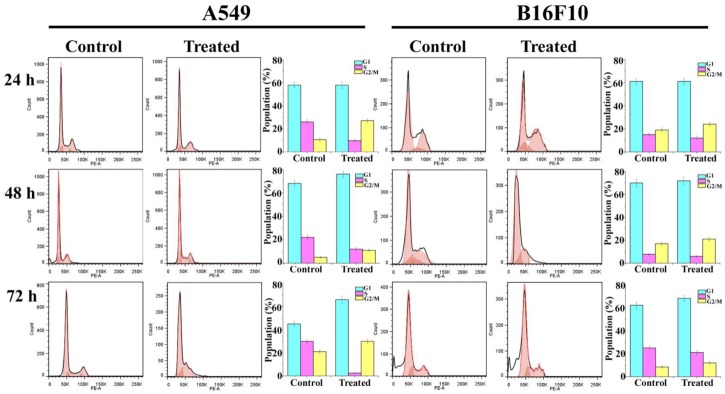
In continuation of our search for new bioactive compounds from soil microbes, a fluorescent Pseudomonas strain isolated from paddy field soil of Kuttanad, Kerala, India was screened for the production of bioactive secondary metabolites. This strain was identified as Pseudomonas mosselii through 16S rDNA gene sequencing followed by BLAST analysis and the bioactive metabolites produced were purified by column chromatography (silica gel) and a pure bioactive secondary metabolite was isolated. This bioactive compound was identified as Pseudopyronine B by NMR and HR-ESI-MS. Pseudopyronine B recorded significant antimicrobial activity especially against Gram-positive bacteria and agriculturally important fungi. MTT assay was used for finding cell proliferation inhibition, and Pseudopyronine B recorded significant antitumor activity against non-small cell lung cancer cell (A549), and mouse melanoma cell (B16F10). The preliminary MTT assay results revealed that Pseudopyronine B recorded both dose- and time-dependent inhibition of the growth of test cancer cell lines. Pseudopyronine B induced apoptotic cell death in cancer cells as evidenced by Acridine orange/ethidium bromide and Hoechst staining, and this was further confirmed by flow cytometry analysis using Annexin V. Cell cycle analysis also supports apoptosis by inducing G2/M accumulation in both A549 and B16F10 cells. Pseudopyronine B treated cells recorded significant up-regulation of caspase 3 activity. Moreover, this compound recorded immunomodulatory activity by enhancing the proliferation of lymphocytes. The production of Pseudopyronine B by P. mosselii and its anticancer activity in A549 and B16F10 cell lines is reported here for the first time. The present study has a substantial influence on the information of Pseudopyronine B from P. mosselii as potential sources of novel drug molecule for the pharmaceutical companies, especially as potent antimicrobial and anticancer agent.
为了继续从土壤微生物中寻找新的生物活性化合物,我们对从印度喀拉拉邦库塔纳德稻田土壤中分离出的荧光假单胞菌菌株进行了筛选,以确定其是否能产生生物活性次生代谢产物。通过16S rDNA基因测序,随后进行BLAST分析,该菌株被鉴定为莫氏假单胞菌,所产生的生物活性代谢产物通过柱色谱法(硅胶)进行纯化,并分离出一种纯的生物活性次生代谢产物。通过核磁共振和高分辨电喷雾电离质谱,该生物活性化合物被鉴定为假吡咯菌素B。假吡咯菌素B表现出显著的抗菌活性,尤其是对革兰氏阳性菌和农业上重要的真菌。采用MTT法检测细胞增殖抑制情况,假吡咯菌素B对非小细胞肺癌细胞(A549)和小鼠黑色素瘤细胞(B16F10)具有显著的抗肿瘤活性。初步的MTT分析结果显示,假吡咯菌素B对测试癌细胞系的生长具有剂量和时间依赖性抑制作用。吖啶橙/溴化乙锭和Hoechst染色证明假吡咯菌素B诱导癌细胞凋亡,使用膜联蛋白V的流式细胞术分析进一步证实了这一点。细胞周期分析也通过诱导A549和B16F10细胞中G2/M期积累来支持细胞凋亡。经假吡咯菌素B处理的细胞中半胱天冬酶3活性显著上调。此外,该化合物通过增强淋巴细胞增殖表现出免疫调节活性。本文首次报道了莫氏假单胞菌产生假吡咯菌素B及其在A549和B16F10细胞系中的抗癌活性。本研究对来自莫氏假单胞菌的假吡咯菌素B作为制药公司新型药物分子潜在来源的信息有重大影响,尤其是作为强效抗菌和抗癌剂。