Prione Lilian P, Olchanheski Luiz R, Tullio Leandro D, Santo Bruno C E, Reche Péricles M, Martins Paula F, Carvalho Giselle, Demiate Ivo M, Pileggi Sônia A V, Dourado Manuella N, Prestes Rosilene A, Sadowsky Michael J, Azevedo Ricardo A, Pileggi Marcos
Departamento de Biologia Estrutural, Molecular e Genética, Universidade Estadual de Ponta Grossa, Campus Universitário de Uvaranas, Av. Carlos Cavalcanti, 4748, Ponta Grossa, Paraná, 84030-900, Brazil.
Departamento de Microbiologia, Instituto de Ciências Biomédicas, Universidade de São Paulo, São Paulo, São Paulo, 05508-000, Brazil.
AMB Express. 2016 Dec;6(1):70. doi: 10.1186/s13568-016-0240-x. Epub 2016 Sep 13.
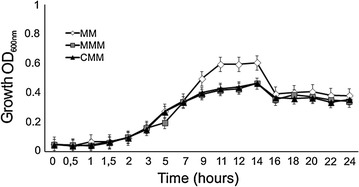
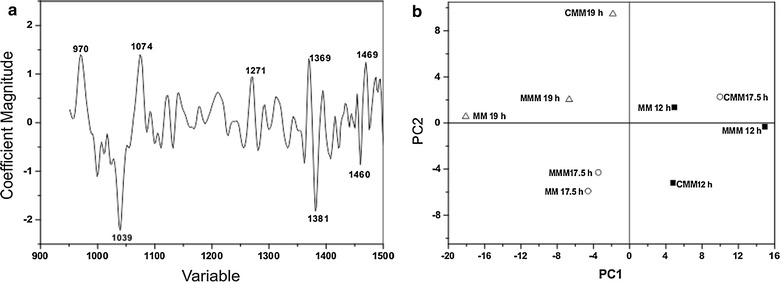
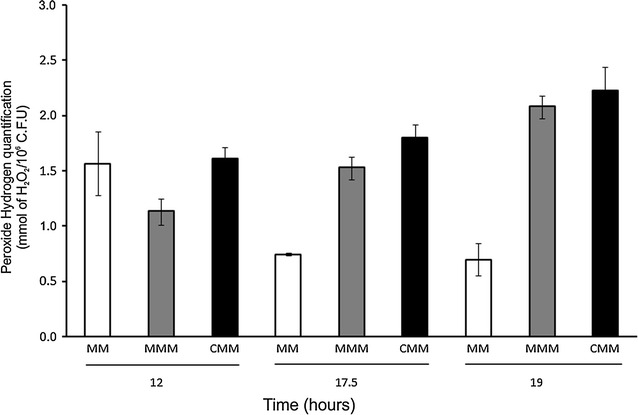
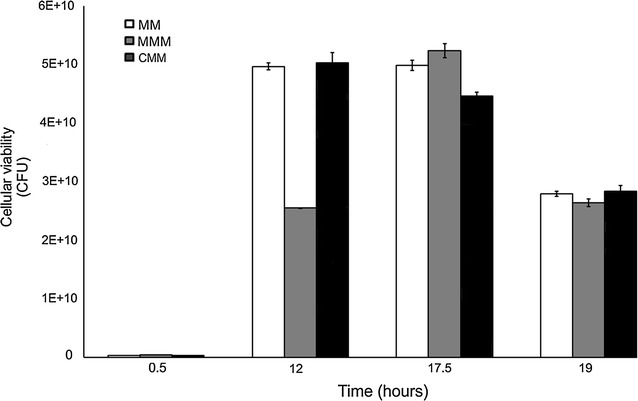
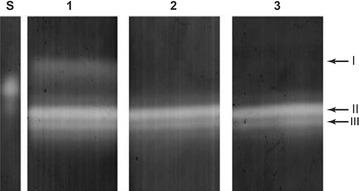
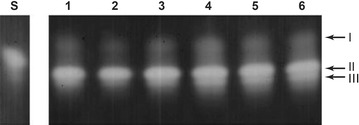
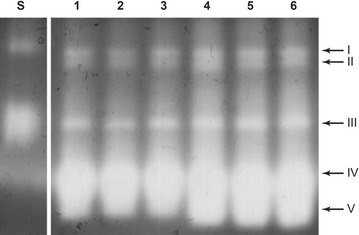
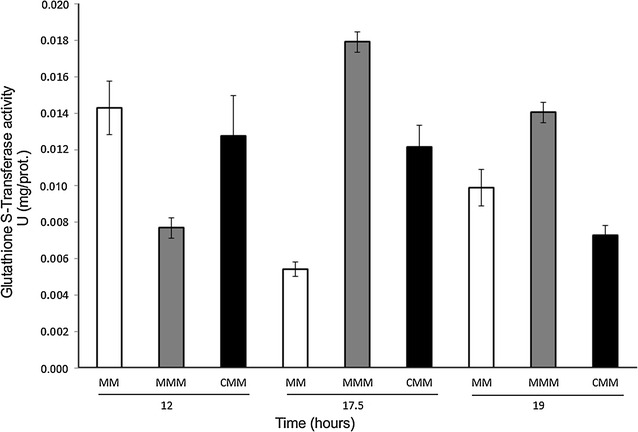
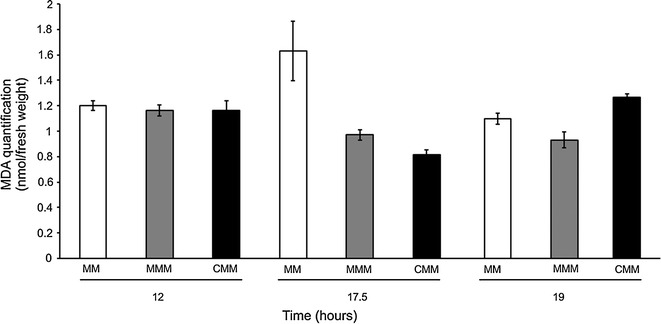
Callisto(®), containing the active ingredient mesotrione (2-[4-methylsulfonyl-2-nitrobenzoyl]1,3-cyclohenanedione), is a selective herbicide that controls weeds in corn crops and is a potential environmental contaminant. The objective of this work was to evaluate enzymatic and structural changes in Pantoea ananatis, a strain isolated from water, in response to exposure to this herbicide. Despite degradation of mesotrione, probably due a glutathione-S-transferase (GST) pathway in Pantoea ananatis, this herbicide induced oxidative stress by increasing hydrogen peroxide production. Thiol fragments, eventually produced after mesotrione degradation, could be involved in increased GST activity. Nevertheless, there was no peroxidation damage related to this production, as malondialdehyde (MDA) synthesis, which is due to lipid peroxidation, was highest in the controls, followed by the mesotrione- and Callisto(®)-treated cultures at log growth phase. Therefore, P. ananatis can tolerate and grow in the presence of the herbicide, probably due an efficient control of oxidative stress by a polymorphic catalase system. MDA rates depend on lipid saturation due to a pattern change to a higher level of saturation. These changes are likely related to the formation of GST-mesotrione conjugates and mesotrione degradation-specific metabolites and to the presence of cytotoxic adjuvants. These features may shift lipid membrane saturation, possibly providing a protective effect to bacteria through an increase in membrane impermeability. This response system in P. ananatis provides a novel model for bacterial herbicide tolerance and adaptation in the environment.
“卡利斯托”(Callisto®)含有活性成分硝磺草酮(2-[4-甲基磺酰基-2-硝基苯甲酰基]-1,3-环己二酮),是一种用于防治玉米作物杂草的选择性除草剂,也是一种潜在的环境污染物。本研究旨在评估从水中分离出的一种菠萝泛菌(Pantoea ananatis)菌株在接触该除草剂后的酶促变化和结构变化。尽管硝磺草酮可能因菠萝泛菌中的谷胱甘肽-S-转移酶(GST)途径而降解,但该除草剂通过增加过氧化氢的产生诱导了氧化应激。硝磺草酮降解后最终产生的硫醇片段可能与GST活性增加有关。然而,由于脂质过氧化导致的丙二醛(MDA)合成在对照组中最高,其次是对数生长期经硝磺草酮和“卡利斯托”(Callisto®)处理的培养物,因此这种产生并未导致过氧化损伤。因此,菠萝泛菌能够在除草剂存在的情况下耐受并生长,这可能归因于其多态性过氧化氢酶系统对氧化应激的有效控制。MDA含量取决于脂质饱和度,这是由于饱和度模式转变为更高水平所致。这些变化可能与GST-硝磺草酮共轭物和硝磺草酮降解特异性代谢产物的形成以及细胞毒性佐剂的存在有关。这些特征可能会改变脂质膜饱和度,可能通过增加膜不透性为细菌提供保护作用。菠萝泛菌中的这种反应系统为细菌对除草剂的耐受性及在环境中的适应性提供了一个新模型。