Systems Biology and Cancer Metabolism, Program for Quantitative Systems Biology, University of California Merced, 2500 North Lake Road, Merced, CA 95343, USA.
Marlene and Stewart Greenebaum Cancer Center, Department of Biochemistry and Molecular Biology, University of Maryland School of Medicine, 655 West Baltimore Street, Baltimore MD 21201, USA.
Sci Rep. 2016 Sep 14;6:32611. doi: 10.1038/srep32611.
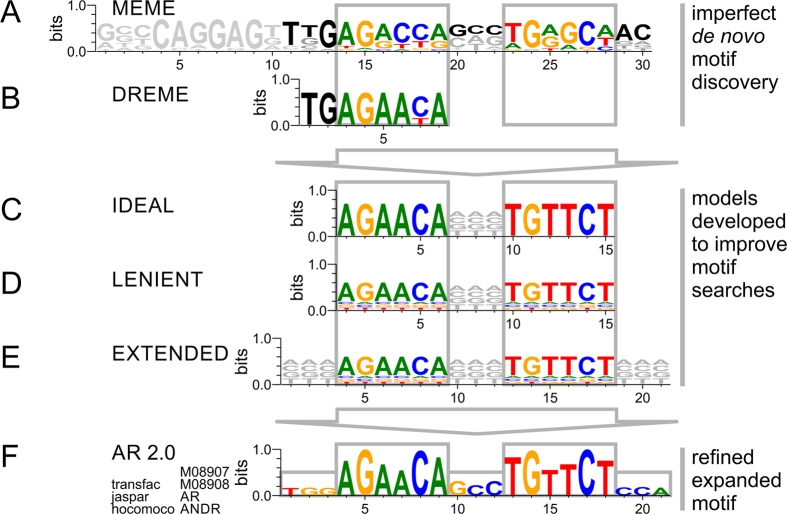
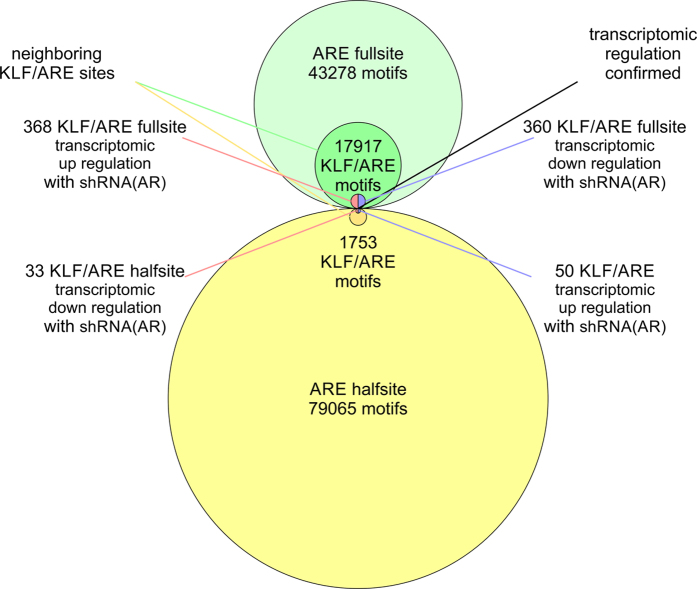
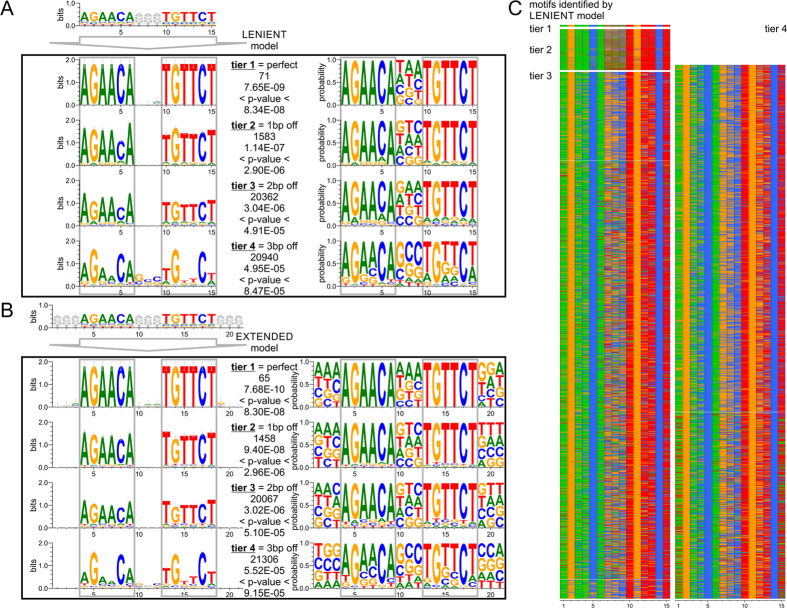
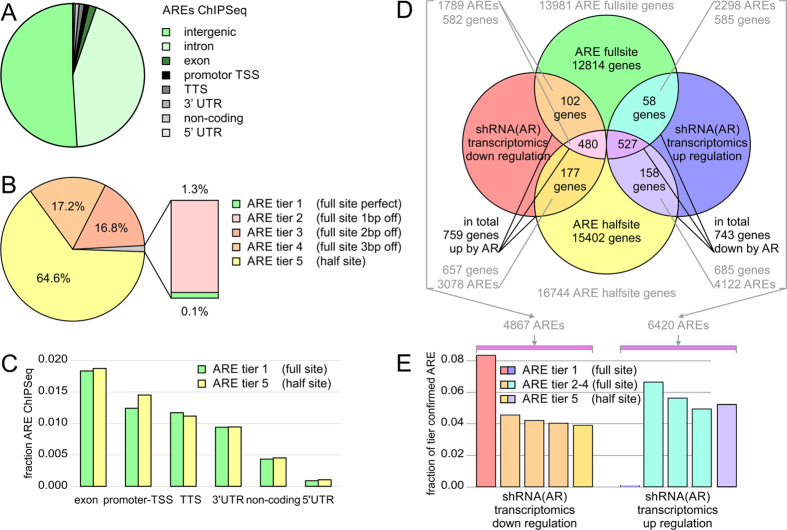
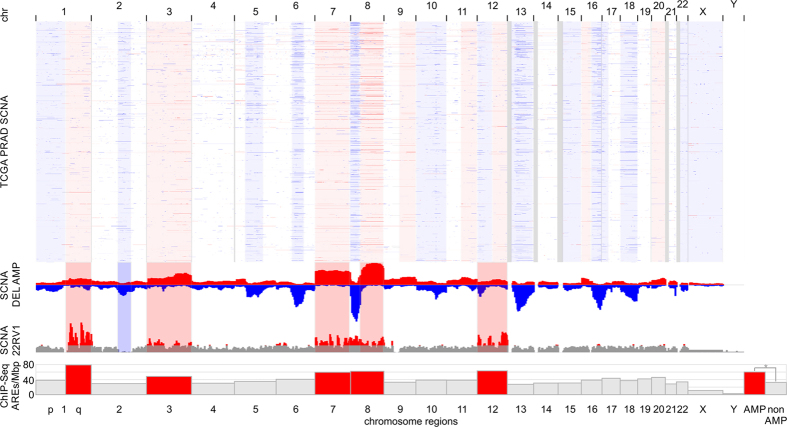
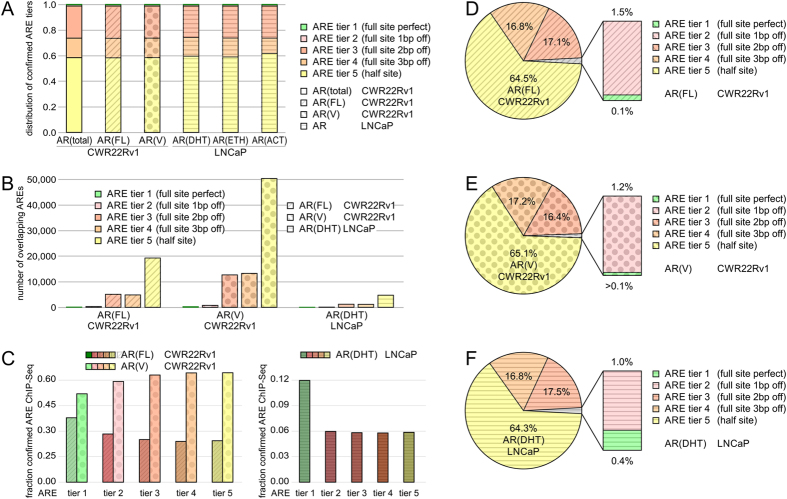
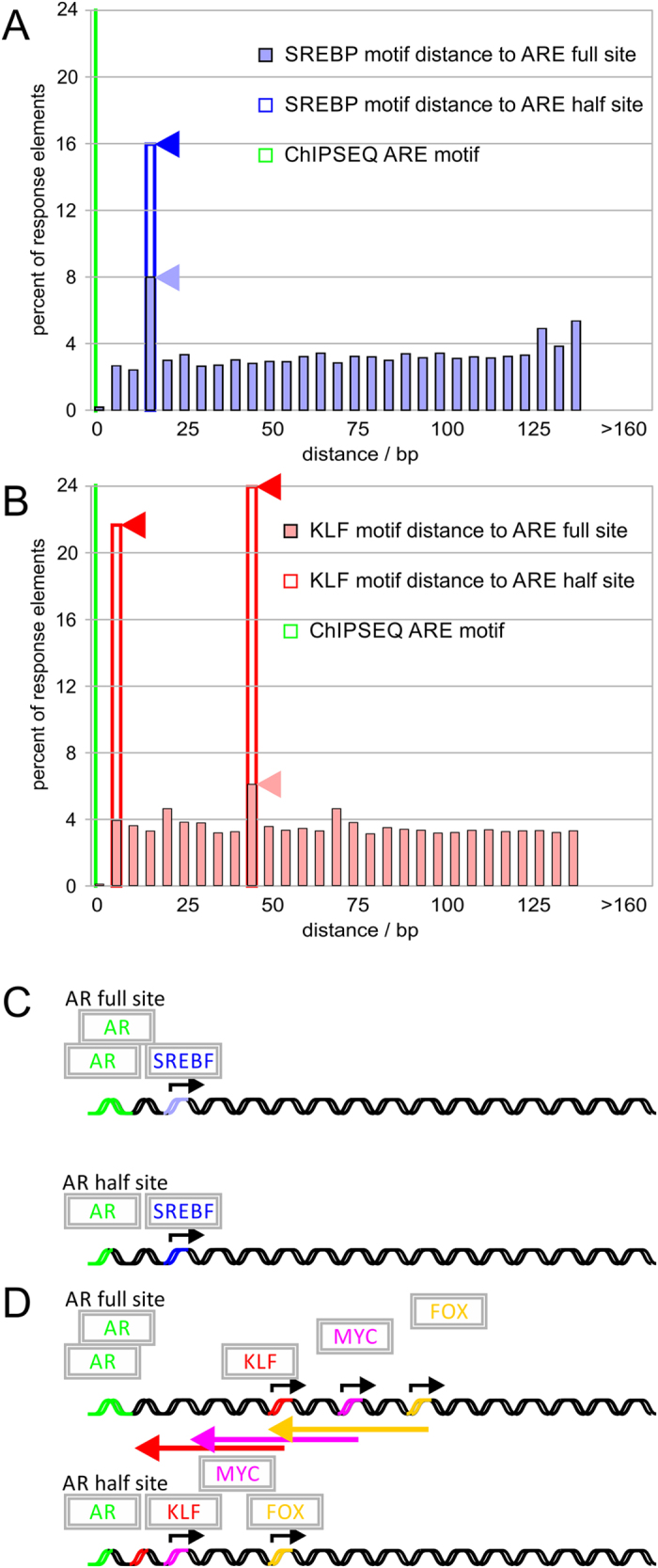
Sequence motifs are short, recurring patterns in DNA that can mediate sequence-specific binding for proteins such as transcription factors or DNA modifying enzymes. The androgen response element (ARE) is a palindromic, dihexameric motif present in promoters or enhancers of genes targeted by the androgen receptor (AR). Using chromatin immunoprecipitation sequencing (ChIP-Seq) we refined AR-binding and AREs at a genome-scale in androgen-insensitive and androgen-responsive prostate cancer cell lines. Model-based searches identified more than 120,000 ChIP-Seq motifs allowing for expansion and refinement of the ARE. We classified AREs according to their degeneracy and their transcriptional involvement. Additionally, we quantified ARE utilization in response to somatic copy number amplifications, AR splice-variants, and steroid treatment. Although imperfect AREs make up 99.9% of the motifs, the degree of degeneracy correlates negatively with validated transcriptional outcome. Weaker AREs, particularly ARE half sites, benefit from neighboring motifs or cooperating transcription factors in regulating gene expression. Taken together, ARE full sites generate a reliable transcriptional outcome in AR positive cells, despite their low genome-wide abundance. In contrast, the transcriptional influence of ARE half sites can be modulated by cooperating factors.
序列基序是 DNA 中的短重复模式,可介导蛋白质(如转录因子或 DNA 修饰酶)的序列特异性结合。雄激素反应元件(ARE)是一种存在于雄激素受体(AR)靶向基因的启动子或增强子中的回文、二六聚体基序。我们使用染色质免疫沉淀测序(ChIP-Seq)在雄激素不敏感和雄激素反应性前列腺癌细胞系中对 AR 结合和 ARE 进行了基因组规模的精细分析。基于模型的搜索鉴定了超过 120,000 个 ChIP-Seq 基序,从而扩展和完善了 ARE。我们根据其简并性和转录参与度对 ARE 进行了分类。此外,我们还定量分析了针对体细胞拷贝数扩增、AR 剪接变体和类固醇治疗的 ARE 利用情况。尽管不完美的 ARE 构成了 99.9%的基序,但简并度与验证的转录结果呈负相关。较弱的 ARE,特别是 ARE 半位点,在调节基因表达方面受益于相邻的基序或协同转录因子。总的来说,尽管 ARE 全位点在全基因组中的丰度较低,但它们在 AR 阳性细胞中产生可靠的转录结果。相比之下,ARE 半位点的转录影响可以通过协同因子进行调节。