Wu Joseph M, Oraee Ardalan, Doonan Barbara B, Pinto John T, Hsieh Tze-Chen
Room 147, Department of Biochemistry and Molecular Biology, Basic Sciences Building, New York Medical College, 15 Dana Road, Valhalla, NY 10595 USA.
Exp Hematol Oncol. 2016 Sep 13;5(1):27. doi: 10.1186/s40164-016-0056-z. eCollection 2015.
The
NAD(P)H: quinone oxidoreductase (NQO1) confers protection against semiquinones and also elicits oxidative stress. The C609T polymorphism of the NQO1 gene, designated NQO12, significantly reduces its enzymatic activity due to rapid degradation of protein. Since down regulation of NQO1 mRNA expression correlates with increased susceptibility for developing different types of cancers, we investigated the link between leukemia and the NQO12 genotype by mining a web-based microarray dataset, ONCOMINE. Phytochemicals prevent DNA damage through activation of phase II detoxification enzymes including NQO1. Whether NQO1 expression/activity in leukemia cells that carry the labile NQO1*2 genotype can be induced by broccoli-derived phytochemical sulforaphane (SFN) is currently unknown.
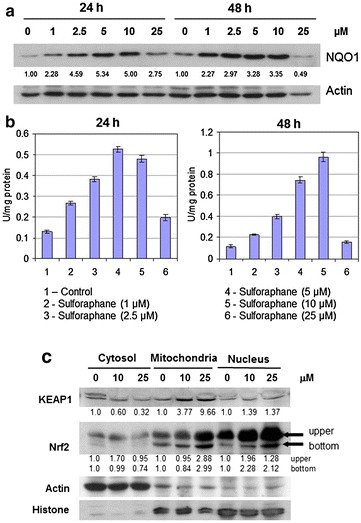
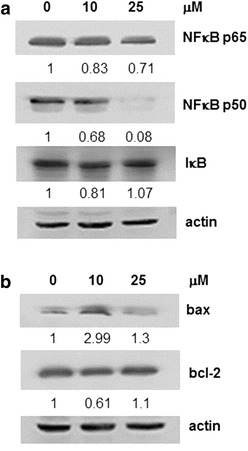
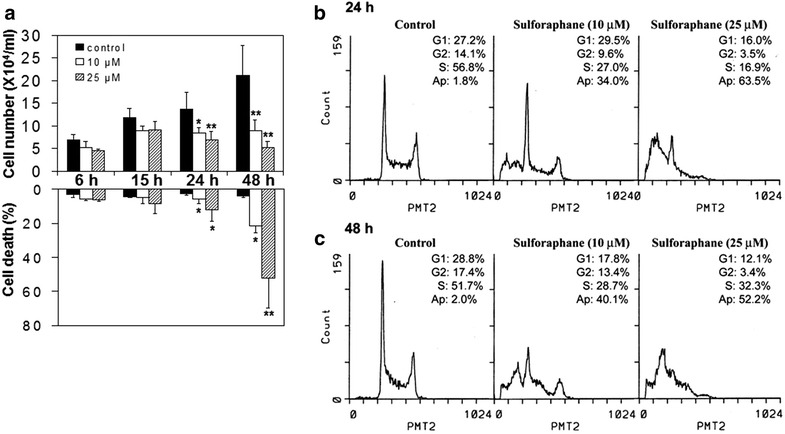
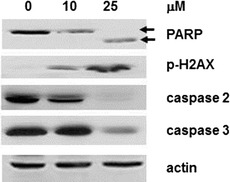
The ONCOMINE query showed that: (1) acute lymphoblastic leukemia and chronic myelogenous leukemia are associated with reduced NQO1 levels, and (2) under-expressed NQO1 was found in human HL-60 leukemia cell line containing the heterozygous NQO1*2 polymorphism. We examined induction of NQO1 activity/expression by SFN in HL-60 cells. A dose-dependent increase in NQO1 level/activity is accompanied by upregulation of the transcription factor, Nrf2, following 1-10 μM SFN treatment. Treatment with 25 µM SFN drastically reduced NQO1 levels, inhibited cell proliferation, caused sub-G1 cell arrest, and induced apoptosis, and a decrease in the levels of the transcription factor, nuclear factor-κB (NFκB).
Up to 10 μM of SFN increases NQO1 expression and suppresses HL-60 cell proliferation whereas ≥ 25 μM of SFN induces apoptosis in HL-60 cells. Further, SFN treatment restores NQO1 activity/levels in HL-60 cells expressing the NQO1*2 genotype.
烟酰胺腺嘌呤二核苷酸磷酸(NAD(P)H):醌氧化还原酶(NQO1)可抵御半醌并引发氧化应激。NQO1基因的C609T多态性(命名为NQO12)会因蛋白质快速降解而显著降低其酶活性。由于NQO1 mRNA表达下调与患不同类型癌症的易感性增加相关,我们通过挖掘基于网络的微阵列数据集ONCOMINE,研究白血病与NQO12基因型之间的联系。植物化学物质通过激活包括NQO1在内的II期解毒酶来预防DNA损伤。目前尚不清楚携带不稳定NQO1*2基因型的白血病细胞中NQO1的表达/活性是否能被西兰花衍生的植物化学物质萝卜硫素(SFN)诱导。
ONCOMINE查询显示:(1)急性淋巴细胞白血病和慢性粒细胞白血病与NQO1水平降低有关,(2)在含有杂合NQO1*2多态性的人HL-60白血病细胞系中发现NQO1表达不足。我们检测了SFN对HL-60细胞中NQO1活性/表达的诱导作用。在1 - 10 μM SFN处理后,NQO1水平/活性呈剂量依赖性增加,同时转录因子Nrf2上调。用25 μM SFN处理可显著降低NQO1水平,抑制细胞增殖,导致亚G1期细胞停滞,并诱导凋亡,同时转录因子核因子κB(NFκB)水平降低。
高达10 μM的SFN可增加NQO1表达并抑制HL-60细胞增殖,而≥25 μM的SFN可诱导HL-60细胞凋亡。此外,SFN处理可恢复表达NQO1*2基因型的HL-60细胞中的NQO1活性/水平。