Undurraga Jaime A, Haywood Nick R, Marquardt Torsten, McAlpine David
Department Linguistics, The Australian Hearing Hub, Macquarie University, 16 University Avenue, Sydney, NSW, 2109, Australia.
UCL Ear Institute, University College London, 332 Gray's Inn Rd., London, WC1X8EE, UK.
J Assoc Res Otolaryngol. 2016 Dec;17(6):591-607. doi: 10.1007/s10162-016-0584-6. Epub 2016 Sep 14.
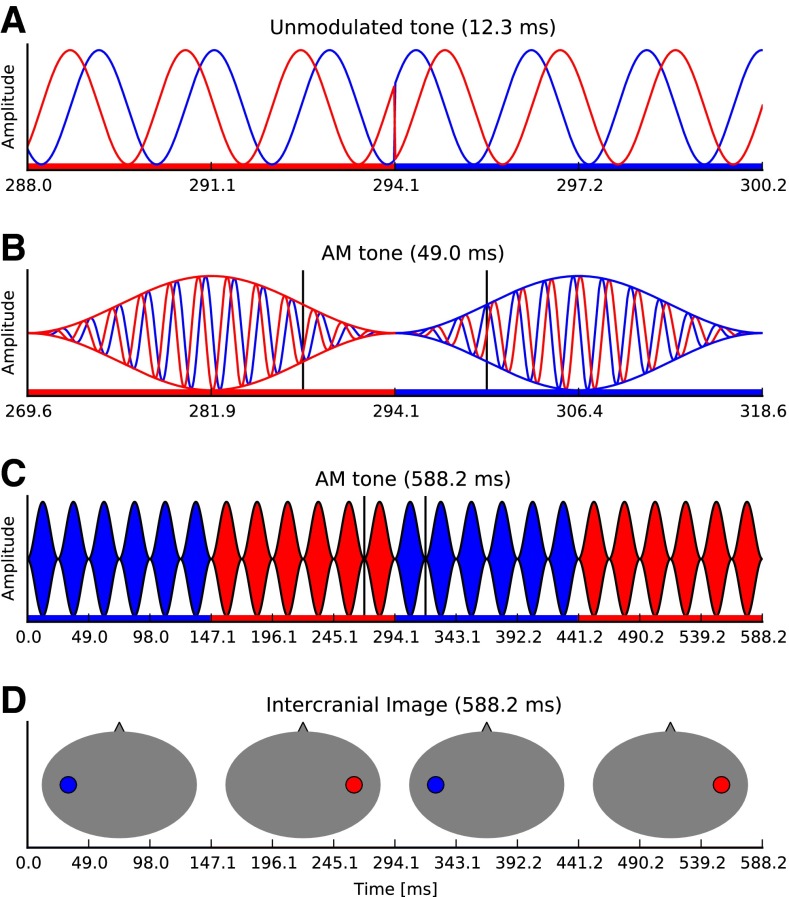
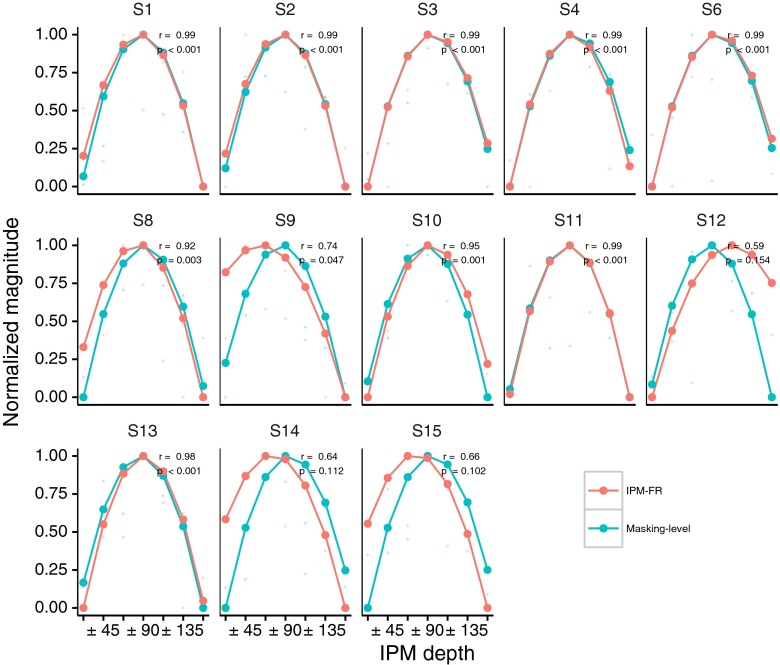
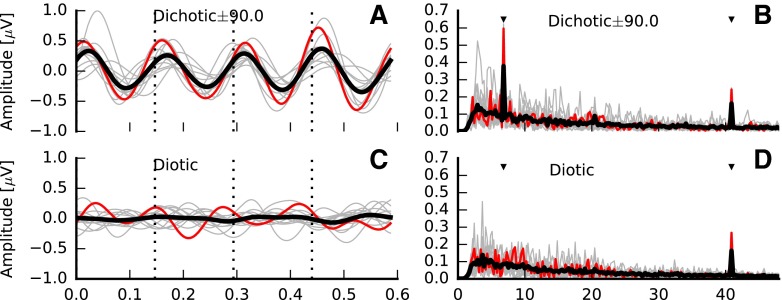
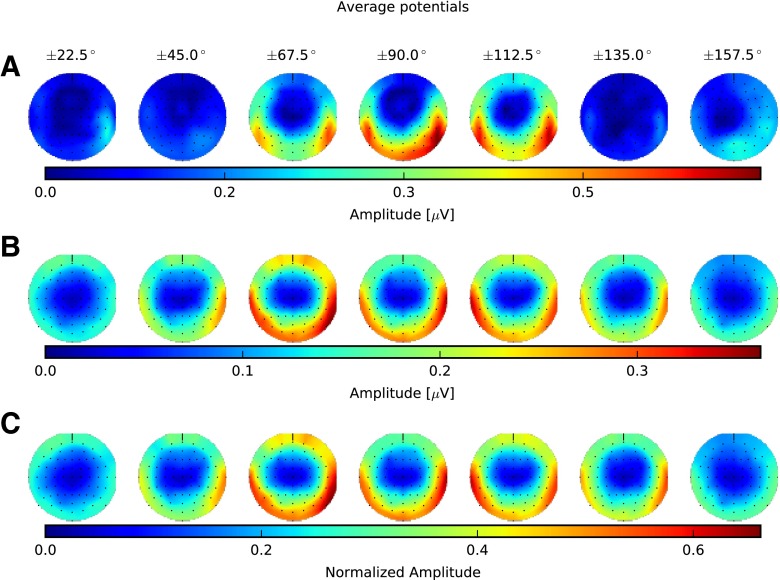
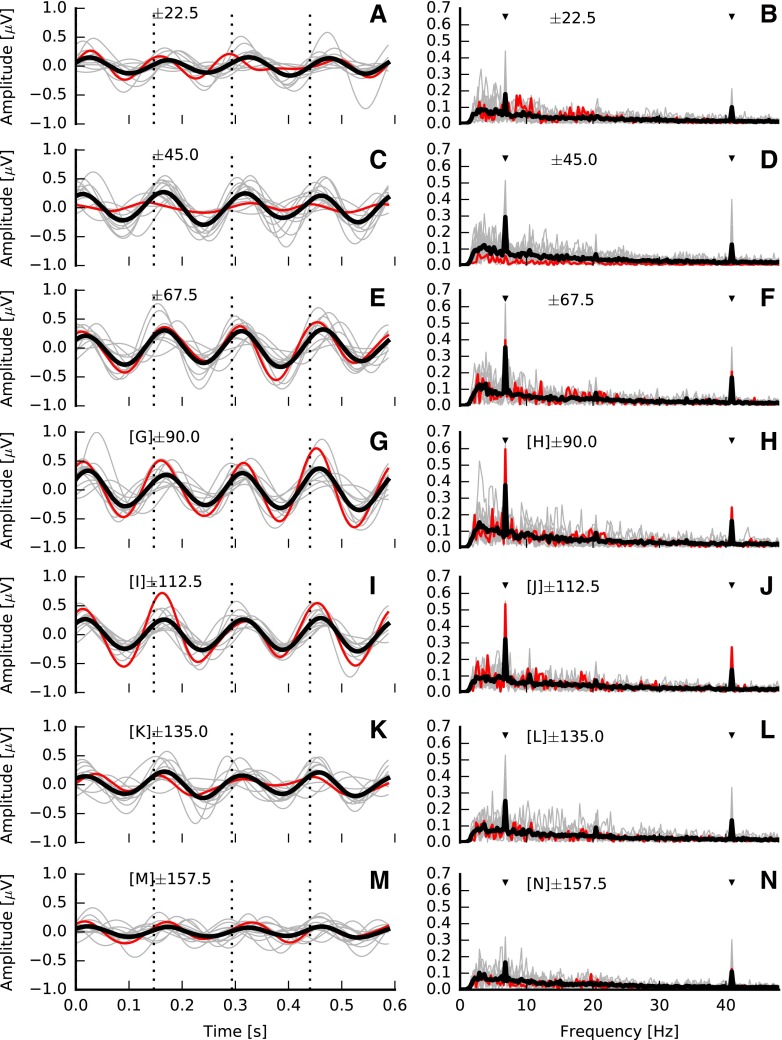
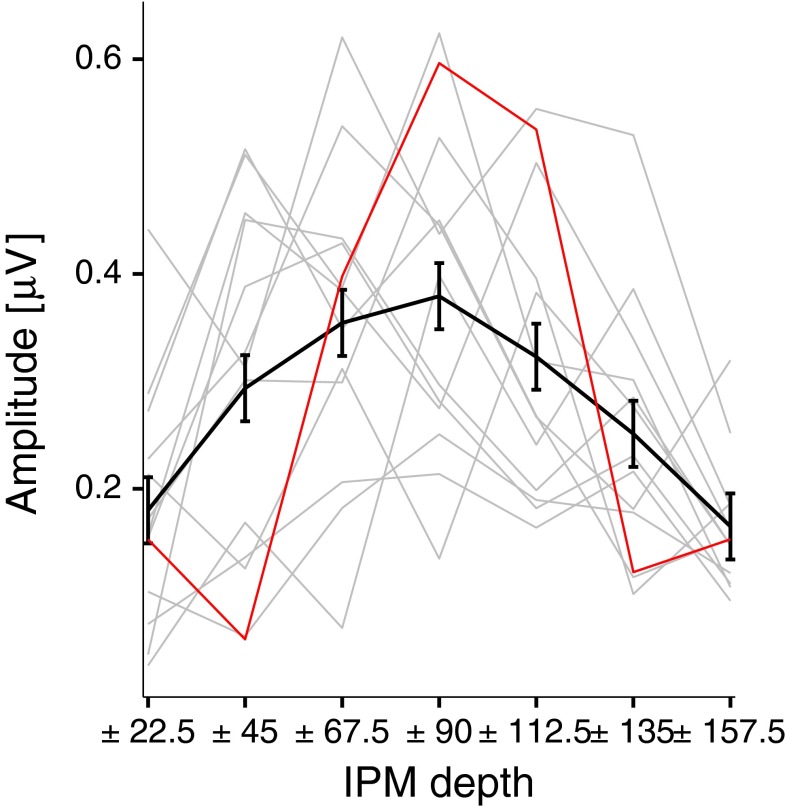
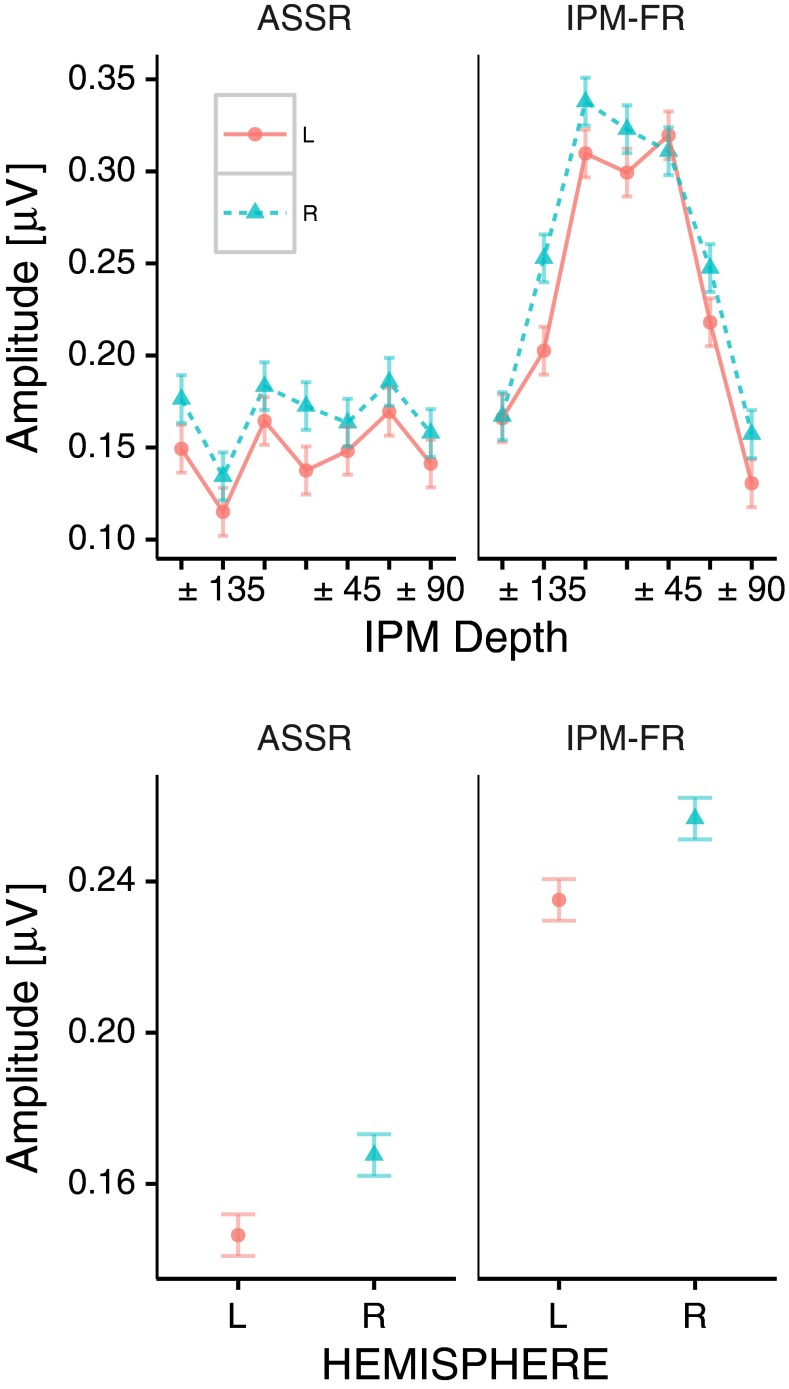
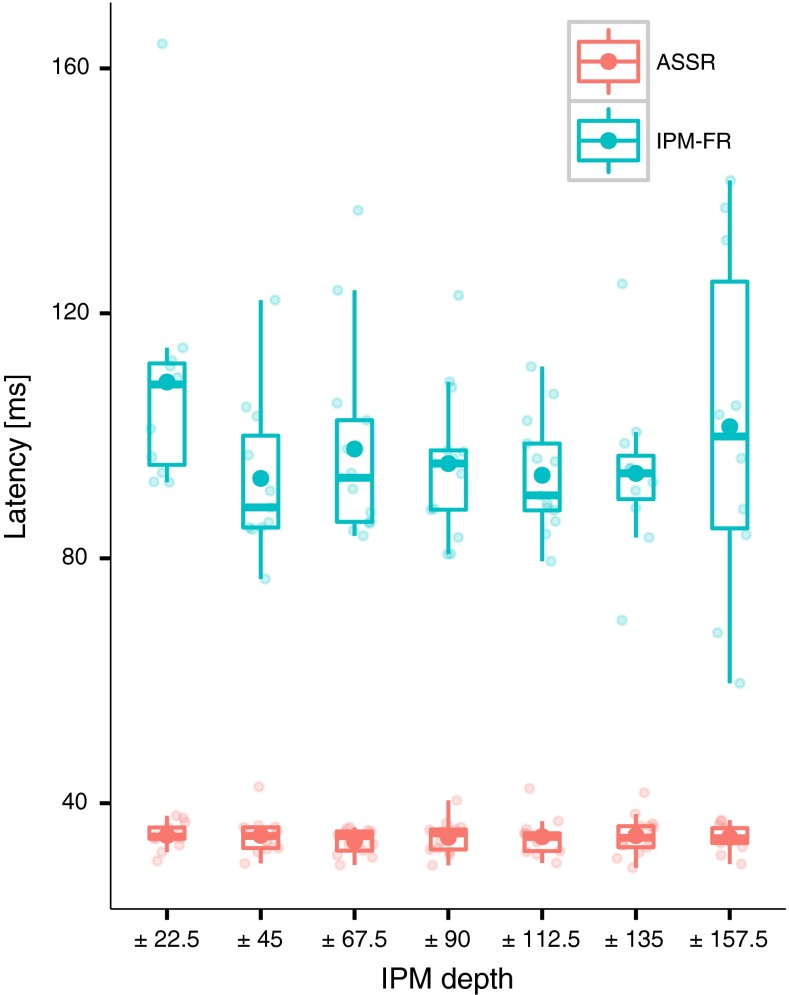
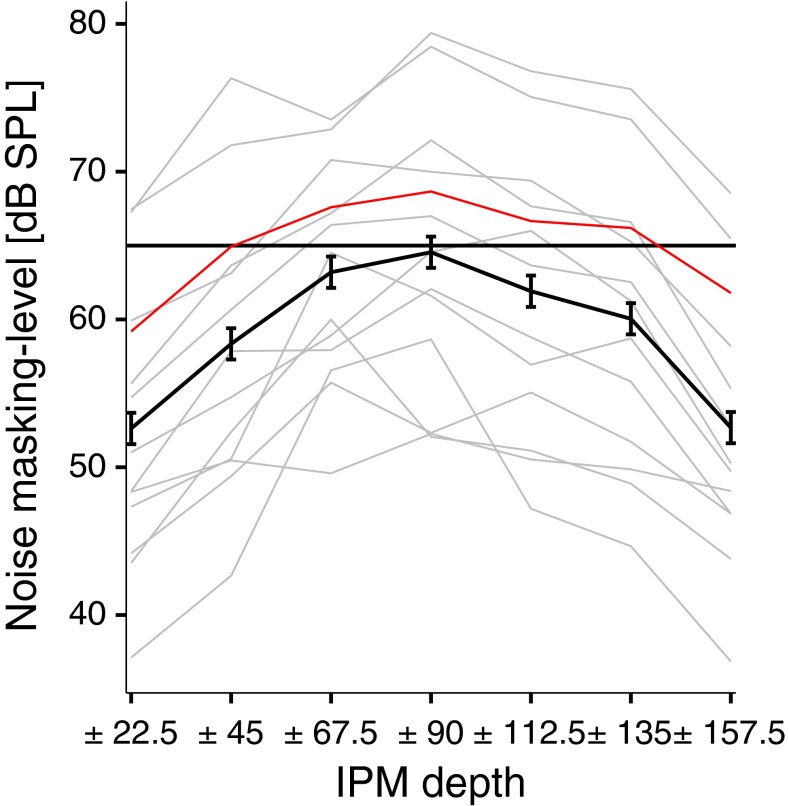
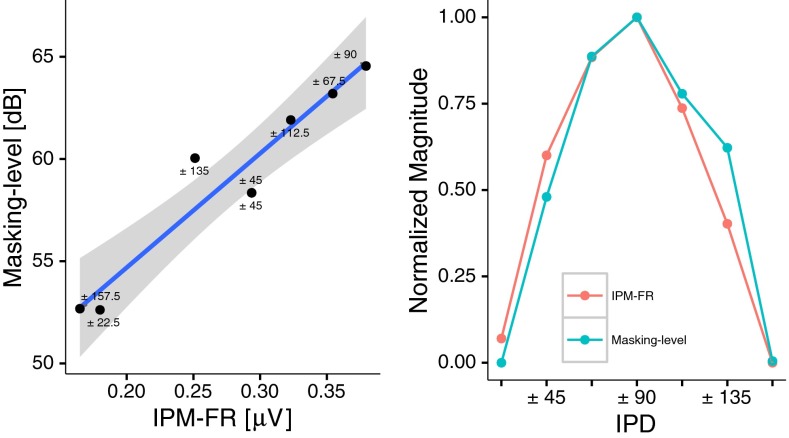
Humans, and many other species, exploit small differences in the timing of sounds at the two ears (interaural time difference, ITD) to locate their source and to enhance their detection in background noise. Despite their importance in everyday listening tasks, however, the neural representation of ITDs in human listeners remains poorly understood, and few studies have assessed ITD sensitivity to a similar resolution to that reported perceptually. Here, we report an objective measure of ITD sensitivity in electroencephalography (EEG) signals to abrupt modulations in the interaural phase of amplitude-modulated low-frequency tones. Specifically, we measured following responses to amplitude-modulated sinusoidal signals (520-Hz carrier) in which the stimulus phase at each ear was manipulated to produce discrete interaural phase modulations at minima in the modulation cycle-interaural phase modulation following responses (IPM-FRs). The depth of the interaural phase modulation (IPM) was defined by the sign and the magnitude of the interaural phase difference (IPD) transition which was symmetric around zero. Seven IPM depths were assessed over the range of ±22 ° to ±157 °, corresponding to ITDs largely within the range experienced by human listeners under natural listening conditions (120 to 841 μs). The magnitude of the IPM-FR was maximal for IPM depths in the range of ±67.6 ° to ±112.6 ° and correlated well with performance in a behavioural experiment in which listeners were required to discriminate sounds containing IPMs from those with only static IPDs. The IPM-FR provides a sensitive measure of binaural processing in the human brain and has a potential to assess temporal binaural processing.
人类以及许多其他物种利用两耳声音时间上的微小差异(耳间时间差,ITD)来确定声源位置,并在背景噪声中增强对声源的检测。然而,尽管耳间时间差在日常听力任务中很重要,但人类听众对耳间时间差的神经表征仍知之甚少,很少有研究评估耳间时间差敏感性,以达到与感知报告相似的分辨率。在此,我们报告了一种基于脑电图(EEG)信号的耳间时间差敏感性客观测量方法,用于检测调幅低频音调耳间相位的突然调制。具体而言,我们测量了对调幅正弦信号(520赫兹载波)的跟随反应,其中每只耳朵的刺激相位被操纵,以在调制周期的最小值处产生离散的耳间相位调制——耳间相位调制跟随反应(IPM-FRs)。耳间相位调制(IPM)的深度由耳间相位差(IPD)转变的符号和幅度定义,该转变以零为中心对称。在±22°至±157°范围内评估了七种IPM深度,对应于人类听众在自然聆听条件下所经历的大部分ITD范围(120至841微秒)。对于±67.6°至±112.6°范围内的IPM深度,IPM-FR的幅度最大,并且与一项行为实验中的表现密切相关,在该实验中,听众需要区分包含IPM的声音和仅具有静态IPD的声音。IPM-FR提供了一种对人类大脑双耳处理的敏感测量方法,并且有潜力评估时间双耳处理。