Strutt Tara M, McKinstry Karl Kai, Kuang Yi, Finn Caroline M, Hwang Ji Hae, Dhume Kunal, Sell Stewart, Swain Susan L
Division of Immunity and Pathogenesis, Burnett School of Biomedical Sciences, College of Medicine, University of Central Florida, Orlando, FL 32827;
Department of Pathology, University of Massachusetts Medical School, Worcester, MA 01605; and.
J Immunol. 2016 Oct 15;197(8):3260-3270. doi: 10.4049/jimmunol.1600033. Epub 2016 Sep 19.
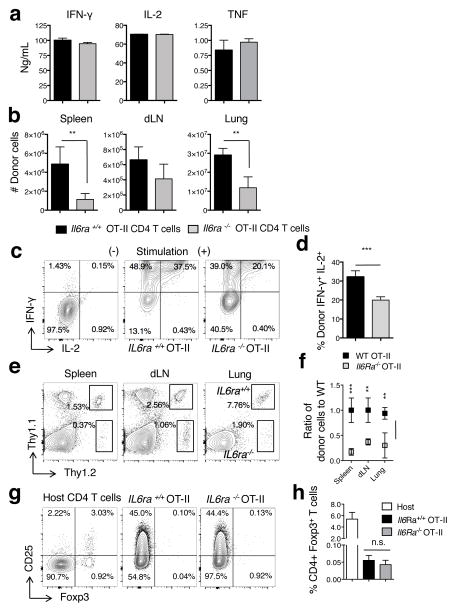
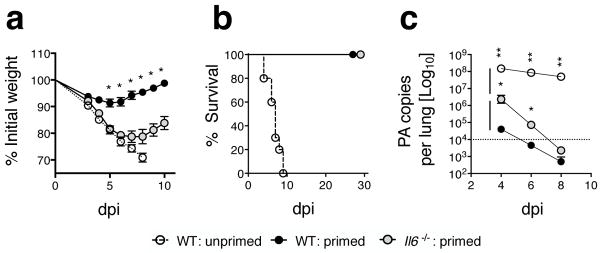
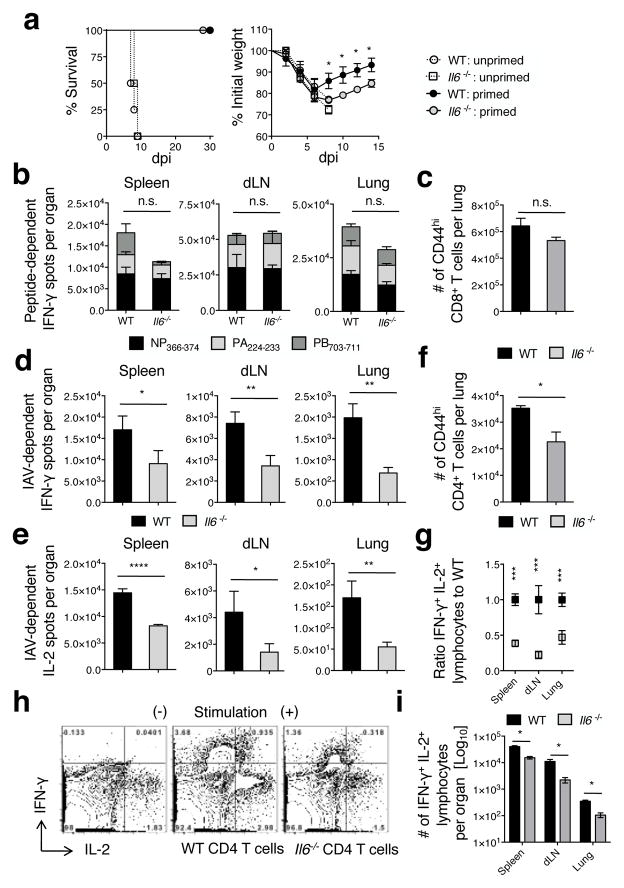
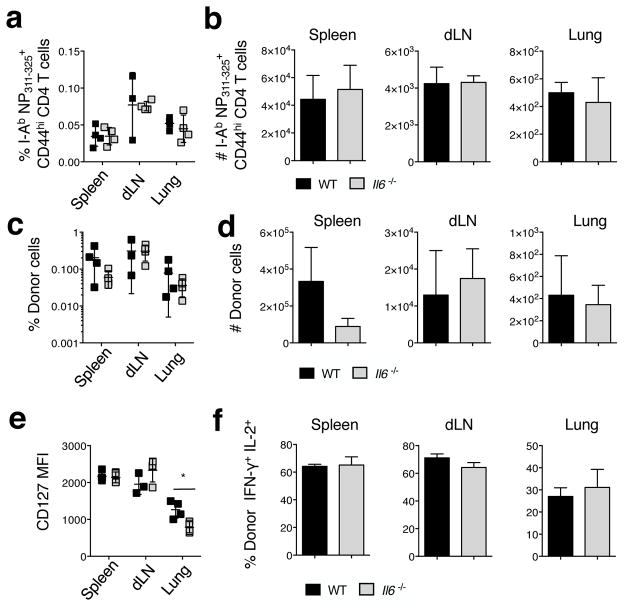
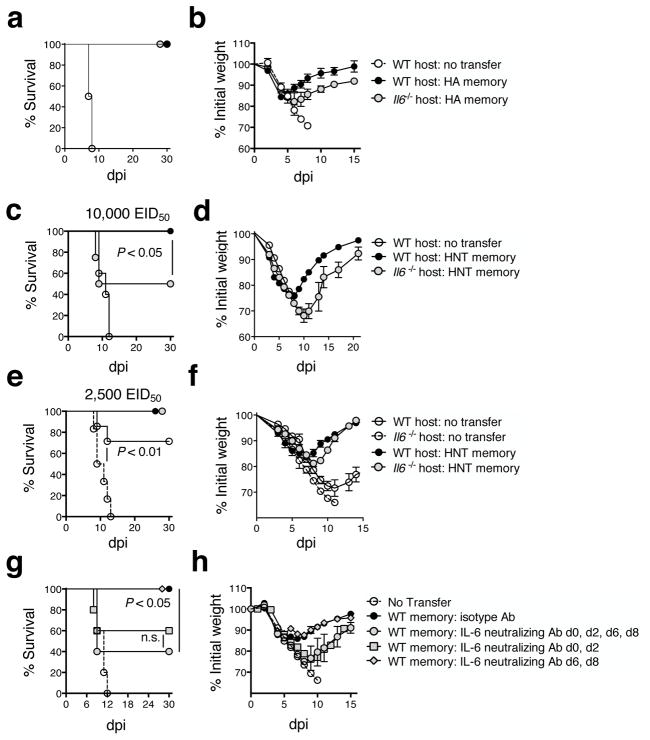
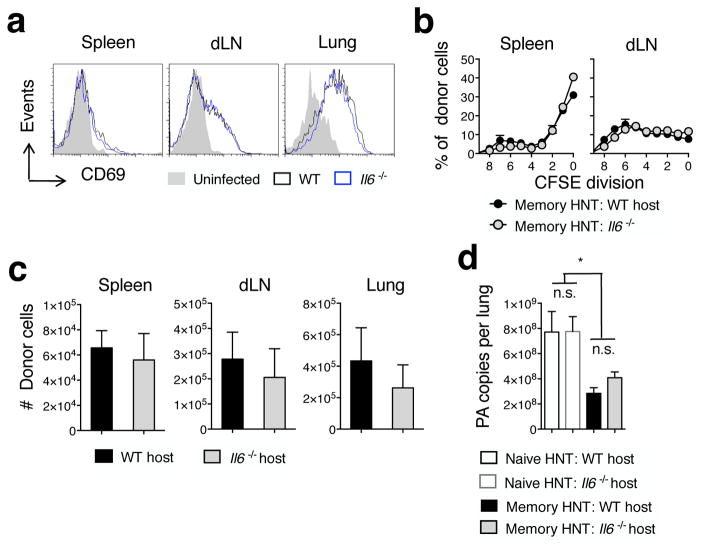
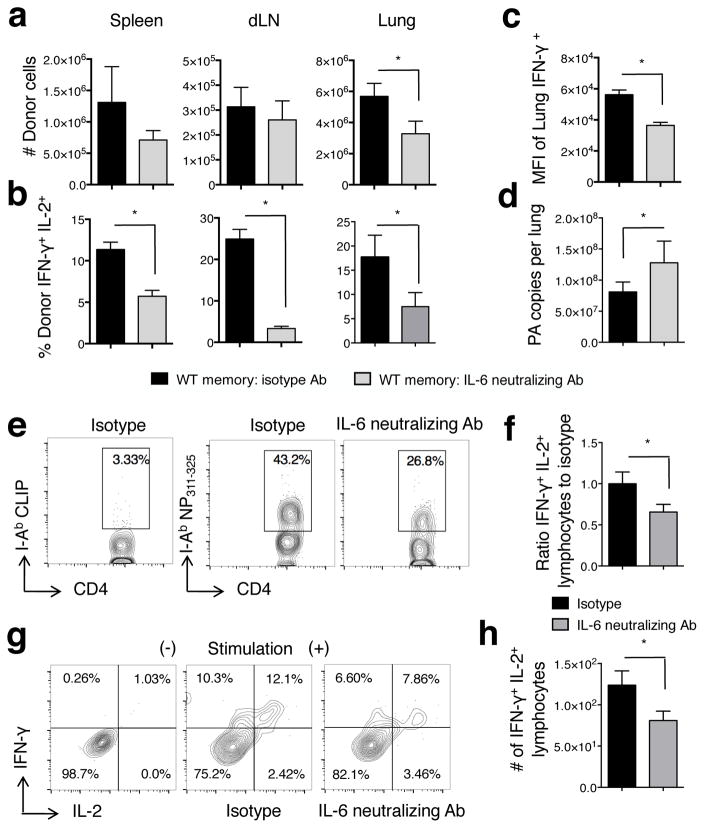
Memory T cells can often respond against pathogens that have evaded neutralizing Abs and are thus key to vaccine-induced protection, yet the signals needed to optimize their responses are unclear. In this study, we identify a dramatic and selective requirement for IL-6 to achieve optimal memory CD4 T cell recall following heterosubtypic influenza A virus (IAV) challenge of mice primed previously with wild-type or attenuated IAV strains. Through analysis of endogenous T cell responses and adoptive transfer of IAV-specific memory T cell populations, we find that without IL-6, CD4, but not CD8, secondary effector populations expand less and have blunted function and antiviral impact. Early and direct IL-6 signals to memory CD4 T cells are required to program maximal secondary effector responses at the site of infection during heterosubtypic challenge, indicating a novel role for a costimulatory cytokine in recall responses.
记忆性T细胞通常能够对逃避中和抗体的病原体作出反应,因此是疫苗诱导保护的关键,但优化其反应所需的信号尚不清楚。在本研究中,我们发现,在用野生型或减毒甲型流感病毒(IAV)株预先免疫的小鼠受到异源亚型IAV攻击后,IL-6对于实现最佳记忆性CD4 T细胞应答具有显著且选择性的需求。通过对内源性T细胞反应的分析以及IAV特异性记忆性T细胞群体的过继转移,我们发现,没有IL-6时,CD4而非CD8二次效应细胞群体扩增较少,功能和抗病毒作用减弱。在异源亚型攻击期间,记忆性CD4 T细胞需要早期和直接的IL-6信号来在感染部位编程最大的二次效应反应,这表明共刺激细胞因子在回忆反应中具有新作用。