Too Lay Khoon, Li Kong M, Suarna Cacang, Maghzal Ghassan J, Stocker Roland, McGregor Iain S, Hunt Nicholas H
Molecular Immunopathology Unit, Bosch Institute and School of Medical Sciences, University of Sydney, Sydney, New South Wales 2006, Australia.
Discipline of Pharmacology, Sydney Medical School, University of Sydney, Sydney, New South Wales 2006, Australia.
Data Brief. 2016 Sep 6;9:275-87. doi: 10.1016/j.dib.2016.08.071. eCollection 2016 Dec.
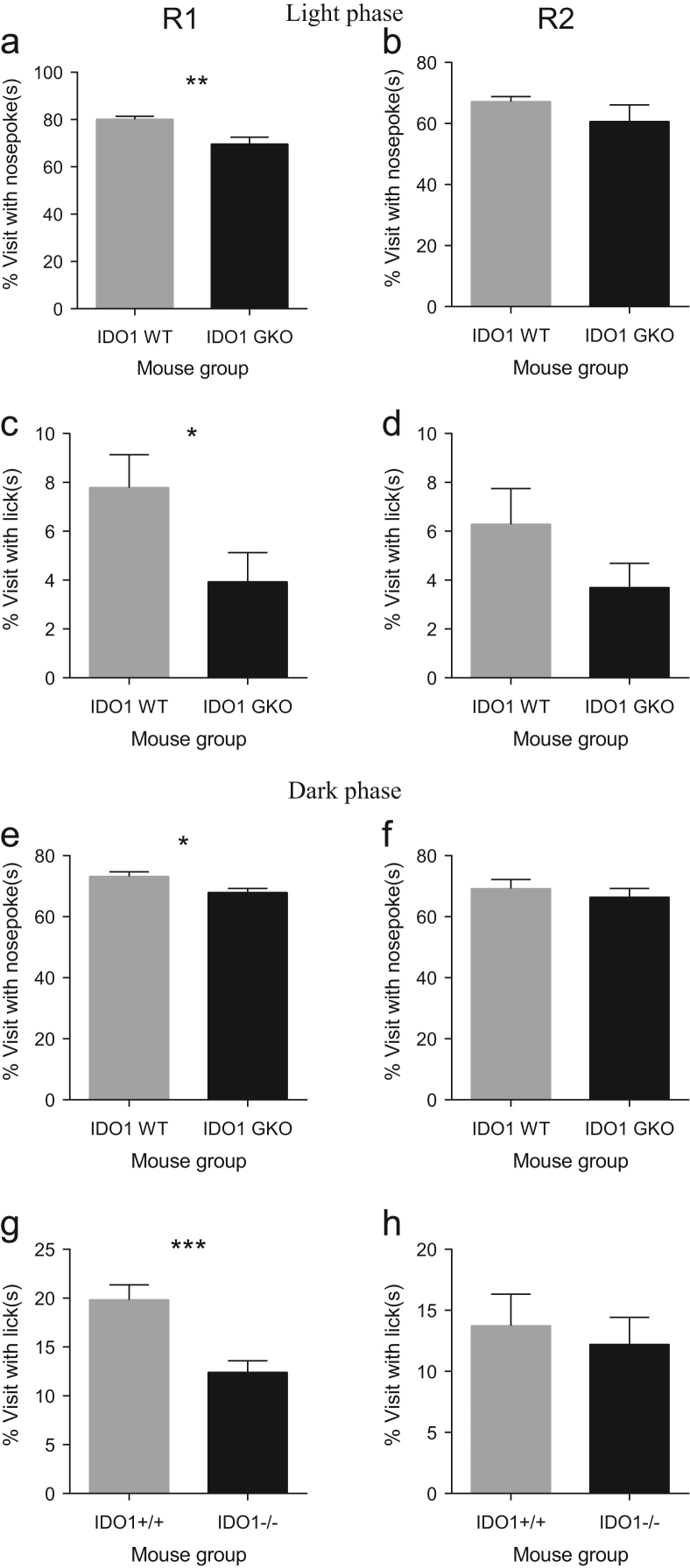
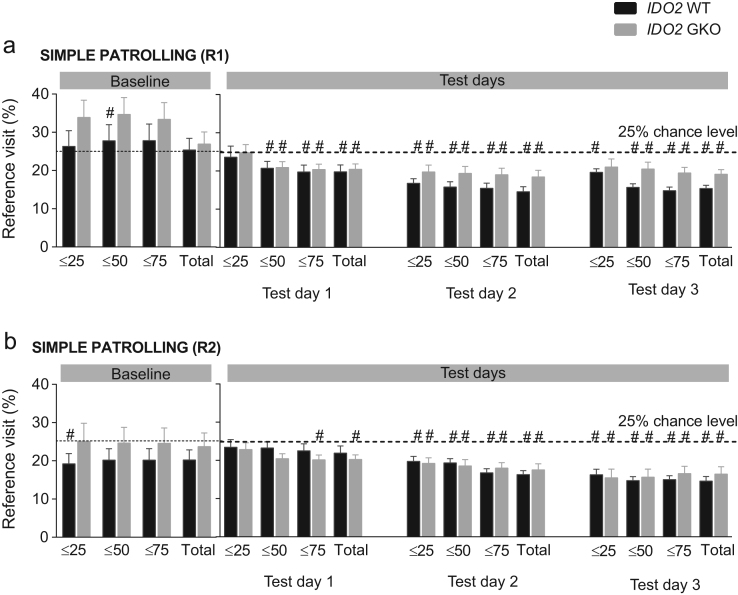
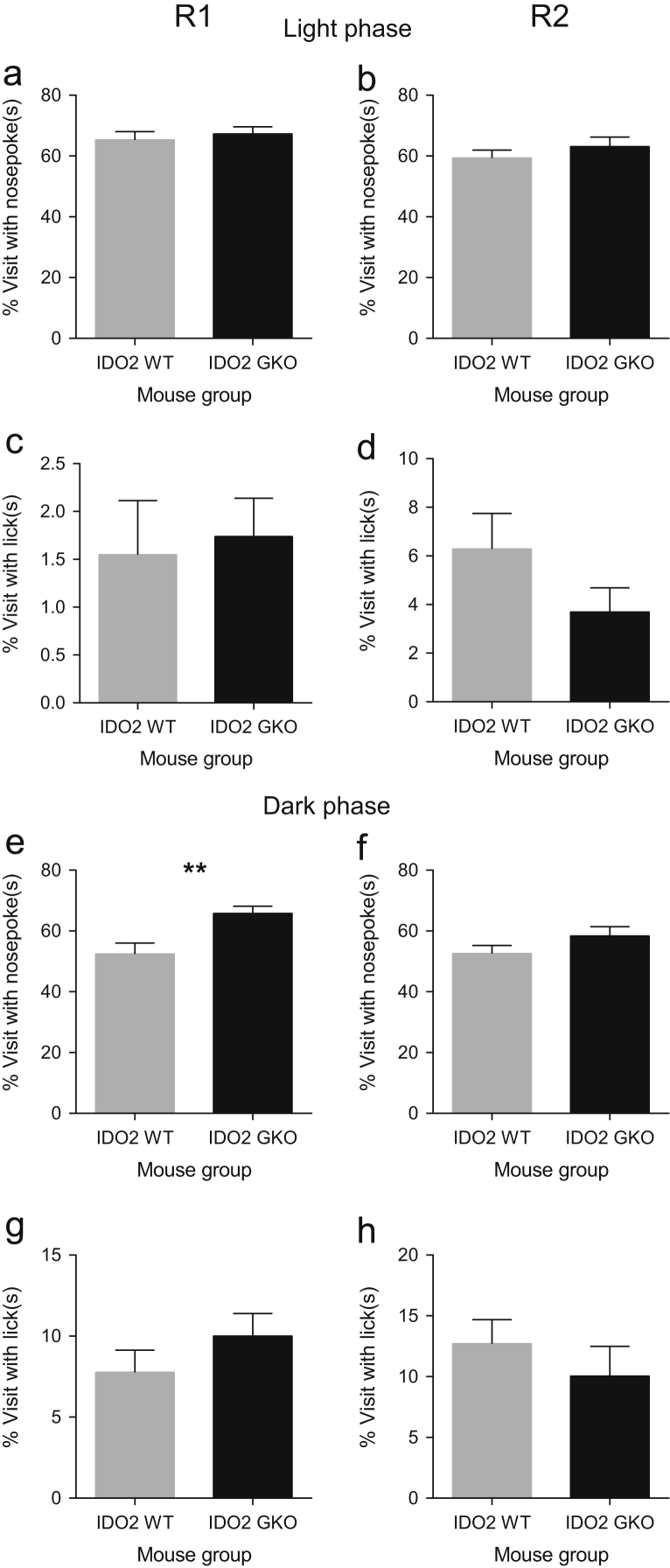
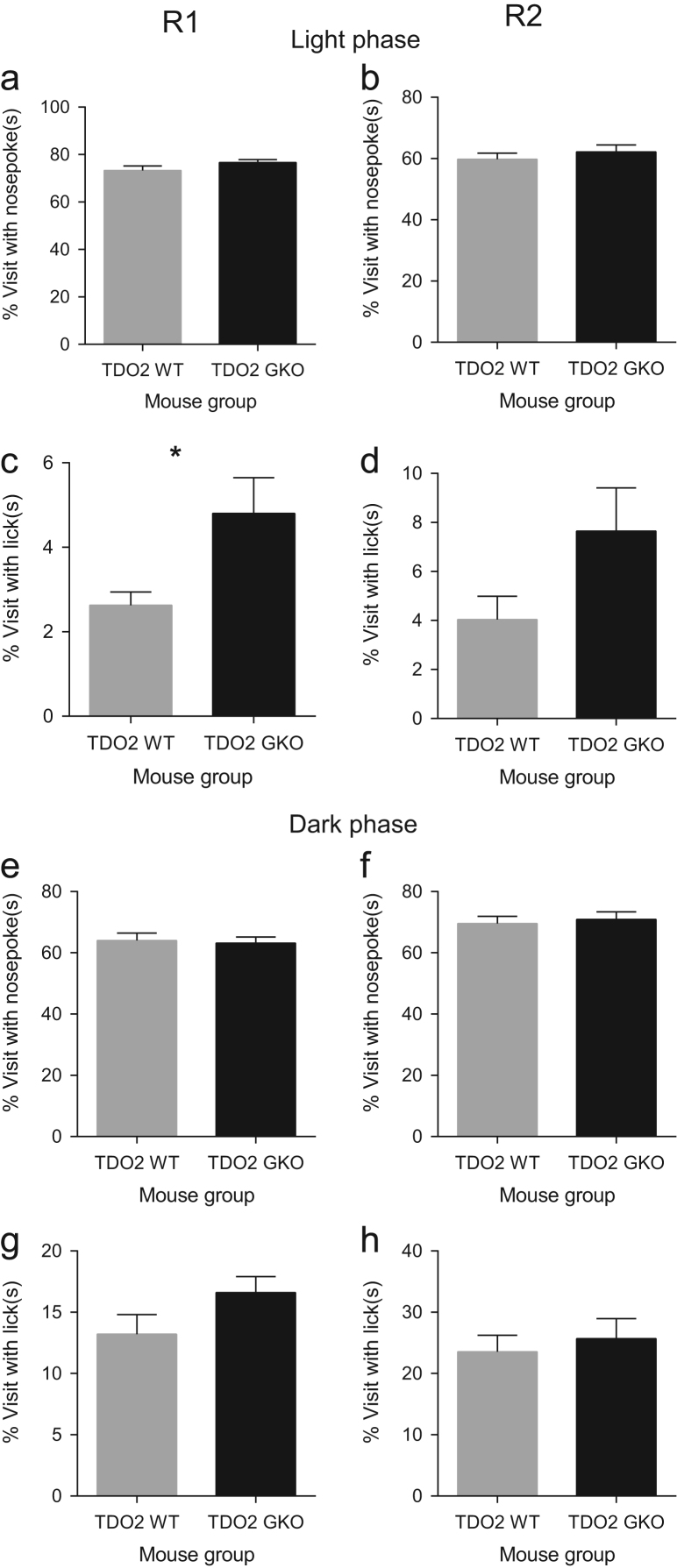
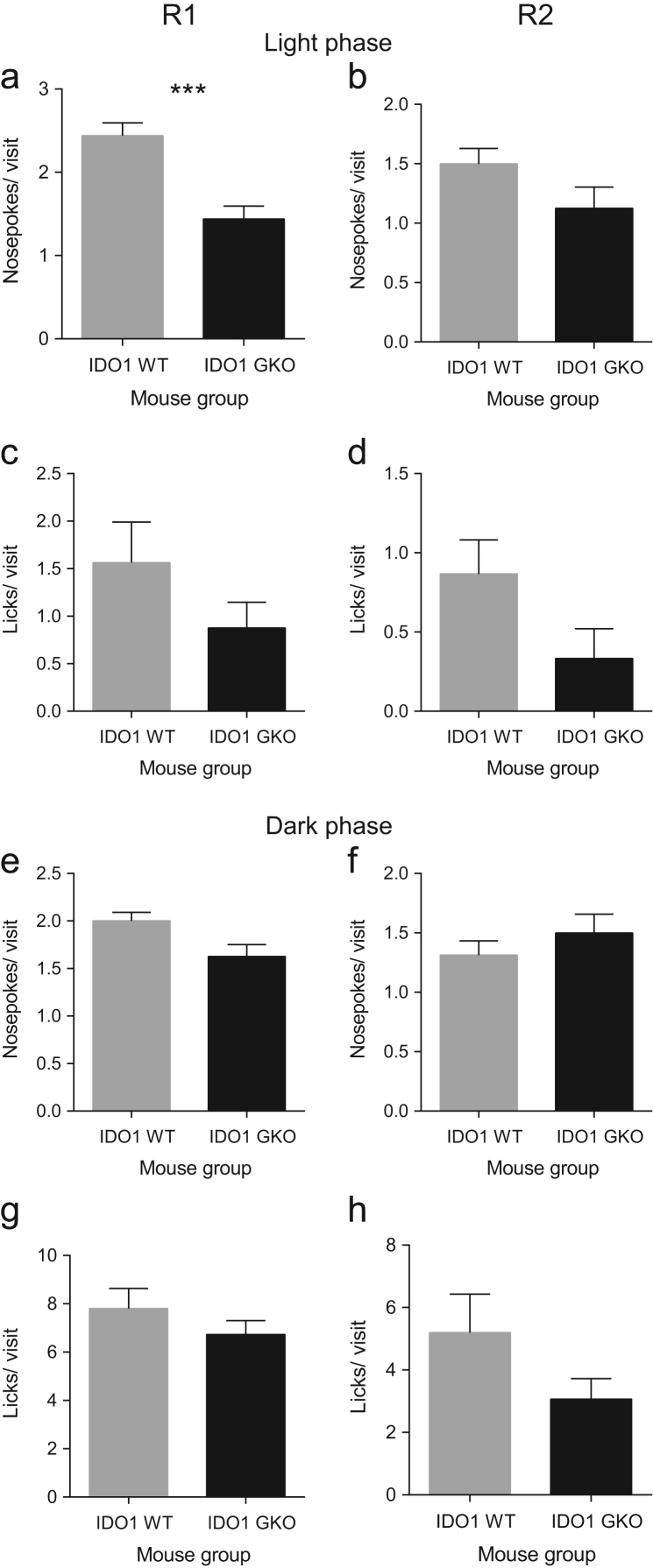
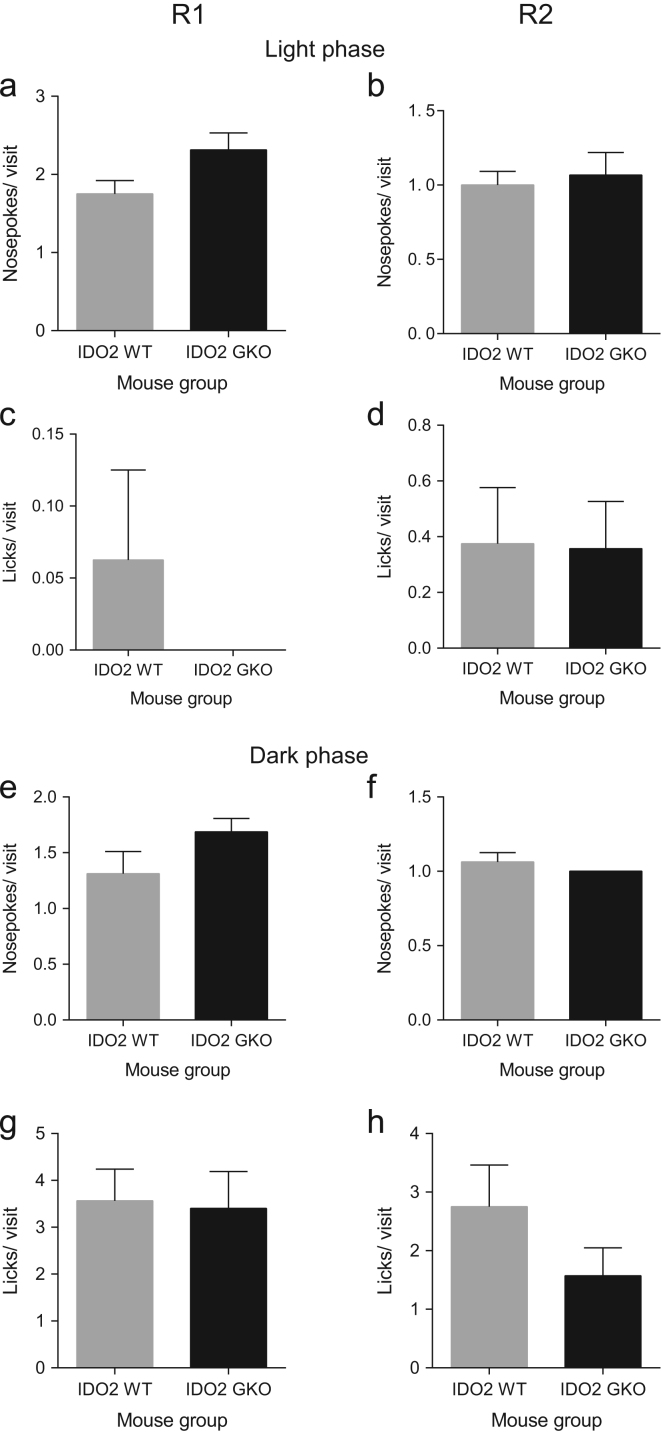
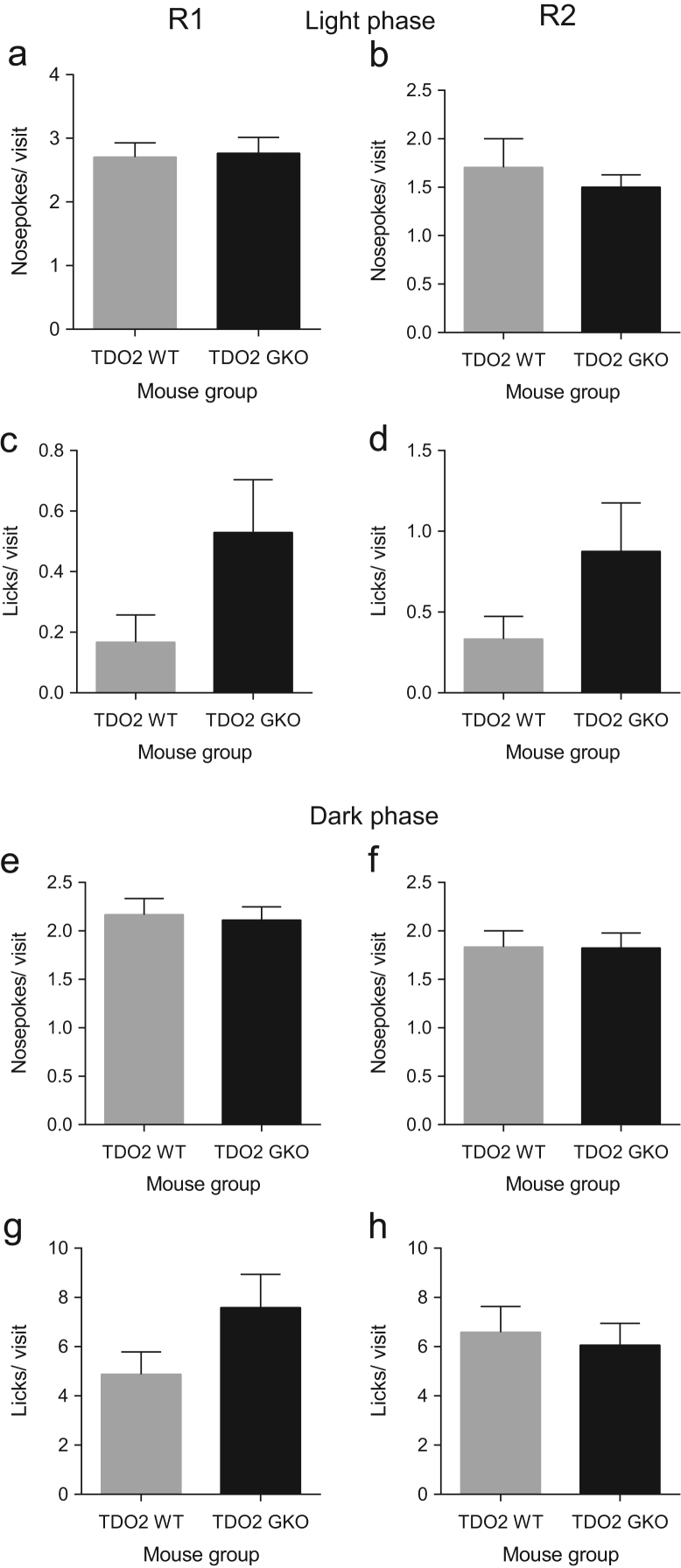
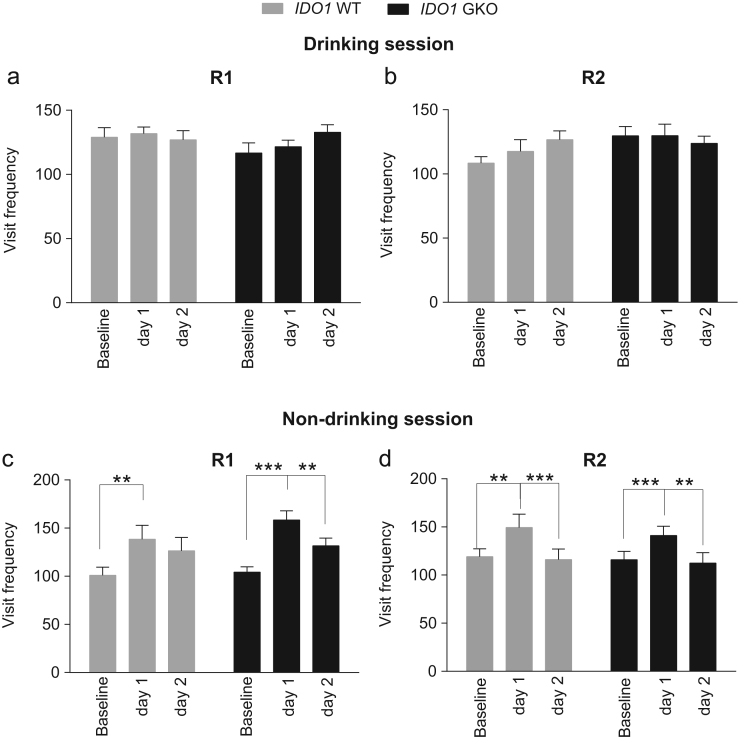
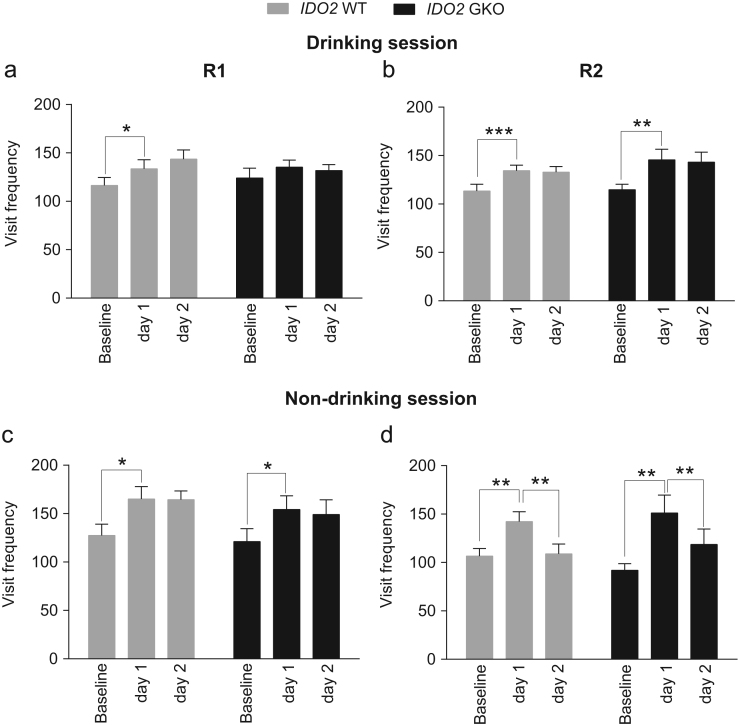
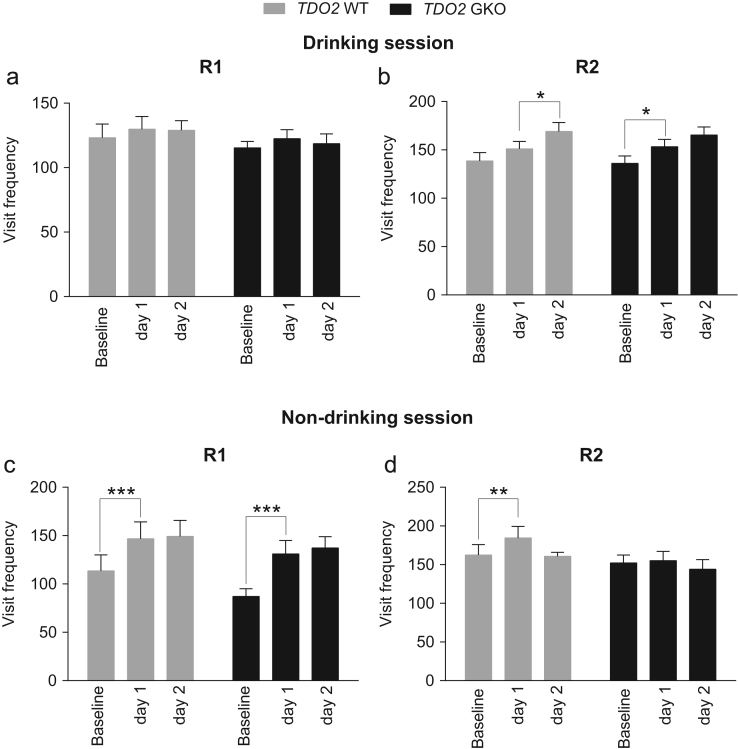
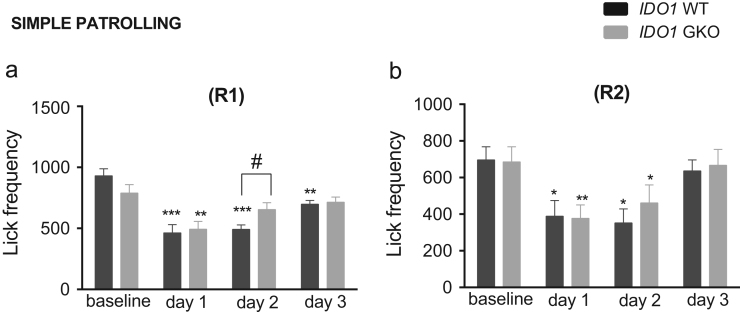
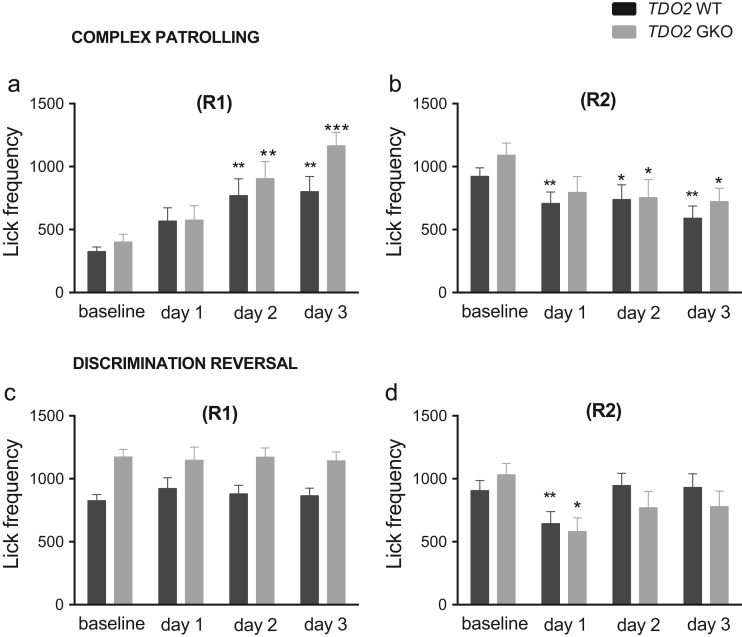
This article demonstrates behavioral changes in mice in response to free adaptation and drinking session adaptation modules implemented in their social home environment, the IntelliCage. These data complement the study "Deletion of TDO2, IDO-1 and IDO-2 differentially affects mouse behavior and cognitive function" (Too LK, Li KM, Suarna C, Maghzal GJ, Stocker R, McGregor IS, et al., 2016) [1]. Prior to programmed drinking sessions, all mice were exposed to a home cage adaptation module during which there was no time limit on water access - the free adaptation module. The exploratory behaviors are here expressed as percentages of visits with nosepokes and of visits with licks. The measurements by percentage of exploratory activity showed minimal genotype effects. The number of nosepokes or licks per corner visit also was compared between WT and gene knockout (GKO) IDO1 mice, WT and GKO IDO2 mice and WT and GKO TDO2 mice and demonstrated unremarkable behavioral changes during the free adaptation module. Analysis of drinking session adaptation behavior showed no genotype effect between WT and GKO of IDO1, IDO2 or TDO2 background. Notwithstanding the absence of genotype differences, each IDO1, IDO2 or TDO2 animal group displayed a specific pattern of adaptation to the drinking session modules. Furthermore, IDO1 GKO mice showed a more rapid recovery of lick frequency to the baseline level compared to the WT equivalents in a simple patrolling task during the first complete testing cycle (R1). TDO2 GKO mice on the other hand did not differ from their WT equivalents in terms of lick frequency over the three test days of complex patrolling and discrimination reversal tasks. Lastly, IDO2 GKO mice reduced their visits to the permanently non-rewarding reference corners by the same degree as did the WT mice.
本文展示了小鼠在其社交家庭环境IntelliCage中对自由适应模块和饮水时段适应模块的行为变化。这些数据补充了研究“TDO2、IDO-1和IDO-2的缺失对小鼠行为和认知功能的不同影响”(Too LK、Li KM、Suarna C、Maghzal GJ、Stocker R、McGregor IS等,2016年)[1]。在设定的饮水时段之前,所有小鼠都要经历一个家笼适应模块,在此期间水的获取没有时间限制——即自由适应模块。探索行为在此以鼻戳访问次数和舔舐访问次数的百分比来表示。通过探索活动百分比进行的测量显示基因型效应极小。还比较了野生型(WT)与基因敲除(GKO)IDO1小鼠、WT与GKO IDO2小鼠以及WT与GKO TDO2小鼠每次角落访问的鼻戳或舔舐次数,结果表明在自由适应模块期间行为变化不显著。对饮水时段适应行为的分析显示,在IDO1、IDO2或TDO2背景的WT和GKO之间没有基因型效应。尽管不存在基因型差异,但每个IDO1、IDO2或TDO2动物组都表现出对饮水时段模块的特定适应模式。此外,在第一个完整测试周期(R1)的简单巡逻任务中,与WT等效小鼠相比,IDO1 GKO小鼠的舔舐频率恢复到基线水平的速度更快。另一方面,在复杂巡逻和辨别逆转任务的三天测试中,TDO2 GKO小鼠在舔舐频率方面与WT等效小鼠没有差异。最后,IDO2 GKO小鼠对永久无奖励参考角落的访问减少程度与WT小鼠相同。