Servadio M, Melancia F, Manduca A, di Masi A, Schiavi S, Cartocci V, Pallottini V, Campolongo P, Ascenzi P, Trezza V
Department of Science, Section of Biomedical Sciences and Technologies, University "Roma Tre", Rome, Italy.
Department of Physiology and Pharmacology, Sapienza University of Rome, Rome, Italy.
Transl Psychiatry. 2016 Sep 27;6(9):e902. doi: 10.1038/tp.2016.182.
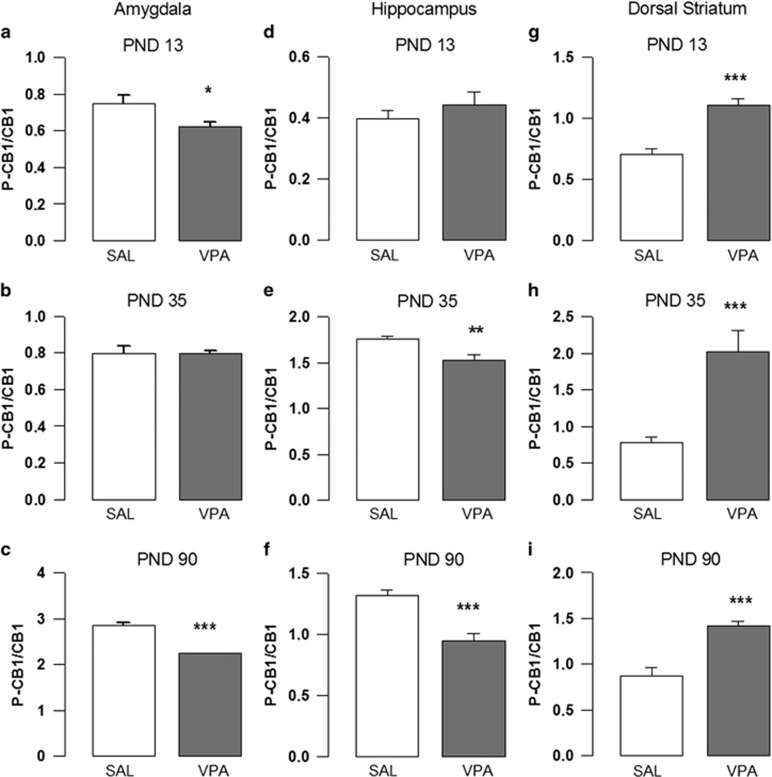
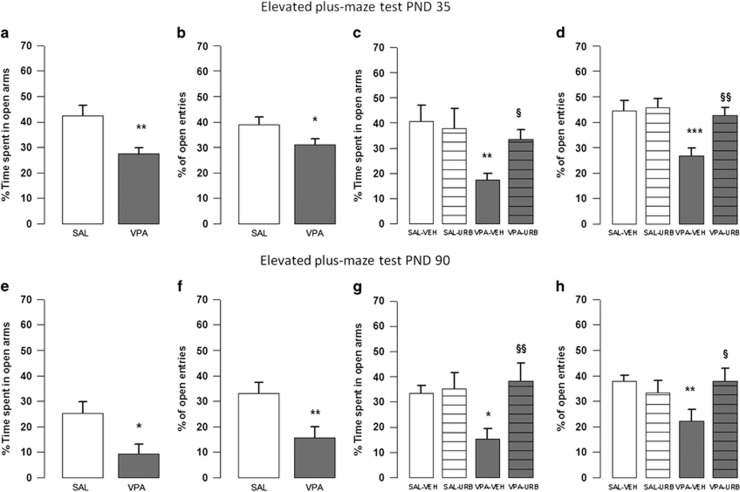
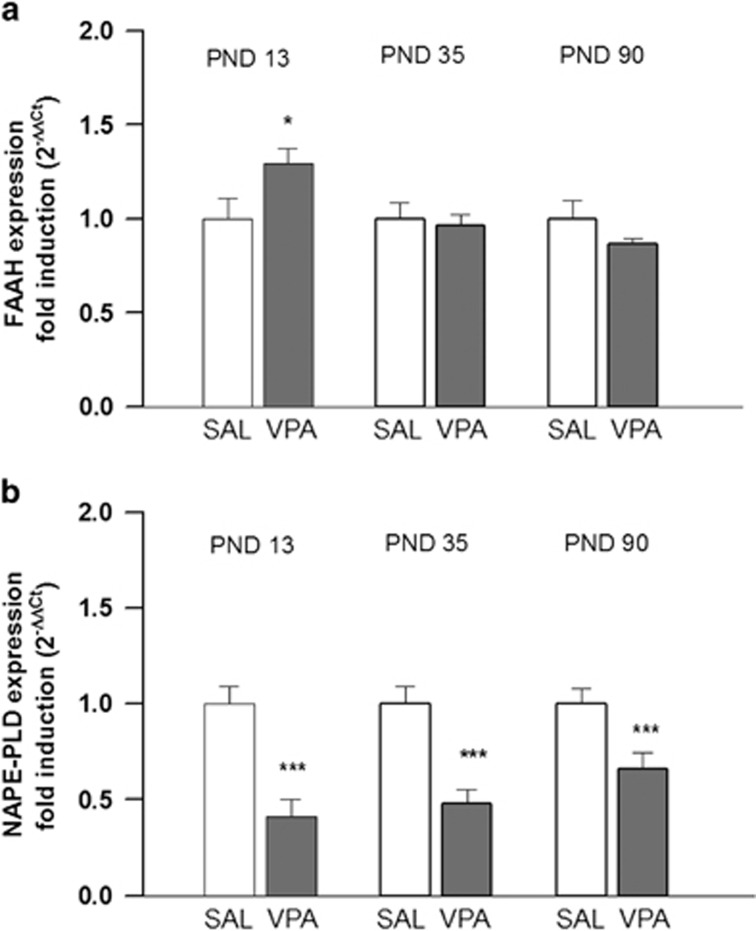
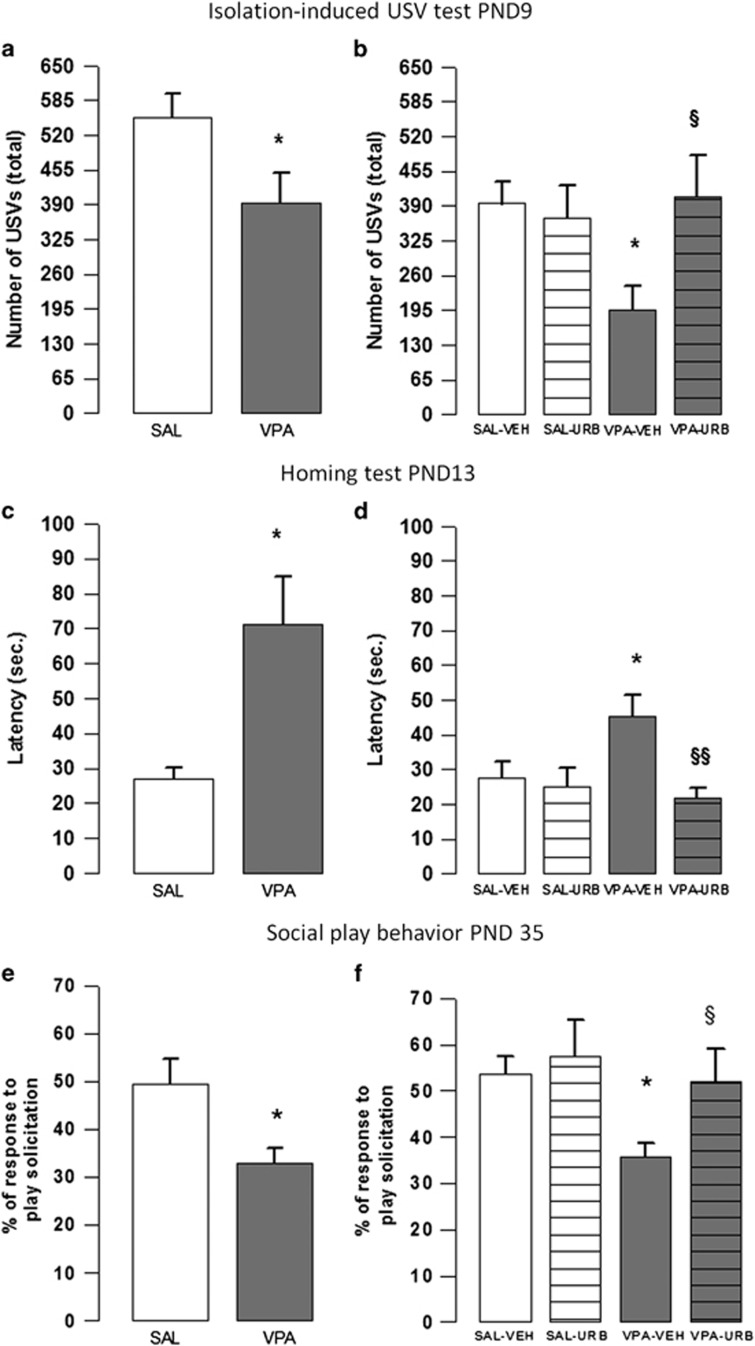
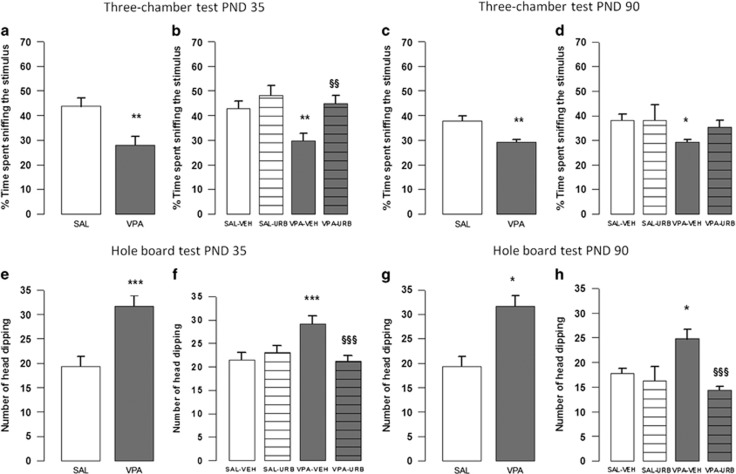
Autism spectrum disorders (ASD) are characterized by altered sociability, compromised communication and stereotyped/repetitive behaviors, for which no specific treatments are currently available. Prenatal exposure to valproic acid (VPA) is a known, although still underestimated, environmental risk factor for ASD. Altered endocannabinoid activity has been observed in autistic patients, and endocannabinoids are known to modulate behavioral traits that are typically affected in ASD. On this basis, we tested the hypothesis that changes in the endocannabinoid tone contribute to the altered phenotype induced by prenatal VPA exposure in rats, with focus on behavioral features that resemble the core and associated symptoms of ASD. In the course of development, VPA-exposed rats showed early deficits in social communication and discrimination, compromised sociability and social play behavior, stereotypies and increased anxiety, thus providing preclinical proof of the long-lasting deleterious effects induced by prenatal VPA exposure. At the neurochemical level, VPA-exposed rats displayed altered phosphorylation of CB1 cannabinoid receptors in different brain areas, associated with changes in anandamide metabolism from infancy to adulthood. Interestingly, enhancing anandamide signaling through inhibition of its degradation rescued the behavioral deficits displayed by VPA-exposed rats at infancy, adolescence and adulthood. This study therefore shows that abnormalities in anandamide activity may underlie the deleterious impact of environmental risk factors on ASD-relevant behaviors and that the endocannabinoid system may represent a therapeutic target for the core and associated symptoms displayed by autistic patients.
自闭症谱系障碍(ASD)的特征是社交能力改变、沟通受损以及刻板/重复行为,目前尚无针对这些症状的特效治疗方法。已知产前接触丙戊酸(VPA)是ASD一个虽仍被低估但已明确的环境风险因素。在自闭症患者中观察到内源性大麻素活性改变,并且已知内源性大麻素可调节通常在ASD中受影响的行为特征。在此基础上,我们检验了以下假设:内源性大麻素水平的变化会导致产前VPA暴露诱导的大鼠表型改变,重点关注类似于ASD核心症状和相关症状的行为特征。在发育过程中,暴露于VPA的大鼠在社交沟通和辨别方面出现早期缺陷,社交能力和社交游戏行为受损,出现刻板行为且焦虑增加,从而为产前VPA暴露诱导的长期有害影响提供了临床前证据。在神经化学水平上,暴露于VPA的大鼠在不同脑区的CB1大麻素受体磷酸化发生改变,这与从婴儿期到成年期花生四烯酸乙醇胺代谢的变化有关。有趣的是,通过抑制花生四烯酸乙醇胺降解来增强其信号传导,可挽救暴露于VPA的大鼠在婴儿期、青春期和成年期出现的行为缺陷。因此,本研究表明花生四烯酸乙醇胺活性异常可能是环境风险因素对ASD相关行为产生有害影响的基础,并且内源性大麻素系统可能是自闭症患者所表现出的核心症状和相关症状的治疗靶点。