Muralidharan Sukumaran, Dirda Nathaniel D A, Katz Elizabeth J, Tang Cha-Min, Bandyopadhyay Sharba, Kanold Patrick O, Kao Joseph P Y
Center for Biomedical Engineering and Technology, University of Maryland School of Medicine, Baltimore, Maryland, United States of America.
Department of Physiology, University of Maryland School of Medicine, Baltimore, Maryland, United States of America.
PLoS One. 2016 Oct 3;11(10):e0163937. doi: 10.1371/journal.pone.0163937. eCollection 2016.
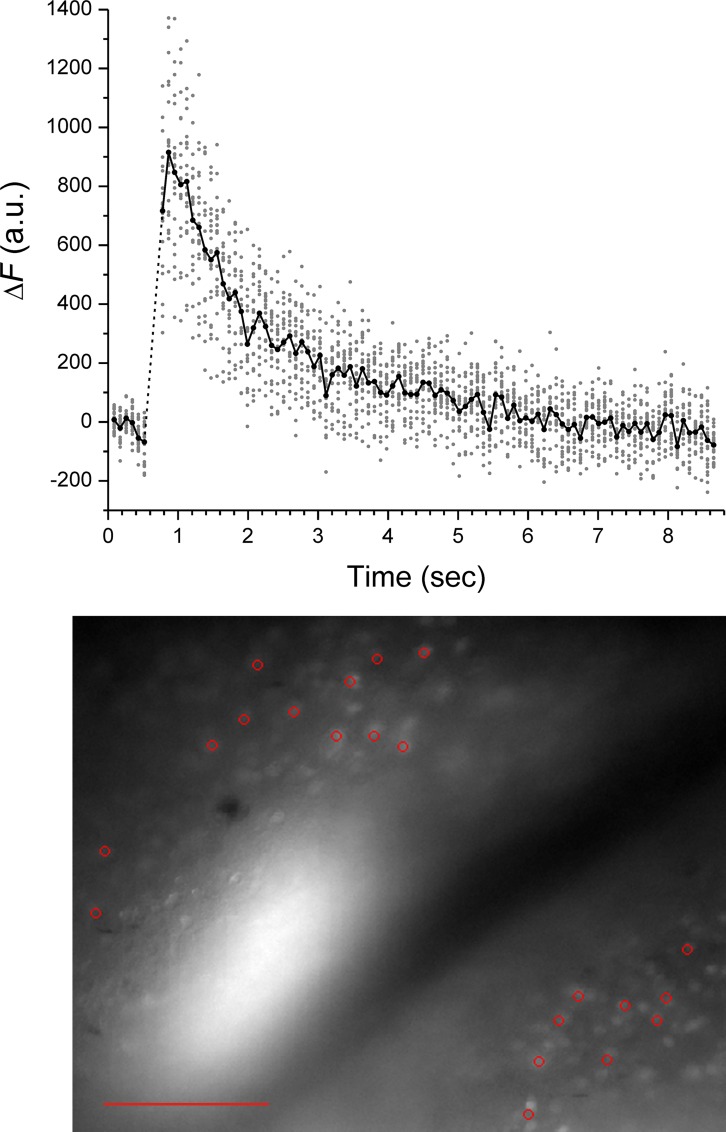
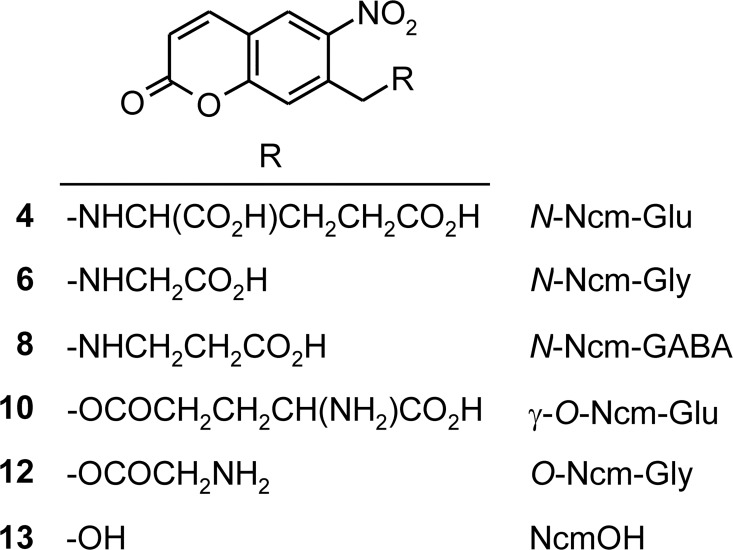
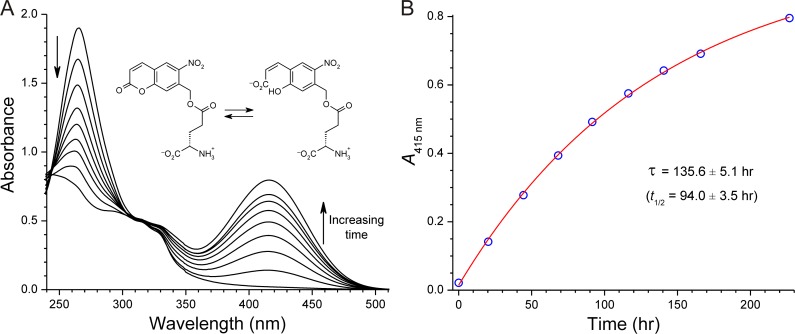
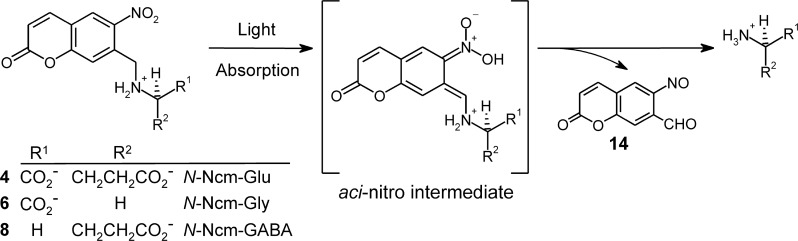
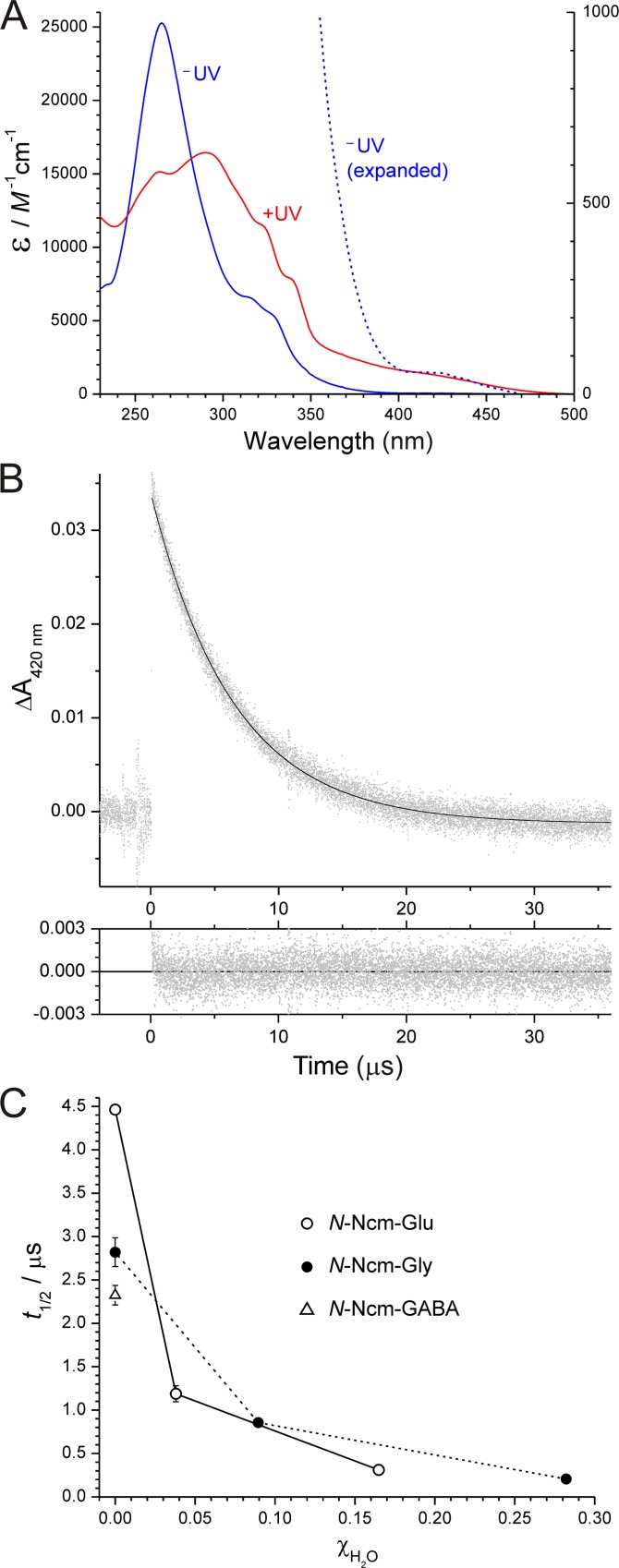
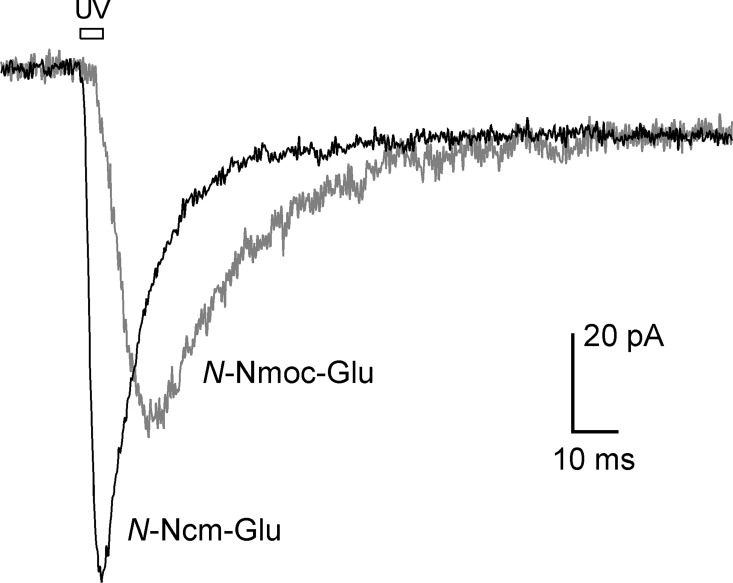
Ncm, 6-nitrocoumarin-7-ylmethyl, is a photolabile protective group useful for making "caged" molecules. Ncm marries the reliable photochemistry of 2-nitrobenzyl systems with the excellent stability and spectroscopic properties of the coumarin chromophore. From simple, commercially available starting materials, preparation of Ncm and its caged derivatives is both quick and easy. Photorelease of Ncm-caged molecules occurs on the microsecond time scale, with quantum efficiencies of 0.05-0.08. We report the synthesis and physical properties of Ncm and its caged derivatives. The utility of Ncm-caged glutamate for neuronal photostimulation is demonstrated in cultured hippocampal neurons and in brain slice preparations.
Ncm,即6-硝基香豆素-7-基甲基,是一种对光不稳定的保护基团,可用于制备“笼形”分子。Ncm将2-硝基苄基体系可靠的光化学性质与香豆素发色团出色的稳定性和光谱性质结合在一起。从简单的市售起始原料出发,Ncm及其笼形衍生物的制备既快速又简便。Ncm笼形分子的光释放发生在微秒时间尺度上,量子效率为0.05 - 0.08。我们报告了Ncm及其笼形衍生物的合成和物理性质。Ncm笼形谷氨酸在培养的海马神经元和脑片制备中用于神经元光刺激的效用得到了证明。