Khalaj Kasra, Luna Rayana Leal, de França Maria Eduarda Rocha, de Oliveira Wilma Helena, Peixoto Christina Alves, Tayade Chandrakant
Department of Biomedical and Molecular Sciences, Queen's University, Kingston, ON, Canada.
Ultrastructure Laboratory, Aggeu Magalhães Research Center of the Oswaldo Cruz Foundation in Recife - FIOCRUZ, Recife, PE, Brazil.
Oncotarget. 2016 Nov 8;7(45):72486-72502. doi: 10.18632/oncotarget.12539.
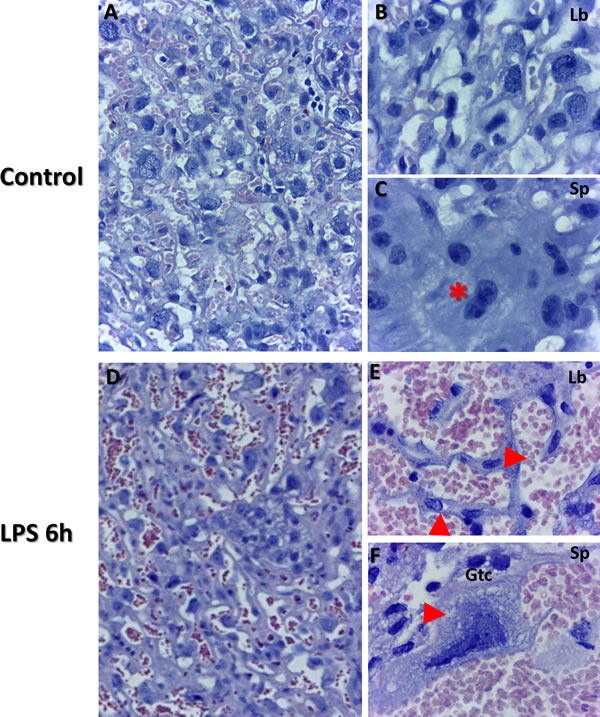
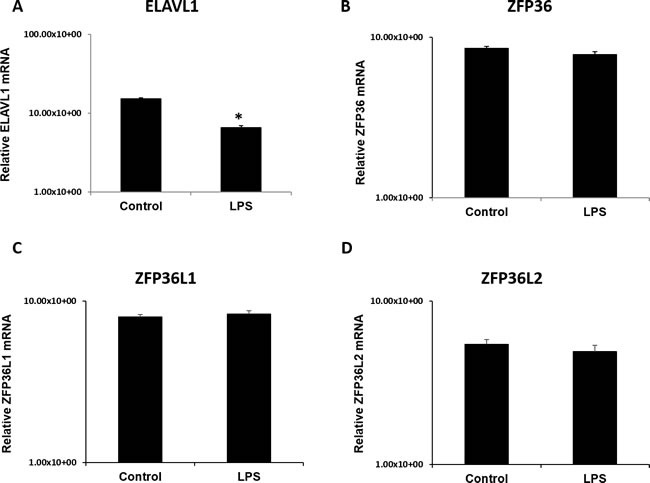
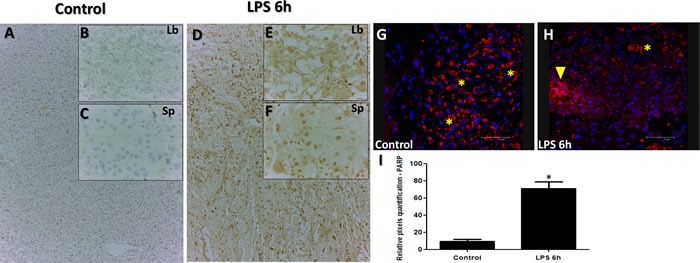
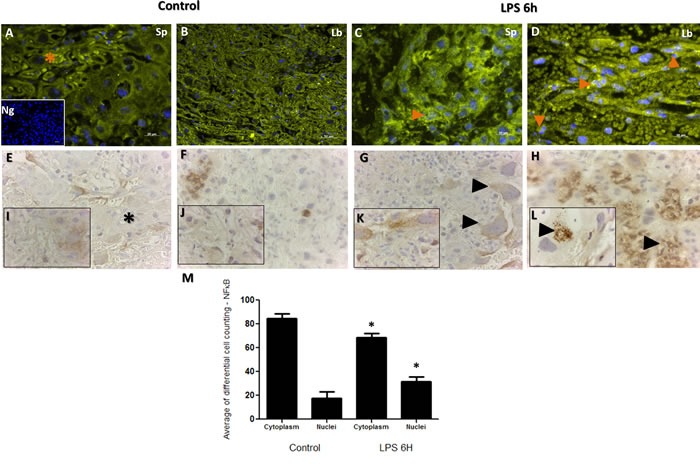
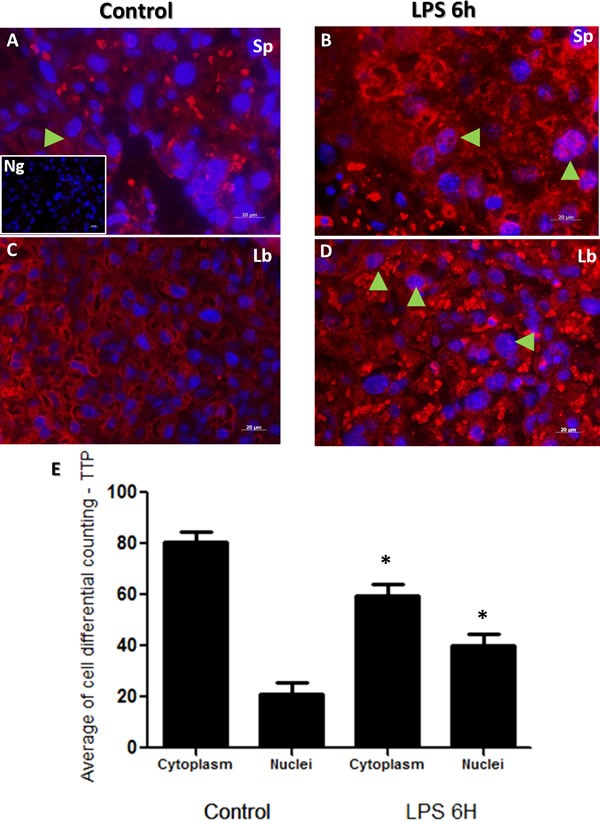
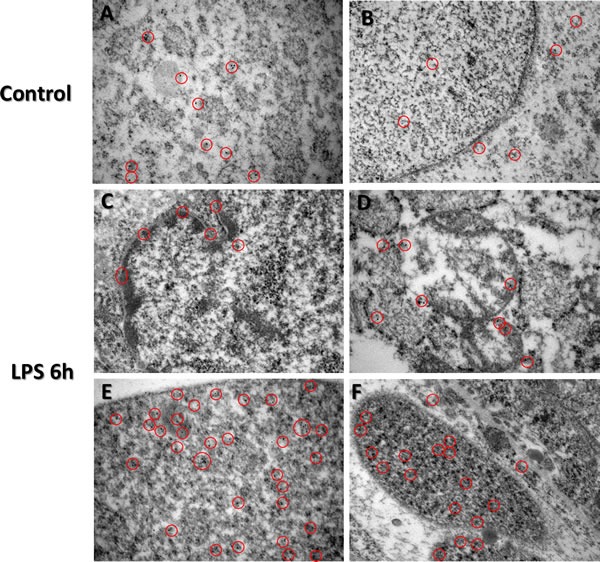
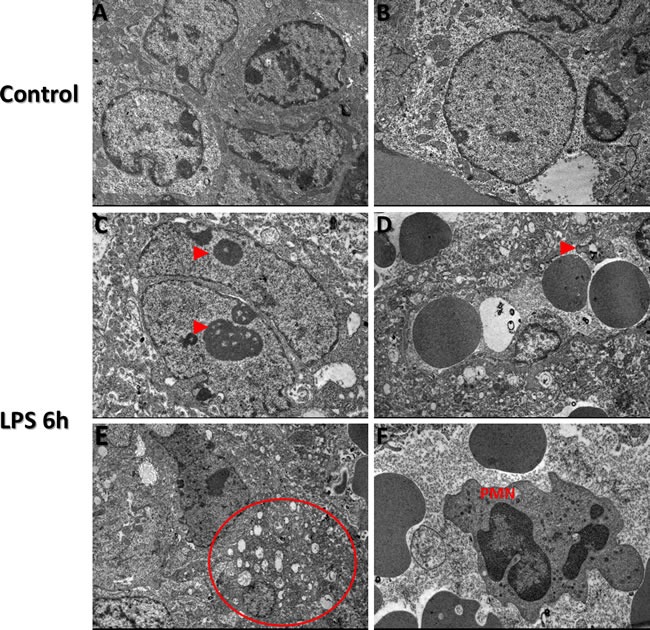
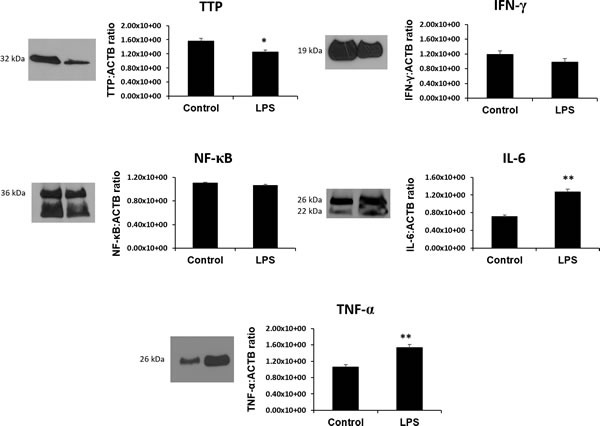
Recurrent pregnancy loss is a major reproductive pathology affecting 1-5% of pregnant women worldwide. A distinct feature of this reproductive pathology is involvement of key inflammatory cytokines and transcription factors such as tumor necrosis factor alpha (TNF-α), interleukin 6 (IL-6) and nuclear factor kappa beta (NF-κB). Special classes of RNA-binding proteins regulate the transcripts of many of these important cytokines and regulatory factors via binding to the 3' untranslated regions (UTRs) and/or poly(A) tail and destabilizing/stabilizing the transcript. The tristetraprolin (TTP/ZFP36) family have been found to be potent destabilizers of the aforementioned inflammatory and cellular response cytokines. The aim of this study was to evaluate whether tristetraprolin is expressed in the placenta and involved in modulating inflammation in mouse model of lipopolysaccharide (LPS)-induced fetal loss. In this study, Swiss-albino mice were injected with LPS at gestational day 15.5 and placental tissues were harvested 6 hours post-LPS injection. Histopathology and immunohistochemistry analyses clearly revealed cellular stress and death in LPS treated placentas compared to controls. TTP protein was downregulated, while targets TNF-α and IL-6 were upregulated in LPS group compared to controls. We observed increased TTP nuclear immunolocalization corresponding with higher NF-κB nuclear localization in trophoblasts from LPS treated placentas. Our results suggest that RNA-binding proteins such as TTP are expressed and perhaps involved in the modulation of inflammation-induced pregnancy pathologies.
复发性流产是一种主要的生殖病理状况,影响着全球1%至5%的孕妇。这种生殖病理状况的一个显著特征是关键炎症细胞因子和转录因子的参与,如肿瘤坏死因子α(TNF-α)、白细胞介素6(IL-6)和核因子κB(NF-κB)。特殊类别的RNA结合蛋白通过与3'非翻译区(UTR)和/或聚腺苷酸尾结合并使转录本不稳定/稳定,来调节许多这些重要细胞因子和调节因子的转录本。已发现锌指蛋白36(TTP/ZFP36)家族是上述炎症和细胞反应细胞因子的有效去稳定剂。本研究的目的是评估锌指蛋白36是否在胎盘中表达,并参与调节脂多糖(LPS)诱导的胎儿丢失小鼠模型中的炎症反应。在本研究中,于妊娠第15.5天给瑞士白化小鼠注射LPS,并在注射LPS后6小时采集胎盘组织。组织病理学和免疫组织化学分析清楚地显示,与对照组相比,LPS处理的胎盘存在细胞应激和死亡。与对照组相比,LPS组中TTP蛋白下调,而其靶标TNF-α和IL-6上调。我们观察到,在LPS处理的胎盘滋养层细胞中,TTP核免疫定位增加,同时NF-κB核定位也更高。我们的结果表明,诸如TTP之类的RNA结合蛋白在胎盘中表达,并且可能参与调节炎症诱导的妊娠病理状况。