Yamashita Takashi, Asano Yoshihide, Taniguchi Takashi, Nakamura Kouki, Saigusa Ryosuke, Miura Shunsuke, Toyama Tetsuo, Takahashi Takehiro, Ichimura Yohei, Yoshizaki Ayumi, Trojanowska Maria, Sato Shinichi
Department of Dermatology, University of Tokyo Graduate School of Medicine, Tokyo, Japan.
Department of Dermatology, University of Tokyo Graduate School of Medicine, Tokyo, Japan.
J Invest Dermatol. 2017 Mar;137(3):631-640. doi: 10.1016/j.jid.2016.08.037. Epub 2016 Oct 21.
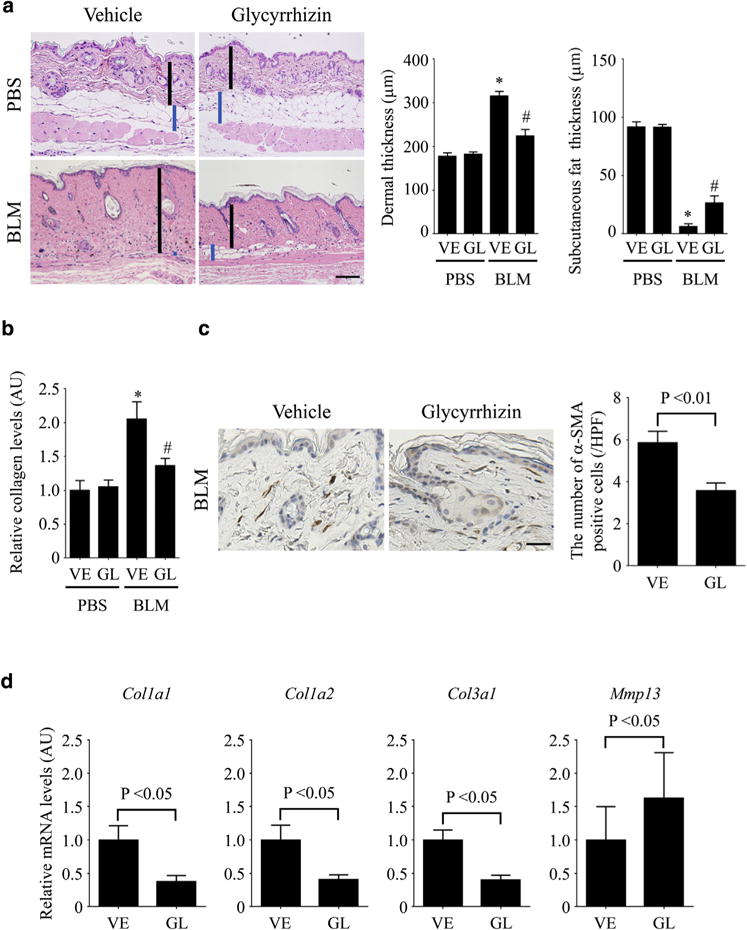
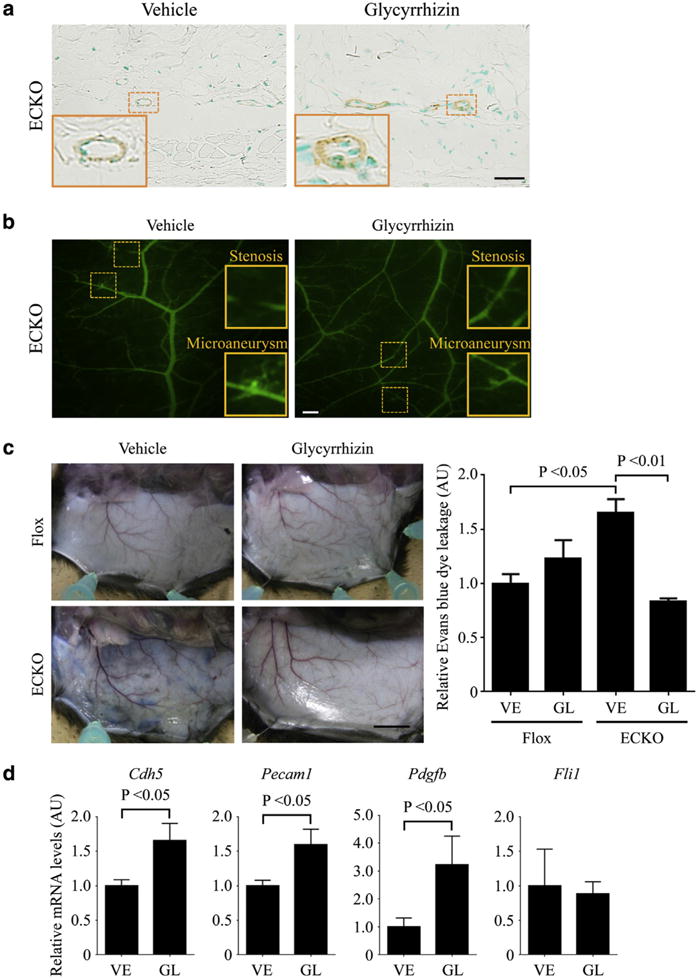
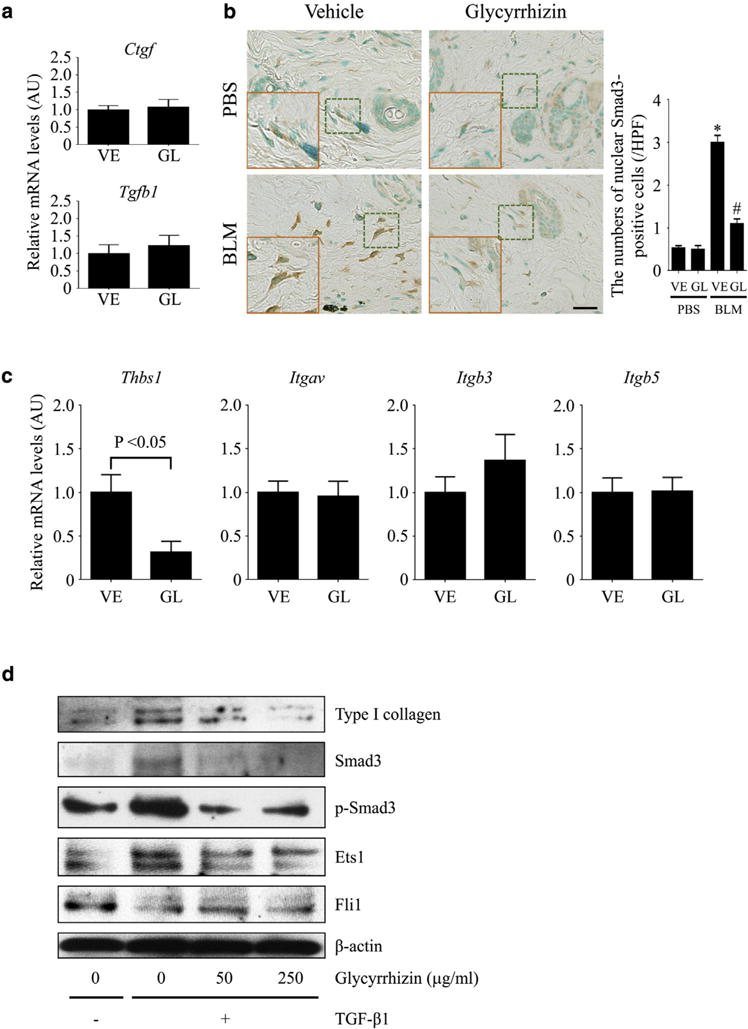
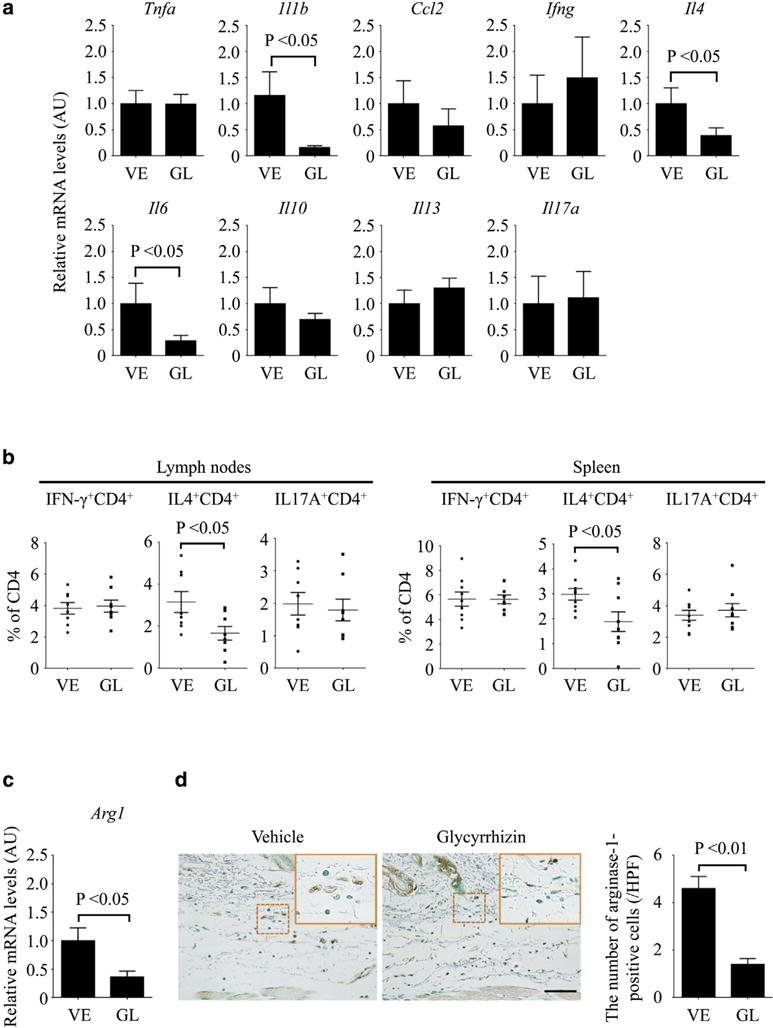
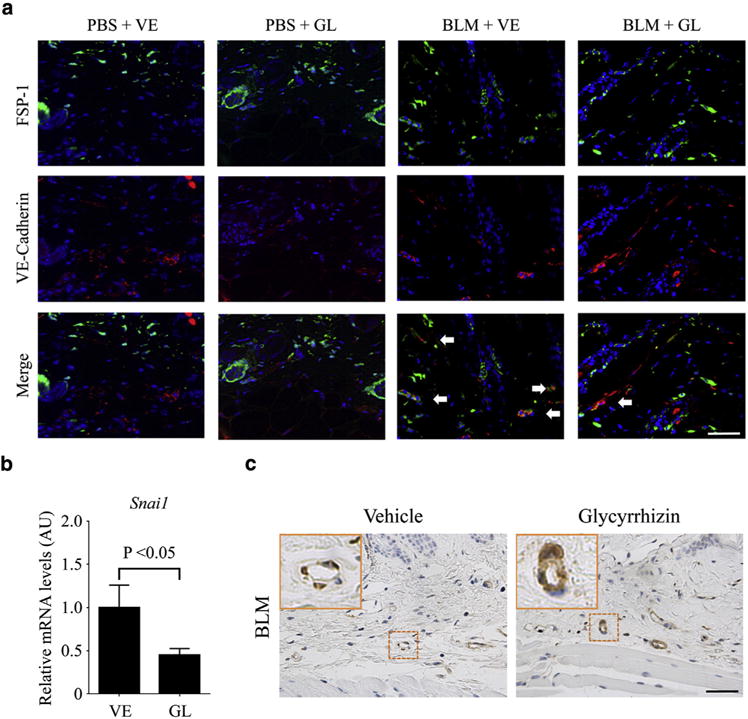
Systemic sclerosis (SSc) is a multisystem inflammatory and vascular disease resulting in extensive tissue fibrosis. Glycyrrhizin, clinically used for chronic hepatic diseases and itching dermatitis, modulates the pathological processes of inflammation, vasculopathy, and fibrosis in human diseases and their animal models. Therefore, we investigated a potential impact of glycyrrhizin on the key pathological manifestations of SSc, including inflammation, vasculopathy, and tissue fibrosis, with bleomycin-treated mice mimicking the fibrotic and inflammatory components of SSc and endothelial cell-specific Fli1-knockout mice recapitulating SSc vasculopathy. Glycyrrhizin significantly ameliorated dermal fibrosis in bleomycin-treated mice, which was partly attributable to blockade of transforming growth factor-β signaling in dermal fibroblasts through the down-regulation of thrombospondin 1, a latent transforming growth factor-β receptor, and transcription factors Smad3 and Ets1. Furthermore, bleomycin-dependent induction of T helper type 2-skewed immune polarization, M2 macrophage infiltration, and endothelial-to-mesenchymal transition were greatly suppressed in mice administered glycyrrhizin. Glycyrrhizin also improved vascular permeability of endothelial cell-specific Fli1-knockout mice by increasing the expression of molecules regulating vascular integrity. These results indicate that glycyrrhizin ameliorates bleomycin-induced dermal fibrosis through the inhibition of fibroblast activation, T helper type 2-skewed immune polarization, M2 macrophage infiltration, and endothelial-to-mesenchymal transition and improves endothelial Fli1 deficiency-dependent vascular disintegrity, implying its potential as a disease-modifying drug for SSc.
系统性硬化症(SSc)是一种多系统炎症性血管疾病,可导致广泛的组织纤维化。甘草酸临床上用于治疗慢性肝病和瘙痒性皮炎,可调节人类疾病及其动物模型中炎症、血管病变和纤维化的病理过程。因此,我们研究了甘草酸对SSc关键病理表现的潜在影响,包括炎症、血管病变和组织纤维化,使用博来霉素处理的小鼠模拟SSc的纤维化和炎症成分,以及内皮细胞特异性Fli1基因敲除小鼠模拟SSc血管病变。甘草酸显著改善了博来霉素处理小鼠的皮肤纤维化,这部分归因于通过下调血小板反应蛋白1(一种潜在的转化生长因子-β受体)以及转录因子Smad3和Ets1来阻断真皮成纤维细胞中的转化生长因子-β信号通路。此外,在给予甘草酸的小鼠中,博来霉素依赖性诱导的2型辅助性T细胞偏向性免疫极化、M2巨噬细胞浸润和内皮-间充质转化受到极大抑制。甘草酸还通过增加调节血管完整性的分子表达,改善了内皮细胞特异性Fli1基因敲除小鼠的血管通透性。这些结果表明,甘草酸通过抑制成纤维细胞活化、2型辅助性T细胞偏向性免疫极化、M2巨噬细胞浸润和内皮-间充质转化,改善了博来霉素诱导的皮肤纤维化,并改善了内皮Fli1缺乏依赖性血管完整性,这意味着它作为SSc疾病改善药物的潜力。